Grand Lynx: Rocky Mountain Domestic Cross
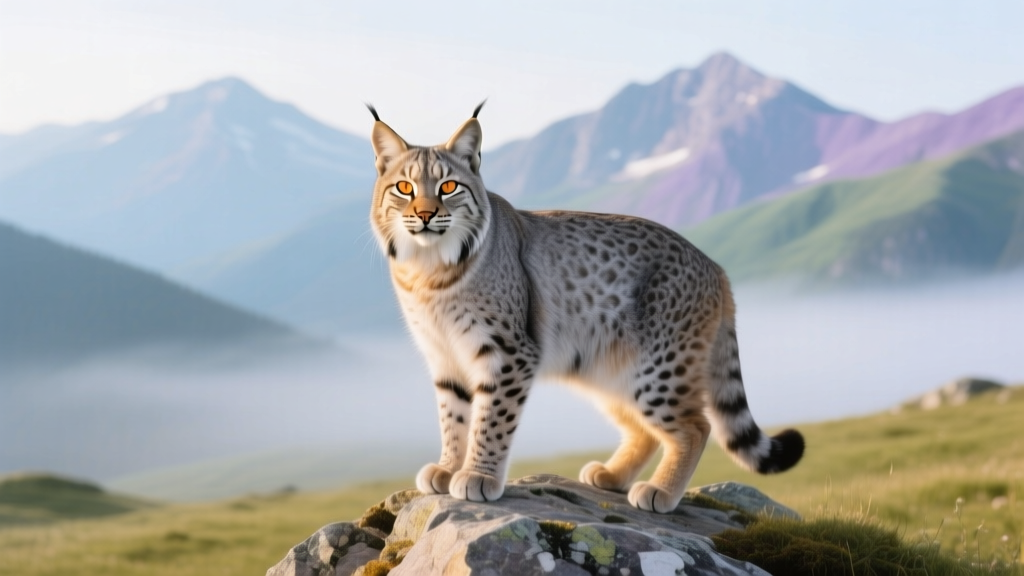
If you’ve ever wished for a cat that looks like it stepped out of a mountain wilderness photo—tufted ears, bold markings, and a confident, outdoorsy vibe—but still curls up on your couch like a true housecat, meet the Grand Lynx. Often described as a Rocky Mountain domestic cross, this striking cat type blends the rugged “lynx-like” look many people love with the companionable nature of domestic cats.
The Grand Lynx isn’t a standardized, registry-recognized breed in the way that a Maine Coon or Norwegian Forest Cat is. Instead, it’s a regional, breeder-coined type (and sometimes a nickname used by owners) for large, athletic domestic cats—often with bobbed tails, ear tufts, and tabby/lynx-point patterns—that have been selectively crossed for a certain Rocky Mountain aesthetic. If you’re researching the Grand Lynx, you’re likely drawn to that “mini wildcat” appearance. The good news: when responsibly bred and properly socialized, these cats can be affectionate, funny, and wonderfully interactive companions.
Below you’ll find a practical, cat-lover-friendly guide to Grand Lynx traits, care, health, and what living with one is really like.
Breed History and Origin
The term Grand Lynx is most often associated with cats developed in and around the Rocky Mountain region of the United States and Canada—places where people have long admired the native lynx and bobcat. Over the last few decades, some breeders and enthusiasts began pairing sturdy, big-framed domestic cats (including cats with naturally occurring bobtails) to produce kittens with:
- Lynx-like features (ear furnishings/tufts, heavier ruff, prominent cheekbones)
- Bold tabby striping or “wild” spotting
- Athletic, outdoorsy build suited to active homes
- Domestic temperament appropriate for family life
Because “Grand Lynx” is not a universally defined breed standard, the exact ancestry varies by line. Many Grand Lynx cats resemble or may include ancestry from popular North American landrace and domestic lines such as:
- Domestic Shorthair/Longhair (foundation cats)
- American Bobtail-like domestic bobtail lines (naturally short tails)
- Maine Coon-like cats (large size, shaggy coat traits)
- Colorpoint/lynx-point domestic lines in some programs (for the “lynx point” pattern)
Any seller implying a Grand Lynx is a true wildcat hybrid (lynx, bobcat, etc.) should raise an immediate red flag. Wildcat hybrids are regulated in many places and require very different management. A responsibly represented Grand Lynx is a domestic cat cross selected for appearance and temperament, not a wild species mix.
Physical Characteristics
Grand Lynx cats are typically celebrated for their bold, outdoorsy silhouette. Since there’s no single registry standard, you’ll see variation—especially in coat length and tail type. Still, many share a recognizable “Rocky Mountain” look: sturdy body, confident stance, expressive face, and plush markings.
| Feature | Typical Grand Lynx Traits |
|---|---|
| Size | Medium-large to large; athletic and solid |
| Weight | About 10–18 lb (4.5–8.2 kg); some males may be larger depending on lineage |
| Body Type | Muscular, longer body, broad chest, strong hindquarters |
| Head & Face | Broad, slightly wedge-shaped; prominent whisker pads; alert expression |
| Ears | Medium-large; often with ear furnishings; some have noticeable “lynx tips” (tufts) |
| Tail | Varies: full-length, shorter tail, or naturally bobbed tail depending on line |
| Coat | Short, medium, or semi-long; often plush with a dense feel |
| Colors & Patterns | Brown/black tabby, silver tabby, red tabby, torbie, spotted tabby, and sometimes lynx point |
Coat and Color Notes
- Tabby patterns (mackerel, classic, spotted) are extremely common—this is where the “lynx” vibe shines.
- Lynx point (tabby striping on the mask/points) can show up in some lines; it’s a colorpoint pattern with tabby overlay.
- Seasonal coat changes are common in plusher-coated cats: heavier in winter, lighter in summer.
Distinctive Features People Love
- Ear tufts and heavy ear furnishings
- Big paws (sometimes with extra fluff between toes)
- Bold facial markings and “mascara lines” typical of tabbies
- Confident posture—they often look like they own the room
Personality and Temperament Traits
The best Grand Lynx cats are the total package: adventurous but people-oriented, playful but capable of chilling out. Temperament depends heavily on early socialization and the personality of the parents, but many owners describe these cats as:
- Interactive: They want to be part of what you’re doing—“helping” with chores, supervising from a cat tree, or trailing you down the hall.
- Play-driven: Expect strong prey drive and enthusiasm for wand toys, fetch-like games, and puzzle feeders.
- Confident: Many are outgoing with visitors after a proper warm-up.
- Affectionate on their terms: They may not be constant lap cats, but they’re often loyal companions who enjoy being near you.
- Smart: Clicker training, leash training, and learning routines can be a great fit.
Because the Grand Lynx is a Rocky Mountain domestic cross type rather than a fixed breed, you’ll see a spectrum—from bold extroverts to thoughtful observers. A good breeder or rescue foster should be able to tell you which kitten or adult cat matches your household energy.
Health Considerations and Common Issues
As a domestic cross, the Grand Lynx can benefit from genetic diversity, but there are still health considerations—especially if bobtail traits, large size, or heavy coats are part of the line. Always ask for veterinary records and, when possible, health testing information on parents.
Potential Concerns to Watch For
- Weight management: Big-framed cats can still gain excess weight, especially if indoor life is sedentary.
- Dental disease: Common in many cats; regular dental care matters.
- Joint stress: Larger cats may be more prone to stiffness if overweight or under-muscled.
- Spinal/tail-related issues (in bobtail lines): Naturally bobbed tails are usually harmless, but responsible breeding avoids lines associated with spinal defects. A vet should evaluate tail and spine structure at checkups.
- Heart and kidney screening: Not “Grand Lynx-specific,” but smart for any large domestic lines—especially if there’s Maine Coon-like ancestry in the background.
Recommended Preventive Care
- Annual veterinary exams (twice yearly for seniors)
- Routine vaccines based on lifestyle and local risk
- Parasite prevention as recommended in your region
- Dental cleanings as needed + home brushing if your cat allows it
- Maintain a lean body condition to protect joints and organs
Care Requirements (Grooming, Exercise, Diet)
Grooming
Grooming needs depend mostly on coat length:
- Short to medium coats: Brush 1–2 times per week to reduce shedding and keep the coat glossy.
- Semi-long coats: Brush 2–4 times per week, focusing on the ruff, belly, and “pants” where tangles like to form.
Also plan for:
- Nail trims every 2–4 weeks
- Ear checks weekly (especially if they have heavy ear furnishings)
- Occasional sanitary trims for fluffier cats
Exercise and Enrichment
Grand Lynx cats tend to thrive in environments that respect their athletic nature. Aim for a mix of vertical territory and active play:
- Cat trees with high perches (they love to survey)
- Daily interactive play (10–20 minutes, 1–2 sessions)
- Puzzle feeders and treat balls for mental work
- Leash training (many take to it well with patience)
- Window perches or a secure catio for safe outdoor stimulation
Diet
Feed for lean muscle and steady energy. A Grand Lynx often does best on a high-quality, protein-forward diet with measured portions.
- Wet food can help with hydration and satiety.
- Dry food can be fine, especially for puzzle feeders, but avoid free-feeding if weight creeps up.
- Ask your vet about calorie targets based on your cat’s age, weight, and activity level.
Compatibility with Families, Children, and Other Pets
A well-socialized Grand Lynx can be a fantastic family companion—especially for people who enjoy an engaged, playful cat rather than a purely decorative pet.
- With children: Often great with respectful kids who understand gentle handling and give the cat space. Their sturdy build can make them more tolerant of household bustle, but they still need boundaries.
- With dogs: Many adapt well to cat-savvy dogs if introductions are slow and controlled. Confident cats may even become play buddies.
- With other cats: Usually fine, especially if paired with cats of similar energy. Provide multiple resources (litter boxes, water stations, resting spots) to prevent tension.
- With small pets: Caution. Their prey drive can be strong. Keep birds, rodents, and reptiles securely housed in a separate space.
If you’re adopting an adult Grand Lynx-type cat from a rescue, ask about their history with other animals—adult temperament is easier to predict than kitten potential.
Pros and Cons of Owning a Grand Lynx
| Pros | Cons |
|---|---|
| Wild, “lynx-like” look in a domestic companion | Not a standardized breed—traits can vary widely |
| Often smart and trainable (leash, tricks, routines) | Can be very active; boredom may lead to mischief |
| Typically confident and engaging with their people | May have strong prey drive around small pets |
| Can do well with kids and dogs when socialized | Some lines may shed heavily, especially with plush coats |
| Great match for enrichment-focused homes (catios, climbing) | Bobtail lines require careful, responsible sourcing |
FAQ: Grand Lynx Cats
Is the Grand Lynx a real, recognized cat breed?
The Grand Lynx is generally considered a Rocky Mountain domestic cross type rather than a widely recognized registry breed. You may see the name used by breeders or owners to describe a particular look (tufted ears, tabby patterns, athletic build), but there isn’t one universal standard.
Are Grand Lynx cats part lynx or bobcat?
Reputable Grand Lynx lines are domestic cats. A true lynx or bobcat hybrid would involve complex legal and welfare issues and is not what most people mean by “Grand Lynx.” If someone claims wildcat ancestry, request documentation and check local laws—then proceed with extreme caution.
How big do Grand Lynx cats get?
Many are medium-large to large, commonly around 10–18 lb, with some males larger depending on lineage, diet, and activity. Their build is often muscular and athletic rather than simply heavy.
Do Grand Lynx cats make good indoor cats?
Yes—if you provide enough enrichment. Plan on vertical climbing space, daily play, and mental stimulation. Many also enjoy supervised outdoor time via leash walks or a secure catio.
Do they require a lot of grooming?
It depends on coat length. Shorter-coated Grand Lynx cats usually need weekly brushing, while plusher semi-long coats may need several sessions per week, especially during seasonal shedding.
Where can I find a Grand Lynx cat?
You may find them through regional breeders who use the term for a specific look, or through rescues where “Grand Lynx” is used as a descriptive label. Prioritize ethical sourcing: clean living conditions, clear vet records, and honest explanations of lineage and temperament.
Warm Signoff
The Grand Lynx—this bold, Rocky Mountain domestic cross type—has a special charm: a wilderness-inspired appearance paired with the heart of a companion cat. If you love interactive play, clever training moments, and a cat who looks like they belong on a forest ridge (but prefer your best blanket), the Grand Lynx might feel like fate.
Want to keep exploring? Browse more cat breed profiles, look-alikes, and care guides on catloversbase.com and find the perfect match for your home and your heart.