Umber Cat: Brown Tone Coat Selection
If you’ve ever caught a glimpse of a cat whose coat looks like warm cocoa powder, polished mahogany, or freshly turned earth after rain, you already understand the magic of brown-toned cats. That rich “umber” look feels cozy and rare at the same time—like your favorite sweater in feline form. And for many cat lovers, the search begins with one simple wish: a cat with a truly brown coat.
Here’s the twist: “Umber Cat” isn’t a single officially recognized pedigree breed in the way a Maine Coon or Siamese is. Instead, it’s a coat color goal—a selection for brown, chocolate, cinnamon, or sable tones that can appear in several breeds and also in domestic cats. This article is your friendly, practical guide to brown tone coat selection: which breeds most often produce umber shades, how those colors happen, what personality traits you can expect, and how to care for a brown-coated beauty so that coat stays glossy and vibrant.
Whether you’re researching for a future companion, comparing pedigrees, or simply admiring the spectrum from cinnamon toast to dark espresso, you’re in the right place.
Breed History and Origin (Where “Umber” Comes From)
The word umber comes from natural earth pigments—brown tones with a warm, grounded feel. In cats, brown coloration has a fascinating history tied to selective breeding, naturally occurring genetic variants, and shifting breed standards.
For many years, cat fancy organizations emphasized high-contrast patterns (like classic tabby) or bold point coloration (like Siamese). Solid brown was less common and, in some registries, not widely promoted. Over time, breeders who loved warm brown tones began refining lines where those colors appeared more reliably.
Rather than one “Umber Cat” origin story, brown-toned cats trace back to:
- Natural domestic cat genetics (brown tabby is extremely common worldwide).
- Selective breeding for chocolate/cinnamon in certain pedigrees (notably Oriental Shorthair lines and related groups).
- Breed development emphasizing brown coats (most famously the Havana Brown, created specifically to showcase a rich brown coat paired with green eyes).
- Sable shading in breeds like the Burmese, known for warm, even coloration.
So when people say “Umber Cat,” they’re often describing a cat that visually fits that gorgeous brown palette—whether they’re a pedigreed Havana Brown, a Burmese in sable, a Oriental Shorthair in chocolate, or a beloved domestic shorthair with a brown tabby pattern.
Physical Characteristics
Because “Umber Cat” refers to coat tone rather than one single breed, physical traits depend on the breed (or domestic mix). Still, many brown-coated pedigrees share a sleek, polished look that makes those warm tones pop.
Typical Size and Weight
| Type commonly seen in “Umber” coats | Typical weight | Build |
|---|---|---|
| Havana Brown | 6–10 lbs (2.7–4.5 kg) | Medium, muscular yet elegant |
| Burmese (Sable/Chocolate) | 8–12 lbs (3.6–5.4 kg) | Compact, surprisingly heavy (“brick wrapped in silk”) |
| Oriental Shorthair (Chocolate/Cinnamon) | 6–12 lbs (2.7–5.4 kg) | Long, lean, athletic |
| Domestic Shorthair/Longhair (Brown tabby) | Varies widely | Highly variable |
Coat Type and Texture
- Short coats are most common among pedigreed brown-toned cats (Havana Brown, Burmese, Oriental Shorthair). They often have a satiny finish that reflects light beautifully.
- Longhaired brown cats exist (especially among domestic longhairs), where umber tones can look smoky or shaded depending on undercoat color.
Brown Tone Colors You’ll See
“Brown” in cats isn’t just one shade. Coat genetics can produce a whole café menu of tones:
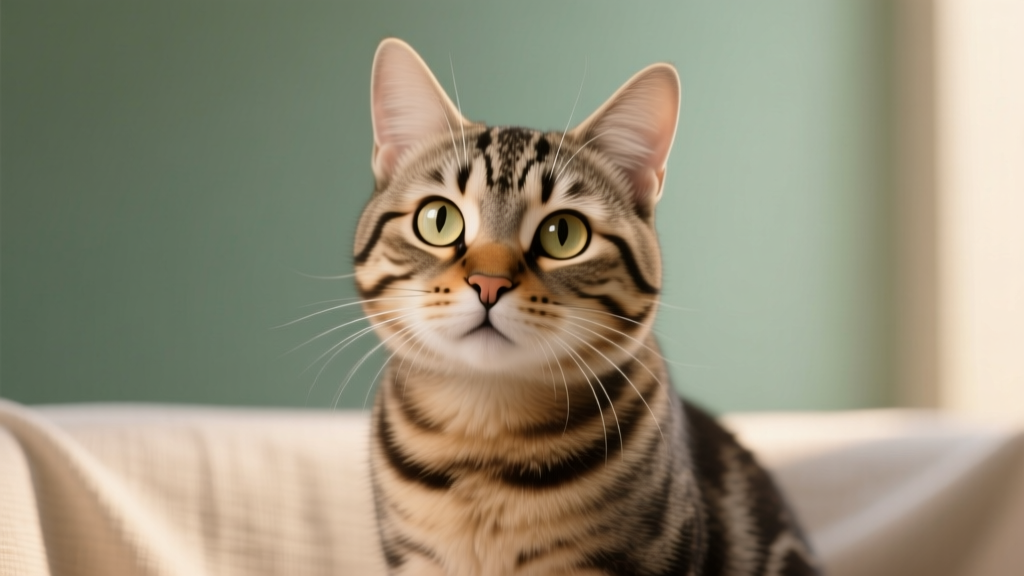
- Brown tabby: dark brown/black striping over a warmer brown background (the most common “umber” look in domestic cats).
- Chocolate: a deeper, warmer brown than black; often seen in Havana Brown and some Orientals.
- Cinnamon: a lighter, reddish-brown tone; appears in some Oriental Shorthairs and related lines.
- Sable: rich, even brown shading typical of Burmese (often with slightly darker points on face/ears).
- Seal brown: sometimes used casually to describe very dark brown tones (breed standards may use more specific wording).
Distinctive Features (Common in Brown-Coat Breeds)
- Expressive eyes: Havana Browns are celebrated for vivid green eyes; Burmese tend toward gold/yellow tones; Orientals can have striking green eyes as well depending on color and registry rules.
- Warm-toned nose leather and paw pads: many chocolate/cinnamon cats have pinkish-brown to cocoa-toned noses and pads, which adds to the overall “umber” effect.
- Sleek silhouette: short, glossy coats and athletic builds make the color look especially smooth and even.
Personality and Temperament Traits
Brown-toned cats aren’t one personality type, but the breeds most associated with umber coats tend to be wonderfully people-focused. If you’re dreaming of a companion who wants to be part of your everyday routine (and comment on it), you’re going to enjoy this group.
Common temperament themes you’ll see in Havana Brown, Burmese, and Oriental Shorthair lines:
- Affectionate and loyal: these cats often follow their favorite person from room to room.
- Social and confident: many are comfortable greeting visitors and being “in the middle of things.”
- Talkative: Orientals, especially, are famous for having opinions. Burmese can be chatty too, typically with a sweet, insistent style.
- Playful into adulthood: fetch games, puzzle toys, and interactive wand play are usually big hits.
- People-oriented: they often prefer company over being left alone all day.
If your “Umber Cat” is a domestic brown tabby, personality can range widely—but many brown tabbies are famously friendly, adaptable, and family-ready.
Health Considerations and Common Issues
Health depends on the cat’s breed, lineage, and individual genetics. A reputable breeder who does appropriate health screening (where applicable) is your best ally. For rescue and domestic cats, a thorough vet exam and good preventive care go a long way.
Concerns that may appear in breeds commonly associated with brown tones include:
- Dental disease: common across cats; small mouths or certain head shapes can make dental care extra valuable.
- Weight gain: Burmese in particular can be very food-motivated and may pack on pounds if overfed.
- Stress sensitivity: highly social, intelligent cats may get anxious if they’re understimulated or lonely.
- Breed-specific inherited issues: these vary by breed and line; ask breeders about health testing and family history.
For any “Umber Cat,” prioritize:
- Annual (or twice-yearly for seniors) wellness exams
- Dental checkups and home dental routines
- Parasite prevention as recommended by your veterinarian
- Early attention to changes in appetite, coat condition, thirst, or litter box habits
Care Requirements (Grooming, Exercise, Diet)
Grooming
The good news: most brown-coat pedigrees are shorthaired and low-maintenance. The better news: a little consistent grooming makes umber tones glow.
- Weekly brushing with a soft slicker or rubber grooming mitt to remove loose hair and distribute oils.
- Occasional wipe-down with a damp hand or pet-safe grooming cloth to enhance shine (especially helpful for Burmese-like satin coats).
- Nail trims every 2–4 weeks, plus regular ear checks.
- Dental care: brushing teeth is ideal; dental treats and water additives can help but don’t replace brushing.
Exercise and Enrichment
Brown-coated cats from Burmese/Oriental/Havana-type backgrounds tend to be athletic and interactive. Plan for daily play.
- Two play sessions per day (10–15 minutes each) with wand toys, kickers, and chase games
- Climbing options: cat trees, wall shelves, window perches
- Puzzle feeders to engage the brain and slow down fast eaters
- Training: many of these cats enjoy clicker training, high-fives, and leash practice
Diet
To keep that brown coat glossy, focus on steady nutrition rather than “coat supplements” as a first step.
- High-quality complete diet (wet, dry, or a vet-approved combination)
- Protein-forward nutrition helps maintain muscle and coat condition
- Omega-3s (often from fish oil) can support skin/coat—ask your vet before adding supplements
- Portion control for food-motivated cats; use measured meals and treat limits
Compatibility with Families, Children, and Other Pets
A well-socialized “Umber Cat” can be a fantastic family member, especially if you choose a breed known for people-loving behavior.
- Families with children: Burmese and Havana Brown types often thrive with gentle, respectful kids who want to play and interact. Teach children to avoid grabbing and to let the cat choose contact.
- Other cats: social breeds often do well with a feline buddy, particularly if you’re away from home during the day.
- Dogs: many confident, playful cats can coexist beautifully with cat-friendly dogs after a slow introduction.
- Apartment living: very doable if you provide vertical space, playtime, and enrichment.
These cats tend to be happiest in homes where they’re included—brown-toned cuddlebugs often don’t enjoy being treated like background décor.
Pros and Cons of Owning an “Umber Cat”
| Pros | Cons |
|---|---|
| Stunning, uncommon brown tones that stand out | True solid brown can be harder to find ethically and may involve waitlists |
| Many brown-coat breeds are affectionate and people-focused | Some can become lonely or vocal if understimulated |
| Short coats are usually easy to groom | High-energy personalities need daily play and enrichment |
| Often smart and trainable (puzzles, tricks, leash work) | Food motivation can lead to weight gain without portion control |
| Great companions for interactive households | Breed-specific health concerns may apply depending on lineage |
FAQ: Umber Cat (Brown Tone Coat Selection)
Is the Umber Cat an official cat breed?
No. “Umber Cat” is best understood as a brown coat color theme rather than a single recognized pedigree. People often use it to describe cats with chocolate, cinnamon, sable, or rich brown tabby tones.
Which breeds are most associated with solid brown coats?
The Havana Brown is the classic solid-brown showstopper. Burmese (especially sable) also commonly present warm brown coats. Oriental Shorthairs can appear in chocolate and cinnamon depending on lineage and registry.
Why do some “brown” cats look black in certain light?
Very dark chocolate or sable coats can read as black under low light. Sunlight often reveals the warmer undertones—reddish or cocoa hues—especially along the flanks and chest.
Are brown tabby cats the same as chocolate cats?
Not usually. Brown tabby refers to a pattern with dark striping on a warm background and is extremely common in domestic cats. Chocolate is a specific pigment variation that changes what would otherwise be black into a warmer brown, and it’s more associated with certain pedigrees.
Do brown-coated cats need special grooming to keep their color rich?
They don’t need special products, but regular brushing, good nutrition, and minimizing stress can keep the coat glossy. If the coat becomes dull, flaky, or thin, a vet check is smart to rule out diet issues, parasites, or skin conditions.
How can I find a brown-toned cat responsibly?
For a specific pedigree (like Havana Brown), look for a reputable breeder who prioritizes health, socialization, and transparent practices. For a brown tabby or brown-toned mixed-breed cat, shelters and rescues frequently have gorgeous “umber” cats—ask to meet cats in foster care for a better read on personality.
Warm Signoff
If your heart is set on an Umber Cat, you’re chasing one of the most naturally beautiful looks in the cat world—those warm brown tones feel earthy, elegant, and endlessly pettable. Whether you fall for a pedigreed Havana Brown’s green-eyed charm, a Burmese cuddle-shadow, an Oriental’s lively conversation, or a classic brown tabby from a rescue, you’ll be bringing home a companion with serious visual (and emotional) warmth.
Want to keep exploring coats, personalities, and the breeds behind them? Browse more cat breed profiles on catloversbase.com and find the feline that fits your home and your heart.