Nebelung: Blue-Coated Russian Blue Cousin
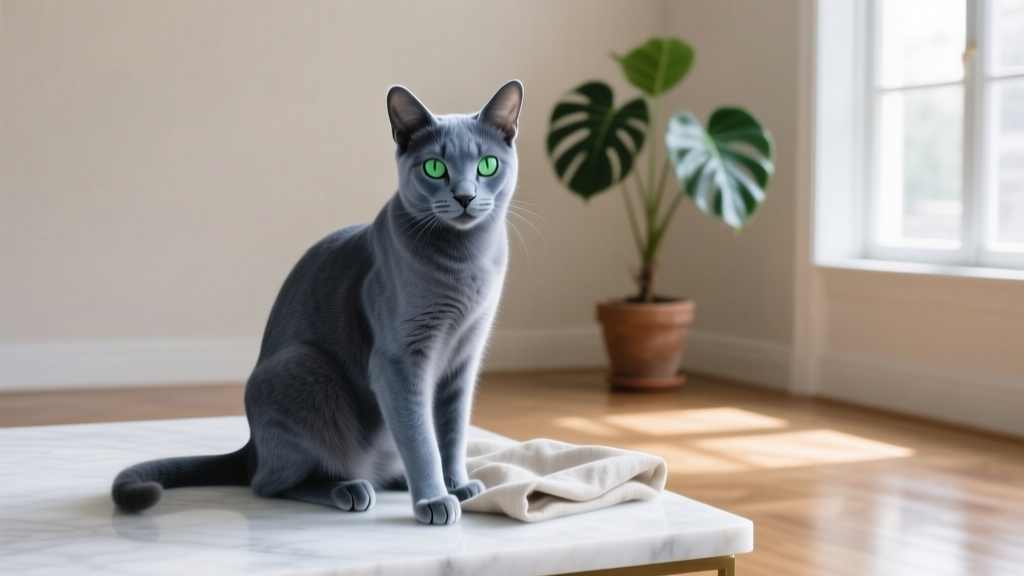
If you’ve ever wished the elegant Russian Blue came with a little more fluff and a dash of fairytale mystery, meet the Nebelung. This rare, blue-coated beauty looks like it stepped out of a misty forest—long, shimmering fur, luminous green eyes, and a graceful, floating gait that makes people stop mid-sentence to stare (in the best way).
The Nebelung is often described as a long-haired Russian Blue cousin, and the comparison is spot-on: both breeds share that cool-toned blue coat, refined body, and gentle, devoted personality. The difference? The Nebelung wears a silky, semi-long coat with a soft “halo” of silver tipping that catches the light like moonshine.
They’re not the loudest cat at the party, but when a Nebelung chooses you, it feels special. For cat lovers who want a loyal companion with a calm presence and show-stopping looks, this breed can be pure magic.
Breed History and Origin
The Nebelung is a relatively young breed with a very specific origin story. In the early 1980s in the United States, a woman named Cora Cobb acquired a black domestic shorthair cat who later produced a litter that included a striking blue, semi-longhaired kitten. That kitten—named Siegfried—had the look of a long-haired Russian Blue. Later, another blue semi-longhaired kitten named Brünnhilde joined the picture. These two cats became the foundation for what would eventually be developed into the Nebelung breed.
The name “Nebelung” comes from the German word Nebel, meaning “mist” or “fog,” a nod to the breed’s smoky-blue coat and ethereal vibe. The breed was developed to mirror the Russian Blue’s type and temperament, but with a longer coat. Today, the Nebelung remains rare, treasured by enthusiasts, and recognized by some cat registries (recognition and status can vary by organization and region).
Physical Characteristics
The Nebelung is all about refined elegance: long lines, a light-footed posture, and that iconic blue coat with silver sheen. They often look larger than they are because the fur adds volume—especially around the tail and neck.
| Feature | Nebelung Breed Details |
|---|---|
| Size | Medium |
| Weight | Typically 7–15 lbs (males often larger than females) |
| Body Type | Semi-foreign: slender, athletic, graceful |
| Coat Length | Semi-long, silky, with a plush feel; minimal matting compared to some long-haired breeds |
| Coat Color | Blue only (a cool gray-blue) with silver tipping |
| Eyes | Green preferred/typical; can deepen to vivid green with maturity |
| Distinctive Features | Plumed tail, silvered “mist” effect on coat, elegant profile, often a slightly reserved expression |
Coat, Color, and That “Misty” Glow
When people search “blue-coated cat breed” or “long-haired Russian Blue,” they’re often picturing something very close to the Nebelung. The coat is always blue, but what makes it hypnotic is the silver tipping—each hair can have a lighter, silvery end that creates a soft shimmer as the cat moves. In the right light, a Nebelung can look like it’s dusted with frost.
Personality and Temperament Traits
Nebelungs tend to be deeply attached to their people. They’re often described as loyal, gentle, and quietly affectionate—more “follow you from room to room” than “launch themselves onto your lap with fanfare.” Many Nebelungs pick a favorite person, but with kind handling and patience, they can bond with the whole household.
- Devoted companion: Many like to stay near you, supervise tasks, and settle close by when you relax.
- Soft-spoken: Not typically known for constant meowing; they often communicate with subtle body language.
- Intelligent and observant: They notice patterns, routines, and “their” territory.
- Playful in a refined way: They enjoy interactive play, especially wand toys, and can have a surprisingly athletic leap.
- Sometimes shy with strangers: They often prefer to assess new people from a safe distance before warming up.
This breed often thrives on calm routines. If your home is peaceful and you enjoy a cat who feels like a true companion rather than a tiny party host, the Nebelung’s temperament can be a perfect fit.
Health Considerations and Common Issues
Nebelungs are generally considered a robust breed, especially since the foundation includes domestic cats. Still, every cat is an individual, and responsible breeding and good preventive care matter. Because the Nebelung shares similarities with the Russian Blue, many owners focus on maintaining a healthy weight and supporting overall wellness through diet, activity, and regular veterinary visits.
Health points to keep on your radar:
- Weight gain: Some Nebelungs can become sedentary if under-stimulated. Extra pounds can stress joints and overall health.
- Dental health: Like many cats, they benefit from dental-friendly diets, dental treats (vet-approved), and periodic cleanings if needed.
- Stress sensitivity: Cats with a more reserved temperament may react to chaotic environments with stress-related behaviors (hiding, reduced appetite, etc.).
Best practice: Choose a reputable breeder (or breed-savvy rescue) who health-screens their cats, provides veterinary records, and socializes kittens. Keep up with routine exams, vaccinations as recommended, parasite prevention, and dental checks.
Care Requirements (Grooming, Exercise, Diet)
Grooming
Good news for anyone who loves fluffy cats but fears nonstop mats: the Nebelung’s coat is silky and tends to be less prone to tangling than some very dense long coats. That said, they still need regular brushing to reduce shedding and keep that silver-blue perfection gleaming.
- Brushing: 2–3 times per week (more during seasonal shedding)
- Tools: A soft slicker brush or quality stainless-steel comb; finish with a gentle grooming glove for shine
- Nails: Trim every 2–4 weeks
- Ears: Check weekly; clean only if needed and with cat-safe products
- Bathing: Usually rare; most Nebelungs keep themselves very clean
Exercise and Enrichment
Nebelungs are athletic in a quiet way. They like to climb, leap, and chase—especially if it’s part of a predictable routine. Think “daily play appointment” rather than random bursts of chaos.
- Interactive play: 10–20 minutes daily with wand toys, feather teasers, or chase toys
- Climbing: A tall cat tree or wall shelves are ideal
- Brain games: Puzzle feeders, treat balls, and clicker training can be a big hit
Diet
Feed for lean muscle and coat health. Many Nebelungs do well on a high-quality, protein-forward diet. Portion control matters, especially if your cat is more of a window-watcher than a sprinter.
- Protein-focused nutrition: Look for meat-first recipes with balanced fats
- Measured meals: Scheduled feeding can help prevent gradual weight gain
- Hydration: Encourage drinking with a cat water fountain; many cats prefer moving water
- Coat support: Omega-3s (vet-guided) may help maintain coat sheen
Compatibility with Families, Children, and Other Pets
Nebelungs can be wonderful family cats when their personality is respected. They typically prefer gentler interactions and may not love being passed around like a plush toy. With calm, cat-savvy children and adults who understand boundaries, they flourish.
- With children: Best with kids who can be quiet, patient, and gentle. Teach “let the cat come to you.”
- With dogs: Often compatible with calm, cat-respecting dogs. Slow introductions are key.
- With other cats: Frequently does well, especially with similarly mellow cats. Provide multiple resources (litter boxes, food stations, resting spots).
Because they can be cautious with newcomers, introductions should be gradual. Set them up for success with a safe room, scent swapping, and predictable routines.
Pros and Cons of Owning a Nebelung
| Pros | Cons |
|---|---|
| Stunning blue coat with silver “mist” effect | Can be shy or reserved with strangers |
| Loyal, devoted companion personality | May bond strongly to one person and take time to warm up to others |
| Generally calm, pleasant household presence | Not ideal for very noisy, constantly changing households |
| Semi-long coat that’s often easier to maintain than expected | Still needs regular brushing to control shedding and keep coat pristine |
| Intelligent and trainable with the right approach | Rare breed—finding a reputable breeder or available kitten can take time |
FAQ: Nebelung Cat Breed
Are Nebelungs the same as long-haired Russian Blues?
They’re closely related in look and type, which is why “long-haired Russian Blue” is a common search term. The Nebelung was developed to resemble the Russian Blue but with a semi-long coat. They’re considered a distinct breed by certain registries and breed communities.
Do Nebelung cats shed a lot?
They do shed, especially seasonally, but regular brushing (a few times a week) makes a big difference. Their coat is silky and often less prone to heavy matting than some long-haired breeds.
Are Nebelungs cuddly lap cats?
Many Nebelungs are affectionate and like being close, but they’re often more “near you” than “on you” all day. Some become excellent lap cats once they feel fully secure.
How rare is the Nebelung cat breed?
Nebelungs are considered rare compared to popular breeds. Availability varies by region, and you may need to join waitlists or work with dedicated breeders or breed-focused rescues.
Do Nebelungs get along with other pets?
Often yes—especially with calm cats or respectful dogs. Slow introductions and maintaining separate resources (like multiple litter boxes) help prevent tension.
What color are Nebelung cats?
Nebelungs are known for one signature color: blue (a cool gray-blue) with a silver-tipped sheen. This consistent color is a hallmark of the breed.
Living with a Nebelung: A Little Bit of Magic at Home
A Nebelung brings a special kind of companionship—quiet devotion, gentle intelligence, and a soft blue coat that looks like it’s been brushed with fog. If you’re drawn to the Russian Blue vibe but want a more flowing, plush silhouette, the Nebelung cat breed is a gorgeous (and wonderfully under-the-radar) choice.
If a Nebelung sounds like your kind of feline soulmate, keep exploring—there’s a whole world of whiskers, coats, and personalities to discover. Visit catloversbase.com to explore more breed profiles and find the cat that fits your life perfectly.