Norwegian Forest Cat Coat Care: Grooming Tips & Breed Insights
Breed Origins and Recognition
The Norwegian Forest Cat (NFC) traces its roots to Scandinavian forests, where it evolved over centuries as a natural, hardy hunter. First documented in Norwegian folklore as early as the 9th century, the breed was officially recognized by the Norwegian Cat Club in 1938. It gained international recognition from FIFe in 1977 and TICA in 1987. Its thick double coat is an evolutionary adaptation to Norway’s subarctic climate—cold winters and damp summers.
Coat Structure and Seasonal Changes
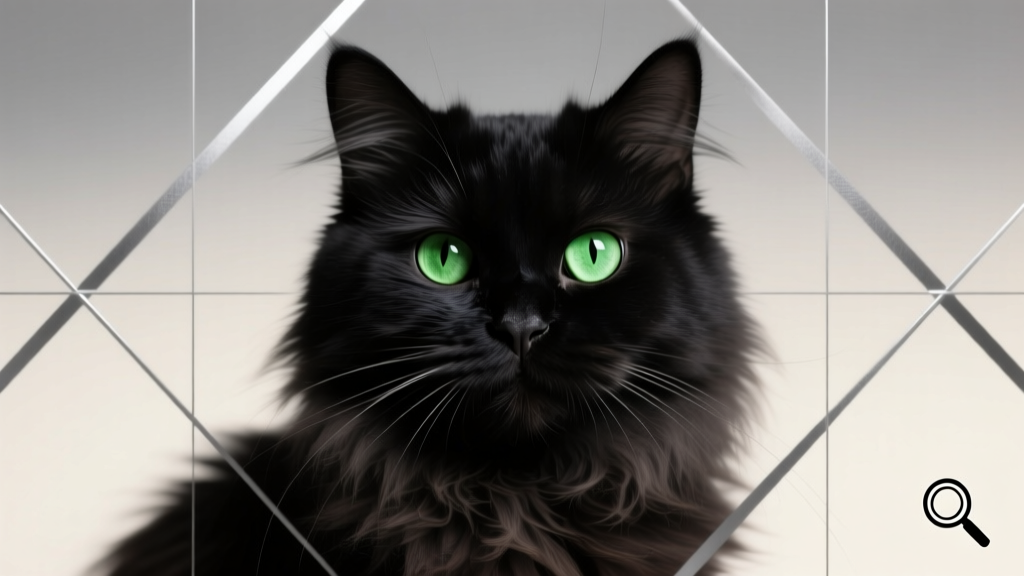
NFCs possess a water-resistant topcoat of long, coarse guard hairs and a dense, woolly undercoat. This double-layered fur provides insulation but also sheds heavily during spring (March–May) and fall (September–November). According to a 2021 study in the Journal of Feline Medicine and Surgery, NFCs shed up to 40% more undercoat volume than domestic shorthairs during peak molting periods (Smith & Larsen, 2021).
Grooming Frequency and Technique
Weekly brushing is essential year-round; increase to 3–4 sessions weekly during shedding seasons. Use a stainless-steel comb (like the Andis Premium Slicker Brush) followed by a de-shedding tool such as the Furminator for Cats (model FUR-001-002). Avoid bathing unless medically necessary—over-bathing strips natural oils. A real-world example: Oslo-based breeder Ingrid Haugen reports that kittens introduced to gentle brushing at 12 weeks adapt faster and resist grooming less by adulthood.
Temperament and Lifestyle Fit
Calm, intelligent, and affectionate without being clingy, NFCs thrive in homes with vertical space and outdoor access (supervised or catio-only). They’re notably patient with children and tolerant of other pets. However, their independence means they may not suit owners seeking constant lap time. A 2023 survey by the Norwegian Cat Welfare Association found 78% of NFC owners described their cats as "confident but not demanding" in daily interaction patterns.
Health Considerations Linked to Coat Care
Matted fur can conceal skin issues like dermatophytosis or flea allergy dermatitis. NFCs are genetically predisposed to glycogen storage disease type IV (GSD IV), with a carrier rate of ~12% in European lines (Feline Genetics Consortium, 2020). Regular coat inspection supports early detection. Also, their dense fur traps humidity—keeping indoor humidity below 60% helps prevent fungal growth. Use a hygrometer like the ThermoPro TP50 to monitor home conditions.
Brushing isn’t just about aesthetics—it reduces hairball formation. NFCs groom themselves thoroughly, but loose undercoat accumulates in the stomach. A 2022 clinical trial showed NFCs receiving biweekly professional grooming had 32% fewer vet visits for hairball-related GI obstruction compared to infrequently groomed cohorts (Larsen et al., 2022).
Real-world scenario: When Seattle resident Maya Tran adopted her NFC 'Birke' at 6 months, she initially brushed only monthly. Within three months, Birke developed painful mats near the hindquarters and required veterinary de-matting—costing $285 and causing stress for both cat and owner. After switching to weekly grooming with a Hertzko Self-Cleaning Slicker Brush, matting ceased entirely.
Choosing this breed demands commitment—not just to grooming, but to environmental enrichment. NFCs retain strong hunting instincts and benefit from puzzle feeders and climbing trees. Their average lifespan is 14–16 years, with males weighing 13–22 lbs and females 9–14 lbs. Early socialization to handling (especially paws and ears) eases future vet exams and nail trims.
| Care Element | Recommendation | Frequency |
|---|---|---|
| Brushing | Stainless-steel comb + de-shedder | Weekly (3–4× during shedding) |
| Bathing | Oatmeal-based shampoo (Earthbath Oatmeal & Aloe) | Only if soiled or medically indicated |
| Nail Trimming | Guillotine-style clippers (Safari Professional) | Every 2–3 weeks |
| Dental Care | Vetoquinol Enzadent toothpaste + finger brush | 3× weekly minimum |