Highland Straight: Scottish Non-Fold Longhair
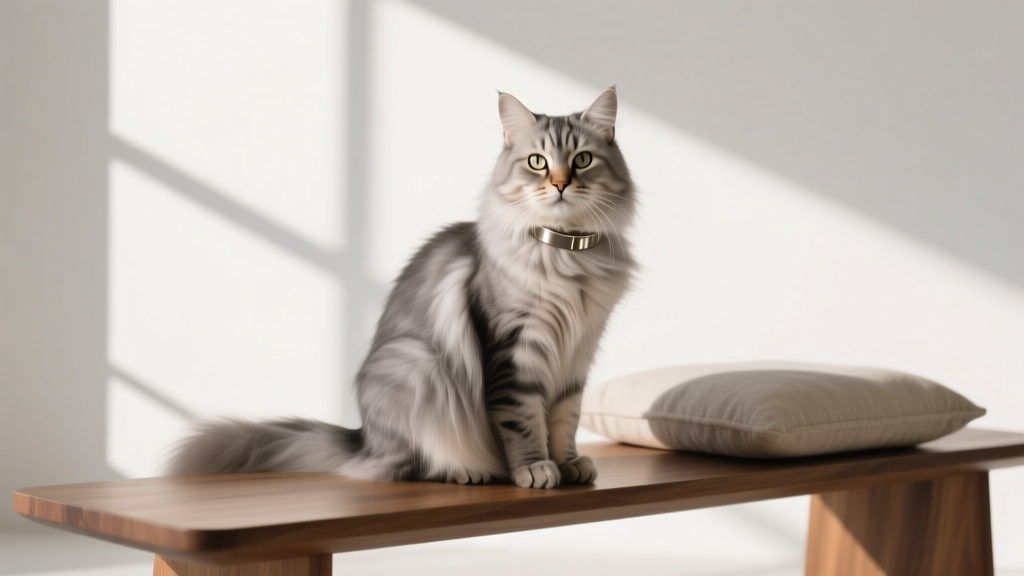
If you’ve ever fallen for the teddy-bear charm of Scottish cats but prefer classic upright ears, the Highland Straight may be your perfect match. Often described as the Scottish Straight longhair (or “Scottish Non-Fold Longhair”), this breed brings all the round-faced sweetness people love—plus a plush, flowing coat that begs for gentle brushing and admiring looks.
Highland Straights have a way of turning ordinary moments into cozy memories. They’ll trail you from room to room with quiet curiosity, settle nearby like a warm little shadow, and flash those big, expressive eyes that seem to say, “I’m happy just being with you.” For cat lovers who want a calm, affectionate companion with a soft, luxurious coat and upright ears, the Highland Straight is a breed worth getting to know.
This guide covers everything you’d want to know before bringing one home: history, looks, temperament, health, grooming, and how they fit into family life—plus a handy FAQ at the end.
Breed History and Origin
The Highland Straight is closely tied to the story of the Scottish Fold. In the early 1960s in Scotland, a cat named Susie—famous for her folded ears—sparked the development of the Scottish Fold line. As breeders worked with this new ear mutation, they also produced kittens with straight ears. These straight-eared cats shared the same round features and gentle personalities, and they became valued both as companions and as part of responsible breeding programs.
When longhaired kittens began appearing in Scottish lines (thanks to longhair genes introduced through outcrossing), the longhaired varieties earned their own popular names. In many regions, the longhaired Scottish Fold is called the Highland Fold, while the longhaired, straight-eared version is commonly called the Highland Straight.
Depending on the cat registry and country, you may see different naming conventions:
- Highland Straight (common in Europe and among fanciers)
- Scottish Straight Longhair
- Scottish Longhair (sometimes used broadly)
- Sometimes grouped under Scottish-type breeds with ear type noted (fold vs straight)
No matter the label, the essence stays the same: a Scottish-type cat with upright ears, a sweet expression, and a semi-long plush coat.
Physical Characteristics
The Highland Straight looks like a storybook cat—round, balanced, and softly plush. They are medium in size, sturdy without being bulky, with a thick coat that can make them appear larger than they are.
| Feature | Typical Description |
|---|---|
| Size | Medium |
| Weight | Females: ~6–10 lbs (2.7–4.5 kg); Males: ~8–13 lbs (3.6–5.9 kg) |
| Body Type | Round and balanced; sturdy bones; not extreme |
| Coat Length | Semi-long to long; dense undercoat with a soft, plush feel |
| Head & Face | Round head, full cheeks, short-to-medium nose, sweet “owl-like” expression |
| Ears | Straight (upright), medium-sized, set wide apart |
| Eyes | Large, round, open expression; color varies with coat color |
| Tail | Medium to long, well-plumed; should be flexible |
Coat, Colors, and Patterns
One of the biggest draws of the Highland Straight is that glorious coat: thick, airy, and soft, often with a noticeable ruff around the neck and feathery britches on the hind legs. The coat can be surprisingly easy to maintain compared to some ultra-longhaired breeds, but it does need regular brushing.
Highland Straights come in a wide variety of colors and patterns. Availability and accepted colors can vary by registry, but commonly seen options include:
- Solid (black, blue/gray, white, cream, red)
- Tabby (classic, mackerel, spotted)
- Bicolor and harlequin/van patterns
- Tortoiseshell and calico
- Colorpoint (in some lines/registries), often with blue eyes
Distinctive Features
- Upright ears with the classic Scottish “rounded” vibe
- Big round eyes that give a perpetually gentle, curious look
- Plush semi-long coat with a soft undercoat
- Balanced body—cobby-ish but not overly compact
Personality and Temperament Traits
Highland Straights are famously sweet-natured. They tend to be affectionate without being pushy, playful without being chaotic, and social without being demanding. Many are happiest when they can be in the same room as their people—supervising household activities from a comfy perch.
Common temperament traits include:
- Gentle and people-oriented: They bond strongly and enjoy companionship.
- Quietly playful: Expect bursts of play, followed by long lounge sessions.
- Adaptable: Many do well in apartments or larger homes, as long as they have enrichment.
- Smart and curious: Puzzle feeders and wand toys are a hit.
- Moderate vocalization: Usually not as chatty as some breeds, but they can “chirp” or softly request attention.
They’re often described as “sweet and steady,” which makes them a lovely choice for first-time cat owners who want a calm companion with a dash of playful charm.
Health Considerations and Common Issues
Highland Straights are generally robust cats, but they share ancestry with Scottish Fold lines. That means it’s wise to be aware of a few health topics—especially when selecting a breeder.
Key health considerations
- Osteochondrodysplasia (OCD): The cartilage/bone issue associated with the Scottish Fold ear mutation. Straight-eared cats are not “folds,” but they may still be related to fold lines. Reputable breeders prioritize sound structure, avoid risky pairings, and select for healthy, flexible tails and normal gait.
- Arthritis / joint stiffness: Any cat can develop arthritis with age, but Scottish-type lines deserve extra attention. Watch for reluctance to jump or stiffness after naps.
- Hypertrophic cardiomyopathy (HCM): A heart condition seen across many breeds. Responsible breeders may screen breeding cats with echocardiograms where available.
- Polycystic kidney disease (PKD): More commonly linked to Persian lines, but because longhair genes in various breeds can come from outcrosses historically, it’s reasonable to ask about testing and family history.
- Dental disease: Round-faced cats can be prone to tartar buildup. Regular dental care helps.
How to choose a healthier Highland Straight
- Ask for veterinary records and any genetic/health screening performed on parents.
- Look for a kitten/adult with a free-moving, flexible tail and no sign of stiffness.
- Observe movement: a healthy cat should walk, run, and jump comfortably.
- Work with a breeder who prioritizes temperament and structural soundness over extreme looks.
With good breeding and attentive care, many Highland Straights live long, comfortable lives—often 12–16+ years.
Care Requirements (Grooming, Exercise, Diet)
Grooming
That fluffy coat is part of the magic, but it does come with maintenance. The good news: most Highland Straights are pretty tolerant of brushing when introduced gently.
- Brushing: 2–4 times per week; daily during seasonal shedding.
- Tools: A soft slicker brush and a stainless-steel comb for checking “pants,” armpits, and behind the ears.
- Bathing: Optional; occasional baths can help with coat freshness, especially for lighter colors.
- Nails: Trim every 2–4 weeks.
- Ears: Check weekly; clean only if needed with vet-approved cleanser.
- Dental care: Brush teeth several times a week (daily is ideal) plus dental treats approved by your vet.
Exercise and enrichment
Highland Straights aren’t typically hyper-athletes, but they do need daily play to stay fit and mentally engaged.
- Daily interactive play: 15–30 minutes (wand toys, feather teasers, flirt poles).
- Enrichment: Puzzle feeders, treat balls, rotating toys, window perches.
- Cat trees and steps: Encourage climbing without forcing big leaps—especially helpful as they age.
Diet
A balanced, high-quality diet keeps their coat glossy and supports joint and heart health.
- Protein-forward nutrition: Look for named animal proteins as primary ingredients.
- Portion control: Their plush coat can hide weight gain; monitor body condition, not just the scale.
- Hydration: Wet food and water fountains can help encourage drinking.
- Joint support: Ask your vet about omega-3s (EPA/DHA) if your cat is prone to stiffness.
Compatibility with Families, Children, and Other Pets
The Highland Straight’s easygoing personality makes them a strong match for many households. They often enjoy predictable routines, gentle affection, and being included in daily life.
- Families with children: Usually great with respectful kids who understand “gentle hands” and allow the cat to choose interaction.
- Other cats: Often friendly, especially with slow introductions and enough resources (litter boxes, food stations, resting spots).
- Dogs: Many do well with calm, cat-savvy dogs. Introduce gradually and provide high safe spaces.
- Busy households: They can adapt, but they don’t love being ignored. Consider a second pet if you’re away often.
Because they’re typically not overly skittish, Highland Straights can handle moderate household activity—just give them cozy retreats when they want quiet time.
Pros and Cons of Owning a Highland Straight
| Pros | Cons |
|---|---|
|
|
FAQ: Highland Straight Cats
Is a Highland Straight the same as a Scottish Straight longhair?
Yes—Highland Straight is commonly used to describe the longhaired Scottish Straight (a Scottish-type cat with straight ears and a semi-long coat). Naming can vary by country and registry, but the breed type is essentially the same.
Do Highland Straights have the same health problems as Scottish Folds?
They don’t have folded ears, but they may come from fold-related lines. While the severe cartilage issue is most strongly associated with folded-ear cats, it’s still smart to choose a breeder who prioritizes sound structure and screens for health concerns. Always watch for stiffness, tail inflexibility, or discomfort and keep up with regular vet visits.
How much grooming does a Highland Straight need?
Plan on brushing 2–4 times a week, and more during heavy shedding seasons. Focus on areas that tangle easily: behind the ears, under the arms, the belly, and the feathered hind legs.
Are Highland Straights cuddly lap cats?
Many are affectionate and love being near you, but they’re often more “sit beside you” than “cling to you.” Some become true lap cats with age, especially in calm homes with consistent routines.
Do Highland Straights get along with dogs?
Often yes—especially with gentle, cat-savvy dogs and slow introductions. Give your cat vertical escape routes (cat trees, shelves) and never force face-to-face greetings.
How long do Highland Straight cats live?
With good breeding and solid care, many live 12–16 years, and some live longer. Keeping them lean, active, and well-groomed can make a real difference in comfort and longevity.
A Warm Sendoff
The Highland Straight is a wonderful blend of plush beauty and easygoing devotion—a Scottish non-fold longhair that fits beautifully into many homes. If you’re drawn to round features, soft coats, and a gentle companion who will happily share your space (and your heart), this breed can be an absolute delight.
Want to keep exploring? Visit catloversbase.com for more cat breed profiles, personality guides, and care tips to help you find your perfect feline match.