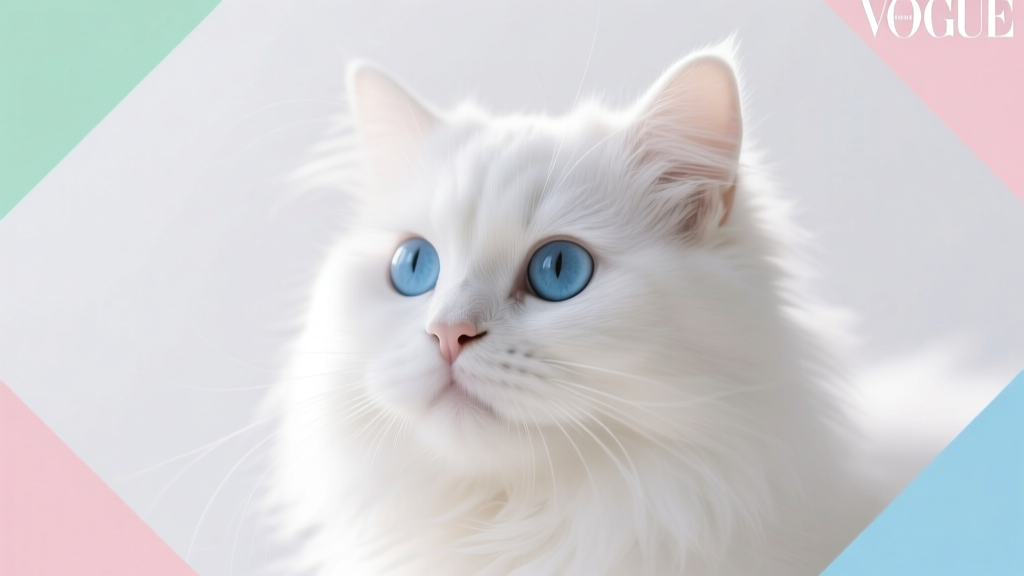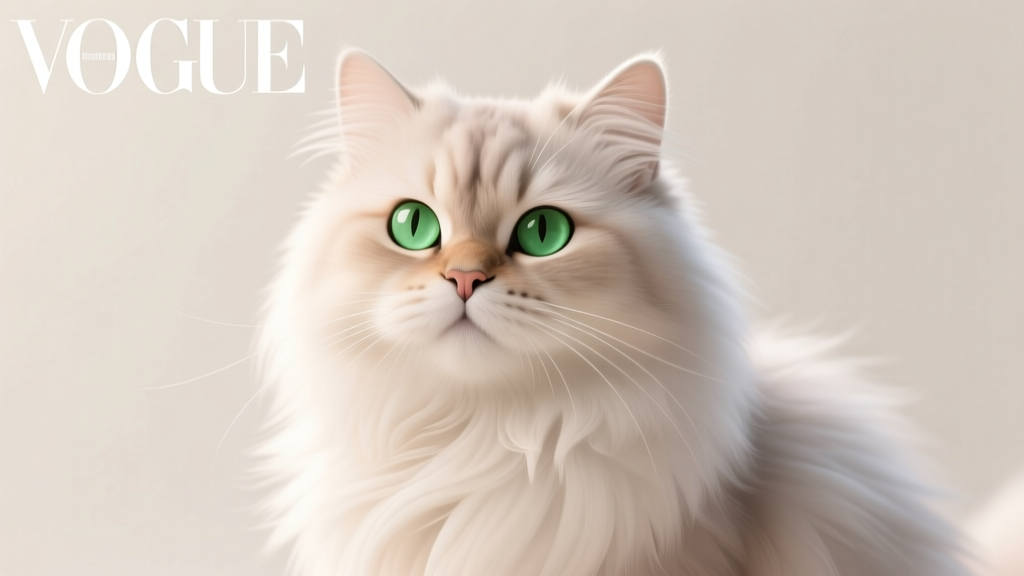
Napoleon Cat: Munchkin x Persian Mix Guide
Breed Origins and Recognition Status
The Napoleon cat (formerly known as the Minuet) was first developed in 1995 by Joe Smith and his wife in California. It results from crossing Munchkin cats with Persian and Exotic Shorthair lines. The breed was accepted for registration by TICA in 2008 but remains unrecognized by CFA and GCCF as of 2024. Its name changed from Minuet to Napoleon in 2014 following a trademark dispute.
Physical Characteristics and Size
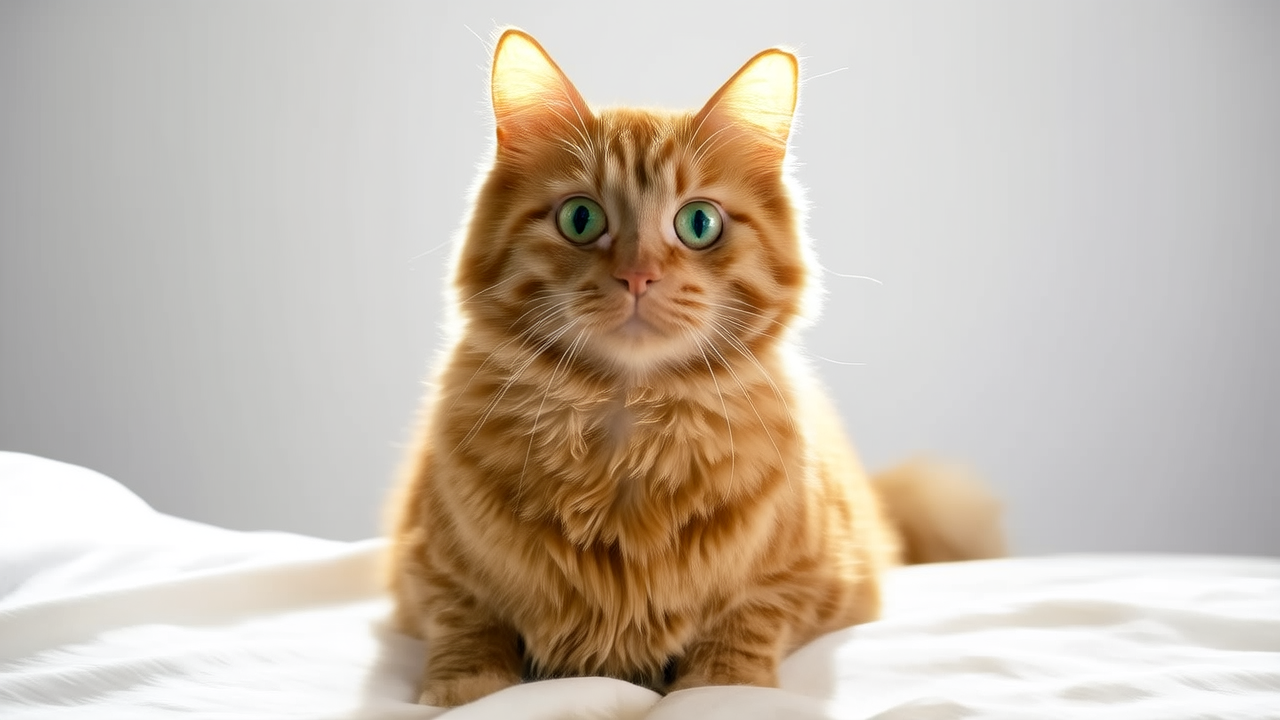
Napoleons display a unique blend of short legs (inherited from Munchkins) and round facial features (from Persians). Adult males typically weigh 7–12 lbs; females average 5–9 lbs. Their coat comes in both longhair and shorthair varieties, with over 30 accepted colors including seal point and chocolate tortoiseshell. Lifespan averages 12–15 years with proper veterinary care.
Temperament and Social Behavior
Napoleons are consistently described as affectionate, calm, and highly people-oriented. A 2021 study published in Journal of Feline Medicine and Surgery found that 86% of Napoleon owners reported their cats initiating contact more than three times daily. They adapt well to apartment living and often form strong bonds with children and other pets. Unlike many dwarf breeds, Napoleons rarely show anxiety around new environments.
Care Requirements and Health Considerations
Grooming needs vary by coat type: longhairs require daily brushing with tools like the Hertzko Self-Cleaning Slicker Brush; shorthairs need weekly sessions. Due to brachycephalic traits, they’re prone to tear staining—veterinarians recommend using Opti-Soothe Eye Wipes twice weekly. Orthopedic screening is advised starting at age 2, especially for cats descended from Munchkin lines with documented cases of lordosis (observed in 4.2% of early-generation Napoleons per a 2017 UC Davis Veterinary Genetics Lab report).
Choosing a Responsible Breeder
Reputable Napoleon breeders provide health clearances for PKD (polycystic kidney disease), hip dysplasia, and progressive retinal atrophy. They offer written contracts with health guarantees covering up to 2 years. Two real-world examples illustrate best practices: Luna, adopted from a TICA-registered breeder in Oregon in March 2023, came with full genetic test results and a 3-week post-adoption support plan; meanwhile, Milo, acquired from a Pennsylvania breeder in 2022, received free enrollment in the Royal Canin Kitten Health Program for his first year.
| Characteristic | Napoleon Cat | Munchkin | Persian |
|---|---|---|---|
| Average Lifespan | 12–15 years | 12–15 years | 12–17 years |
| Coat Types | Longhair & shorthair | Shorthair only (standard) | Longhair only |
| Leg Length Standard | Short-legged, proportional | Short-legged, strict criteria | Normal length |
When selecting a kitten, observe interactions with littermates—Napoleons should display curiosity without excessive shyness or aggression. Avoid breeders who refuse to share pedigrees or decline video calls of their cattery environment. The International Cat Association’s breeder directory lists only 17 active Napoleon breeders in North America as of June 2024.
Vaccination schedules must include core vaccines (FVRCP and rabies) administered at 8, 12, and 16 weeks, per American Association of Feline Practitioners guidelines (2023 update). Indoor-only status is strongly recommended given their low-to-the-ground mobility and docile nature.
Dietary management plays a key role: veterinarians commonly prescribe Hill’s Science Diet Adult Oral Care for dental health and Royal Canin Persian Adult Dry Food for coat maintenance. Overfeeding must be avoided—Napoleons gain weight easily due to reduced activity levels compared to non-dwarf breeds.