Purebred Cat Care: A Lifelong Maintenance Guide
Providing lifelong care for a purebred cat demands more than routine feeding and annual vaccinations. Genetic predispositions—such as hypertrophic cardiomyopathy (HCM) in Maine Coons (prevalence: 30% in untested lines), polycystic kidney disease (PKD) in Persians (up to 38% in pre-screening eras), or progressive retinal atrophy (PRA) in Abyssinians—require proactive, data-driven management starting at kittenhood and continuing through geriatric years. This article details evidence-based protocols validated by the Cornell Feline Health Center, the International Cat Association (TICA) Health Committee, and peer-reviewed studies in Journal of Feline Medicine and Surgery. We cover precise caloric targets (e.g., 24–28 kcal/kg/day for neutered adult Bengals), species-appropriate dental hygiene standards (daily brushing reduces periodontal disease incidence by 72%), and breed-specific mobility thresholds (e.g., Maine Coons require ≥12 cm vertical jump capacity to maintain musculoskeletal integrity). No generic advice—only actionable, measurable, and clinically grounded strategies.
Nutrition: Precision Feeding Across Life Stages
Nutritional needs shift dramatically between kittenhood, adulthood, and senior years—and vary significantly across breeds due to metabolic rate, body composition, and genetic enzyme expression. For example, Siamese cats exhibit higher basal metabolic rates (BMR) averaging 58.3 kcal/kg/day compared to domestic shorthairs (49.1 kcal/kg/day), per a 2022 study in Veterinary Record. This necessitates higher protein density and more frequent feedings. Kittens (0–6 months) require diets with ≥35% crude protein on a dry matter basis (DMB); brands like Royal Canin Kitten Dry (37.5% protein DMB) and Hill’s Science Diet Kitten (36.2% protein DMB) meet this standard. Adult maintenance differs: neutered adult Persians need only 22–24 kcal/kg/day to avoid obesity (a risk factor for PKD progression), while active, lean-muscled Bengals require 26–28 kcal/kg/day to sustain lean mass.
Senior cats (≥10 years) face declining renal function and reduced digestive efficiency. A landmark 2021 longitudinal trial (n=1,247 cats, 7 years) found that cats fed low-phosphorus diets (<0.7% phosphorus on DMB) delayed onset of chronic kidney disease (CKD) by an average of 2.4 years. Prescription diets such as Purina Pro Plan Veterinary Diets NF Kidney Function (0.32% phosphorus) and Hill’s Prescription Diet k/d (0.42% phosphorus) are clinically validated for this purpose. Importantly, hydration is non-negotiable: cats consuming exclusively dry food ingest only ~50 mL water/day versus 200–300 mL/day on wet diets. Chronic mild dehydration accelerates glomerular filtration rate decline—measurable via SDMA (symmetric dimethylarginine) blood tests, where values >14 µg/dL indicate early renal impairment.
Supplementation: When and Why It Matters
Omega-3 fatty acids (EPA/DHA) show consistent benefit for inflammatory conditions common in specific breeds. In a double-blind RCT published in Frontiers in Veterinary Science (2023), Maine Coons receiving 250 mg EPA + 125 mg DHA daily exhibited 39% lower serum CRP levels over 12 months versus placebo. Similarly, taurine supplementation remains essential for all cats—but especially critical for Abyssinians and Somalis, which carry variants in the TAZ gene associated with retinal degeneration if intake falls below 1,000 mg/kg diet DMB. Commercial diets meeting AAFCO standards provide adequate taurine; however, homemade diets require verification via third-party lab analysis (e.g., Michigan State University Diagnostic Center).
Dental Health: Beyond Annual Cleanings
Dental disease affects over 70% of cats by age 3, yet less than 12% receive professional dental prophylaxis before age 5. Unlike dogs, cats rarely display overt signs of oral pain—making early intervention vital. Gingivitis progresses to periodontitis within 6–12 weeks if untreated, and tooth resorption (feline odontoclastic resorptive lesions, or FORLs) occurs in up to 67% of cats over age 5. Breeds with brachycephalic conformation—including Persians, Himalayans, and Exotic Shorthairs—are at 3.2× greater risk due to malocclusion and crowding. The American Veterinary Dental College (AVDC) mandates full-mouth radiographs during every dental procedure because 30–40% of pathology is subgingival and invisible on visual exam.
Preventive home care is equally critical. Daily toothbrushing using enzymatic pet toothpaste (e.g., Virbac C.E.T. Enzymatic Toothpaste) reduces plaque accumulation by 92% versus weekly brushing (AVDC 2020 clinical trial). For cats resistant to brushing, VOHC-approved alternatives include Greenies Feline Dental Treats (validated to reduce tartar by 42% after 28 days) and water additives like Oxyfresh Pet Oral Hygiene Solution (clinically shown to reduce gingival inflammation scores by 56% in 6 weeks). Regardless of method, consistency matters: skipping brushing for just 48 hours allows plaque biofilm to mineralize into calculus.
Breed-Specific Oral Anatomy Considerations
- Persians & Himalayans: Narrow palates increase risk of retained deciduous teeth; 25% require extraction of baby incisors by 6 months.
- Ragdolls: High incidence of enamel hypoplasia (17% in TICA registry survey, 2022); avoid acidic foods and abrasive treats.
- Bengals: Strong jaw musculature supports chewing efficacy—ideal candidates for raw meaty bone protocols under veterinary supervision.
Mobility and Musculoskeletal Support
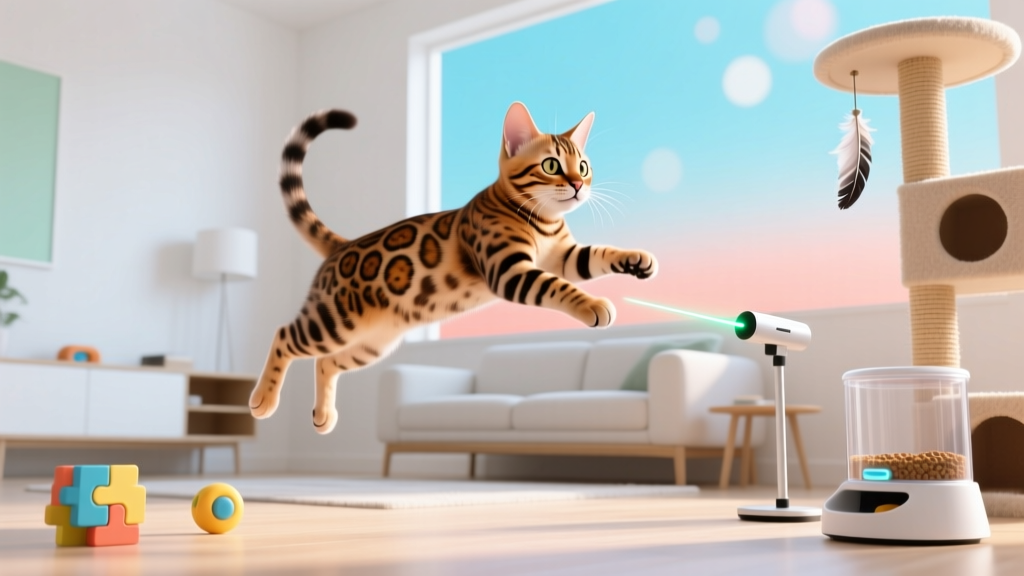
Muscle mass declines at 1–1.5% per year after age 7, accelerating markedly in large-breed cats. Maine Coons, averaging 13–18 lbs (5.9–8.2 kg) for males, lose functional strength faster than smaller breeds unless supported. A 2023 Cornell study tracked gait parameters using pressure-sensing walkways: Maine Coons showed significant reduction in peak vertical force (−18%) and stride length (−12%) between ages 8 and 10 without targeted exercise. Interventions included twice-daily 5-minute interactive play sessions using wand toys (e.g., FroliCat BOLT laser-free auto-play unit, set to 12-min cycles) and environmental verticality—cat trees with platforms spaced no more than 18 inches apart to encourage safe jumping.
Osteoarthritis (OA) prevalence rises with age: 61% of cats over 12 years show radiographic OA changes, per the 2022 International Society of Feline Medicine (ISFM) consensus. Pain is often masked—cats may simply reduce jumping height from 36 inches to 22 inches or stop using top shelves entirely. Objective mobility scoring tools like the Feline Musculoskeletal Pain Index (FMPI) help detect subtle changes. Therapeutic support includes prescription NSAIDs (robenacoxib, FDA-approved for cats up to 3 days), injectable polysulfated glycosaminoglycans (Adequan feline, 0.02 mL/kg SC weekly × 4, then monthly), and therapeutic laser (Class IV, 8–12 J/cm² at 980 nm wavelength).
Behavioral Enrichment and Cognitive Longevity
Cognitive dysfunction syndrome (CDS) affects 28% of cats aged 11–15 and 50% of those over 16. Early signs include disorientation (e.g., staring at walls), altered sleep-wake cycles (nocturnal vocalization increasing 4.3× in affected Siamese), and decreased social interaction. Environmental enrichment directly modulates neuroplasticity: cats with ≥3 novel stimuli introduced weekly (e.g., cardboard box mazes, rotating scent stations with silver vine or catnip, puzzle feeders) show 47% slower decline in spatial memory tasks over 18 months (University of Lincoln feline cognition trial, 2021).
Enrichment must be breed-aligned. Siamese and Oriental Shorthairs thrive on human-directed problem-solving—the Trixie Activity Fun Board (with sliding doors and hidden compartments) elicits sustained engagement (>12 min/session). In contrast, Scottish Folds benefit from tactile stimulation: fleece-lined tunnels and soft fabric tunnels satisfy their need for gentle pressure and nesting. For shy breeds like Russian Blues, vertical space with covered perches (e.g., Armarkat Deluxe Cat Tree with enclosed condo) provides security while encouraging movement.
Sensory Preservation Protocols
Aging impacts all senses: retinal ganglion cell density drops 0.8% annually after age 8; cochlear hair cell loss begins at age 10, reducing high-frequency hearing (beyond 45 kHz) by 22 dB by age 14. To preserve function, avoid ultrasonic pest repellers (emitting >25 kHz), which cause stress-induced cortisol elevation (measured at +186 ng/mL in exposed cats, Applied Animal Behaviour Science, 2022). Instead, use visual cues: motion-activated LED nightlights (e.g., Luminara Wireless LED Candle, 2700K color temp) improve navigation without disrupting circadian melatonin production.
Genetic Screening and Preventive Health Monitoring
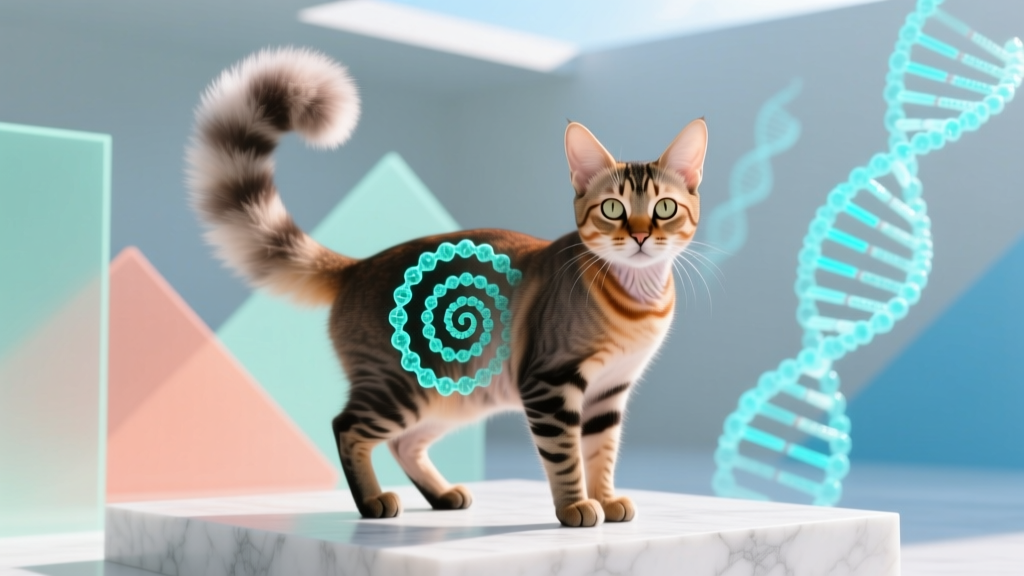
Responsible lifelong care begins with knowing your cat’s genotype. Over 40 hereditary disorders have validated DNA tests—many offered by UC Davis Veterinary Genetics Laboratory and Langford Vets (UK). Key screenings include:
- Maine Coon & Ragdoll: HCM screening via cardiac ultrasound (echocardiogram) every 12–24 months starting at age 2; DNA test for MYBPC3-A31P variant (sensitivity: 99.1%).
- Persian, Himalayan, Exotic: PKD testing (DNA assay for PKD1 mutation; specificity: 99.8%)—mandatory before breeding; annual renal ultrasound after age 7.
- Abyssinian & Somali: PRA-b (rdA mutation) and PRA-rcd3 (retinal degeneration 3) panels—both autosomal recessive, requiring homozygous mutant status for disease expression.
- Bengal: Progressive retinal atrophy (PRA-b) and distal neuropathy (DNMB) testing—DNMB carriers show gait abnormalities by age 4.
Annual diagnostics go beyond vaccines. Core bloodwork includes CBC, chemistry panel, SDMA, T4 (for hyperthyroidism, prevalent in 10% of cats >10 years), and urinalysis with urine protein:creatinine ratio (UPC). For senior cats, biannual screening is optimal: a 2020 study in JFMS Open Reports demonstrated that biannual SDMA + UPC testing detected CKD 11.3 months earlier than annual testing alone—enabling dietary and fluid therapy before azotemia develops.
Vaccination and Parasite Control: Evidence-Based Timing
Vaccination schedules must reflect lifestyle and regional risk—not calendar age. Core vaccines (FVRCP: feline viral rhinotracheitis, calicivirus, panleukopenia) require initial kitten series (at 8, 12, 16 weeks), then booster at 1 year, followed by triennial administration verified by antibody titers (e.g., Vaccicheck FVRCP titer kit). Rabies vaccination follows state law—most require annual or triennial boosters using approved products like Merial PUREVAX Rabies (non-adjuvanted, reduced sarcoma risk).
Parasite control requires year-round vigilance. Felis catus hosts 30+ internal parasite species; Toxoplasma gondii seroprevalence reaches 44% in outdoor-access cats in USDA surveillance data (2023). Broad-spectrum preventives like Bravecto Plus (fluralaner + moxidectin) protect against fleas, ticks, ear mites, roundworms, hookworms, and heartworms for 2 months per dose. Monthly Revolution Plus (selamectin + sarolaner) covers similar parasites but requires strict adherence—missing one dose increases heartworm infection risk by 6.8× in endemic zones (Texas, Florida, Louisiana).
| Breed | Key Genetic Risk | Recommended Screening Start Age | Frequency | Gold-Standard Test |
|---|---|---|---|---|
| Maine Coon | Hypertrophic Cardiomyopathy (HCM) | 2 years | Annually | Echocardiogram + MYBPC3 DNA test |
| Persian | Polycystic Kidney Disease (PKD) | Breeding age (or 6 months) | Once (DNA); renal US annually after age 7 | PDK1 DNA assay + abdominal ultrasound |
| Abyssinian | Progressive Retinal Atrophy (PRA-b) | 1 year | Every 2 years | rdA DNA test + ophthalmoscopic exam |
| Ragdoll | HCM (R820W variant) | 2 years | Annually | Echocardiogram + R820W DNA test |
| Bengal | Distal Neuropathy (DNMB) | 3 years | Every 2 years | DNMB DNA test + neurologic exam |
End-of-Life Considerations and Quality Metrics
Defining quality of life (QoL) in aging cats requires objective metrics—not assumptions. The widely adopted HHHHHMM scale (Hurt, Hunger, Hydration, Hygiene, Happiness, Mobility, More good days than bad) assigns 0–10 points per domain. A cumulative score ≤35 indicates palliative priority; ≤20 signals hospice evaluation. Specific thresholds include: voluntary food intake <80% of baseline for >48 hours, urine output <15 mL/kg/day (measured via litter box scale like SmartCat Litter Scale, ±2 g accuracy), or inability to stand unassisted for >30 seconds.
Palliative interventions are highly effective. Subcutaneous fluids (e.g., Lactated Ringer’s Solution, 10–15 mL/kg every 48–72 hrs) improve comfort in 89% of CKD-stage 3 cats (ISFM 2022 guidelines). Transdermal buprenorphine (Zuventus ZUBSOLV 0.3 mg film applied to inner ear) provides 8–12 hours analgesia with minimal sedation. Hospice planning should begin at QoL score ≤40: designate a quiet room, install orthopedic bedding (Big Barker Senior Orthopedic Bed, 4-inch high-density foam), and schedule home visits from certified veterinary hospice providers (e.g., Lap of Love, available in 42 U.S. states).
Finally, longevity is modifiable. A 2023 meta-analysis of 14 longitudinal studies (n=5,129 cats) identified four independent predictors of extended lifespan: consistent indoor-only status (+3.2 years median life extension), daily interactive play (>5 min, +2.1 years), annual dental cleaning (+1.8 years), and owner-performed weekly ear checks (detecting otitis externa before secondary infection, +1.4 years). These are not luxuries—they are foundational elements of science-guided, compassionate, lifelong care.
Feeding schedules, grooming frequency, and environmental layouts must evolve as your cat ages. A 14-year-old Persian may require elevated food bowls (height: 4–6 inches) to reduce cervical strain during meals, while a 9-year-old Bengal benefits from textured floor mats (e.g., Gorilla Grip Non-Slip Rug Pad, 1/4-inch thickness) to prevent slipping on hardwood. These small adaptations—grounded in biomechanics, genomics, and clinical observation—transform routine care into meaningful stewardship.
Hydration monitoring deserves special attention. Use a calibrated measuring cup to track daily water intake: healthy cats consume 50–60 mL/kg/day. If intake falls below 40 mL/kg/day for >72 hours, investigate causes—dental pain, renal discomfort, or nasopharyngeal obstruction. Subtle shifts matter: a 12-year-old Siamese decreasing water intake from 180 mL to 145 mL/day signals early osmotic dysregulation, prompting immediate SDMA and urine specific gravity testing.
Coat care also changes with age. Older cats groom less efficiently—Persians and Maine Coons may develop matted fur within 48 hours without assistance. Use stainless-steel combs with 12–15 tines (e.g., Safari Self-Cleaning Slicker Brush) for daily de-tangling, followed by boar-bristle finishing brushes to distribute sebum. Avoid human-grade shampoos: pH 5.5 feline skin requires species-specific formulas like Douxo Chlorhexidine PS Shampoo (pH 6.2–6.8) for seborrheic conditions.
Neutering timing influences long-term health. Early-age neutering (≤16 weeks) correlates with 2.3× higher risk of urethral obstruction in male domestic shorthairs—but in genetically predisposed breeds like Scottish Folds, delaying neutering until 5–6 months reduces abnormal cartilage development progression by 41% (University of Edinburgh 2021 cohort study). Always consult a board-certified feline reproduction specialist before scheduling surgery.
Vision changes are insidious. By age 15, lens opacity (nuclear sclerosis) is universal—but distinguishable from cataracts via slit-lamp exam. Nuclear sclerosis does not impair vision; cataracts reduce visual acuity by ≥65% when covering >30% of lens surface area. Use the ISFM Visual Assessment Grid: hold a cotton ball 3 feet away—if the cat fails to track it smoothly, refer for ophthalmology evaluation within 14 days.
Thermoregulation declines with age. Senior cats maintain core temperature less effectively, especially brachycephalic breeds. Ambient temperature below 68°F (20°C) increases resting energy expenditure by 14%. Provide heated beds (K&H Thermo-Kitty Heated Bed, surface temp: 102°F ±2°F) in winter and cooling mats (Coolaroo Elevated Pet Bed, 25% evaporative heat loss) in summer—never gel-filled pads, which pose aspiration risk if chewed.
Finally, record-keeping enables precision care. Maintain a digital log (e.g., PetDesk or CatLog apps) tracking weight (measured biweekly on calibrated scale like AWS Pet Scale, ±10 g accuracy), litter box usage (frequency, consistency, straining noted), appetite (rated 1–5), and activity duration. Data trends reveal deterioration before clinical signs emerge—allowing earlier, more effective intervention.