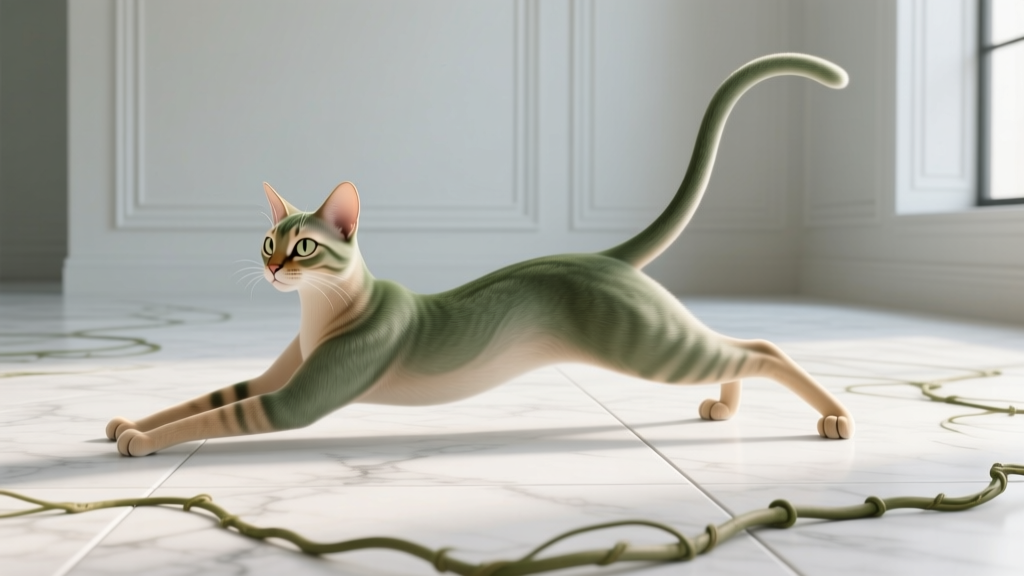
Vine Cat: Flexible Agile Body Breed Type
If you’ve ever watched a cat pour itself off a sofa like warm honey, twist midair to land silently, then thread through chair legs as if it’s made of rope—your heart already understands the “Vine Cat” vibe. The Vine Cat isn’t a formally recognized pedigree in most registries; it’s a beloved breed type cat lovers use to describe a very specific look and movement: long, bendy, spring-loaded, and endlessly athletic.
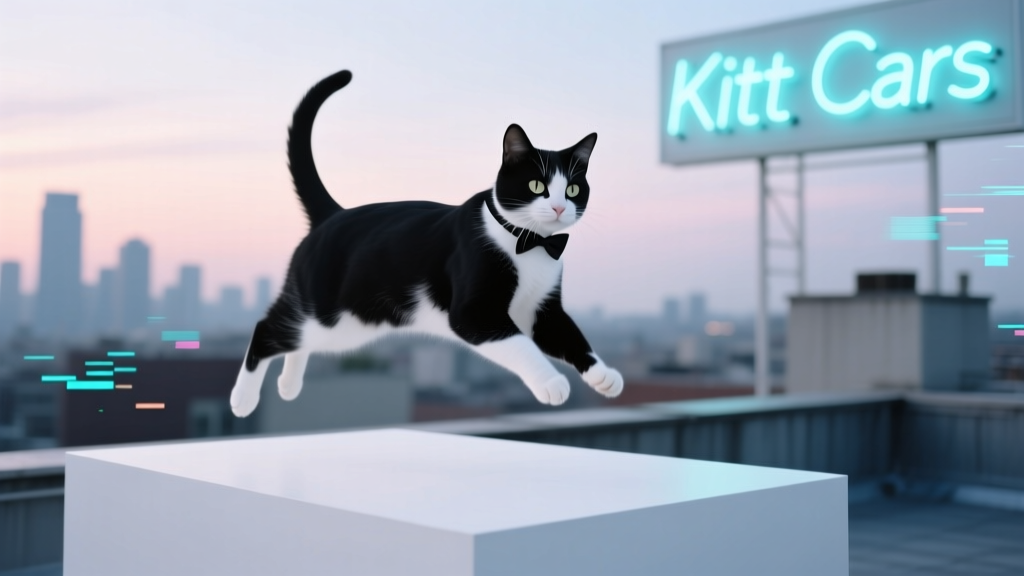
Think of the Vine Cat as the feline version of a parkour artist—sleek, flexible, and always finding a higher perch. These cats show up most often among domestic shorthairs and domestic longhairs, as well as in naturally lithe breeds like Siamese-type mixes, Oriental-type cats, and other svelte, long-bodied lines. If you’re researching a “flexible agile body” cat for your home, this guide will help you recognize the Vine Cat style, understand what life with one is like, and decide whether this super-supple companion matches your household.
From their whip-like tails and long legs to their curious, high-energy minds, Vine Cats are unforgettable. They’ll keep you laughing, keep you moving, and—if you let them—keep you company from the top of the bookshelf.
Breed History and Origin
The Vine Cat isn’t a single, standardized breed with an official origin story. Instead, it’s a descriptive term that cat enthusiasts use for cats with a long, slender, highly flexible body type and an athletic, “elastic” way of moving. This body style appears across many populations and has likely existed for as long as cats have lived alongside humans.
So where does the Vine Cat type come from?
- Natural selection and hunting ability: A lean, agile body supports speed, jumping, climbing, and tight turns—useful traits for cats living as hunters.
- Regional influences and landrace cats: In various regions, naturally slender “sighthound-like” cats developed based on climate and available prey. Hot climates can favor lighter, longer-limbed animals that dissipate heat efficiently.
- Outcrossing and mixed heritage: Many Vine Cats are mixed-breed domestic cats who inherited a long torso, narrow chest, and long limbs from ancestors with similar builds.
- Similarities to recognized breed types: The “oriental” or “foreign” body type seen in Siamese/Oriental Shorthair lines showcases the same lithe outline and long, fine bone structure often associated with Vine Cats.
In short: the Vine Cat is less about paperwork and more about a recognizable, cat-lover-celebrated physical and behavioral package—a flexible agile body breed type that feels like living with a friendly little acrobat.
Physical Characteristics
Vine Cats stand out the moment they stretch. Their lines look long and continuous—neck into shoulders into torso into tail—like a living ribbon. Even at rest, they often look “coiled,” ready to spring.
| Trait | Typical Vine Cat Profile |
|---|---|
| Size | Small to medium (occasionally medium-large if very long-bodied) |
| Weight | 6–12 lb (2.7–5.4 kg), with some athletic males reaching 13–14 lb while staying lean |
| Body Shape | Long, slender, very flexible; fine to moderate bone; tucked waist |
| Legs & Paws | Long legs; small to medium oval paws; quick, precise footwork |
| Tail | Long, whippy, expressive; often used for balance when climbing |
| Coat | Most common: short, sleek coat; also seen in semi-longhair “feathery” coats |
| Shedding | Low to moderate (varies by coat length and season) |
Coat and Colors
Because Vine Cat is a body type rather than a single pedigree, coat colors and patterns span the full cat rainbow. You may see:
- Solid colors: black, white, blue/gray, cream, chocolate (in some lines)
- Tabby patterns: classic, mackerel, spotted, ticked
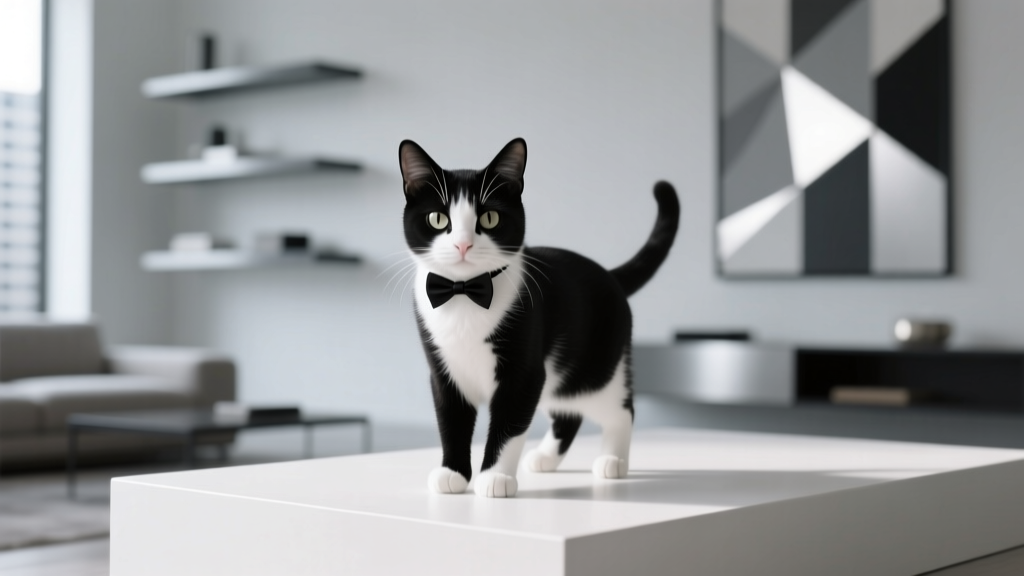
- Bicolor and tuxedo: crisp white markings are common in domestic lines
- Colorpoint patterns: more likely in Siamese-type mixes (seal point, blue point, etc.)
- Tortoiseshell and calico: especially in females
Distinctive Features
- “Accordion” stretch: a dramatic ability to lengthen and fold themselves into improbably small spaces
- High agility: effortless vertical jumping and narrow-balance beam walking
- Fine, sleek silhouette: often looks lean even when healthy (muscle is long and defined)
- Alert expression: ears often appear large relative to the head; eyes tend to look bright and curious
Personality and Temperament Traits
Most Vine Cats are interactive, curious, and busy. Their bodies are built for movement, and their minds usually match. They’re the cats who learn the household routine fast—then invent a few routines of their own.
Common Vine Cat temperament traits include:
- Playfulness that lasts: many stay kittenish well into adulthood
- Climber instincts: they feel happiest when they can get up high and observe
- People interest: often “supervisors” who follow you from room to room
- Quick learners: puzzle toys, clicker training, and routines make them shine
- Chatty tendencies: some are quiet, but many agile, oriental-type cats are conversational
They’re not always couch-potato snugglers (though some absolutely are), but they commonly show affection through proximity—perching nearby, touching you with a paw, or curling up close after they’ve gotten their zoomies out.
Health Considerations and Common Issues
Because Vine Cats are often mixed-breed domestics, they can benefit from the genetic diversity that comes with a broader gene pool. Still, their body type and high activity level bring a few common-sense considerations.
- Joint and soft tissue strains: Athletic cats can overdo leaps or misjudge a landing. Provide stable climbing structures and discourage risky jumps from slippery surfaces.
- Dental disease: Very common in cats generally. Regular brushing and dental checkups matter.
- Digestive sensitivity: Some lean, high-energy cats do better on consistent diets without sudden food changes.
- Stress-related behaviors: Smart, active cats can develop nuisance behaviors if bored (night zoomies, counter surfing, curtain climbing).
- Breed-linked concerns (if lineage suggests it): If your Vine Cat resembles Siamese/Oriental types, ask your vet about screening for issues seen in those lines (varies widely by ancestry).
Healthy Vine Cat baseline: You should be able to feel ribs under a light padding, see a defined waistline, and notice firm muscle along the shoulders and thighs. Many Vine Cats look slim by design—your vet can confirm whether their weight is ideal.
Care Requirements (Grooming, Exercise, Diet)
Grooming
Grooming needs depend mostly on coat length, not the Vine Cat body type.
- Shorthaired Vine Cat: Brush once weekly to remove loose hair and keep the coat glossy.
- Longhaired/semi-longhaired Vine Cat: Brush 2–4 times weekly, focusing on friction areas (behind ears, belly, underarms).
- Nails: Trim every 2–4 weeks—these cats climb, and sharp nails plus curtains is a classic Vine Cat combo.
- Ears: Check weekly; clean only if debris is present and your vet approves the method.
- Teeth: Brush several times a week (daily is gold-standard). Dental treats can help, but they’re not a full replacement.
Exercise and Enrichment
If you love an active, engaged cat, the Vine Cat breed type will feel like a dream. If you want a calm, low-energy companion, you’ll need to plan enrichment carefully.
Best outlets for Vine Cat energy:
- Vertical territory: tall cat trees, wall shelves, window hammocks
- Interactive play: wand toys, chase games, kicker toys (two short sessions daily is a great start)
- Hunting-style feeding: puzzle feeders, treat balls, scattered kibble games
- Training: clicker basics (sit, high-five, touch), harness training for safe outdoor time
Pro tip: A Vine Cat without a climbing plan will create one. Give them approved routes and you’ll save your bookcases and your sanity.
Diet
Vine Cats often have fast metabolisms and high daily movement. They do best on a high-quality, high-protein diet that supports lean muscle.
- Protein-forward nutrition: prioritize animal-based proteins as the main ingredients
- Portion control: athletic cats can still gain weight if overfed—measure meals and adjust by body condition
- Wet food benefits: can support hydration (many cats don’t drink enough water)
- Multiple small meals: helps some active cats maintain steady energy and reduces begging
Ask your veterinarian for a feeding plan tailored to age, activity, and any medical needs. Kittens and young Vine Cats in particular can burn through calories quickly.
Compatibility with Families, Children, and Other Pets
Vine Cats usually thrive in homes where someone appreciates their athletic antics and will play with them daily. They can be wonderful family cats with the right setup.
- With children: Generally great with respectful kids. Teach children not to grab, chase, or interrupt a resting cat. Vine Cats tend to prefer interactive play over being carried around.
- With other cats: Often social, especially when introduced slowly. Pairing with another playful cat can prevent boredom.
- With dogs: Many do well with cat-savvy, calm-to-playful dogs. Provide escape routes and vertical safe zones.
- With small pets: Use caution. Their prey drive can be strong; secure housing for birds, rodents, and reptiles is a must.
If your household is busy, offer predictable routines and quiet recharge spots. These cats enjoy action, but even the most energetic Vine Cat appreciates a calm “nap nest.”
Pros and Cons of Owning a Vine Cat
| Pros | Cons |
|---|---|
| Exceptionally agile, fun to watch, and often very playful | Can become mischievous or destructive when bored |
| Typically lean and athletic; great match for active households | Needs daily interactive play and vertical enrichment |
| Often smart and trainable (puzzles, clicker, harness) | May be too energetic for people wanting a low-key lap cat |
| Usually social and people-oriented | Can be vocal or attention-seeking, especially in chatty lines |
| Coat care is often easy (especially shorthaired types) | Longhaired Vine Cats may need frequent brushing |
FAQ: Vine Cat Breed Type
Is the Vine Cat an official cat breed?
No. “Vine Cat” is a descriptive term for a flexible, agile body type commonly seen in domestic cats and some slender, athletic breed lines. Your Vine Cat may be a domestic shorthair/longhair or a mix with oriental-type ancestry.
How can I tell if my cat is a Vine Cat type?
Look for a long, slim torso, long legs, a whippy tail, and an acrobatic movement style—plus a personality that loves climbing, jumping, and exploring. Many also have a narrow chest and an “always ready” athletic stance.
Do Vine Cats need more exercise than other cats?
Most do. Plan on at least two interactive play sessions daily plus climbing opportunities and puzzle toys. Without that outlet, they may invent their own entertainment (often on your counters).
Are Vine Cats cuddly?
Many are affectionate, but cuddling style varies. Some are devoted lap cats after playtime; others prefer to perch near you or sleep beside you rather than being held.
Are Vine Cats good for first-time cat owners?
They can be, as long as you enjoy an active cat and are willing to provide enrichment. If you want a calm, low-maintenance companion, a less high-energy cat might feel easier.
What’s the best home setup for a Vine Cat?
Think “cat playground”: tall cat tree, sturdy scratching posts, window perches, a few rotating toys, and safe vertical paths. A predictable routine plus daily play keeps them happy and sweet.
Warm Signoff
The Vine Cat flexible agile body breed type is pure feline magic: a sleek little athlete with a curious heart and a talent for turning ordinary furniture into an obstacle course. If you can offer vertical space, daily play, and plenty of love, a Vine Cat will reward you with companionship, comedy, and the most impressive stretches you’ve ever seen.
Want to meet more amazing cats—from rare pedigrees to beloved domestic types? Explore more breed profiles on catloversbase.com and find the feline that fits your life perfectly.