Scottish Fold: Ear Health and Care Essentials
The Folded Ear Gene
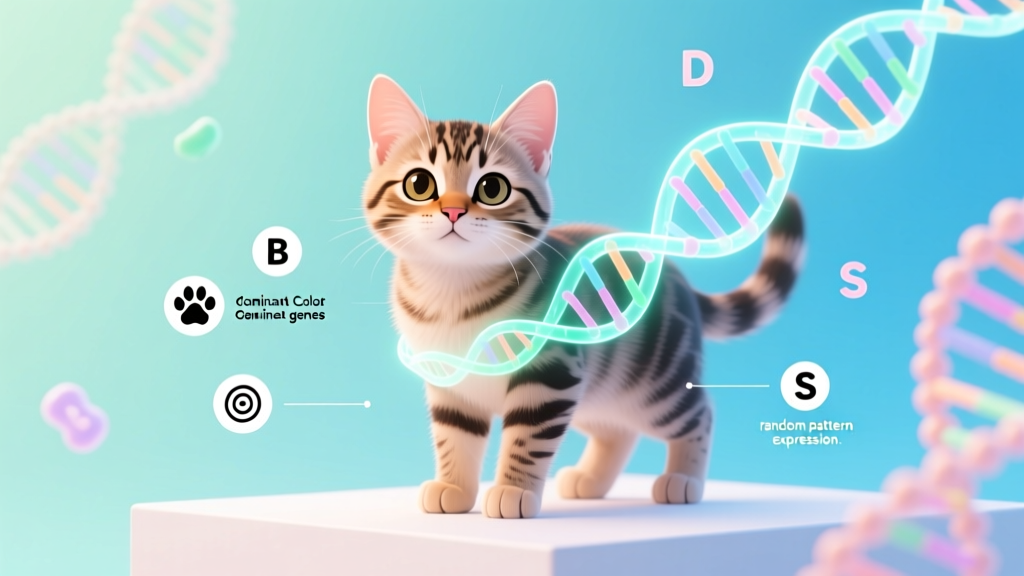
The distinctive folded ears result from a dominant gene affecting cartilage. Unfortunately, this same gene causes joint problems throughout the body.
Osteochondrodysplasia
All Scottish Folds with folded ears develop some degree of bone and cartilage abnormalities. Symptoms include:
- Short, thick, inflexible tail
- Short, deformed legs
- Arthritis developing as early as 6 months
- Pain when handled or jumping
Ethical Concerns
Many veterinary organizations oppose breeding Scottish Folds due to inevitable health problems. Some countries have banned the breed.
Care for Existing Scottish Folds
If you own a Scottish Fold, prioritize pain management. Regular vet checks, joint supplements, and weight control help maintain quality of life.
Ear Care
Folded ears trap wax and debris. Clean weekly with vet-approved solution. Watch for signs of infection: odor, redness, or discharge.
Personality
Despite health issues, Scottish Folds are sweet, adaptable cats. They enjoy being near people and adapt well to apartment living.
Alternatives
If you love the round-faced look, consider British Shorthairs. They have similar appearance without the cartilage gene mutation.