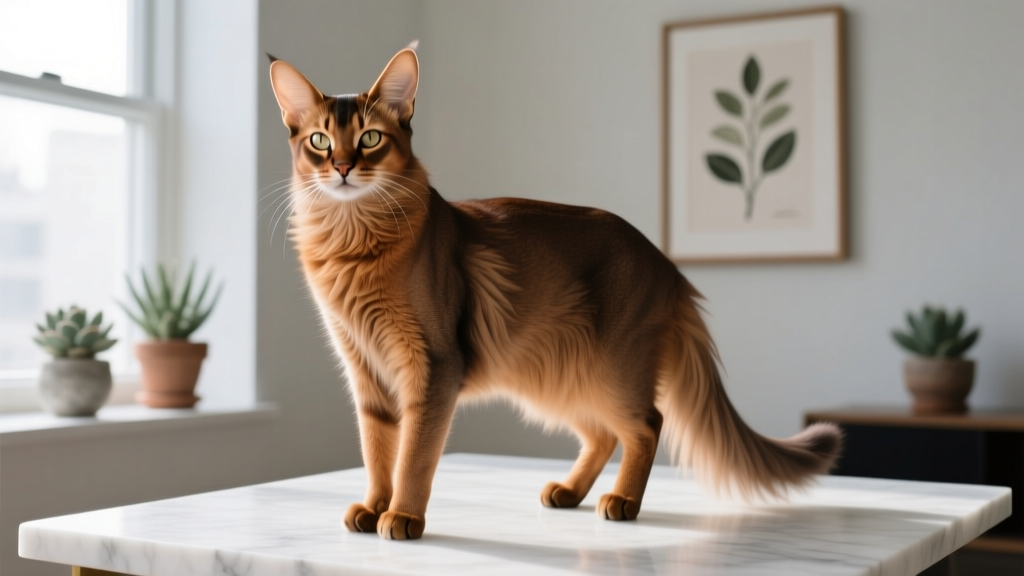
Somali Cat: Long-Haired Abyssinian Beauty
If you’ve ever wished the sleek, sparkling look of an Abyssinian came with a little more fluff and a lot more tail, you’re going to fall hard for the Somali cat. With their fox-like plumes, warm ticked coats, and bright, curious eyes, Somalis have a way of turning a casual glance into full-on admiration.
This is a breed that doesn’t just look wild and radiant—it acts like it, too. Somali cats are athletic, clever, and delightfully “involved” in whatever you’re doing. They’re the kind of companion who follows you from room to room, supervises chores, and turns everyday life into a playful adventure.
For cat enthusiasts, potential owners, and breed researchers, the Somali offers a fascinating mix: a rich history tied to the Abyssinian, a truly distinctive coat, and a personality that feels equal parts best friend and mischievous sprite.
Breed History and Origin
The Somali cat is often described as the long-haired Abyssinian—and that’s not just marketing. The breed traces directly back to Abyssinians that carried a recessive longhair gene. When two carriers were bred, some kittens in the litters were born with longer coats and bushier tails.
For years, these long-haired kittens were sometimes considered “unexpected” in Abyssinian breeding programs. Over time, however, their beauty became impossible to ignore. Dedicated breeders began developing them into a distinct breed, and the name “Somali” was chosen as a nod to the Abyssinian’s association with the region historically linked with Abyssinia (modern-day Ethiopia). Somalia lies nearby, making the name a fitting, complementary pair.
Recognition came gradually as breeders refined type and coat quality. Today, the Somali cat is celebrated worldwide for bringing together the Abyssinian’s legendary ticked pattern with a semi-longhaired, plush, glowing coat.
Physical Characteristics
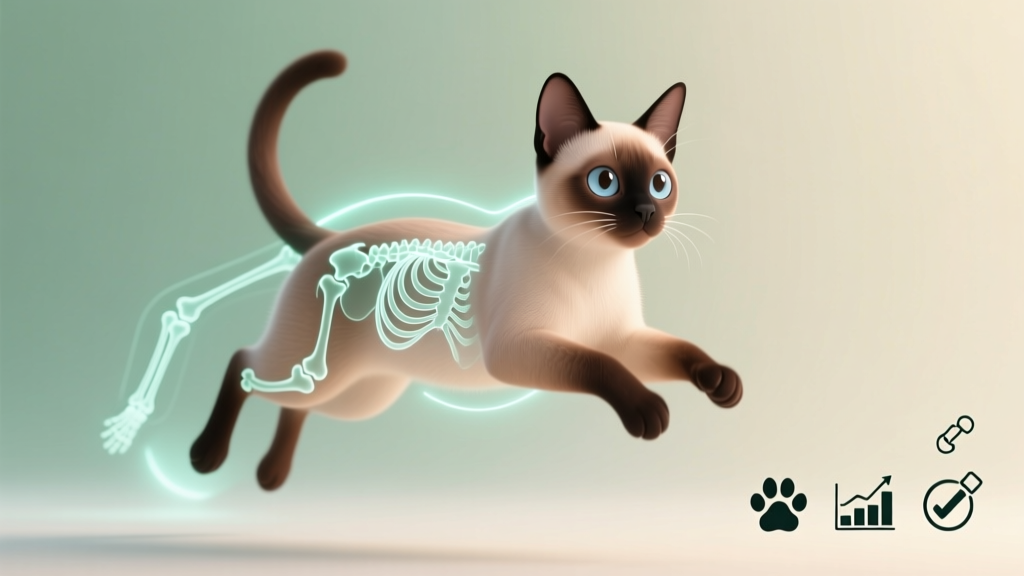
The Somali is a medium-sized cat with a lithe, muscular build—made for leaping, sprinting, and climbing. Everything about them suggests motion: alert ears, expressive eyes, and that iconic, full bottle-brush tail.
| Feature | Somali Cat Details |
|---|---|
| Size | Medium |
| Weight | Typically 6–12 lbs (females often smaller, males often larger) |
| Build | Athletic, slender, muscular; graceful lines |
| Coat Length | Semi-longhair; soft and fine with noticeable ruff and britches |
| Coat Pattern | Ticked coat (each hair banded with multiple colors) |
| Eyes | Large, almond-shaped; commonly gold, green, hazel |
| Tail | Long, very bushy (“fox tail” look) |
Coat, Colors, and That Famous “Glow”
Somali cats are prized for their ticked tabby look—often called “agouti ticking.” Rather than having bold stripes or spots, each hair is banded with alternating light and dark color, creating a shimmering effect as they move.
Common Somali cat colors (names can vary slightly by registry) include:
- Ruddy (warm brown with black ticking; the classic Somali look)
- Red/Sorrel (cinnamon-toned warmth with rich ticking)
- Blue (soft slate-blue ticking with a cool, misty tone)
- Fawn (pale, creamy beige tones with delicate ticking)
Distinctive features you’ll often notice right away:
- A subtle ruff around the neck and a fluffy coat along the spine
- “Britches” (longer fur on the hind legs)
- Dark “eyeliner” markings that make the eyes look extra dramatic
- A bright, alert expression that screams curiosity
Personality and Temperament Traits
If you’re looking for a cat who lounges all day and keeps to themselves, the Somali cat may not be your match. Somalis are playful, interactive, and famously people-oriented—without being overly clingy. They like affection, but they also love action.
Many Somali cat owners describe them as:
- High-energy and always ready for a game
- Smart—quick to learn routines, puzzle toys, and even tricks
- Curious, with a talent for being “where the interesting stuff is”
- Social, often following their favorite humans around the house
- Gentle, typically not aggressive, but definitely enthusiastic
Somalis often prefer being near you rather than pinned down in your lap for hours. Expect a companion who perches close by, checks in often, and participates in family life like they have a tiny supervisor badge.
Health Considerations and Common Issues
Somali cats are generally healthy when sourced from responsible breeders who prioritize genetic testing and sound temperaments. Like many purebred cats, though, they can be predisposed to certain conditions. Regular veterinary care and choosing a reputable breeder make a big difference.
Potential health concerns seen in Somalis and related Abyssinian lines can include:
- Dental disease (tartar buildup and gum issues): routine dental care is a must
- Patellar luxation: kneecap instability that may range from mild to serious
- Progressive retinal atrophy (PRA): an inherited eye condition; responsible breeders test breeding cats
- Pyruvate kinase (PK) deficiency: an inherited condition affecting red blood cells; DNA testing is available
- Amyloidosis (reported in Abyssinians and can appear in related lines): can affect organs like kidneys; good breeder screening and vet monitoring matter
Ask breeders about health screening for PRA and PK deficiency, and request documentation when available. For owners, keeping up with dental cleanings, maintaining a lean body condition, and scheduling regular wellness checks are the best everyday protections.
Care Requirements (Grooming, Exercise, Diet)
Grooming
Even though the Somali is a long-haired Abyssinian type, the coat is typically fine and not as prone to heavy matting as some very dense longhair breeds. Still, that gorgeous tail and ruff look their best with routine care.
- Brushing: 1–2 times per week; increase during seasonal shedding
- Comb check: focus on the “britches,” belly, and behind the ears
- Nails: trim every 2–4 weeks
- Teeth: frequent brushing at home if possible; dental treats can help, but don’t replace brushing
- Bathing: only as needed; many Somalis keep themselves very clean
Exercise and Enrichment
Somalis thrive when they can climb, chase, and explore. A bored Somali can become a creative troublemaker—opening cabinets, “redecorating” shelves, or inventing games that involve your most fragile items.
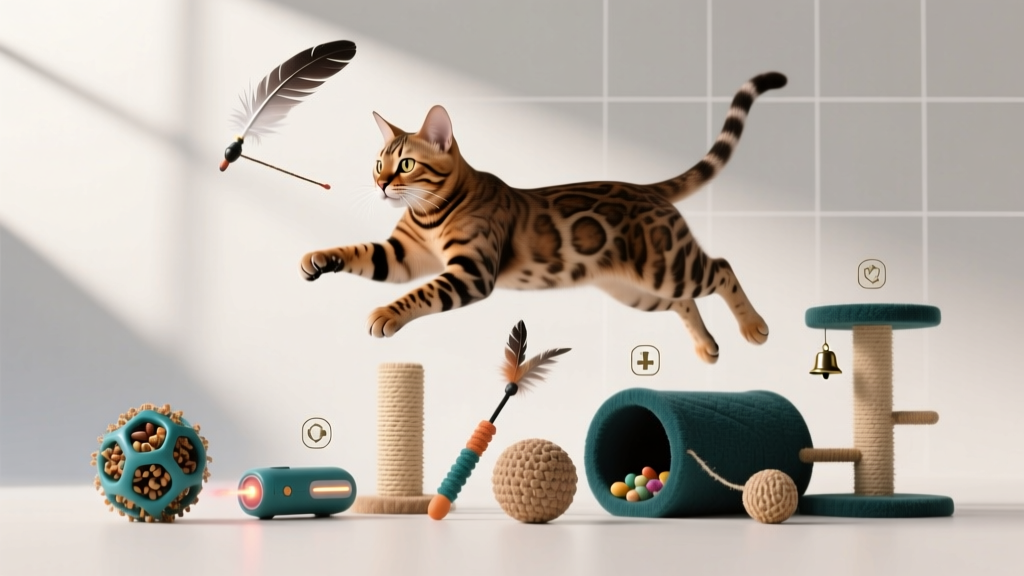
Plan on daily interactive play and vertical space. Great options include:
- Tall cat trees and wall shelves (vertical territory is a big deal)
- Feather wand sessions and chase toys
- Puzzle feeders and treat balls
- Clicker training (many Somalis love it)
- Safe outdoor time in a catio or harness training (only with supervision)
Diet
Feed a high-quality, balanced diet appropriate for your cat’s life stage (kitten, adult, senior). Somalis are athletic, but they can still gain weight if calories exceed activity—especially in indoor-only homes without enough play.
- Protein-forward nutrition: look for named animal proteins as primary ingredients
- Portion control: measured meals help prevent “free-feeding creep”
- Hydration: many cats drink more with a water fountain; wet food can boost moisture intake
- Treats: keep them modest—use treats for training and bonding
Compatibility with Families, Children, and Other Pets
The Somali cat is often a wonderful fit for active households. They enjoy attention, play well, and usually prefer not to be left alone for long stretches without entertainment.
- Families: Excellent for families who want an engaged, playful companion
- Children: Often great with respectful kids who understand gentle handling
- Other cats: Typically sociable; they often enjoy a feline playmate with similar energy
- Dogs: Can do well with cat-savvy dogs and proper introductions
Because Somalis are clever and confident, slow introductions and positive reinforcement go a long way. Many Somalis also appreciate having “their own” high perch or quiet retreat when they want downtime.
Pros and Cons of Owning a Somali Cat
| Pros | Cons |
|---|---|
| Stunning ticked coat with a plush, fox-like tail | High energy; needs daily play and mental stimulation |
| Smart, trainable, and fun to interact with | Can get bored and mischievous without enrichment |
| Affectionate and people-oriented (often follows you around) | Not always a “lap cat” for long cuddle sessions |
| Usually social with other pets when introduced properly | May struggle in homes where they’re alone for long hours |
| Grooming is manageable for a semi-longhaired breed | Potential hereditary issues mean breeder selection really matters |
FAQ: Somali Cat Basics
Are Somali cats truly long-haired Abyssinians?
Yes—Somalis are essentially the long-haired counterpart to the Abyssinian. They share the same signature ticked pattern, body type, and lively temperament, with a semi-long coat and fuller tail.
Do Somali cats shed a lot?
They shed moderately, often more during seasonal coat changes. Weekly brushing usually keeps loose hair under control and helps prevent small tangles in areas like the hindquarters and belly.
Are Somali cats good indoor cats?
They can be excellent indoor cats as long as they get enough exercise and enrichment. Cat trees, interactive play, puzzle toys, and window perches help meet their need for activity and stimulation.
How big do Somali cats get?
Most adult Somalis fall in the 6–12 lb range. They’re medium-sized but very athletic, so they often look sleek and substantial without being bulky.
Do Somali cats get along with other pets?
Many Somalis do well with other cats and cat-friendly dogs, especially when introduced slowly. Their playful nature often makes them a great match for another energetic pet.
What’s the best way to find a healthy Somali kitten?
Look for a reputable breeder who prioritizes temperament and health testing (commonly including DNA testing for conditions like PRA and PK deficiency). Ask to see health documentation, meet the kitten’s parents when possible, and ensure kittens are raised in a home environment with good socialization.
A Warm Goodbye (and a Warning: You May Fall in Love)
The Somali cat brings together the best of both worlds: the refined, shimmering ticked coat of the Abyssinian and the plush drama of a semi-longhaired, fox-tailed showstopper. Add in their bright intelligence and playful devotion to their people, and it’s easy to see why so many cat lovers consider the Somali one of the most captivating breeds around.
If you’re ready for an energetic, interactive companion who will make you laugh, keep you company, and look spectacular doing it, the Somali might be your perfect match.
Want to compare personalities, grooming needs, and energy levels across more breeds? Explore more breed profiles on catloversbase.com and find the cat that fits your home and heart.