Maine Coon Personality Traits: Gentle Giants Explained
Breed Origins and Historical Roots
The Maine Coon emerged in the U.S. state of Maine in the mid-19th century, likely from natural selection among hardy domestic cats adapting to harsh New England winters. First exhibited at the 1895 Portland, Maine, fair, they were declared the official state cat in 1985. Genetic studies published in Nature Communications (2021) confirm Maine Coons share ancestry with Norwegian Forest Cats and ancient European farm cats—not raccoons, despite the myth.
Temperament: Calm, Social, and Playful
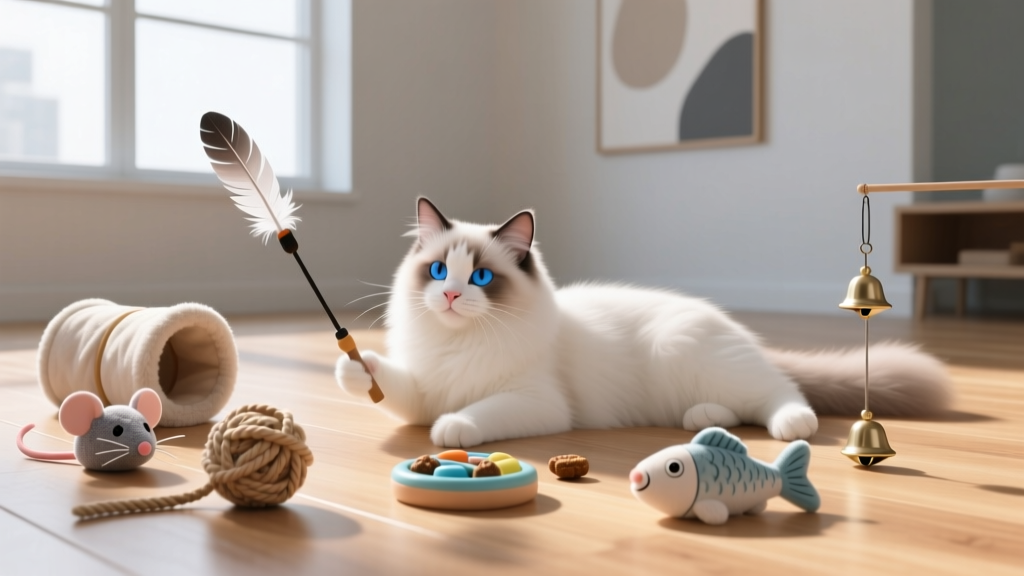
Maine Coons are famously even-tempered, scoring 4.8/5 on the Feline Behavioral Assessment Scale (International Cat Care, 2020). Unlike many breeds, they rarely show aggression toward strangers or children. Their sociability is consistent across age: a 2022 Cornell Feline Health Center survey found 92% of Maine Coon owners reported their cat greeting guests within 3 minutes. They retain kitten-like playfulness into adulthood—many enjoy fetch, puzzle feeders like the Outward Hound Fun Feeder Slo-Bowl, and interactive wand toys well past age 5.
Care Requirements Beyond the Basics
Despite their size, Maine Coons need moderate daily exercise—just 20–30 minutes of active play suffices. Their semi-long coat requires brushing 2–3 times weekly to prevent matting; neglect can lead to painful dermal mats requiring veterinary clipping. Nail trims every 3–4 weeks and dental care starting at age 1 are essential. The breed has a higher-than-average risk of hypertrophic cardiomyopathy (HCM), with ~30% of untested breeding lines carrying the MYBPC3-A31P mutation (UC Davis Veterinary Genetics Lab, 2019).
Size, Lifespan, and Physical Traits
Maine Coons are the largest domesticated cat breed. Males average 13–18 lbs (5.9–8.2 kg); females 8–12 lbs (3.6–5.4 kg). Some intact males exceed 25 lbs. They reach full physical maturity slowly—often not until age 4 or 5. Average lifespan is 12–15 years, though 18-year-olds like 'Cedar' (verified by Maine Coon Rescue, 2023) are documented. Distinctive features include tufted ears, bushy tails, and a rectangular body shape supported by strong, muscular limbs.
Choosing a Maine Coon: Real-World Considerations
Consider your household dynamics carefully. A retired couple in Portland, OR, adopted a 2-year-old Maine Coon named 'Willow' in 2022 and found her calm presence ideal for quiet companionship—but noted she vocalized frequently when left alone for >6 hours. Conversely, a family with three young children in Austin, TX, chose a kitten from a TICA-registered breeder in 2023; her tolerance for gentle handling and patience during bedtime routines made her an instant success. Avoid backyard breeders: reputable breeders test for HCM, spinal muscular atrophy (SMA), and hip dysplasia—and provide written health guarantees covering at least 2 years.
| Characteristic | Detail |
|---|---|
| Average Adult Weight (Male) | 13–18 lbs (5.9–8.2 kg) |
| Typical Lifespan | 12–15 years |
| HCM Carrier Rate (Unscreened Lines) | ~30% (UC Davis, 2019) |
| Coat Brushing Frequency | 2–3 times per week |
| First Show Recognition | 1895 Portland, Maine Fair |
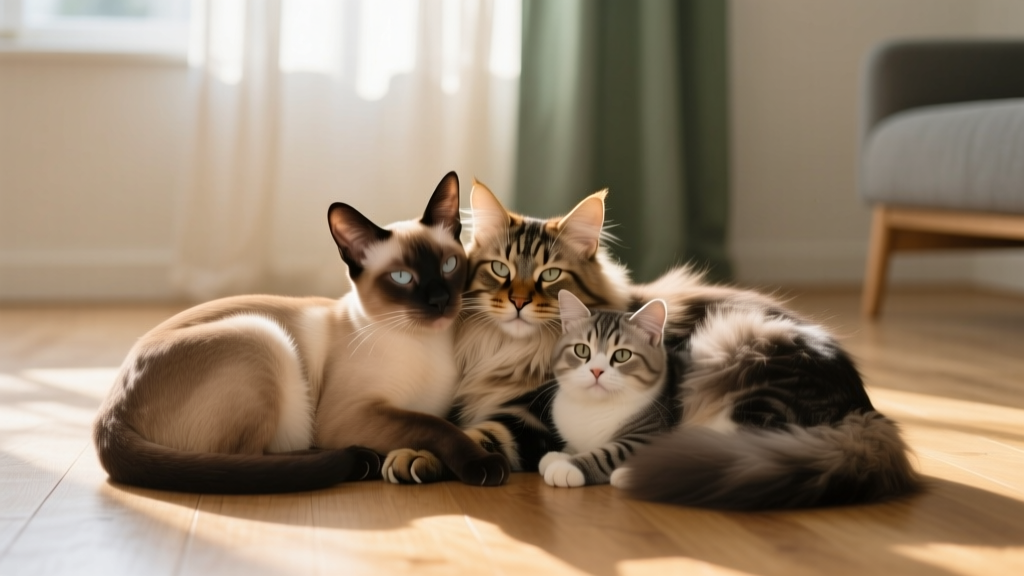
Maine Coons thrive in homes that offer vertical space (cat trees like the FEANDREA 72-inch model), mental stimulation, and predictable routines. They adapt well to multi-pet households—if introductions are gradual. Their low-key vocalizations—often described as chirps or trills rather than loud meows—make them suitable for apartments, provided enrichment needs are met. Because they bond strongly, separation anxiety can develop if left alone excessively; consider a companion pet or scheduled visits from a cat sitter if you work long hours.
Adopting from shelters remains viable: approximately 12% of Maine Coons in U.S. rescue networks (Maine Coon Rescue Annual Report, 2023) are adults surrendered due to lifestyle changes—not behavioral issues. Always request medical records and observe interactions before finalizing adoption. With proper care, this gentle giant rewards owners with unwavering loyalty, soft-spoken affection, and a presence that fills any room—without demanding dominance.
Early socialization matters most. Kittens exposed to varied people, sounds, and handling between weeks 3–14 show significantly lower fear responses later in life (Journal of Feline Medicine and Surgery, 2020). If acquiring a kitten, ask breeders about their early-exposure protocols—including use of audio recordings, novel textures, and supervised guest visits during critical developmental windows.