Turkish Van: The Swimming Cat Breed
If you’ve ever wished your cat would stop treating water like it’s lava, meet the Turkish Van—often called the “swimming cat.” This striking, athletic breed has a well-earned reputation for being more curious about water than most felines, and yes, some truly will wade in, splash, or even paddle if the mood strikes. Add a soft, cashmere-like coat and a bold, playful personality, and you’ve got a cat that tends to leave a lasting impression.
Turkish Vans aren’t just pretty faces with quirky habits. They’re intelligent, active companions with a strong sense of confidence and a dash of mischief. For cat lovers who enjoy an interactive pet—one who wants to be involved in daily life rather than simply observing from a windowsill—the Turkish Van can feel like a dream come true.
Whether you’re researching cat breeds, looking for a family-friendly cat, or simply fascinated by rare natural breeds, this Turkish Van cat profile will help you understand what makes the breed special—and whether this water-loving feline belongs in your home.
Breed History and Origin
The Turkish Van is a natural (not man-made) breed that originated in the rugged region around Lake Van in eastern Turkey. This area is known for its hot summers, cold winters, and dramatic landscape. Over time, local cats developed traits suited to the environment: strong bodies, quick reflexes, and a semi-long coat that adapts to seasonal changes.
Turkish Vans first gained widespread attention outside Turkey in the mid-20th century. In 1955, British photographers Laura Lushington and Sonia Halliday traveled through Turkey and encountered these distinctive cats. The story goes that a pair of cats they brought back to England displayed an unusual fascination with water—helping cement the breed’s watery legend. Breeding efforts in the UK and later the United States helped establish the Turkish Van in cat registries.
One detail that often gets mixed up: the Turkish Van is not the same as the Turkish Angora. They’re both Turkish cat breeds, but they differ in body type, coat texture, and classic markings. The Turkish Van is best known for its “Van pattern,” a hallmark look that’s instantly recognizable to breed enthusiasts.
Physical Characteristics
The Turkish Van is a medium-to-large cat with an athletic build and a distinctly powerful presence. They’re built for running, jumping, and climbing—and it shows the moment you see them move.
| Feature | Typical Turkish Van Traits |
|---|---|
| Size | Medium to large |
| Weight | Males: ~10–20+ lbs (4.5–9+ kg); Females: ~7–12 lbs (3–5.5 kg) |
| Body type | Muscular, sturdy, broad shoulders, strong legs |
| Coat length | Semi-longhair; often shorter in summer, fuller in winter |
| Coat texture | Soft, silky, cashmere-like; typically lacks a thick undercoat |
| Colors/pattern | Classic “Van pattern”: mostly white body with color on head and tail; many registries accept various colors in the pattern |
| Eyes | Often amber or blue; odd eyes (one blue, one amber) can occur |
| Distinctive features | Plumed tail, strong rear legs, broad chest, signature Van markings |
Coat, Colors, and the Famous Van Pattern
The Turkish Van coat is one of its most touchable traits—silky and surprisingly easy to maintain for a semi-longhaired cat. Because many Turkish Vans don’t have a dense undercoat, the fur tends to resist matting more than you’d expect.
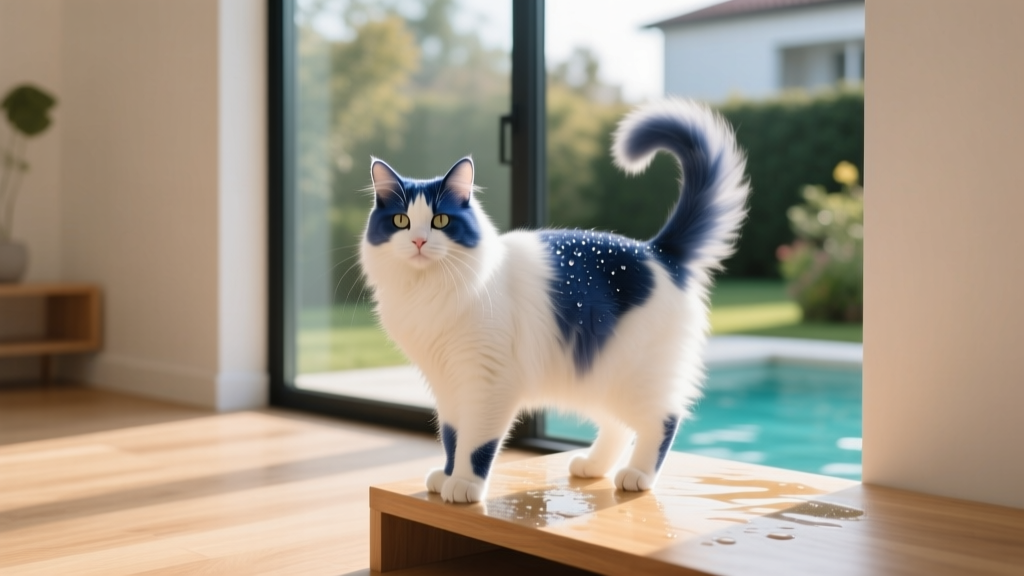
The classic Van pattern usually looks like this:
- A mostly white body
- Color concentrated on the head (often as two separate patches)
- A fully colored, ringed, or richly shaded tail
Depending on the cat association and lineage, the colored areas may appear in shades like red, cream, black, blue, tabby variations, and more—always in that distinctive “white body, colored head and tail” arrangement that Turkish Van cats are known for.
Personality and Temperament Traits
If you like cats with spark, you’ll probably adore the Turkish Van. This breed is confident, playful, and intensely curious. Many owners describe them as “busy” cats—always inspecting, climbing, chasing, or experimenting with what they can push off the counter (purely for science, of course).
Common Turkish Van temperament traits include:
- High intelligence: Quick learners who enjoy interactive toys and puzzle feeders.
- Playfulness that lasts: Many stay kittenish well into adulthood.
- Strong bonds: They often choose favorite people and like being near them—on their terms.
- Independence: Affectionate, but not always a constant lap cat.
- Love of height: Cat trees and shelving are practically mandatory.
And yes—the water fascination is real for many Turkish Vans. Not every individual will swim, but it’s common to see them pawing at running faucets, playing in water bowls, or investigating baths and showers like they own the place. If you’ve got a fountain-style water dispenser, a Turkish Van may treat it like their personal entertainment system.
Health Considerations and Common Issues
The Turkish Van is generally considered a healthy, robust breed, especially because it developed naturally rather than being heavily engineered for extreme features. Still, every breed has a few health notes worth knowing.
- Hypertrophic cardiomyopathy (HCM): A heart condition seen in many cat breeds. Reputable breeders may screen breeding cats with echocardiograms.
- Deafness risk in some white cats: Cats with a lot of white can have a higher incidence of congenital deafness. This is more often discussed in white cats with blue eyes, though it can vary by genetics and lines.
- Weight management: Their muscular build can hide extra pounds. An adult Turkish Van should feel solid and athletic, not soft or round.
For peace of mind, look for breeders who prioritize health testing, provide veterinary records, and raise kittens in a home environment. If adopting, ask for any medical history available and schedule a baseline vet visit early.
Care Requirements
Grooming
Despite the gorgeous semi-long coat, Turkish Van grooming is usually manageable. Their fur is soft and often less prone to heavy matting than thick, double-coated breeds.
- Brushing: 1–2 times per week is typically enough; increase during seasonal shedding.
- Bathing: Not required routinely, but many Turkish Vans tolerate (or even enjoy) water more than most cats.
- Nails and ears: Trim nails every few weeks and check ears for wax buildup.
- Dental care: Brush teeth if possible and use vet-approved dental treats or water additives.
Exercise and Enrichment
This is not a “decorative” cat. Turkish Vans thrive with daily play and a home that supports their athletic instincts.
- Sturdy cat trees, shelves, and climbing towers
- Fetch games (many Turkish Vans will happily chase and return toys)
- Interactive wand toys for sprints and jumps
- Puzzle feeders to challenge their sharp minds
- Safe water play (a shallow pan with floating toys can be a hit)
Diet
Feed a high-quality, protein-forward diet suited to your cat’s life stage (kitten, adult, senior). Because Turkish Vans are active and muscular, they usually do well with measured meals and consistent routines.
- Portion control: Prevent sneaky weight gain, especially after the kitten stage.
- Hydration: Many enjoy running water—fountains can help increase drinking.
- Treats: Keep them limited; use treats for training, not free snacking.
Compatibility with Families, Children, and Other Pets
Turkish Van cats can be wonderful family companions when their energy and independence are respected. They tend to enjoy being part of an active household—especially one that plays with them regularly.
- With children: Often a great match for respectful kids who like to play. Teach children not to carry the cat around if the cat doesn’t enjoy it.
- With dogs: Can do well with cat-savvy dogs, especially with slow introductions. Their confidence helps, but they dislike being chased.
- With other cats: Usually fine with proper introductions, though their bold personality may overwhelm shy cats.
Because Turkish Vans can be assertive and high-energy, they fit best with owners who appreciate a cat with opinions. If you want a quiet, low-activity lap cat, you may find this breed a bit too enthusiastic.
Pros and Cons of Owning a Turkish Van
| Pros | Cons |
|---|---|
|
|
FAQ: Turkish Van Cats
Do Turkish Van cats really swim?
Many Turkish Vans are unusually interested in water compared to other breeds, and some will genuinely swim or paddle. Not every individual will, but water play—pawing at faucets, splashing in shallow water, or investigating baths—is very common.
Are Turkish Van cats hypoallergenic?
No cat breed is truly hypoallergenic, including the Turkish Van. Some people find they react less to certain cats, but allergies depend on individual sensitivity to proteins like Fel d 1, not just coat length.
How big do Turkish Van cats get?
They’re typically medium to large. Adult males often range around 10–20+ pounds, while females are commonly 7–12 pounds. They mature slowly and may take several years to fully fill out.
Do Turkish Vans shed a lot?
They can shed seasonally, especially when transitioning coats. Regular brushing once or twice a week helps remove loose fur and keeps the coat glossy. Their coat often lacks a heavy undercoat, which can make shedding feel more manageable than in some longhaired breeds.
Are Turkish Van cats good for first-time owners?
They can be, as long as the owner is ready for an active, intelligent cat that needs play and structure. If you enjoy training, interactive toys, and a lively home, a Turkish Van can be a fantastic first cat. If you prefer low-energy pets, another breed may be a better fit.
What’s the difference between a Turkish Van and a Turkish Angora?
They’re different breeds. Turkish Vans are typically more muscular with a signature Van pattern (mostly white with color on head and tail). Turkish Angoras are usually more fine-boned and are often seen in solid colors (including all-white), with a different overall look and coat feel.
A Warm Signoff
The Turkish Van is the kind of cat that keeps life interesting: bold, bright, athletic, and frequently up to something entertaining—especially if water is involved. If you’re drawn to a breed with a strong personality, a stunning coat pattern, and a playful spirit that doesn’t quit, the Turkish Van might be your perfect match.
Want to compare this breed with others or explore more rare and wonderful felines? Browse more cat breed profiles on catloversbase.com and find the cat that fits your home and heart.