Bombay Cat: Mini Black Panther at Home
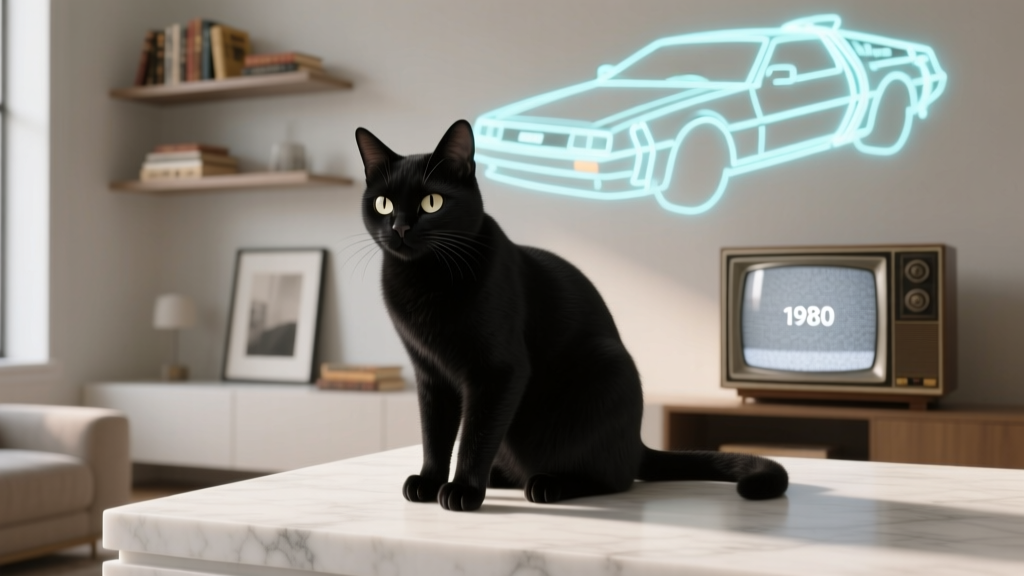
If you’ve ever wished a tiny black panther could curl up on your couch, follow you from room to room, and purr like a motorboat, the Bombay cat is the dream made real. Sleek, glossy, and confidently affectionate, this breed has a “wild” look wrapped around a famously people-loving personality.
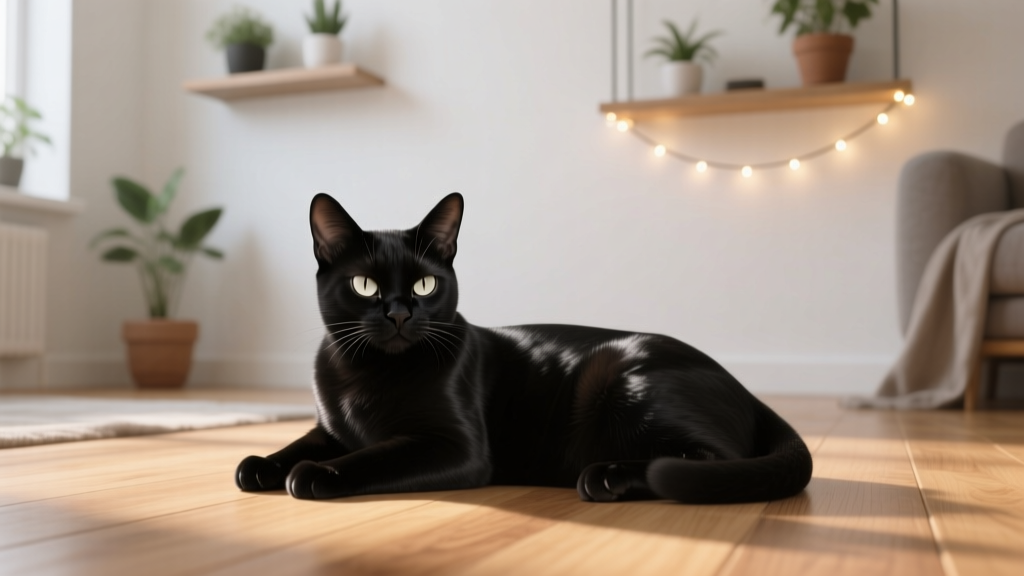
Bombays aren’t just black cats with a catchy nickname—they’re a carefully developed breed with a signature jet-black coat, copper-gold eyes, and a sturdy, muscular build that feels surprisingly solid when you pick one up. They thrive on attention, love family life, and often act like they’re your shadow… in the cutest way possible.
Whether you’re researching cat breeds, considering a Bombay kitten, or you’ve already fallen for those glowing eyes, here’s everything you need to know about living with this mini black panther at home.
Breed History and Origin
The Bombay cat is a relatively modern breed, developed in the United States. In the 1950s, breeder Nikki Horner of Louisville, Kentucky, set out to create a cat that resembled a “patent-leather panther” with a sweet, companionable temperament.
To achieve that look and personality, she crossed a black American Shorthair with a sable Burmese. After years of selective breeding, the consistent “panther-like” type began to emerge: a short, close-lying black coat, a rounded head and muzzle, expressive eyes, and a muscular, medium body.
The breed gained recognition over time, and today the Bombay is appreciated for being both strikingly beautiful and wonderfully sociable. You’ll often hear Bombay lovers say they got the drama of a panther with the heart of a lap cat—and that’s not far off.
Physical Characteristics
The Bombay cat is all about smooth lines, glossy black, and that unmistakable gaze. This is a breed designed to look like a miniature panther, and the details matter—from the coat texture to the eye color.
| Feature | Typical Bombay Traits |
|---|---|
| Size | Medium |
| Weight | Usually 6–11 lbs (females often smaller; males often heavier) |
| Body Type | Muscular, compact, surprisingly heavy for size (“brick wrapped in silk” feel) |
| Coat | Short, tight, close-lying, very glossy |
| Color | Black only (including black nose leather and paw pads) |
| Eyes | Large and round; shades of copper to gold are especially prized |
| Head & Face | Rounded head, short muzzle, smooth contours; ears medium and slightly rounded |
Distinctive “Panther” Features
- Patent-leather shine: The coat has a lacquered look when healthy and well cared for.
- Uniform black: True Bombays are black from whisker roots to toe beans.
- Expressive eyes: That coppery glow against the black coat is a hallmark of the breed.
- Muscle and balance: They’re athletic without looking leggy or delicate.
Personality and Temperament Traits
If you’re looking for a cat who’s stunning and interactive, the Bombay cat tends to deliver. This breed is known for being affectionate, people-centered, and eager to be involved in daily life. Many Bombays don’t just live in your home—they act like they run the household (with charm, of course).
- Extremely people-oriented: Bombays often follow their favorite person from room to room.
- Lap-cat potential: Many love cuddling and will happily settle in for a long snuggle session.
- Playful and bright: They enjoy games, puzzle toys, and interactive play.
- Confident and social: Typically less skittish than some breeds; many greet visitors with curiosity.
- Talkative (but not always loud): Some have a gentle “commentary” style, especially around meal times.
Because the Bombay cat thrives on companionship, they often do best in homes where someone is around for good chunks of the day—or where they have another friendly pet to keep them company. A bored Bombay can become a mischievous Bombay, and they’re smart enough to invent their own entertainment.
Health Considerations and Common Issues
Bombay cats are generally robust, but like all purebred cats, they can be prone to certain inherited or breed-associated concerns. The good news: responsible breeding, routine vet care, and maintaining a healthy weight go a long way.
Health Issues Seen in Some Bombay Cats
- Dental and gum disease: Regular dental care is a big help, as with many cats.
- Obesity: Their sturdy build can hide extra pounds—keep an eye on body condition.
- Respiratory/nasal sensitivity: Their shorter muzzle (in some lines) may contribute to mild breathing or tear-related issues.
- Heart disease (including HCM): Hypertrophic cardiomyopathy can occur in many breeds; reputable breeders may screen lines and advise on monitoring.
Helpful tip for prospective owners: Ask breeders about health screening practices, family history, and any vet evaluations. If you’re adopting, schedule a baseline exam soon after bringing your Bombay home.
Care Requirements (Grooming, Exercise, Diet)
One of the joys of owning a Bombay cat is that they’re fairly low-maintenance in grooming while still looking absolutely show-stopping. That said, their social nature means “care” isn’t just brushing—it’s attention, play, and together time.
Grooming
- Brushing: Once a week is usually plenty. A soft brush or grooming glove helps remove loose hair and boosts that signature shine.
- Bathing: Rarely necessary, but occasional baths can enhance gloss if your cat tolerates it.
- Nails: Trim every 2–4 weeks, depending on growth and scratching habits.
- Ears and eyes: Check weekly for debris; wipe gently with vet-approved products if needed.
- Dental care: Brush teeth if possible or use dental treats/water additives recommended by your vet.
Exercise and Enrichment
Bombays love interactive play. Think of them as athletic snugglers: they’ll sprint after a toy and then hop into your lap like nothing happened.
- Daily play: 15–30 minutes of interactive play (wand toys, fetch, laser play with a “catch” toy at the end).
- Climbing and perching: Cat trees and window perches are a huge win.
- Puzzle feeders: Great for bright cats who enjoy “working” for food.
- Leash training: Some Bombays take to harness training nicely with patience and treats.
Diet
A balanced, high-quality diet keeps that coat glossy and supports lean muscle. Bombays can be enthusiastic eaters, so portion control matters.
- Choose quality protein: Look for named animal proteins as primary ingredients.
- Wet food benefits: Many cats do well with wet food for hydration support.
- Measure portions: Especially for indoor cats prone to weight gain.
- Treats in moderation: Use treats for training and bonding, not free-feeding all day.
Compatibility with Families, Children, and Other Pets
The Bombay cat’s friendly, affectionate nature often makes them an excellent choice for families. They tend to enjoy being part of the action, which can be a great match for households with kids—provided children are taught respectful handling.
- With children: Often very good, especially with gentle, cat-savvy kids who enjoy interactive play.
- With dogs: Many Bombays can do well with calm, cat-friendly dogs and proper introductions.
- With other cats: Typically social, particularly if introduced slowly and given enough resources (litter boxes, perches, feeding areas).
- For busy households: They like company—if your home is frequently empty, consider a second pet or extra enrichment.
Because they’re people-oriented, Bombays often dislike being ignored. If you want a decorative cat who keeps to themselves, this breed may feel a little too “involved.” If you want a companion who actively participates in your day, they’re a wonderful fit.
Pros and Cons of Owning a Bombay Cat
| Pros | Cons |
|---|---|
|
|
FAQ: Bombay Cat Breed
Are Bombay cats hypoallergenic?
No cat breed is truly hypoallergenic, including the Bombay. Their short coat may shed less than some fluffy breeds, but they still produce allergens (especially in saliva and skin oils). If allergies are a concern, spend time with a Bombay cat before committing.
Do Bombay cats shed a lot?
Bombay cats are generally light-to-moderate shedders. Weekly brushing usually keeps loose hair under control and helps maintain that glossy black coat.
How big does a Bombay cat get?
Most Bombays are medium-sized, typically around 6–11 pounds. They often feel heavier than they look due to their muscular build.
Are Bombay cats good for first-time cat owners?
Often, yes. Their affectionate, social nature and easy grooming can make them a great match for first-time owners—especially if you want an interactive companion and can provide daily play and attention.
Do Bombay cats like to be held?
Many do, especially if they’re socialized early and handled gently. Some prefer laps to being carried, but overall the Bombay cat breed is known for being cuddly and people-focused.
How long do Bombay cats live?
With good care, many Bombays live into their teens. Lifespan varies by genetics, diet, weight management, and veterinary care, but it’s common to see healthy individuals living 12–16 years or more.
A Warm Signoff for Future “Panther Parents”
The Bombay cat brings a rare combination to the table: dramatic panther beauty and a genuinely affectionate, family-friendly personality. If you’re drawn to a glossy black coat, copper-gold eyes, and a cat who wants to be part of everything you do, the Bombay may feel like the perfect match.
May your home be filled with shining black fur, happy chirps, and that unmistakable feeling of being chosen by a tiny panther with a huge heart. When you’re ready to meet more amazing felines, explore more breed profiles on catloversbase.com.