Wolf Cat: Pack-Bonding Domestic Breed
If you’ve ever wished for a cat that leans a little more “social sidekick” than “mysterious roommate,” the Wolf Cat might be the breed that steals your heart. Nicknamed for its wild, wolfish look and its unusually loyal, group-oriented nature, this striking companion often surprises people with how much it wants to be involved—following you from room to room, greeting you at the door, and bonding deeply with its chosen humans.
Wolf Cats are the kind of cats that make you feel like you’ve joined a tiny pack. They’re not clingy in an anxious way, but they do thrive on togetherness: shared routines, interactive play, and the comfort of being near “their people.” If you adore a cat with presence—one that’s expressive, athletic, and tuned in—this breed is an exciting one to get to know.
Below you’ll find everything cat lovers and breed researchers want to know: Wolf Cat history, physical traits, temperament, health, care, family fit, and the real-world pros and cons of bringing one home.
Breed History and Origin
The Wolf Cat is most commonly associated with the Lykoi—a rare domestic breed often called the “werewolf cat” because of its partially hairless, roaned coat and dramatic facial masking. The Lykoi’s story begins in the United States in the early 2010s, when breeders discovered naturally occurring cats with a distinctive coat pattern and sparse hair distribution. This look wasn’t the result of crossbreeding with wild cats; it stemmed from a natural genetic mutation found in domestic shorthair populations.
Early development focused on maintaining health, genetic diversity, and predictable type. Because the mutation appears naturally in the general cat population, responsible breeding programs carefully outcrossed to domestic shorthairs to broaden the gene pool while preserving the Wolf Cat’s hallmark appearance and people-focused temperament.
Today, Wolf Cats (Lykoi-type) remain relatively uncommon. You’ll see them referenced under “Wolf Cat” in casual conversations, rescue listings, or social media because the look is so memorable. In more formal circles, the breed name Lykoi is typically used.
Physical Characteristics
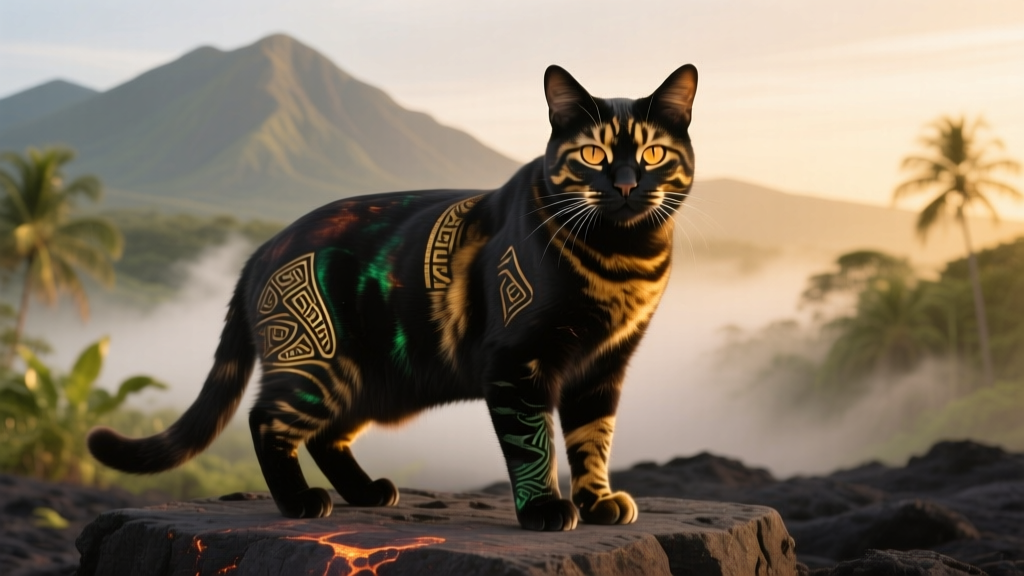
The Wolf Cat’s appearance is the headline: a rugged, “mini-wolf” vibe with a coat that can look sparse in places and fuller in others. Many have a distinctive facial “mask,” with thinner hair around the eyes, muzzle, and ears, giving them an alert, intense expression.
| Trait | Typical Wolf Cat (Lykoi-type) |
|---|---|
| Size | Medium |
| Weight | Usually 6–12 lb (2.7–5.4 kg), with males often heavier |
| Body Type | Lean, athletic, lightly muscled |
| Coat | Short to medium; roaned mix of colored hair and white hair; can be sparse |
| Colors | Most recognized: black roan (“wolf-gray” look). Other colors may occur depending on lineage |
| Eyes | Often large and expressive; color varies |
| Distinctive Features | Facial masking, patchy/sparse areas, “wolfish” silhouette, textured coat |
Coat Feel and Seasonal Changes
Many Wolf Cats have a coat that feels slightly coarse or wiry, and some may “blow coat” seasonally—looking fluffier at one time of year and significantly barer at another. This variability is part of the breed’s charm, but it also means owners should be prepared for a cat whose look can change.
- Roan pattern: A mix of pigmented hairs and white hairs, creating a smoky, weathered effect.
- Sparse areas: Common on the face, around the eyes, and sometimes on legs or belly.
- Low-undercoat feel: Many have less undercoat than typical shorthairs, which can impact warmth and skin exposure.
Personality and Temperament Traits
“Pack-bonding” is the phrase many fans use because Wolf Cats often behave like social teammates. They’re attentive, curious, and frequently more interactive than the average independent-minded feline. They tend to bond closely with one or two people, but many are friendly with the whole household once comfortable.
Common Wolf Cat temperament traits include:
- People-oriented loyalty: Enjoys being near you and participating in daily life.
- Playful hunter energy: Loves chasing, stalking toys, and interactive games.
- Smart and observant: Learns routines quickly; may enjoy puzzle feeders or clicker training.
- Gentle but intense: Often sweet and affectionate, yet focused and “on mission” during play.
- Can be cautious at first: Some Wolf Cats take time to warm up to strangers.
Because they bond strongly, they do best with humans who enjoy engagement—talking to their cat, scheduling play sessions, and offering enrichment. If you want a low-contact cat that mostly does its own thing, a Wolf Cat may feel a little too involved.
Health Considerations and Common Issues
Wolf Cats are generally considered a domestic breed with a naturally occurring mutation, and responsible breeding prioritizes robust health through outcrossing. Still, their unusual coat means their skin and grooming needs can be different from a typical cat’s.
Potential health considerations to discuss with a reputable breeder or veterinarian:
- Skin sensitivity: Sparse coat areas can be more prone to dryness, irritation, or minor scratches.
- Sun exposure risk: With thinner fur in spots, some individuals may be more susceptible to sunburn if they sunbathe in strong direct sunlight.
- Oil buildup/blackheads: Some cats with thinner coats can accumulate skin oils more noticeably and may need gentle cleaning.
- Dental health: Not unique to Wolf Cats, but common across breeds—regular dental care matters.
- General wellness: Vaccinations, parasite prevention, weight management, and annual exams keep them thriving.
When choosing a Wolf Cat kitten, look for a breeder who can explain their health screening approach, maintains clean living conditions, and socializes kittens in a home environment. If you’re adopting, a vet check and a skin/coat assessment early on is a great idea.
Care Requirements (Grooming, Exercise, Diet)
Grooming
Wolf Cats aren’t “no maintenance” just because their coat can be sparse. Their grooming needs are simply different.
- Brushing: 1–2 times per week is usually enough. Use a soft brush to avoid irritating sensitive areas.
- Bathing: Some Wolf Cats benefit from an occasional bath if oils build up. Keep it gentle, use cat-safe shampoo, and don’t overdo it.
- Ears and nails: Check ears weekly, trim nails every 2–4 weeks depending on growth.
- Skin checks: Look for redness, flakes, or scabs—especially if your cat’s coat has thinned seasonally.
Exercise and Enrichment
This is an athletic, curious cat. A bored Wolf Cat will invent hobbies, and you may not love the ones it chooses.
- Interactive play: 15–30 minutes daily (often split into two sessions) with wand toys, springs, or fetch-friendly toys.
- Climbing space: Cat trees, shelves, or window perches are a big win.
- Puzzle feeders: Excellent for smart, food-motivated cats and helps prevent boredom eating.
- Training: Many enjoy clicker training, target training, and even harness work if introduced slowly and positively.
Diet
Feed a high-quality, protein-forward diet appropriate for life stage (kitten, adult, senior). Because Wolf Cats can be active and lean, watch body condition rather than relying only on the scale.
- Protein first: Look for named animal proteins as primary ingredients.
- Wet food support: Wet food can help hydration and urinary health.
- Measured portions: Prevent weight gain if your “wolf” becomes a couch cuddler.
- Treats with purpose: Use treats for training and bonding, not free-for-all snacking.
Compatibility with Families, Children, and Other Pets
Wolf Cats can be wonderful family companions when their social needs are met. They often enjoy being part of household routines and may form strong bonds with multiple family members.
- With children: Often good with respectful kids who understand gentle handling and boundaries. Their energetic play style can be a great match for older children.
- With other cats: Frequently compatible, especially when introduced slowly. Many enjoy having a feline buddy for play and companionship.
- With dogs: Can do well with cat-savvy dogs. Their confidence and curiosity help, but introductions should be gradual and supervised.
Because they’re socially tuned-in, Wolf Cats may struggle in homes where they’re alone for long stretches every day without enrichment. If you work long hours, consider a second pet, more interactive toys, or a schedule that includes dedicated playtime morning and evening.
Pros and Cons of Owning This Breed
| Pros | Cons |
|---|---|
| Deeply bonded, “pack-like” companionship | May get lonely or bored without interaction |
| Unique wolfish/werewolf appearance (a true conversation starter) | Coat can be variable; some owners are surprised by seasonal changes |
| Smart, trainable, enjoys games and puzzles | Needs enrichment; can become mischievous if under-stimulated |
| Often good with other pets when properly introduced | Some individuals are cautious with strangers at first |
| Generally robust as a domestic-based breed with outcrossing | Skin care may require extra attention compared to typical shorthairs |
FAQ: Wolf Cat (Pack-Bonding Domestic Breed)
Are Wolf Cats the same as Lykoi cats?
In most cases, yes. “Wolf Cat” is a common nickname for the Lykoi, the domestic breed known for its roaned, partly sparse coat and wolfish facial masking.
Do Wolf Cats shed?
They can. Many shed seasonally, and some may look noticeably thinner-coated at certain times of year. Even with a sparse coat, you’ll still want to brush and keep an eye on skin condition.
Are Wolf Cats hypoallergenic?
No cat breed is truly hypoallergenic. Wolf Cats may have less fur in places, but allergens are primarily carried in saliva and skin oils (dander), not just the amount of hair.
Do Wolf Cats like to be held?
Many enjoy affection and proximity, but tolerance for being held varies by individual. They often prefer sitting beside you, climbing into your lap, or following you around—classic “pack-bonding” behavior.
How much exercise does a Wolf Cat need?
Plan for daily interactive play and climbing opportunities. A Wolf Cat typically thrives with at least 15–30 minutes of engaged play per day, plus enrichment like puzzle toys and window perches.
Is a Wolf Cat a good first cat?
It can be, especially for someone excited about an interactive, social companion. First-time owners who want a more independent cat might find the Wolf Cat’s need for engagement a bit demanding.
Warm Sendoff
The Wolf Cat is a rare kind of magical: a domestic cat with a wild look and a surprisingly devoted, pack-bonding spirit. If you’re drawn to smart, energetic cats who want to share your life up close—playtime, routines, couch cuddles, and all—this “mini-wolf” may be exactly your speed.
Want to compare personalities, care needs, and traits across more breeds? Explore more breed profiles on catloversbase.com and find the feline that fits your home and your heart.