Bambino Cat: Dwarf Sphynx Hybrid
If you’ve ever wished for a cat that looks like a tiny, warm-hearted alien—complete with big ears, expressive eyes, and a body that feels like a heated peach—meet the Bambino cat. This rare and unforgettable breed combines the near-hairless charm of the Sphynx with the short-legged, low-to-the-ground silhouette of the Munchkin, creating a cat that’s equal parts whimsical and wonderfully affectionate.
Bambinos are not “mini cats” in personality. They’re bold, people-focused companions who want to be part of everything: couch time, shower time, work-from-home time, and bedtime under the blankets. If you love interactive, cuddly cats and don’t mind a little extra care for skin, warmth, and overall health, the Bambino might steal your heart fast.
This guide covers Bambino cat history, appearance, temperament, health, care, and what daily life with this dwarf Sphynx hybrid is really like—so you can decide if this extraordinary cat fits your home.
Breed History and Origin
The Bambino cat is a newer designer breed that emerged in the early 2000s in the United States. The goal was to combine two striking traits:
- Hairless or near-hairless skin (from the Sphynx)
- Short legs (from the Munchkin)
The name “Bambino” comes from Italian and roughly translates to “baby,” a nod to the breed’s perpetually kitten-like look—short legs, rounded belly, and large, alert ears. While some cat registries and breed communities recognize Bambinos in various capacities, recognition can vary widely depending on the organization and region. Because this breed involves purposeful breeding for specific physical traits, Bambinos are also at the center of ongoing discussions about ethics, structure, and long-term health.
What’s consistent among responsible breeders is the emphasis on:
- Health screening of parent cats
- Careful selection for sound movement and breathing
- Early socialization and excellent skin care habits
Physical Characteristics
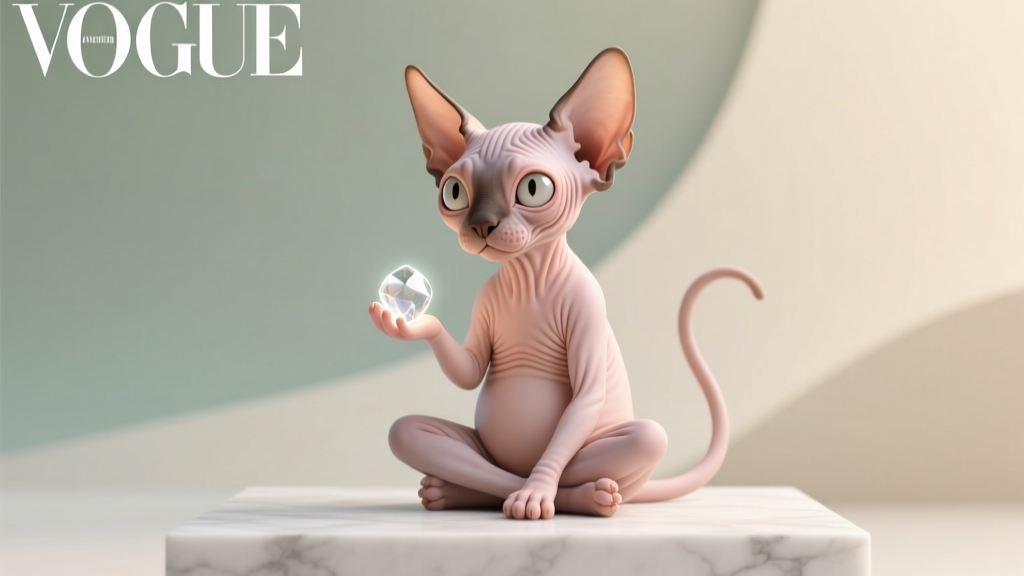
The Bambino cat looks like a Sphynx that stayed closer to the ground. They’re compact, muscular, and surprisingly solid when you pick them up. Their skin is typically wrinkled (especially around the face, neck, and shoulders), and they often have a soft “peach fuzz” feel rather than being completely bald.
| Feature | Typical Bambino Traits |
|---|---|
| Size | Small to medium; sturdy and muscular |
| Weight | Usually 5–9 lbs (2.3–4.1 kg), sometimes slightly more |
| Leg length | Short (dwarf legs from Munchkin lineage) |
| Coat | Hairless to very short peach-fuzz; skin feels warm and suede-like |
| Colors & patterns | Any color/pattern can appear on the skin (solid, tabby, bicolor, pointed, etc.) |
| Eyes | Large, lemon-shaped; very expressive |
| Ears | Large, open, upright—classic Sphynx look |
Distinctive Features
- Short, bowed-looking legs (though movement should remain smooth and comfortable)
- Wrinkled skin, especially as kittens
- Round belly and broad chest, giving a “little tank” impression
- Warm body temperature to the touch (they seek heat because they lack insulation)
Because the Bambino is a hairless cat breed (or near-hairless), their coloring appears directly on the skin. You’ll see gorgeous markings you might associate with coated cats—just displayed like living artwork.
Personality and Temperament Traits
If you’re looking for a cat who acts like you’re the best thing that ever happened to them, Bambinos tend to deliver. Many owners describe them as affectionate, curious, and comically social. They often greet people at the door, follow their favorite human from room to room, and prefer laps over solitude.
Common Bambino cat personality traits include:
- People-oriented: They form strong bonds and may dislike being left alone too long.
- Playful and energetic: Expect bursts of zoomies, toy-carrying, and clever climbing attempts.
- Clownish and extroverted: They’ll happily “help” you make the bed or inspect every grocery bag.
- Gentle affection: Many love cuddling under blankets or against a warm hoodie.
- Intelligent: Puzzle toys, clicker training, and routines suit them well.
Bambinos often get described as “dog-like” in their loyalty. While every cat is an individual, the breed’s reputation for friendliness is one reason the Bambino cat has gained such a devoted fanbase.
Health Considerations and Common Issues
Because the Bambino is a hybrid of the Sphynx and Munchkin, health considerations can include those associated with both lines—plus the general reality that rare breeds require especially careful, ethical breeding. If you’re researching Bambino kittens, prioritize breeders who openly discuss health testing and who raise kittens in a clean, social home environment.
Potential Health Concerns
- Heart disease (HCM): Hypertrophic cardiomyopathy can occur in Sphynx lines. Responsible breeders often perform echocardiograms on breeding cats.
- Spinal issues (lordosis): Seen in some Munchkin-related lines; severity varies.
- Chest formation issues (pectus excavatum): Can occur in some lines and may affect breathing/exercise tolerance.
- Joint and mobility stress: Short legs can change biomechanics; maintaining a lean body is essential.
- Skin problems: Blackheads, acne, yeast overgrowth, irritation, and sunburn are common concerns for hairless cats.
- Dental disease: Like many breeds, they can be prone to tartar; home dental care helps.
No list of “common issues” means a Bambino is destined to be sick—many are lively and healthy. It does mean you should plan for proactive veterinary care, choose a breeder carefully, and keep your cat at an ideal weight for joint comfort.
Care Requirements (Grooming, Exercise, Diet)
Bambinos are often mistaken as “low maintenance” because they don’t shed like a fluffy cat. In reality, Bambino cat care is different, not necessarily less. Their skin produces oils that would normally be absorbed by fur—so you’ll be trading brushing sessions for gentle skin routines.
Grooming and Skin Care
- Bathing: Typically every 1–2 weeks, depending on oil buildup. Use a mild, cat-safe cleanser and warm water.
- Wipe-downs: Between baths, a soft damp cloth or unscented pet wipes can help with skin oils.
- Ears: Hairless breeds can accumulate ear wax quickly; check weekly and clean gently as needed with vet-approved solution.
- Nails: Trim every 2–4 weeks. Oils can collect around nail beds, so keep them clean.
- Sun protection: Limit direct sun. Sunburn is real for Bambinos. Ask your vet before using any sunscreen product.
Warmth and Home Comfort
- Provide cozy blankets, heated beds (pet-safe), and warm resting spots.
- Many Bambinos enjoy wearing soft cat sweaters in cooler homes—just ensure they don’t restrict movement or irritate skin.
- Avoid cold drafts; these cats seek heat like it’s their job.
Exercise and Enrichment
Bambinos love to play, but their short legs can affect how they jump and climb. They often get around brilliantly—just in a more “low-profile” way.
- Interactive play: Wand toys, crinkle toys, and fetch-style games work well.
- Cat trees with ramps/steps: Offer easy access to favorite heights.
- Puzzle feeders: Great for mental stimulation and preventing boredom eating.
- Short training sessions: Clicker training can be a fun bonding activity.
Diet and Nutrition
Many hairless cats have a reputation for hearty appetites. Whether Bambinos truly have higher energy needs varies by individual, but they do burn energy to stay warm.
- Feed a high-quality, protein-forward diet appropriate for life stage (kitten, adult, senior).
- Monitor portions carefully to keep them lean—extra weight can stress joints and spine.
- Provide fresh water and consider wet food for hydration support.
- Discuss supplements only with your vet; avoid DIY fixes for skin issues through diet without guidance.
Compatibility With Families, Children, and Other Pets
The Bambino’s outgoing, affectionate nature often makes them a strong candidate for family life—especially for households that want a cat who truly participates. They generally do best with people who are home often or with other pets for companionship.
With Children
- Typically gentle and tolerant when handled respectfully.
- Because they have delicate skin, teach kids to use soft hands and avoid rough play.
- Supervise young children; not because Bambinos are “snappy,” but because accidental scratches or squeezing can happen.
With Other Cats and Dogs
- Often social with other cats, especially playful breeds.
- Many can live happily with cat-friendly dogs after proper introductions.
- They may seek body heat from other pets—some households end up with adorable cuddle piles.
As with any breed, successful multi-pet homes come down to gradual introductions, safe spaces, and matching energy levels.
Pros and Cons of Owning a Bambino Cat
| Pros | Cons |
|---|---|
| Extremely affectionate, people-focused companion | Needs regular skin care (baths, wipe-downs) |
| Unique look: short legs + hairless Sphynx style | Sensitive to cold and sun; indoor-only is best |
| Playful, funny, and highly interactive | Potential inherited health concerns (HCM, structural issues) |
| Often good with kids and other pets | Can be pricey and hard to find from reputable breeders |
| Low shedding (great for tidy homes) | Not hypoallergenic; skin oils/dander can still trigger allergies |
FAQ: Bambino Cat Breed Questions
Are Bambino cats hypoallergenic?
No cat breed is truly hypoallergenic. Bambinos may shed less hair, but allergens are commonly found in saliva and skin oils (dander). Some allergy sufferers do better with hairless cats, but it’s individual—spend time with the breed before committing.
Do Bambino cats need baths?
Yes, most do. Without fur to absorb oils, Bambino skin can get oily and collect dirt. A gentle bath every 1–2 weeks is common, with occasional wipe-downs in between.
How big do Bambino cats get?
Most Bambinos are small to medium, often around 5–9 pounds. They can feel heavier than they look because they’re muscular and compact.
Are Bambino cats healthy?
Many Bambinos live happy lives, but the breed can be predisposed to issues seen in Sphynx and Munchkin lines, including HCM and certain structural concerns. Choosing a responsible breeder and keeping up with regular vet care makes a big difference.
Can Bambino cats jump and climb like other cats?
They can jump and climb, but often not as high or as effortlessly as long-legged cats. Cat trees with steps, ramps, and lower platforms help them enjoy vertical space safely.
Do Bambino cats get cold easily?
Yes. Their lack of fur means they lose heat quickly. Warm beds, blankets, and a cozy home setup are must-haves for Bambino cat comfort.
Warm Wrap-Up
The Bambino cat is one of those breeds that turns casual cat admirers into full-on fans. Their short-legged silhouette, velvety skin, and huge personality make them unforgettable—but they’re not a “set it and forget it” pet. If you’re ready for regular skin care, a warm home environment, and a companion who wants to be glued to your side, the Bambino offers a deeply affectionate, entertaining relationship.
If you’re still exploring which breed fits your lifestyle, you’re in the right place. Visit catloversbase.com to discover more cat breed profiles, compare temperaments, and find the feline match that feels like home.