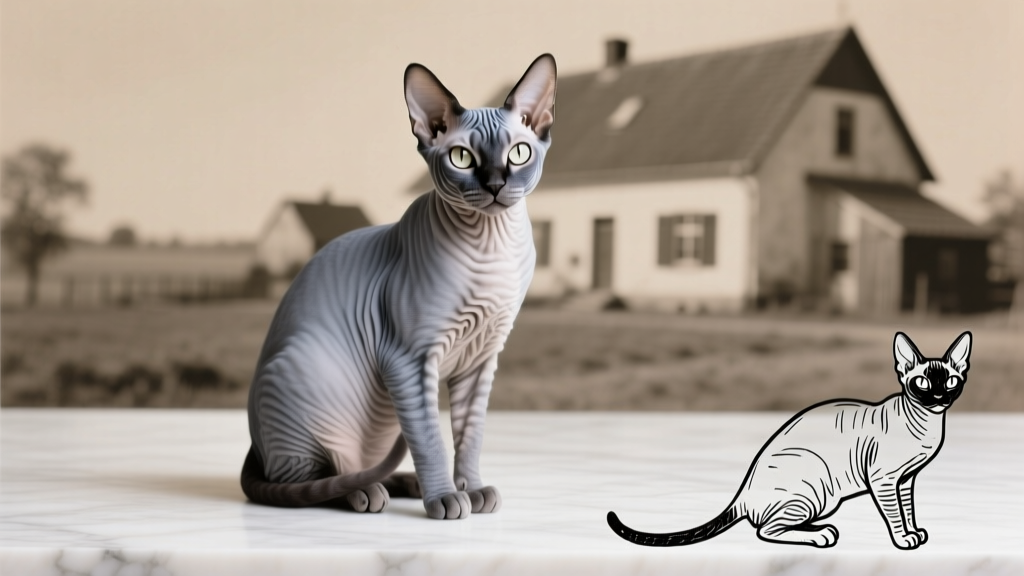
German Rex: Post-War Breed Revival
If you’ve ever wished for a cat that feels like warm velvet under your fingertips—and greets you with the kind of friendly curiosity that makes visitors say, “This cat is different!”—the German Rex may steal your heart. This rare rex-coated breed is one of the hidden gems of the cat world: affectionate, people-focused, and wrapped in a softly curled coat that begs to be petted.
What makes the German Rex even more special is its backstory. This isn’t a modern designer breed created for trends; it’s a true post-war breed revival that grew out of chance, careful stewardship, and a whole lot of love for an unusual curly-coated cat. For cat enthusiasts and breed researchers, the German Rex offers a fascinating window into rex genetics and European cat fancy history. For potential owners, it offers a companion that thrives on closeness and play.
Let’s meet the German Rex—where history, heart, and plush curls come together.
Breed History and Origin
The German Rex is widely recognized as the first rex breed developed in Europe, with roots in post-World War II Germany. While curly-coated cats likely appeared earlier here and there, the German Rex story becomes clear in the mid-20th century when a distinctive cat with a wavy coat captured the attention of breeders.
A key figure in the breed’s development was a curly-coated cat named Lämmchen (often translated as “Little Lamb”), found in Berlin in the late 1940s/early 1950s. Lämmchen’s plush, rippled coat and friendly nature inspired dedicated breeding efforts. From there, breeders worked to preserve the curly coat trait and build a consistent type—no small task in a post-war environment where resources and breeding programs were limited.
Over time, the German Rex contributed to rex breed knowledge and genetics, and it became recognized by some cat organizations (recognition varies by registry). Even today, the German Rex remains relatively rare compared to better-known rex cousins like the Devon Rex and Cornish Rex.
- Origin: Germany (notably post-war Berlin lines)
- Claim to fame: Early European rex breed; soft, curly “velvet” coat
- Rarity: Uncommon outside parts of Europe; limited breeder availability
Physical Characteristics
The German Rex is a medium-sized cat with an athletic, balanced build—neither ultra-fine nor heavy. Their standout feature is, of course, that plush, waved coat. Unlike some rex breeds that can feel very short or sparse, the German Rex coat is typically described as dense, soft, and springy to the touch.
| Feature | German Rex Description |
|---|---|
| Size | Medium |
| Weight | Approximately 6–10 lb (2.7–4.5 kg), with males often larger |
| Body Type | Muscular, elegant, well-proportioned |
| Coat | Short to medium-short; wavy/curly; very soft and plush |
| Whiskers | Often curly or crinkled; may be shorter than average |
| Head & Ears | Rounded features; medium ears; expressive face |
Coat Texture and Colors
The German Rex coat is sometimes described as “velour” or “suede-like,” with waves that can be more noticeable along the back and sides. Coat density can vary by individual, but it’s known for feeling exceptionally soft.
Colors and patterns: The German Rex can appear in a wide range of colors and patterns, including solids, tabbies, bicolors, and more (exact allowances depend on registry). This variety is one reason breed lovers never get bored looking at German Rex photos—every cat seems to wear the curly coat a little differently.
Distinctive Features
- Velvety curled coat that feels soft and warm
- Curled whiskers that add to the “pixie-meets-teddy-bear” charm
- Balanced physique suited for athletic play and snuggling alike
Personality and Temperament Traits
If you’re looking for a cat that bonds closely, the German Rex is famous for being affectionate and people-oriented. Many German Rex cats act like they want to be part of everything—following their favorite human from room to room, supervising chores, and curling up nearby whenever possible.
They’re typically playful without being frantic, social without being pushy, and smart enough to learn routines quickly. If you enjoy interactive play, puzzle feeders, or simple training (like coming when called), this breed often responds with enthusiasm.
- Affection level: High—often a “shadow cat” that loves closeness
- Social style: Friendly, curious, generally welcoming with respectful introductions
- Energy level: Moderate—playful spurts plus serious cuddle time
- Intelligence: Quick learners; enjoy enrichment and attention
- Vocalization: Usually moderate; communicates but not typically nonstop
Health Considerations and Common Issues
The German Rex is not as widely studied as some more common breeds, so public data on breed-specific inherited disorders is more limited. That said, rex-coated cats can share a few general considerations—especially related to coat and skin care.
Most German Rex cats can live long, happy lives with good breeding practices, routine veterinary care, and a healthy home environment.
- Skin sensitivity: Some rex cats may have more delicate skin; watch for dryness, irritation, or oil buildup.
- Coat-related temperature needs: Their short, curly coat may provide less insulation than a thick double coat. Many German Rex cats appreciate warm nap spots and cozy indoor living.
- Dental health: Like many breeds, they benefit from dental care (brushing, dental diets/treats, vet cleanings as advised).
- Weight management: Their friendly appetite plus indoor lifestyle can lead to weight gain if meals aren’t measured.
Best practice: Work with reputable breeders who prioritize health screening, transparent pedigrees, and strong early socialization. For pet owners, scheduling routine wellness exams and keeping vaccinations/parasite prevention current goes a long way.
Care Requirements (Grooming, Exercise, Diet)
Grooming
The German Rex’s coat is short, soft, and usually fairly easy to maintain—but “easy” doesn’t mean “zero.” Because rex coats can be delicate, gentle grooming is the name of the game.
- Brushing: Light, occasional grooming (a soft brush or grooming glove) helps remove loose hair without roughing up the curls.
- Bathing: Not always necessary, but some individuals may need an occasional bath if skin oils build up. Use a cat-safe, gentle shampoo and follow your vet’s guidance.
- Ears: Check weekly; clean only as needed with vet-approved cleaner.
- Nails: Trim every 2–4 weeks depending on growth and scratching habits.
Exercise and Enrichment
German Rex cats tend to love interactive attention. Think of them as “participation cats”—they want to play with you, not just near you.
- Daily wand-toy sessions (10–15 minutes) to satisfy chase instincts
- Cat trees and wall shelves for climbing and lounging
- Puzzle feeders for mental stimulation
- Rotate toys to keep things fresh
Diet
A high-quality, complete-and-balanced diet supports coat condition, muscle tone, and overall wellness. Because German Rex cats are often very people-focused (and therefore skilled at begging), measured meals can be helpful.
- Protein-forward nutrition: Look for animal-based protein as a key ingredient.
- Portion control: Prevent “cozy-cat weight creep,” especially for indoor cats.
- Hydration: Many cats drink more with a fountain; wet food can also boost moisture intake.
Compatibility with Families, Children, and Other Pets
The German Rex often shines as a family companion because of its affectionate nature and love of interaction. With gentle handling and respectful introductions, many do wonderfully with kids, friendly dogs, and other cats.
- With children: Often a great match for calm, kind kids who understand gentle touch and boundaries.
- With other cats: Usually social, especially when introduced slowly and given enough resources (multiple litter boxes, feeding stations, and resting spots).
- With dogs: Can coexist well with cat-savvy dogs. Proper introductions and safe vertical escape routes are essential.
If your household is busy, this breed may enjoy the company—but they also tend to bond strongly and may not love being ignored for long stretches. If you’re away all day, consider whether a second pet companion (or a cat sitter and extra enrichment) might be needed.
Pros and Cons of Owning a German Rex
| Pros | Cons |
|---|---|
| Velvety, curly coat that feels wonderfully soft | Rare breed; finding reputable breeders can be challenging |
| Affectionate, people-oriented companion | May crave attention and companionship (not ideal for always-away homes) |
| Playful and intelligent; enjoys interactive games | Some individuals may have sensitive skin or coat-care quirks |
| Often good with respectful kids and other pets | May need a warm, cozy indoor environment due to short coat |
| Moderate exercise needs; adaptable to apartment life | Limited public health data compared to very common breeds |
FAQ: German Rex Cats
Are German Rex cats hypoallergenic?
No cat is truly hypoallergenic. The German Rex sheds differently than some cats due to its coat type, but allergies are usually triggered by proteins (like Fel d 1) found in saliva and skin oils, not just fur. Some allergy-sensitive people do better with rex breeds, but it varies—spend time with the breed before committing.
How rare is the German Rex?
The German Rex is considered a rare cat breed, especially outside Europe. You may encounter waitlists or limited availability through reputable breeders, and it’s worth being patient to find a healthy, well-socialized kitten.
Do German Rex cats need special grooming?
Usually they’re fairly low-maintenance, but gentle grooming is best to protect the curls and sensitive skin. Some may need occasional baths or wipe-downs if oil buildup occurs.
What is the temperament of a German Rex like?
Many German Rex cats are affectionate, social, and playful. They tend to enjoy being involved in daily life and often form strong bonds with their favorite humans.
How big do German Rex cats get?
Most are medium-sized, commonly around 6–10 lb (2.7–4.5 kg), though individual size varies by sex, genetics, and lifestyle.
Is the German Rex the same as the Devon Rex or Cornish Rex?
No. While they’re all rex-coated breeds with curls, they are distinct breeds with different histories and breed standards. Their coat genetics and overall look can differ, too.
Warm Signoff
The German Rex is a lovely reminder that some of the most enchanting breeds come with a story—one shaped by resilience, careful breeding, and the simple magic of a curly-coated cat who stood out in a crowd. If you want a cat that combines soft waves, a friendly heart, and a real “companion animal” vibe, the German Rex is absolutely worth getting to know.
If you enjoyed learning about the German Rex, we’d love for you to explore more breed profiles on catloversbase.com and find the cat that fits your home and your heart.