British Shorthair Health Concerns: Care Tips & Breed Facts
Breed Origins and Recognition
The British Shorthair traces its roots to Roman-era Britain, where domestic cats were brought by soldiers around 43 CE. Modern pedigree development began in the late 19th century, with Harrison Weir exhibiting the first recorded British Shorthair at London’s Crystal Palace in 1871. The breed was officially recognized by the Governing Council of the Cat Fancy (GCCF) in 1901 and later by The International Cat Association (TICA) in 1979.
Temperament and Daily Interaction
Known for calm, even-tempered personalities, British Shorthairs thrive in stable households. They’re affectionate without being clingy—ideal for remote workers or families with older children. Unlike high-energy breeds like Bengals, they rarely climb curtains or demand constant play. A 2022 study published in Journal of Feline Medicine and Surgery found that 87% of British Shorthair owners reported low stress levels during veterinary visits, compared to 52% for Siamese cats.
Common Health Concerns
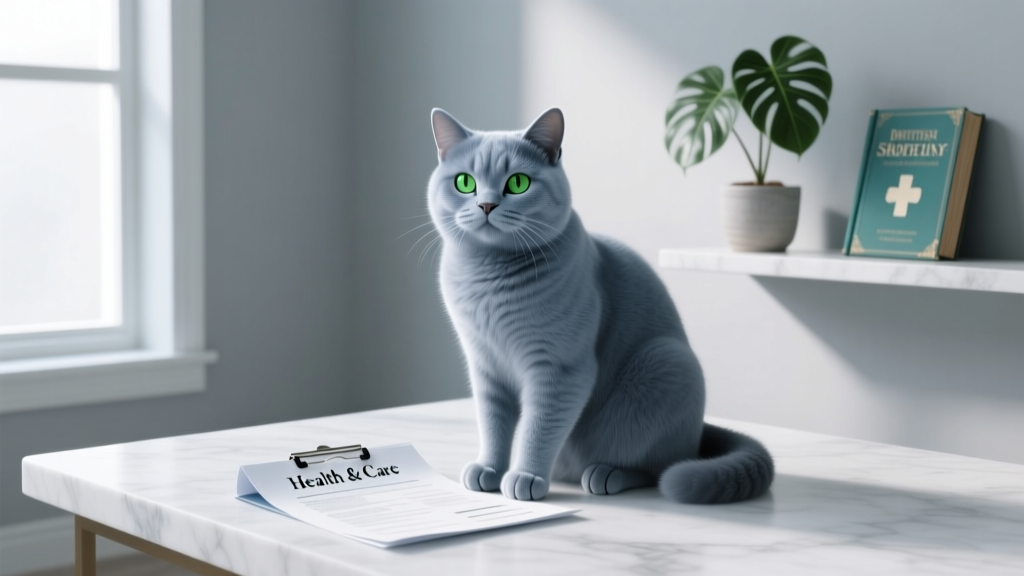
This robust breed is prone to several hereditary conditions. Hypertrophic cardiomyopathy (HCM) affects approximately 12–16% of British Shorthairs, per a 2020 University of California, Davis genetic screening study. Polycystic kidney disease (PKD) is rare but documented; routine ultrasound screening after age 3 is recommended. Obesity is the most prevalent preventable issue—up to 42% of adult British Shorthairs are overweight, according to the 2023 Banfield Pet Hospital State of Pet Health Report.
Grooming and Physical Maintenance
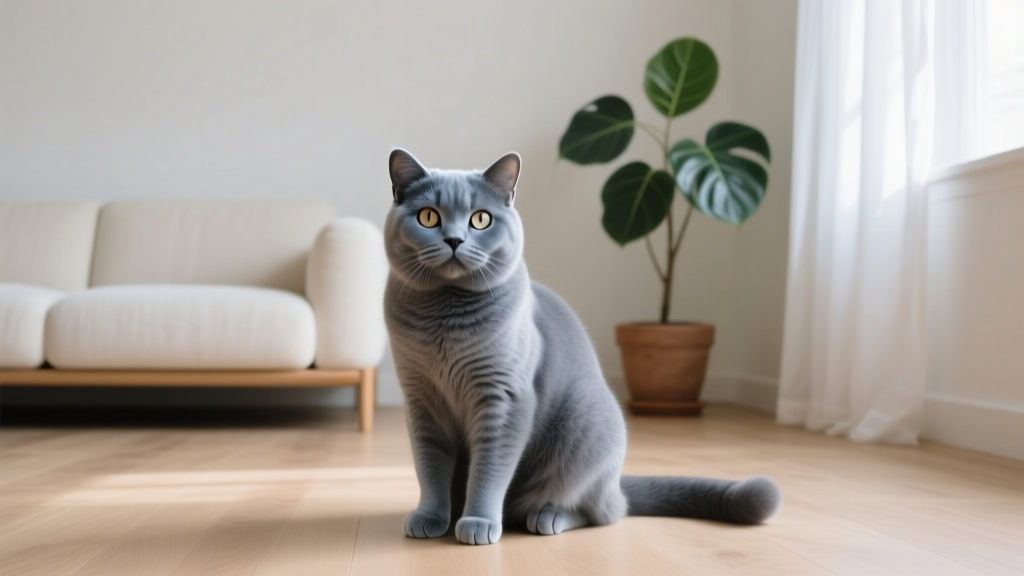
The dense, plush double coat sheds seasonally but requires only weekly brushing with tools like the Furminator deShedding Tool (model FUR-001). Nail trims every 2–3 weeks and dental care using Virbac C.E.T. Enzymatic Toothpaste help prevent periodontal disease, which affects 70% of cats by age 3 (American Veterinary Dental College, 2021). Their sturdy build means adult males weigh 9–17 lbs (4.1–7.7 kg), while females average 7–12 lbs (3.2–5.4 kg).
Selecting a Responsible Breeder or Rescue
When choosing a kitten, verify HCM genetic testing (MYBPC3-A31P mutation screening) and ask for copies of parent health clearances dated within the last 12 months. Reputable sources include the British Shorthair Club (UK), founded in 1984, and North American rescues like British Shorthair Rescue of America, which placed 217 cats in 2023. Avoid breeders who refuse health documentation or sell kittens before 12 weeks of age.
Real-world scenario #1: Sarah adopted a 4-month-old male from a GCCF-registered breeder in Manchester. At his 6-month check-up, an echocardiogram revealed early-stage HCM. Because the breeder provided full genetic records and a 2-year health guarantee, she received a full refund and support navigating treatment with a board-certified feline cardiologist.
Real-world scenario #2: Mark adopted a 3-year-old neutered male from a local shelter. Within 8 weeks, the cat gained 2.3 lbs despite unchanged feeding. His vet diagnosed mild obesity and prescribed Royal Canin Satiety Weight Management dry food. Combined with daily 15-minute play sessions using a FroliCat Bolt laser toy, he lost 1.8 lbs in 10 weeks.
"British Shorthairs aren’t fragile—but their stoic nature means health issues often go unnoticed until advanced. Regular weight tracking and annual bloodwork starting at age 5 are non-negotiable." — Dr. Lena Cho, DVM, Feline Wellness Center, Portland, OR (2023)
| Health Screening | Recommended Age | Frequency | Notes |
|---|---|---|---|
| HCM Echocardiogram | 2 years | Every 2 years | Especially if family history positive |
| Thyroid Panel | 7 years | Annually | Hyperthyroidism incidence rises after age 7 |
| Dental Radiographs | 5 years | Every 3 years | Reveals hidden resorptive lesions |
Proactive care extends lifespan: well-managed British Shorthairs regularly live 14–20 years. Their resilience shouldn’t be mistaken for invincibility—consistent monitoring, portion-controlled feeding, and environmental enrichment keep them thriving across decades. Whether you choose a show-line kitten or an adult rescue, understanding their unique health profile ensures a joyful, long-term bond grounded in informed compassion.