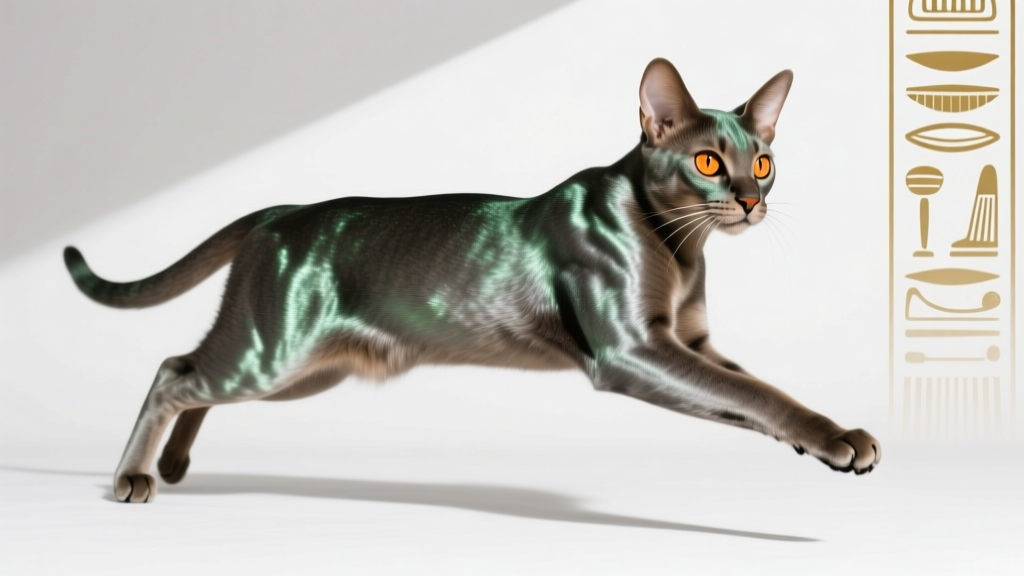
Egyptian Mau: Fastest Domestic Cat Breed
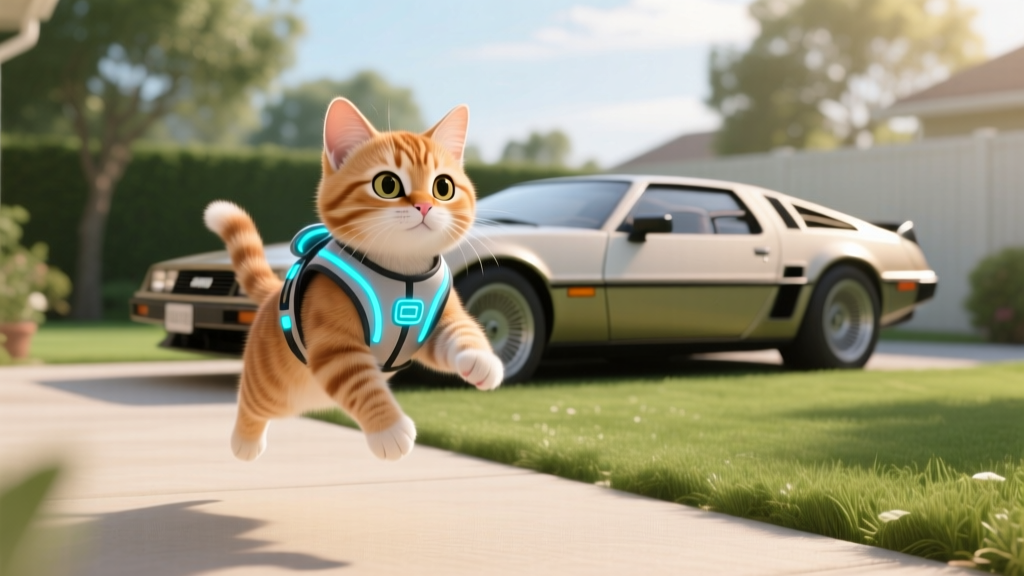
If you’ve ever watched a spotted cat blur across a room like a miniature cheetah—ears forward, tail streaming, paws barely touching the ground—you may have met an Egyptian Mau. This is the breed that makes people stop mid-sentence and say, “Wait… what was that?” The Mau isn’t just quick; it’s famously known as the fastest domestic cat breed, capable of short bursts of speed that can leave toys, other cats, and even the family dog looking mildly confused.
But speed is only part of the magic. The Egyptian Mau is a cat of contrasts: athletic yet elegant, affectionate yet a little selective, playful yet deeply loyal. For cat enthusiasts and curious researchers alike, this breed offers a rare mix of natural history, standout beauty, and lively companionship—wrapped in a spotted coat that looks like it belongs on an ancient temple wall.
If you’re considering an Egyptian Mau (or you’re already in love with one), let’s explore what makes this breed so special—from its origins and distinctive look to temperament, care, health, and everyday life with one of the most striking cats on the planet.
Breed History and Origin
The Egyptian Mau cat is often linked with the cats of ancient Egypt—and for good reason. “Mau” is the Egyptian word for “cat,” and the breed’s naturally spotted coat resembles felines depicted in Egyptian art. While no modern breed can be directly “proven” to be the exact cat of the pharaohs, the Egyptian Mau stands out as one of the few domestic breeds with naturally occurring spots (not created by selective breeding alone).
In the mid-20th century, the modern breeding program took shape largely through the efforts of exiled Russian princess Nathalie Troubetskoy. After World War II, she brought spotted cats to Europe and later to the United States, where she established a breeding foundation that helped stabilize the type and preserve the Mau’s signature look. Over time, cat registries recognized the breed, and today the Egyptian Mau is cherished worldwide—still relatively rare compared to many popular breeds, which only adds to its allure.
Physical Characteristics
The Egyptian Mau is a medium-sized, graceful athlete with a powerful engine under a sleek exterior. Everything about this cat suggests speed: long legs, strong hindquarters, a flexible spine, and a unique skin fold that helps extend the stride.
| Trait | Egyptian Mau Details |
|---|---|
| Size | Medium |
| Weight | Typically 6–14 lbs (females often smaller; males more robust) |
| Body Type | Muscular, athletic, elegant |
| Coat Length | Short to medium-short, silky with a slight sheen |
| Coat Pattern | Naturally spotted tabby |
| Common Colors | Silver, bronze, smoke (with high-contrast spots) |
| Eye Color | Vivid green (“gooseberry green”) is especially prized |
| Distinctive Features | “Mascara” lines, spotted coat, flap of skin from flank to knee, strong hind legs |
What Makes the Egyptian Mau Look So Unique?
- Natural spots: Spots can be large, small, round, or irregular—like a one-of-a-kind fingerprint.
- “Mascara” markings: Dark lines sweep from the eyes, giving a dramatic, expressive face.
- Forehead markings: Typical tabby “M” on the forehead; many Maus also show a scarab-like pattern between the ears.
- That runner’s build: Slightly longer hind legs and the signature belly-to-hind-leg skin flap help with stride length and acceleration.
Personality and Temperament Traits
Living with an Egyptian Mau often feels like sharing your home with an intelligent, affectionate sprinter who also happens to have strong opinions. Many Maus bond tightly with their favorite people and can be wonderfully devoted—following you from room to room, supervising daily routines, and “checking in” with soft chirps or trills.
Typical Egyptian Mau personality traits include:
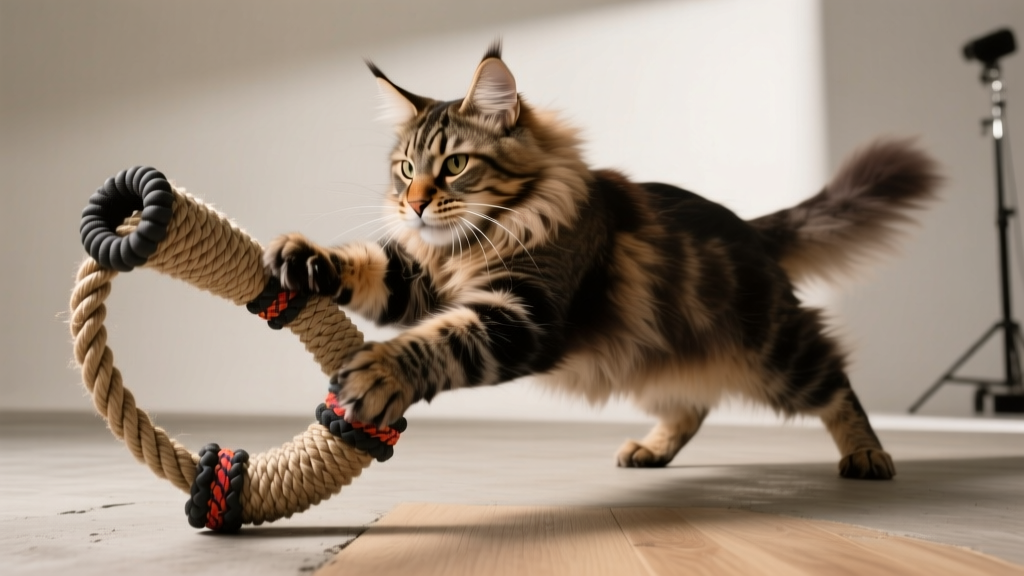
- Highly active and playful: They love chase games, climbing, and pouncing with Olympic-level enthusiasm.
- Intelligent and observant: Puzzle toys, training, and interactive play keep them happy.
- Affectionate but not always clingy: Many enjoy cuddles on their terms and may be selective about strangers.
- Sensitive: They often prefer calm, predictable environments and may startle with loud chaos.
- Vocal in a sweet way: Expect conversational sounds—often more melodic than demanding.
When an Egyptian Mau trusts you, it’s deeply rewarding. This is the kind of cat that may greet you at the door, sleep nearby, and look at you like you’re part of their inner circle.
Health Considerations and Common Issues
Overall, the Egyptian Mau is considered a generally healthy breed, especially when sourced from responsible breeders who screen breeding cats and keep genetic diversity in mind. Like all purebred cats, they can have predispositions to certain conditions. Regular veterinary care and smart preventative habits go a long way.
Potential health considerations seen in some lines include:
- Dental disease: Common across many breeds—routine dental care and veterinary cleanings help.
- Heart concerns: Some cats may develop cardiac issues such as hypertrophic cardiomyopathy (HCM). Reputable breeders often monitor heart health.
- Urinary issues: Hydration and a high-quality diet can support urinary tract health.
- Sensitivity to anesthesia: Some owners and vets report heightened sensitivity in certain cats; always use a cat-savvy veterinarian and share any breed notes before procedures.
Your best tools: a breeder who provides health information, a baseline wellness exam soon after adoption, annual vet visits, parasite prevention, and weight management (even athletic cats can gain weight if bored).
Care Requirements (Grooming, Exercise, Diet)
Grooming
The Egyptian Mau’s coat is a cat-lover’s dream: short, smooth, and fairly low-maintenance. A quick weekly brush helps remove loose hair and keeps the coat glossy. Many Maus enjoy grooming sessions as bonding time—especially if you start young and keep it gentle.
- Brush: 1–2 times per week
- Nails: Trim every 2–4 weeks
- Ears: Check weekly; clean only if needed
- Teeth: Ideally brush several times a week (or daily), plus dental-friendly treats as advised by your vet
Exercise and Enrichment
If you want the fastest domestic cat to be content indoors, plan for daily activity. Egyptian Maus thrive on motion and mental challenge. Without enough stimulation, they may invent their own entertainment—sometimes in ways your curtains won’t appreciate.
Great enrichment options:
- Interactive wand toys for sprint-and-pounce sessions
- Fetch games (many Maus happily retrieve lightweight toys)
- Cat trees and wall shelves for vertical territory
- Puzzle feeders to engage their brain and slow eating
- Safe outdoor time via a catio or harness training (many take well to it with patience)
Diet
A sleek, athletic cat does best with a high-quality, protein-forward diet. Many owners feed a combination of wet and dry food, with wet food helping support hydration. Portion control matters, even for cats that look like they’re always ready for a race.
- Choose complete-and-balanced food appropriate for life stage (kitten, adult, senior)
- Prioritize animal protein and avoid excessive fillers
- Use measured meals rather than free-feeding if weight creeps up
- Provide fresh water; fountains can encourage drinking
Compatibility with Families, Children, and Other Pets
Egyptian Maus can be wonderful family cats in the right environment. They tend to do best with people who appreciate an active, smart cat and who can provide regular play and respectful interaction.
- With children: Often good with cat-savvy kids who don’t chase or grab. They may be cautious with very loud or unpredictable play.
- With other cats: Many do well, especially with proper introductions. Some Maus prefer to be the star and may bond closely to one feline friend rather than a crowd.
- With dogs: Possible with calm, cat-friendly dogs. Introductions should be slow and supervised.
Because Egyptian Maus can be reserved with strangers, early socialization helps. Give them a safe “retreat space” (a quiet room or tall perch) during busy household moments or when guests visit.
Pros and Cons of Owning an Egyptian Mau
| Pros | Cons |
|---|---|
| Stunning naturally spotted coat and vivid green eyes | Can be shy or cautious with strangers |
| Extremely athletic, playful, and entertaining | Needs daily interactive play and enrichment |
| Loyal, bonds deeply with their people | May be selective about affection (on their terms) |
| Low-maintenance grooming | Not ideal for very chaotic, noisy homes |
| Smart—often learns routines, games, and even tricks | Can get bored and mischievous without stimulation |
| Rare and distinctive breed for enthusiasts and researchers | Can be harder to find; reputable breeders may have waitlists |
FAQ: Egyptian Mau Cats
How fast is an Egyptian Mau?
The Egyptian Mau is widely recognized as the fastest domestic cat breed, often cited at speeds up to around 30 mph in short bursts. Individual speed varies, but their build is unmistakably made for sprinting.
Are Egyptian Maus good indoor cats?
Yes—if you meet their needs. An indoor Egyptian Mau thrives with daily play, climbing spaces, and puzzle toys. Many also enjoy a secure catio or leash walks for extra stimulation.
Do Egyptian Maus like to cuddle?
Many do, especially with their chosen person. They’re often affectionate and loyal but may not be instant lap cats with everyone. Expect a “close companion” vibe that grows stronger with trust.
Is the Egyptian Mau hypoallergenic?
No cat breed is truly hypoallergenic, including the Egyptian Mau. Their short coat may shed less than some breeds, but they still produce allergens (like Fel d 1) that can trigger reactions.
How rare is the Egyptian Mau?
Compared to many popular breeds, Egyptian Maus are relatively rare. You may encounter breeder waitlists, and it’s worth taking time to find a responsible source that prioritizes health and temperament.
What colors do Egyptian Mau cats come in?
The best-known Egyptian Mau colors are silver, bronze, and smoke, typically with clear spotting and strong contrast. Spot shape and placement vary, which is part of the breed’s charm.
Egyptian Mau: A Sprinter with a Soft Side
The Egyptian Mau isn’t just a pretty spotted cat—it’s a living spark of motion and personality. If you love an engaged, interactive companion who will race after toys, perch like a jungle scout, and form a genuine bond with you, this breed can be an absolute joy. Give them enrichment, patience, and a little respect for their sensitive side, and you’ll have a devoted partner with legendary speed and unforgettable style.
Want to meet more amazing felines, from rare breeds to household favorites? Explore more cat breed profiles on catloversbase.com and find the perfect match for your life and your heart.