Siberian Cat: Hypoallergenic Forest Feline
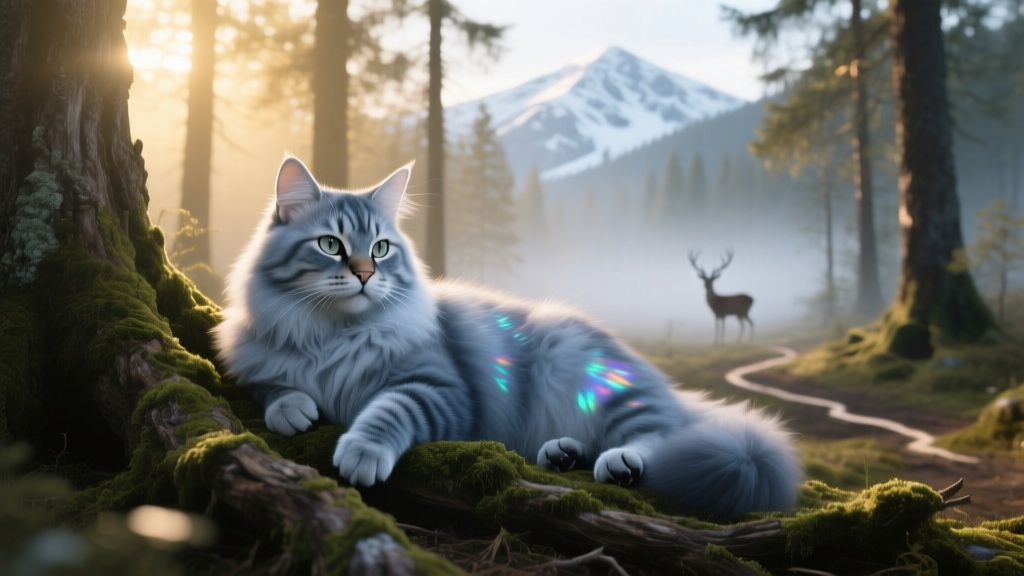
If you’ve ever dreamed of a cat that looks like it stepped out of a snowy fairytale—plush coat, tufted paws, majestic ruff—yet still wants to follow you from room to room like a devoted best friend, the Siberian cat might be your perfect match. This is the “forest feline” of Russia: athletic, affectionate, and famously people-focused, with a soft wildness in its look and a whole lot of love in its personality.
Siberians have earned a special place in cat lovers’ hearts for another reason, too: they’re often described as a hypoallergenic cat breed. While no cat is truly allergy-free, many allergy sufferers find Siberian cats easier to live with than other breeds. Combine that with their playful nature, sturdy health, and show-stopping beauty, and it’s easy to see why Siberians are one of the most sought-after breeds today.
Whether you’re researching the breed, considering a Siberian kitten, or just can’t resist learning about fluffy cats with big personalities, you’re in the right place. Let’s get to know the Siberian cat from whiskers to tail tip.
Breed History and Origin
The Siberian cat is Russia’s native longhaired treasure, with roots that stretch back centuries. These cats developed naturally in the harsh climates of Siberia and surrounding regions, where thick coats and strong bodies were the difference between thriving and merely surviving. Unlike some modern breeds created through selective crossing, Siberians are considered a natural breed—shaped largely by environment and function.
Siberian cats appear in Russian folklore and household life as sturdy mousers and beloved companions. Written references to longhaired cats in Russia go back hundreds of years, and many historians believe Siberians contributed to the longhaired gene pool in Europe as trade routes expanded.
In the late 20th century, the breed began to gain official recognition outside Russia. By the 1990s, Siberians were being exported and carefully bred to meet consistent standards while maintaining their trademark health and temperament. Today, major cat registries recognize the Siberian cat, and the breed has become a top pick for families seeking a sociable, fluffy, athletic companion.
Physical Characteristics
The Siberian is the definition of “substantial.” These cats are built for snowy forests: strong bone structure, powerful muscles, and a plush triple coat designed to insulate against bitter cold. They’re slow to mature, often taking up to 5 years to fully develop their adult size, coat, and overall “wow” factor.
| Feature | What to Expect |
|---|---|
| Size | Medium to large, sturdy and muscular |
| Typical Weight | Males: 12–20 lbs (5.4–9.1 kg); Females: 8–15 lbs (3.6–6.8 kg) |
| Coat | Triple coat: dense undercoat + longer guard hairs + water-resistant top layer |
| Coat Length | Medium-long to long; fuller in winter, lighter in summer |
| Colors & Patterns | Many colors and patterns; commonly tabby, solid, bi-color, tortoiseshell; colorpoint variety is known as the Neva Masquerade |
| Eyes | Large, slightly oval, expressive; colors vary (often green, gold, copper; blue in colorpoints) |
| Distinctive Features | Full neck ruff, bushy tail, tufted ears and paws, rounded contours with strong body |
Coat, Colors, and That Famous “Forest Cat” Look
Siberians often look like they’re wearing a fluffy winter coat with a built-in scarf. Their coat texture can vary slightly from cat to cat, but it’s generally dense, resilient, and designed to repel moisture. Many owners notice the coat feels less prone to matting than some other longhaired breeds, though regular grooming still matters.
- Seasonal coat changes: Expect a dramatic shed as the seasons shift—especially in spring.
- Neva Masquerade: This is the colorpoint Siberian (think “mask” pattern with blue eyes), often discussed as a variety within the breed.
- Overall expression: Sweet, alert, and intelligent—Siberians tend to look as engaged as they act.
Personality and Temperament Traits
If you want a cat with presence—one who greets you, “talks” in gentle chirps, and insists on being part of daily life—the Siberian cat delivers. They’re affectionate without being clingy, playful without being chaotic, and confident without being pushy. Many Siberians are social butterflies who happily welcome visitors after a quick assessment of the situation.
Common Siberian personality traits include:
- People-oriented: Often follows family members from room to room to supervise activities.
- Playful and athletic: Known for impressive jumps and a love of climbing.
- Smart and curious: Enjoy puzzle toys, interactive play, and learning routines.
- Gentle confidence: Typically adaptable to new environments when introduced thoughtfully.
- Affectionate: Many enjoy cuddles, lap time (sometimes), and sleeping nearby.
One of the joys of living with a Siberian is their combination of rugged looks and tender heart. They often do well with structured play sessions and can keep themselves entertained—especially if you provide cat trees, window perches, and toys that mimic hunting.
Health Considerations and Common Issues
Siberian cats are generally robust, thanks to their natural-breed origins and strong genetic foundation. Still, like all breeds, they can be prone to certain health issues. Working with a responsible breeder and keeping up with regular veterinary care goes a long way toward a healthy life.
Health considerations seen in the breed can include:
- Hypertrophic cardiomyopathy (HCM): A heart condition found in many cat breeds. Reputable breeders often screen breeding cats when possible.
- Dental disease: Common in cats overall—daily or frequent tooth brushing helps.
- Obesity risk: Siberians are muscular and substantial, but extra weight can creep on if treats flow too freely.
- Hairballs: That gorgeous coat means regular grooming and hairball support may be needed.
Typical lifespan: Many Siberian cats live around 12–15+ years, and it’s not unusual to meet healthy individuals who go beyond that with good care.
Are Siberian Cats Truly Hypoallergenic?
This is the big question. Siberian cats are often considered a hypoallergenic cat breed because some individuals may produce lower levels of Fel d 1, a major protein allergen found in cat saliva and skin secretions. When cats groom, that protein spreads to the coat and dander.
What that means in real life:
- No cat is 100% allergy-free.
- Allergen levels vary from cat to cat, even within the Siberian breed.
- Many allergy sufferers do better with Siberians, but a “test visit” is still the smartest move.
If allergies are a concern, spend time with the specific cat or kitten you’re considering, ideally in a home setting, before committing.
Care Requirements (Grooming, Exercise, Diet)
Grooming
Despite the luxuriant coat, Siberians are often manageable with a consistent routine. Their fur tends to be less prone to severe tangles than some longhaired breeds, but mats can still form—especially around the ruff, armpits, belly, and behind the ears.
- Brushing: 2–3 times per week is a great baseline; daily during heavy seasonal shedding.
- Tools: A stainless-steel comb plus a slicker brush works well for many coats.
- Bathing: Occasional baths can help reduce dander and loose fur, but many Siberians don’t need frequent bathing.
- Nails and ears: Trim nails every few weeks; check ears for wax buildup.
Exercise and Enrichment
Siberians are athletic and thrive when they can climb, leap, and chase. If you’ve ever watched one launch onto a cat tree like it’s a forest lookout tower, you’ll understand why vertical space is a must.
- Playtime: 15–20 minutes of interactive play once or twice daily (wand toys, fetch, laser play followed by a “catch”).
- Climbing: Tall cat trees, shelves, and secure window perches.
- Brain games: Puzzle feeders and treat balls to satisfy their problem-solving streak.
Diet
That strong, muscular build needs high-quality nutrition. Choose a complete and balanced diet rich in animal protein, with portion control to prevent weight gain—especially once your Siberian hits adulthood and becomes less kitten-bouncy.
- Protein-forward meals: Helps support lean muscle.
- Portion awareness: Siberians can be enthusiastic eaters.
- Fresh water: Many enjoy fountains, which can encourage better hydration.
- Hairball support: Regular brushing plus vet-approved hairball strategies if needed.
Compatibility with Families, Children, and Other Pets
Siberian cats tend to be wonderful family companions. They’re typically patient, playful, and sturdy—traits that help them handle busy households with kids who have been taught respectful cat manners.
Many Siberians also do well with other pets when introductions are done properly. Their confident, friendly nature often helps them integrate smoothly, though individual personalities always matter.
- With children: Often excellent—playful and tolerant, especially with gentle handling.
- With cats: Usually social; gradual introductions prevent territorial stress.
- With dogs: Many can coexist happily with cat-friendly dogs.
- With smaller pets: Use caution; they have natural hunting instincts.
If you want a cat who participates in family life rather than observing from a distance, the Siberian cat is a strong candidate.
Pros and Cons of Owning This Breed
| Pros | Cons |
|---|---|
| Affectionate, social, and people-focused | Not ideal for someone wanting a very independent, aloof cat |
| Striking forest-cat appearance with plush coat | Regular grooming and seasonal shedding are real |
| Athletic, playful, and fun to train with games | Needs enrichment; can get bored without play and climbing options |
| Generally robust, natural-breed resilience | Potential for HCM and other common feline health issues |
| Often better tolerated by some allergy sufferers | No guarantee for allergies—must test with the individual cat |
| Great choice for families and multi-pet homes (with proper introductions) | Quality breeders can have waitlists; purchase price may be higher |
FAQ: Siberian Cat
1) Are Siberian cats actually hypoallergenic?
Siberian cats are often described as hypoallergenic because some may produce lower levels of the Fel d 1 allergen. There’s still no truly allergy-free cat, and allergen levels vary by individual. If you have allergies, spend time with the specific Siberian you’re considering before bringing one home.
2) How big do Siberian cats get?
Siberians are medium to large cats with strong muscle and bone. Many males weigh 12–20 lbs, and females often fall around 8–15 lbs. They mature slowly and may not reach full size until about 4–5 years old.
3) Do Siberian cats shed a lot?
They can shed heavily during seasonal coat changes, especially in spring when the winter undercoat releases. Regular brushing helps control shedding and reduces hairballs. Outside of shedding season, many owners find the coat manageable with a few grooming sessions per week.
4) Are Siberian cats good with kids and dogs?
Yes, many Siberians do very well with respectful children and cat-friendly dogs. Their confident, affectionate temperament often makes them adaptable, but proper introductions and supervised early interactions are key for harmony.
5) What’s the difference between a Siberian and a Neva Masquerade?
The Neva Masquerade is the colorpoint variety of the Siberian cat, known for its “masked” face pattern and blue eyes. Depending on the registry and breeder, it may be presented as a variety within the Siberian breed.
6) How much grooming does a Siberian cat need?
Plan on brushing 2–3 times per week, and more often during heavy shedding. Focus on areas where mats can form (ruff, belly, behind the ears). A comb plus a slicker brush usually handles the job nicely.
A Warm Sendoff
The Siberian cat is a rare combination: a rugged, woodsy beauty with a sweet, affectionate soul. If you want a playful, people-loving companion wrapped in a luxurious forest coat—and you’re ready for regular grooming and plenty of interactive fun—this breed can be an absolute joy to live with. And for some allergy-sensitive homes, the Siberian may be the “close as it gets” cat dream.
If you’re smitten, keep exploring—there are so many wonderful feline personalities out there. Visit catloversbase.com to discover more cat breed profiles and find the companion that fits your home and heart.