Haze Cat: Misty-Coat Pattern Breeding
If you’ve ever looked at a cat and thought, “How can a coat look soft-focus, like it’s been brushed with morning fog?”—you’re already chasing the magic that haze-pattern breeders aim for. The so-called Haze Cat isn’t a single universally recognized pedigree like a Maine Coon or Siamese. It’s a pattern-forward breeding concept—a look—centered on a “misty” coat effect created by carefully pairing genetics that produce ticking, shading, and undercoat contrast.
Among cat lovers, “haze coat” has become a popular nickname for cats that carry that dreamy, veil-like overlay across the body—often seen in shaded silver, smoke, and ticked patterns. Some breeders focus on haze traits within established lines like the British Shorthair, Persian, American Shorthair, Oriental Shorthair, or Abyssinian-influenced types, while ethical hobbyists may use “Haze Cat” to describe a consistent look produced over generations without claiming a formal registry status.
If you’re researching a Haze Cat for your home—or your breeding program—this guide breaks down what the misty-coat pattern really means, what traits tend to travel with it, and how to care for a cat whose beauty is all about coat quality and contrast.
Breed History and Origin
The Haze Cat label grew out of the modern fascination with coats that look layered and dimensional. Historically, cat fanciers have prized “mist effects” for decades under other names:
- Smoke (a solid-colored hair shaft with a pale/white base)
- Shaded (light undercoat with darker tipping)
- Chinchilla (very light shading, with minimal tipping)
- Ticked (banded hairs that blur or eliminate classic tabby striping)
Long before “Haze Cat” became a buzz phrase, breeders were already refining these looks in recognized breeds:
- Persian & Exotic Shorthair: famous for silver shaded and chinchilla varieties
- British Shorthair: known for dense plush coats and increasingly popular shaded/smoke lines
- American Shorthair: strong tabby heritage, including silver series and smoke projects
- Oriental Shorthair: sleek coats that show shading cleanly
- Abyssinian: iconic ticking that creates an overall “hazy” look without bold stripes
Today, “Haze Cat” typically refers to a purpose-bred look rather than a single lineage: a cat whose coat appears softly veiled, with visible depth when the fur moves. Ethical breeders who market “haze” kittens should be transparent about the actual registered breed(s) involved, health testing performed, and what patterns can realistically appear in a litter.
Physical Characteristics
Because the Haze Cat is a pattern-focused type rather than one standardized breed, physical traits vary. Still, haze projects tend to favor cats with coats that can hold contrast well—either plush and dense (to enhance smoke and shading) or sleek and close-lying (to make tipping crisp).
| Trait | Common Range in Haze-Coat Cats | Notes |
|---|---|---|
| Size | Medium to medium-large | Depends heavily on the underlying breed (British-type tends to be cobby; Oriental-type more slender). |
| Weight | 7–14 lb (3.2–6.4 kg) | Males often heavier; some lines can run larger. |
| Coat length | Short to semi-long | Many haze projects prefer short coats for clean contrast; semi-long can look “cloudy” in a beautiful way. |
| Coat texture | Plush or sleek | Plush coats enhance smoke; sleek coats show tipping sharply. |
| Eyes | Green, gold, copper | Some silver lines favor vivid green; eye color is influenced by breed and color genetics. |
Coat, Colors, and the “Haze” Effect
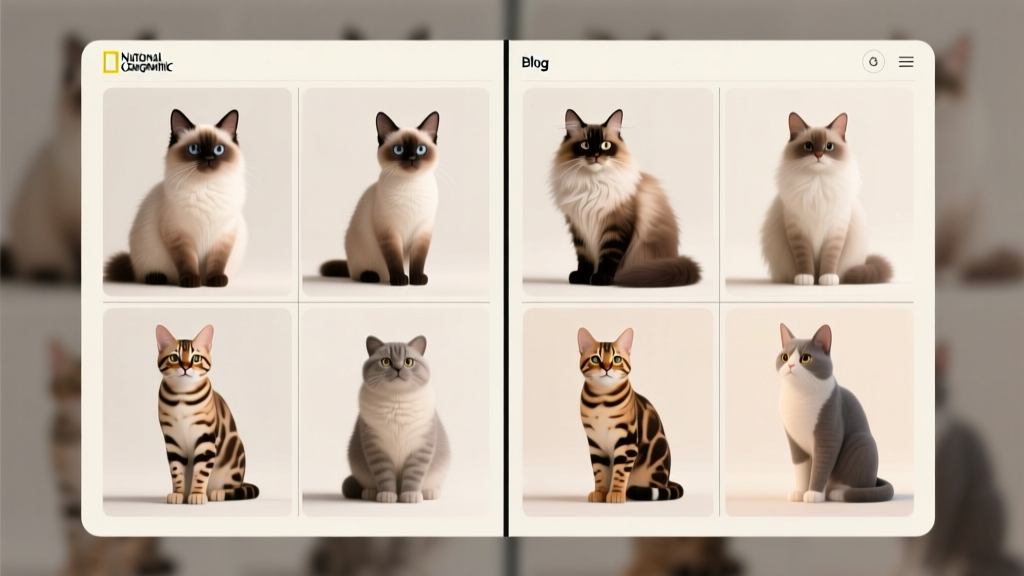
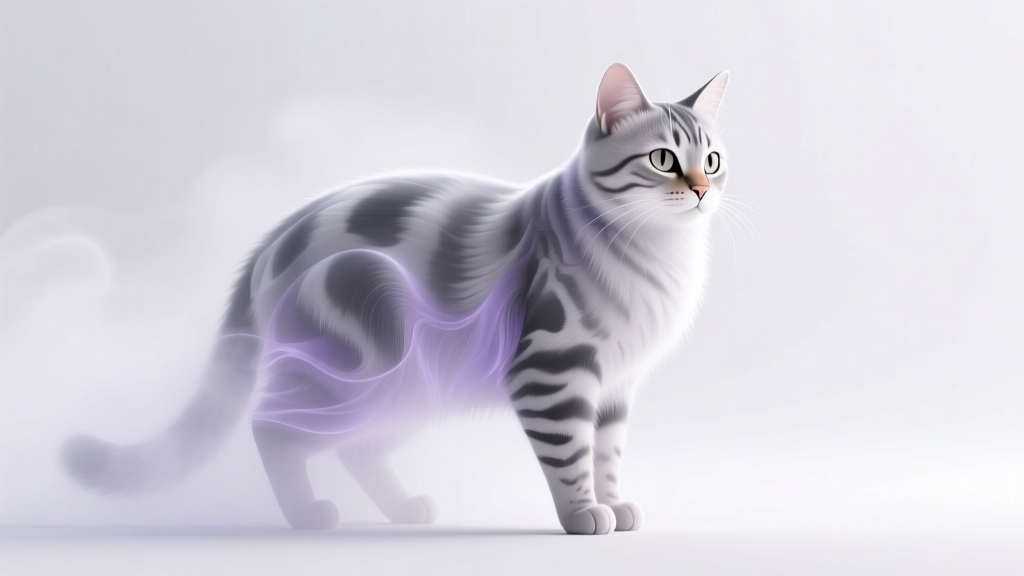
What makes a cat read as “hazy” is the layered appearance of the hair shaft. When the cat moves, the coat seems to shift—dark to light and back again—like fog drifting over a landscape.
Common haze-pattern coat descriptions include:
- Black smoke: dark topcoat with pale/white roots; dramatic when the cat stretches or the coat parts
- Blue smoke: a softer gray version of smoke, often extremely plush-looking
- Silver shaded: pale silver undercoat with darker tipping across the back, flanks, head, and tail
- Golden shaded: warm apricot/cream undercoat with black or brown tipping, creating a “sunlit haze”
- Ticked (often in warm ruddy, blue, sorrel, fawn tones): banded hairs blur the pattern for an overall misted look
Distinctive features you may see in haze-type cats:
- “Veil” overlay across the body (tipping that’s darker on the back and lighter on the belly)
- High-contrast undercoat (especially in smoke cats)
- Soft, blended facial markings rather than bold striping
- Light “spectacles” around the eyes in some silver lines
Personality and Temperament Traits
Temperament is shaped far more by the underlying breed mix and early socialization than by coat pattern. That said, many haze-focused lines are built from breeds known for being people-friendly, steady, and affectionate. As a group, haze-coated cats are often described as:
- Curious but not chaotic: they like to investigate, then return to their favorite cozy spot
- Socially flexible: comfortable with routine, visitors, and gentle handling
- Playful in bursts: energetic zoomies followed by serious napping
- Affectionate in a “near you” way: many prefer sitting close, supervising your day, and accepting cuddles on their terms
If the haze look comes from Abyssinian-style ticking, you may see a more active, engaged, interactive personality—think puzzle toys, wand games, and a cat who wants to be involved in everything. If it comes from British/Persian-influenced shaded and smoke projects, you may get a more calm, plush-lap-cat vibe.
Health Considerations and Common Issues
A Haze Cat’s health risks depend on the breeds used to develop the look. Reputable breeders should provide clear documentation of parentage and testing relevant to those breeds. Common concerns to ask about include:
- Hypertrophic cardiomyopathy (HCM): seen across multiple breeds; screening via echocardiogram is a strong sign of responsible breeding
- Polycystic kidney disease (PKD): particularly important to rule out in Persian-related lines (DNA testing is available)
- Dental crowding/periodontal disease: can appear in flatter-faced or shorter-muzzled lines; routine dental care matters
- Obesity: calmer, stockier body types can gain weight easily without structured play and portion control
- Coat/skin sensitivity: some cats with dense undercoats may be prone to dandruff if grooming and diet aren’t ideal
Pattern itself (smoke/shaded/ticked) isn’t a disease. The bigger issue is when people chase aesthetics without health testing, sound structure, and stable temperament. A beautiful haze coat should never come at the cost of wellness.
Care Requirements (Grooming, Exercise, Diet)
Grooming
Haze coats look their best when the undercoat is clean, loose hair is removed, and the tips lie smoothly. Grooming needs vary by coat type:
- Short, sleek haze coats: 1–2 brush sessions weekly to remove shed hair and keep the “veil” crisp
- Plush/dense smoke or shaded coats: 2–3 sessions weekly to prevent packed undercoat and dullness
- Semi-long haze coats: brushing every other day can prevent tangles and preserve that airy, cloudlike look
Quick grooming checklist:
- Soft slicker or rubber grooming mitt (for short coats)
- Stainless steel comb (for dense or semi-long coats)
- Nail trim every 2–4 weeks
- Dental care: brushing or VOHC-approved dental products
Exercise and Enrichment
Most haze-type cats thrive with a mix of play and comfort. Aim for:
- Two 10–15 minute play sessions daily (wand toys, chase games, or fetch for the sporty ones)
- Climbing options like cat trees and wall shelves
- Puzzle feeders to prevent boredom snacking
- Window perches—these cats love a good “foggy-day watch” vibe
Diet
A haze coat really shows off when nutrition supports skin and fur quality. Choose a high-protein, complete-and-balanced diet appropriate for your cat’s life stage (kitten, adult, senior). Helpful nutrition goals:
- Animal-based protein as a primary ingredient
- Omega-3 fatty acids (from fish oil or algae oil) to support coat shine and skin health
- Moisture support: wet food, mixed feeding, or water fountains to encourage hydration
If your haze cat is a calmer body type, watch portions carefully—extra weight can hide that elegant coat flow and put stress on joints and heart.
Compatibility with Families, Children, and Other Pets
Many Haze Cats do wonderfully in family settings, especially when they come from lines selected for easygoing temperament. The key is matching the individual cat’s energy to your household.
- With children: generally excellent with respectful kids who understand gentle handling and quiet “cat breaks”
- With dogs: often good when introduced slowly; confident haze cats may even run the household meeting schedule
- With other cats: usually social, especially if raised with littermates and properly introduced
If you’re adopting a haze-pattern kitten, look for a breeder or rescue who prioritizes early socialization: handling, normal household sounds, and positive exposure to new experiences. That’s what builds the famously “easy” companion cat many people hope for.
Pros and Cons of Owning This Breed Type
| Pros | Cons |
|---|---|
| Stunning “misty coat” look with shifting depth and contrast | Not a universally recognized breed—quality and ethics vary widely by breeder |
| Often affectionate, people-oriented companions | Some lines require more grooming than expected (especially plush smoke/shaded coats) |
| Great photo-friendly coats—especially silver shaded, golden shaded, and smoke | Pattern outcomes can be unpredictable in kittens; coat can change as they mature |
| Works well in many home types, from quiet apartments to busy families | Health testing depends on underlying breeds; you must ask the right questions |
FAQ: Haze Cat (Misty-Coat Pattern) Questions
Is the Haze Cat an official cat breed?
Usually, no. “Haze Cat” is most often a descriptive term for a misty coat pattern (smoke, shaded, chinchilla, or ticked effects) rather than a single registry-recognized breed. Always ask what the cat’s registered breed lineage is, if any.
Do haze-pattern kittens keep the same color as adults?
Not always. Shaded, smoke, and ticked coats can develop over time. Kittens may look darker or more uniform at first, with contrast becoming clearer as the adult coat comes in.
What’s the difference between smoke and shaded coats?
Smoke cats have a pale/white base on each hair with darker tips, creating a dramatic “flash” of light when the coat parts. Shaded cats have a lighter undercoat with darker tipping more consistently visible on the surface, creating a softer gradient.
Are haze-coated cats hypoallergenic?
No cat is truly hypoallergenic. Some individuals may produce fewer allergens or trigger fewer symptoms, but haze pattern alone doesn’t predict allergen levels. If allergies are a concern, spend time with the cat before committing.
How do I find an ethical haze-coat breeder?
Look for transparency: clear breed identity, written contracts, health testing appropriate to the breeds used (for example HCM screening, PKD DNA testing where relevant), excellent living conditions, and kittens raised with hands-on socialization. Avoid sellers who promise “rare haze” without documentation or who won’t show veterinary records.
Warm Signoff
A Haze Cat—whether smoke, shaded silver, golden veil, or beautifully ticked—captures that spellbinding moment when a coat looks like it’s holding a little weather system of its own. If you’re drawn to misty-coat pattern breeding, focus on what truly makes the magic last: healthy lines, thoughtful socialization, and a cat whose personality fits your home as perfectly as that dreamy haze fits their fur.
Curious about other gorgeous coat types and companion-ready breeds? Explore more cat breed profiles on catloversbase.com and find the feline that feels like it was meant for your life.