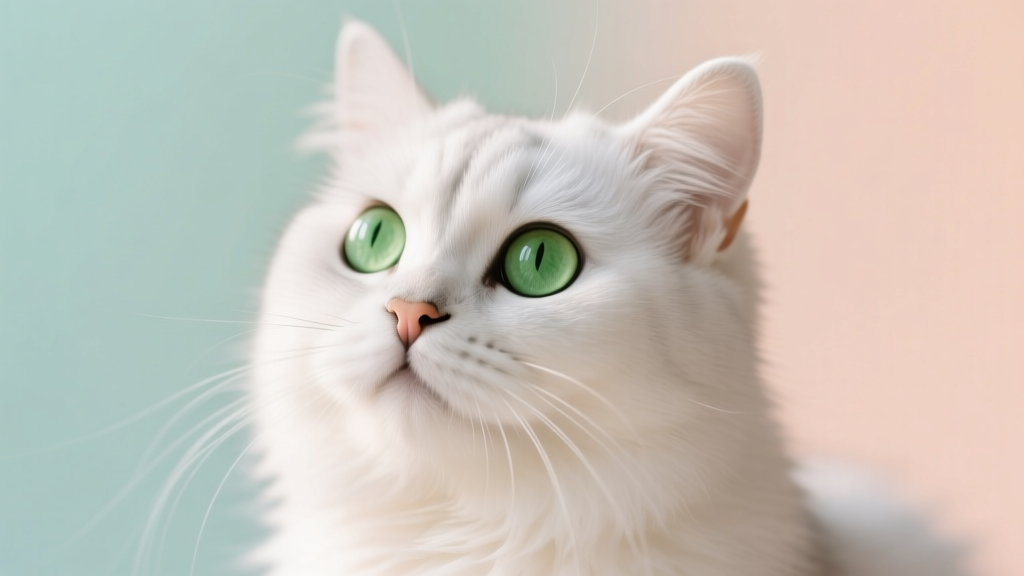
British Shorthair: Essential Care Tips
Breed Overview
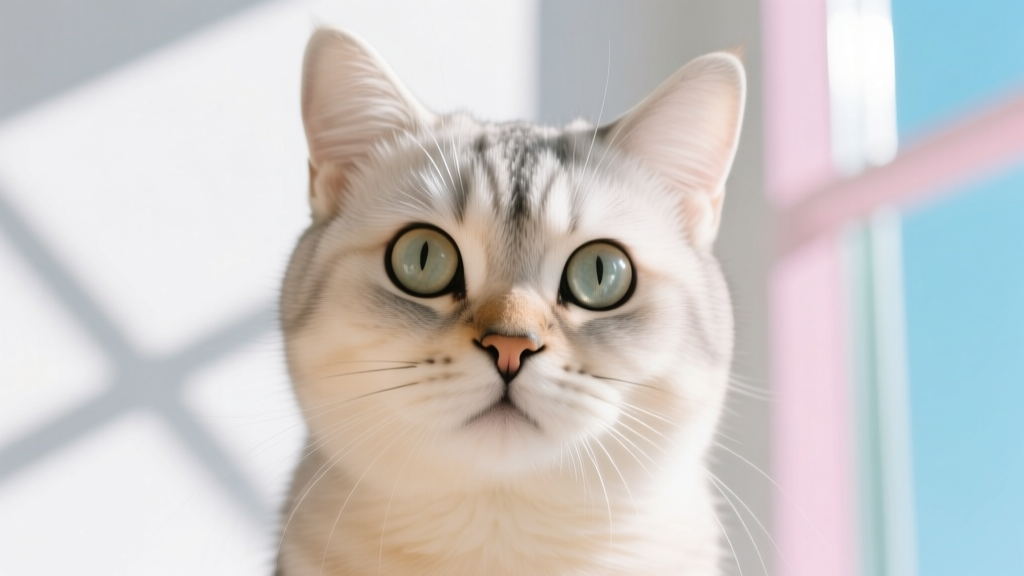
The British Shorthair is one of the oldest recognized cat breeds, known for its round face, dense coat, and calm demeanor. Originally bred from Roman-era cats in Britain, this breed has become a beloved family companion worldwide.
Physical Characteristics
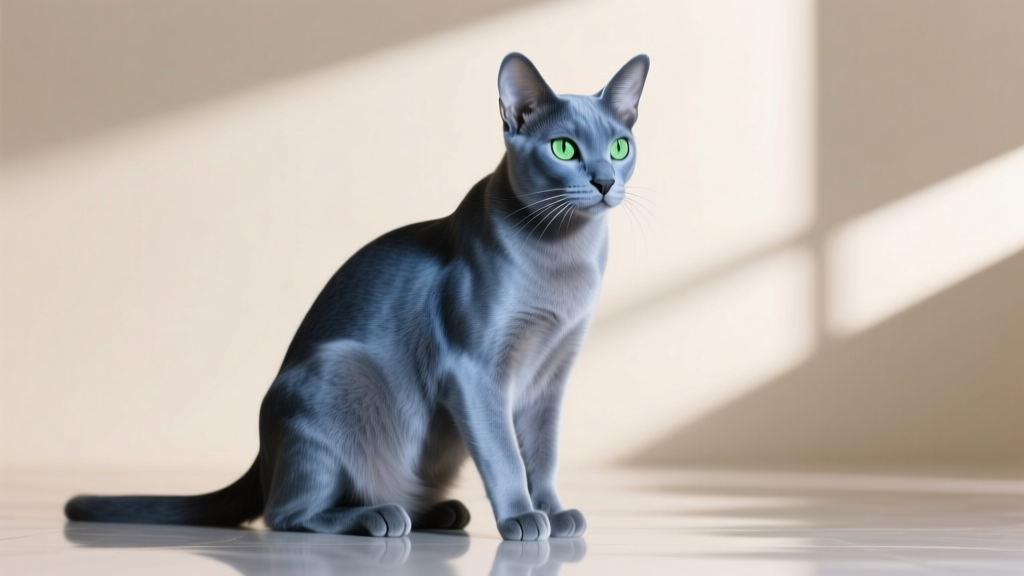
British Shorthairs are medium to large cats with a stocky, muscular build. Males weigh 12-17 lbs, females 8-12 lbs. The iconic blue (gray) variety is most common, but they come in over 30 colors and patterns including tabby, bicolor, and colorpoint.
Personality
These cats are independent yet affectionate. They enjoy being near their people but are not typically lap cats. British Shorthairs are quiet, undemanding, and adapt well to apartment living. They are excellent with children and other pets.
Grooming
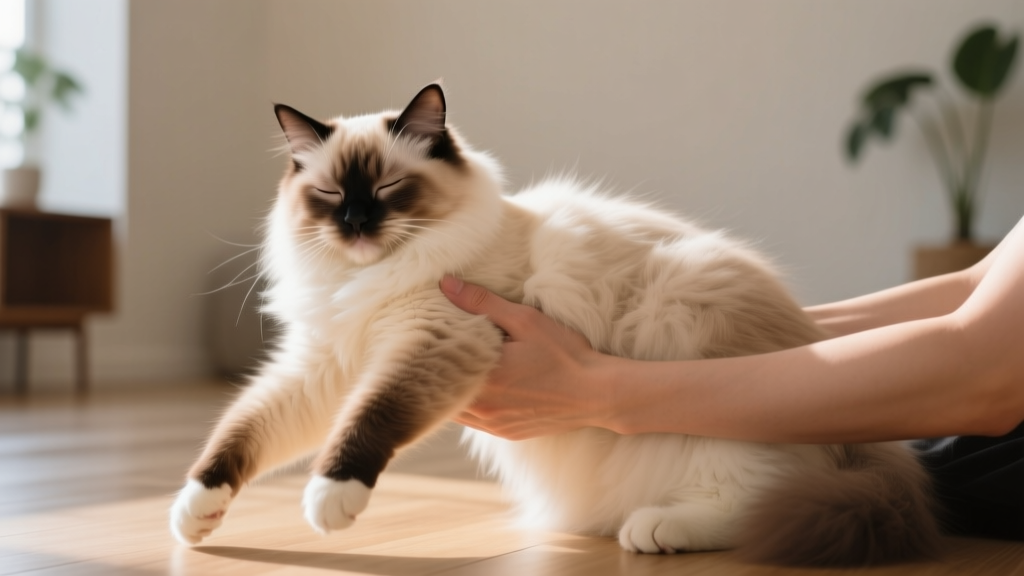
Their dense double coat needs weekly brushing to remove loose hair. During seasonal shedding (spring and fall), increase to twice weekly. Their plush coat is surprisingly easy to maintain compared to long-haired breeds.
Health Concerns
- Hypertrophic cardiomyopathy (HCM): Screen breeding cats via echocardiogram
- Hemophilia B: Genetic test available — ensure your breeder tests
- Obesity: This breed tends to gain weight easily — monitor portions
- Polycystic kidney disease (PKD): DNA test to confirm clear status
Exercise Needs
British Shorthairs are not highly active. Provide interactive toys and climbing structures, but do not expect marathon play sessions. Two 10-minute play sessions daily are sufficient for most adults.
Lifespan
With proper care, British Shorthairs live 12-20 years. Regular veterinary checkups, weight management, and dental care are key to maximizing longevity.