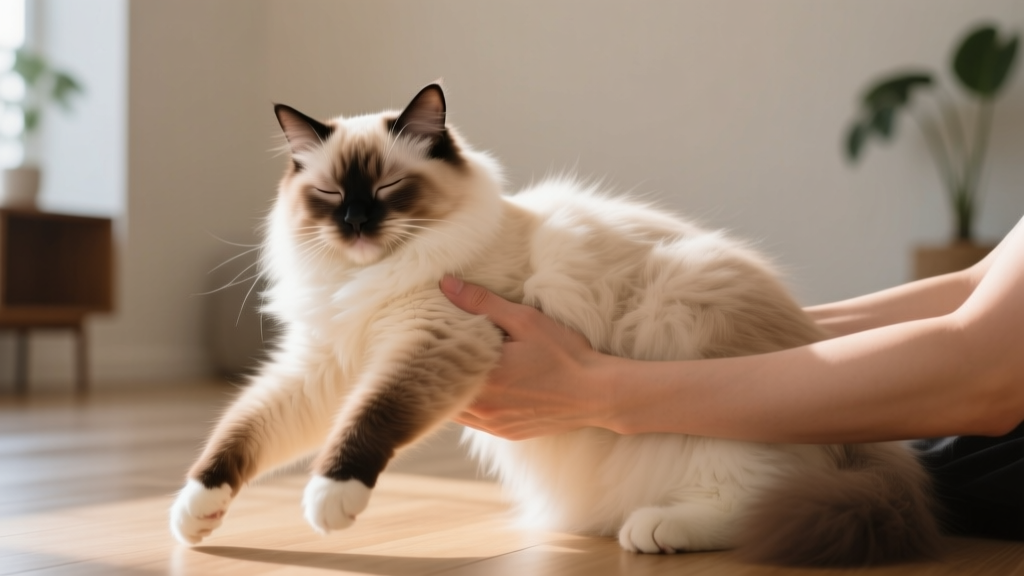
Ragdoll Cat: Why They Go Limp When Held
If you’ve ever picked up a Ragdoll cat and felt their body relax like a plush toy in your arms, you’ve experienced the breed’s most famous (and most misunderstood) trait. Ragdolls have a reputation for “going limp” when held—soft, calm, and content, like they’ve decided your arms are the safest place in the world.
That gentle flop is part of what makes the Ragdoll such a beloved companion. But there’s more to it than a cute party trick. Understanding why Ragdolls relax so deeply—along with their history, personality, care needs, and health—helps you appreciate what this big, blue-eyed sweetheart is really all about.
Whether you’re researching cat breeds, planning to bring home a Ragdoll kitten, or already living with one who follows you from room to room, this guide will walk you through the “why” behind the limp, plus everything you should know about this affectionate, people-focused breed.
Breed History and Origin
The Ragdoll cat breed is relatively young compared to many pedigreed cats. It was developed in the 1960s in Riverside, California, by breeder Ann Baker. The foundational cat often cited in the breed’s early story was a white, longhaired female named Josephine. Baker selectively bred cats that showed especially mellow temperaments, large size, and striking looks (including blue eyes and colorpoint patterns).
Over time, the Ragdoll gained recognition for its consistent personality: a laid-back, human-loving cat that tends to enjoy being held and handled. The breed name “Ragdoll” reflects that characteristic relaxed response when picked up.
Today, Ragdolls are recognized by major cat registries worldwide (including CFA and TICA) and are among the most popular large, affectionate companion cats.
Physical Characteristics
Ragdolls are known for their impressive size, silky semi-long coat, and dreamy blue eyes. They grow slowly and often don’t reach full maturity until around 3–4 years of age, which can surprise first-time owners who expect kittens to “finish growing” sooner.
| Feature | Typical Ragdoll Traits |
|---|---|
| Size | Large, sturdy, substantial bone structure |
| Weight | Males often 15–20+ lbs; females commonly 10–15 lbs (varies by lines and lifestyle) |
| Coat | Semi-long, soft, plush, tends to be less prone to matting than some longhair breeds |
| Eyes | Always blue in purebred Ragdolls (a defining hallmark) |
| Body Type | Long, muscular body; broad chest; substantial paws often with tufts |
| Tail | Long and plumed, carried with graceful ease |
Coat Colors and Patterns
Ragdolls are born white or very pale and gradually develop deeper color as they mature—another reason owners love watching them grow. The breed comes in several recognized patterns and colors, with the classic “pointed” look being the most iconic.
- Patterns: Colorpoint, Mitted, Bicolor (and in some registries, variations like Van pattern)
- Common colors: Seal, Blue, Chocolate, Lilac
- Additional colors in some registries: Red, Cream, and tortie/lynx variations depending on the association
Distinctive features: The combination of large size, bright blue eyes, a soft semi-long coat, and a sweet expression gives the Ragdoll a signature “gentle giant” look. Many also have a noticeable ruff around the neck and a fluffy tail that seems made for dramatic lounging.
Personality and Temperament Traits
Ragdolls are famous for being affectionate, calm, and people-oriented. If you’re looking for a cat that acts like a quiet shadow—following you from room to room and settling near you rather than across the house—this breed is a standout.
- Affectionate and social: Often greets you at the door, likes being near family members
- Gentle handling tolerance: Many accept being picked up more readily than typical cats (with proper respect and support)
- Soft-spoken: Many Ragdolls have quieter voices, though they’ll “chat” when they want attention
- Playful but not frenetic: Enjoys interactive play, puzzle toys, and gentle games
- Emotionally tuned-in: Often seeks closeness when you’re resting or feeling down
So… Why Do Ragdolls Go Limp When Held?
The “floppy” Ragdoll effect is best understood as a blend of temperament, selective breeding, and individual personality—not a magic trick and not a guarantee in every cat.
- Relaxed temperament: Ragdolls were bred for calm, easygoing behavior. Many naturally relax their muscles when they feel safe.
- Trust and handling comfort: Well-socialized Ragdolls tend to tolerate being held and may “melt” into your arms when they’re comfortable.
- Low reactivity: Compared to more high-strung breeds, many Ragdolls are less likely to struggle immediately when lifted (though they still have boundaries).
- Individual variation: Some Ragdolls love being carried around; others prefer sitting beside you. The breed trend is real, but each cat is still an individual.
A gentle reminder: “Going limp” should never be taken as an invitation to hold a cat like a doll. Always support the chest and hindquarters, and let your Ragdoll choose how long they want to be held.
Health Considerations and Common Issues
Ragdoll cats are generally robust, but like all purebred cats, they can be predisposed to certain inherited conditions. Responsible breeders screen for known issues and provide health documentation.
- Hypertrophic cardiomyopathy (HCM): A heart condition seen in several breeds, including Ragdolls. Reputable breeders use screening programs and genetic testing where applicable.
- Urinary issues: Some cats are prone to urinary tract disease; hydration, diet, and stress management help reduce risk.
- Obesity: Because Ragdolls can be laid-back, weight gain is common if food portions and activity aren’t managed.
- Dental disease: Like many cats, they can develop tartar and gum inflammation without routine care.
Work with a veterinarian on a wellness plan that includes regular exams, weight monitoring, dental checks, and early screening if your cat’s line has a history of heart disease.
Care Requirements (Grooming, Exercise, Diet)
Grooming
The Ragdoll’s coat is plush and silky rather than extremely woolly, so it often mats less than some longhaired breeds—but it still needs consistent upkeep to stay beautiful and comfortable.
- Brushing: 2–3 times per week is a great baseline; daily during seasonal shedding can be helpful.
- Focus areas: Underarms, behind the ears, and the “pants” (hindquarters) where tangles can form.
- Nail trims: Every 2–4 weeks for most indoor cats.
- Dental care: Brush when possible; supplement with vet-approved dental options.
Exercise and Enrichment
Ragdolls may look like lounging champions, but they still need daily activity to keep joints healthy and weight stable.
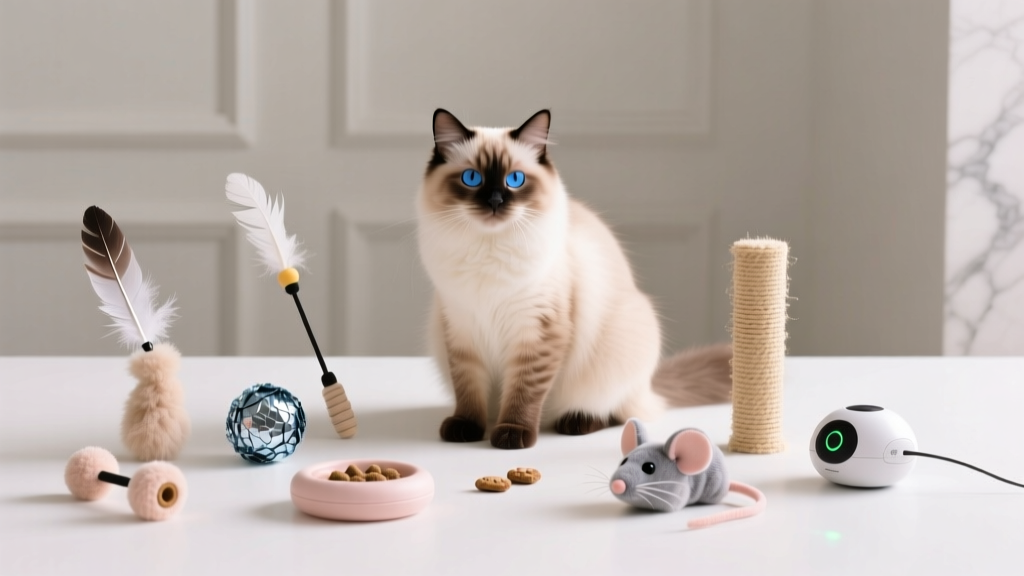
- Interactive play: Feather wands, teaser toys, and gentle chase games
- Climbing and scratching: Cat trees, sturdy scratching posts, window perches
- Brain work: Treat puzzles and slow-feeders (especially helpful for food-motivated Ragdolls)
Diet
Because adult Ragdolls can be large and food-loving, portion control matters. A high-quality, complete diet—wet, dry, or a balanced combination—works well when matched to your cat’s age and energy level.
- Protein-forward nutrition: Look for diets formulated for cats as obligate carnivores.
- Hydration: Wet food, water fountains, and multiple bowls encourage better water intake.
- Weight management: Monitor body condition, not just the number on the scale.
Compatibility with Families, Children, and Other Pets
Ragdoll cats are often described as “family cats,” and it’s a well-earned reputation. Their gentle nature can make them a wonderful match for a busy household—provided everyone respects the cat’s comfort and boundaries.
- With children: Often very tolerant, especially when kids are taught calm handling and how to recognize “I need space” signals.
- With dogs: Many Ragdolls do well with cat-friendly dogs introduced slowly and safely.
- With other cats: Typically sociable, especially if introduced gradually and given sufficient resources (litter boxes, food stations, resting spots).
Because they’re so people-oriented, Ragdolls may struggle if left alone for long periods every day. Many thrive with companionship—human or animal—plus routine and cozy “together time.”
Pros and Cons of Owning a Ragdoll Cat
| Pros | Cons |
|---|---|
| Affectionate, calm, and sweet-natured | Can become lonely or bored if left alone too much |
| Often enjoys being held and handled | Not every Ragdoll is a “floppy” lap cat—personalities vary |
| Beautiful semi-long coat and striking blue eyes | Needs regular grooming; sheds seasonally |
| Great family pet; often good with kids and other pets | Large size can mean higher food costs and bigger litter needs |
| Generally gentle and adaptable indoors | Predisposition to issues like HCM means health screening matters |
FAQ: Ragdoll Cats and the “Limp” Trait
Do all Ragdoll cats go limp when you pick them up?
No. Many do relax deeply when held, but not every Ragdoll enjoys being picked up. Socialization, individual temperament, and how they’re handled make a big difference.
Is the “floppy” behavior a sign that my Ragdoll is weak or unhealthy?
Usually, it’s simply relaxation and trust. If your cat suddenly becomes unusually limp, lethargic, or seems painful when handled, schedule a vet visit—sudden changes in muscle tone or energy shouldn’t be ignored.
Are Ragdolls good lap cats?
Many are affectionate lap sitters, but some prefer to be close without being on your lap—think “couch buddy” or “pillow supervisor.” They’re typically cuddly in their own way.
Do Ragdoll cats need a lot of grooming?
They need consistent brushing (usually a few times per week). Their coat is often less prone to severe matting than some longhaired breeds, but routine grooming prevents tangles and reduces shedding around the house.
Are Ragdolls indoor-only cats?
Most owners keep Ragdolls indoors because of their trusting nature and relatively low street-smarts. If you want outdoor time, consider a secure catio or harness training for supervised adventures.
How long do Ragdoll cats live?
Many Ragdolls live into their early to mid-teens, and some longer, especially with good preventive care, healthy weight management, and responsible breeding that screens for inherited conditions.
Conclusion
The Ragdoll cat’s famous “go limp when held” habit is a charming window into what the breed does best: trust, tenderness, and an almost uncanny ability to turn everyday life into a calmer, cozier experience. Behind those blue eyes is a cat that typically wants to be near you—quietly involved in your routines, ready to play, ready to cuddle, and ready to soften the mood of any room.
If you’re drawn to a large, affectionate companion with a gentle temperament and a show-stopping look, the Ragdoll is easy to fall for—and even easier to love once one flops into your arms and decides you’re their person.
Want to keep exploring? Check out more cat breed profiles, care guides, and personality deep-dives on catloversbase.com.