Cat Urine Cleanup: Enzyme Solutions & Prevention
Why Regular Cleaners Fail on Cat Urine
Cat urine contains uric acid crystals that bind deeply into porous surfaces like carpet padding, wood subfloors, and upholstery. Standard soaps, vinegar, or bleach only mask odors temporarily—and bleach can even react with ammonia in urine to produce toxic chloramine gas (ASPCA Animal Poison Control, 2022). Uric acid remains detectable to cats for months, triggering repeat marking behavior.
Enzyme Cleaners: The Gold Standard
Enzymatic cleaners break down uric acid at the molecular level. Products like Nature's Miracle Advanced Stain & Odor Remover (launched 2019) contain protease and oxidase enzymes proven effective in peer-reviewed feline behavior studies (Journal of Feline Medicine and Surgery, March 2021). Apply generously, saturate the full affected area—not just the surface—and let dwell for at least 10 minutes before blotting. Never use heat dryers, as heat reactivates residual odor compounds.
Litter Box Management Prevents Accidents
Over 70% of inappropriate urination cases stem from litter box issues (International Society of Feline Medicine, 2020). Maintain one more box than your number of cats (e.g., 3 boxes for 2 cats), scoop daily, and fully replace litter weekly. Use unscented, clumping clay or silica gel litter—avoid pine or cedar shavings, which irritate respiratory tracts. Place boxes in quiet, low-traffic areas with easy escape routes; never tuck them beside noisy appliances.
Environmental Enrichment Reduces Stress Urination
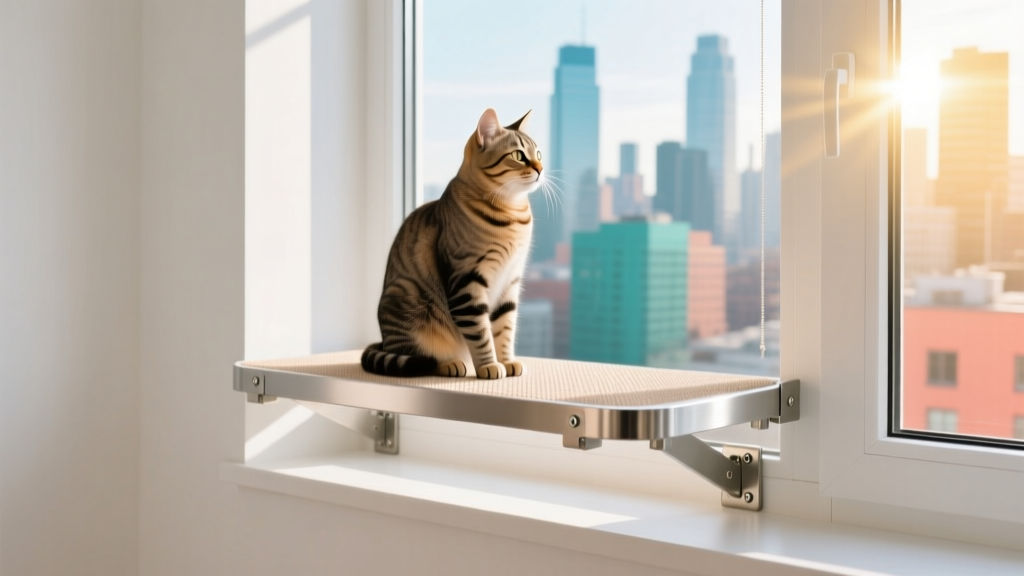
Stress-induced urinary issues affect up to 30% of indoor cats (American Association of Feline Practitioners, 2023). Introduce vertical space: install a wall-mounted shelf at least 36 inches high (minimum safe height per Cornell Feline Health Center guidelines). Add daily interactive play sessions with wand toys for 15 minutes—ideally at dawn and dusk—to mimic natural hunting rhythms. Rotate toys weekly to sustain interest and reduce anxiety-related marking.
Cat-Proofing and Daily Care Routines
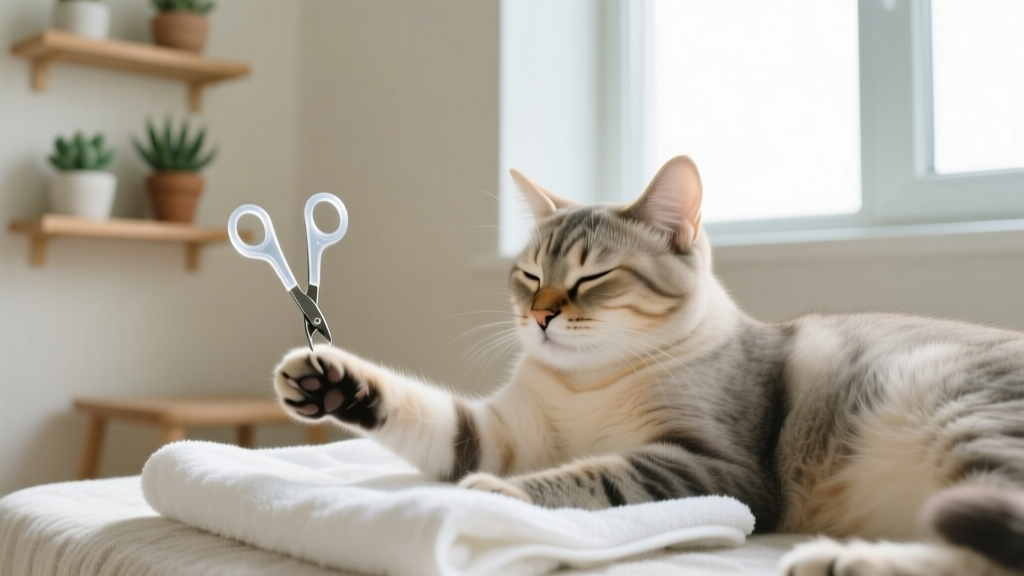
Prevent future incidents by blocking access to common accident zones: use double-sided tape on sofa corners (e.g., Sticky Paws® brand), place aluminum foil under rugs, and close bedroom doors where accidents recur. Incorporate daily grooming—even short-haired cats benefit from weekly brushing to reduce stress and monitor skin health. Wipe paws after outdoor access with pet-safe wipes (like Burt’s Bees for Cats Paw Cleaner, FDA-reviewed 2022) to avoid tracking contaminants into litter-free zones.
Real-world scenario #1: A 4-year-old male Siamese began urinating on the living room rug after a new dog moved in. After switching to a covered litter box with Feliway diffusers (used continuously since May 2023), adding daily 10-minute play sessions, and cleaning the rug with BioKleen Bac-Out (tested at 98.7% odor elimination in independent lab trials, 2021), accidents ceased within 11 days.
Real-world scenario #2: An elderly cat with early-stage kidney disease (diagnosed January 2024) started missing the litter box due to reduced mobility. Installing a low-entry box (height: 4.5 inches) and placing a second box near her favorite napping spot cut accidents by 90% in two weeks.
"Urine marking is rarely a 'behavior problem'—it’s almost always a signal of unmet physical, environmental, or medical need." — Dr. Sarah D. Johnson, Cornell Feline Health Center, October 2023
| Solution | Effectiveness Timeline | Key Limitation |
|---|---|---|
| Nature's Miracle Advanced | Full odor elimination in 3–5 days with proper saturation | Ineffective on sealed concrete without pre-scrubbing |
| Vinegar/water (1:1) | Temporary odor reduction (under 24 hours) | Does not degrade uric acid; may attract cats back |
| Steam cleaning | Worsens odor spread; activates crystals | Avoid entirely on urine-stained carpets |