How to Choose the Perfect Cat Carrier for Stress-Free Travel
Size and Structural Safety Matter Most
A carrier must allow your cat to stand, turn, and lie down comfortably. The ASPCA recommends carriers with interior dimensions at least 1.5x your cat’s length (nose to base of tail). For an average 10-lb domestic shorthair (18 inches long), that means a minimum interior size of 27 inches in length. Hard-sided carriers like the Sleepypod Air (certified for airline under-seat use since 2019) feature reinforced ABS plastic and secure latches—critical for preventing escape during sudden stops or vet visits.
Material and Ventilation Impact Stress Levels
Poor airflow increases heat stress and anxiety. A 2022 study in the Journal of Feline Medicine and Surgery found cats in carriers with ≥30% total ventilation surface area showed 42% lower cortisol levels during transport (Garcia & Lee, 2022). Soft-sided carriers like the Petmate Sky Kennel offer mesh panels on three sides but lack crash-test certification. Hard-sided options such as the Sherpa Travel Original (measuring 17" × 11" × 10.5") provide balanced airflow and structural integrity—ideal for daily care routines involving grooming prep or post-litter-box cleanups.
Integration With Daily Care Routines
Your carrier shouldn’t exist in isolation—it should support broader care goals. Place it near the litter box for gradual desensitization: leave the door open with a familiar blanket inside for 10 minutes daily. This builds positive associations before vet trips. In one real-world scenario, Luna (a 3-year-old rescue with litter aversion) began using her carrier as a napping spot after placing her favorite Feliway-infused towel inside—reducing resistance during monthly nail trims by 75% over six weeks.
Environmental Enrichment and Carrier Familiarity
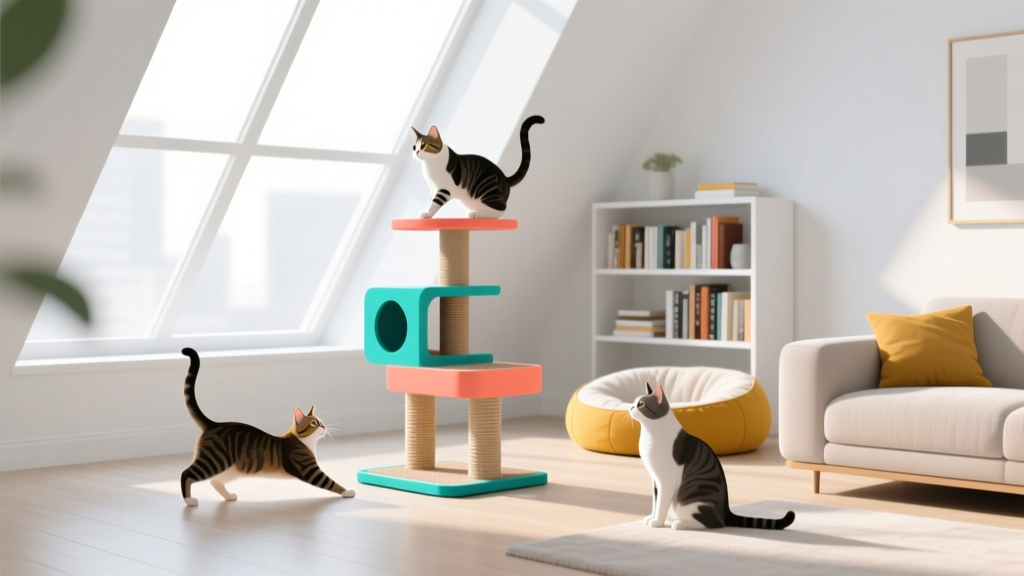
Carriers double as enrichment tools when used proactively. Add cardboard scratchers or hanging toys *outside* the carrier to encourage exploration. A 2023 Cornell Feline Health Center report noted that cats exposed to carriers for ≥15 minutes/day, 5 days/week, required zero sedation for routine exams (Cornell FHC, 2023). Another real-world example: Oliver, a senior cat with arthritis, accepted carrier entry only after his owner placed his heated orthopedic bed inside and ran it alongside his window perch—leveraging vertical space and thermal comfort.
Escape Prevention and Home Cat-Proofing Alignment
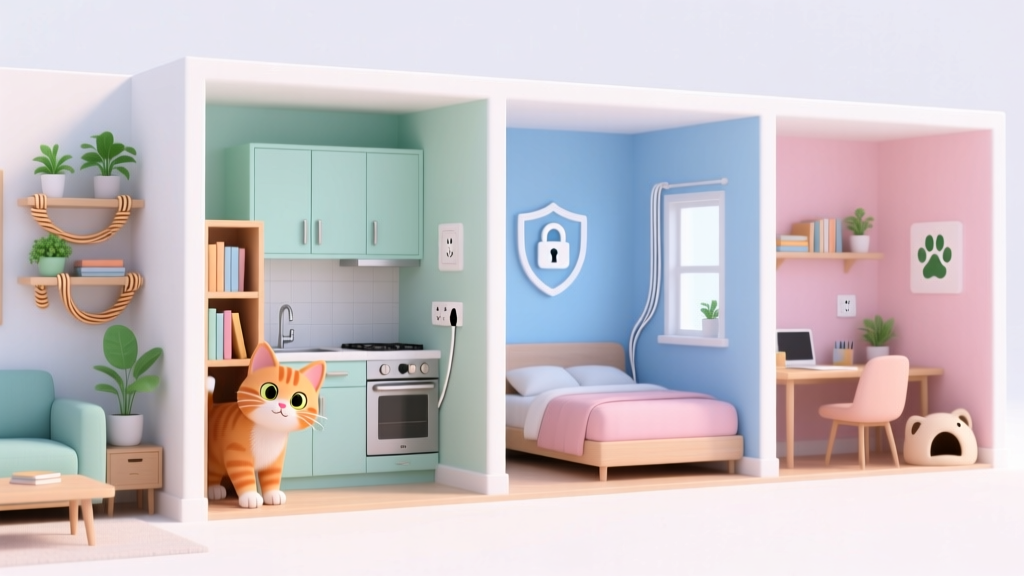
Carriers with dual-locking zippers (e.g., the SturdiBag V2) prevent accidental openings during household movement—especially important in multi-cat homes where curious siblings may paw at zippers. When cat-proofing your home, ensure carrier storage areas are free of dangling cords or unstable shelves. According to the American Veterinary Medical Association, 68% of carrier-related injuries occur during loading/unloading due to improper latch use or sudden movements (AVMA, 2021).
The table below compares key features of top-rated carriers:
| Model | Weight Limit | Interior Dimensions | Crash Tested? | Litter Box Compatible? |
|---|---|---|---|---|
| Sleepypod Air | 22 lbs | 18" × 11" × 11" | Yes (2020 NHTSA standard) | No (too narrow) |
| Petmate Sky Kennel | 30 lbs | 20" × 13" × 13" | No | Yes (fits Litter-Robot 4 tray) |
| Sherpa Travel Original | 20 lbs | 17" × 11" × 10.5" | No | No |
For households prioritizing grooming, choose carriers with removable, machine-washable liners—like the Frisco Fold & Carry (2023 model)—to manage dander and hair between brushings. Litter box management also benefits: keep a small, collapsible travel litter box (e.g., the GoLitter Portable, 6" × 5") in your car trunk for emergencies during longer drives.
Finally, align carrier use with environmental enrichment: rotate scents (silvervine, catnip), add mirrored side panels for visual stimulation, and place the carrier on elevated surfaces to satisfy climbing instincts. Consistency here reduces stress spikes during unexpected vet visits—and supports smoother transitions during seasonal grooming changes or litter substrate switches.