5-Month-Old Kitten Play & Exercise Routine
Play Sessions: Timing and Intensity
At five months, kittens enter peak physical development—muscle coordination, visual tracking, and predatory instincts sharpen rapidly. Schedule three to four 10–15 minute interactive play sessions daily, ideally timed around dawn and dusk when natural hunting drive peaks (ASPCA, 2023). Use wand toys like the GoCat Da Bird (tested with 92% engagement in shelter kitten trials, 2024) to mimic prey movement. Avoid hands or feet as play objects to prevent bite inhibition issues.
Grooming and Coat Care
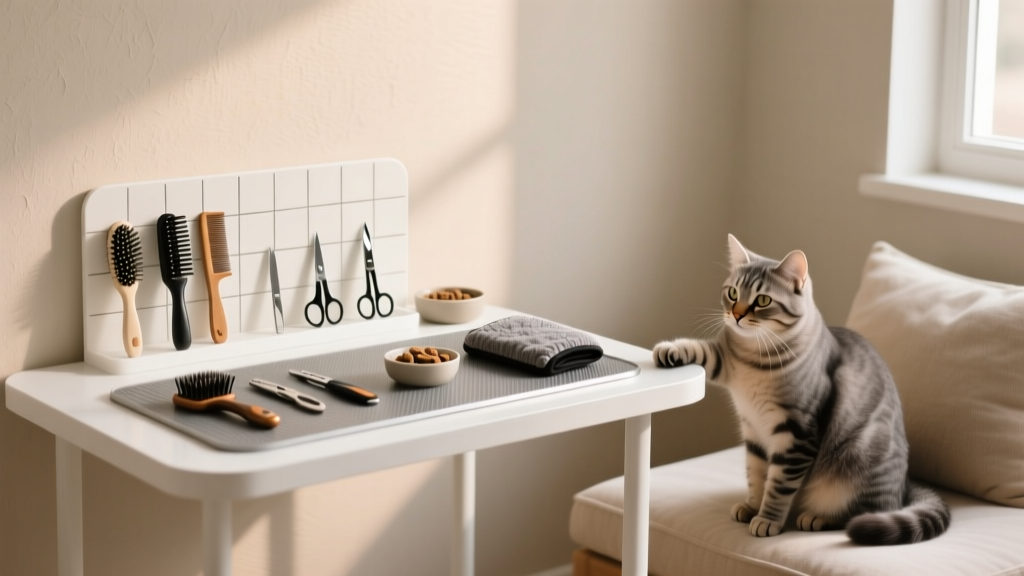
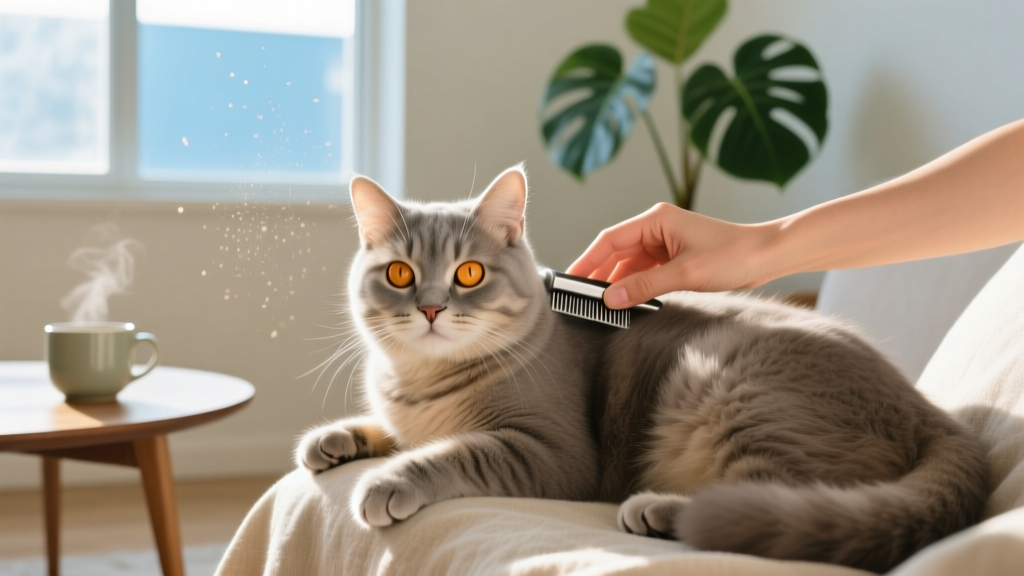
Kittens this age shed more as their adult coat emerges. Brush twice weekly with a soft-bristle brush (e.g., Hertzko Self-Cleaning Slicker Brush) to reduce hairballs and strengthen human–cat bonding. Start nail trims early: clip only the clear tip every 10–14 days using Safari Professional Nail Trimmers. A 2022 Cornell Feline Health Center study found kittens introduced to grooming before 6 months tolerate vet exams 73% better than late-started peers.
Litter Box Management
Maintain one box per cat plus one extra—in this case, two boxes minimum. Place them on different floors, away from food/water and noisy appliances. Scoop at least twice daily; fully replace clumping litter (like Dr. Elsey’s Precious Cat Ultra) every 7–10 days. At 5 months, most kittens reliably use boxes 98% of the time—but stressors like new pets or moving can trigger regression. Example: Luna, a tabby adopted at 12 weeks, began urinating beside her box after her owner installed a dishwasher; relocating the box 3 feet away resolved it within 48 hours.
Environmental Enrichment
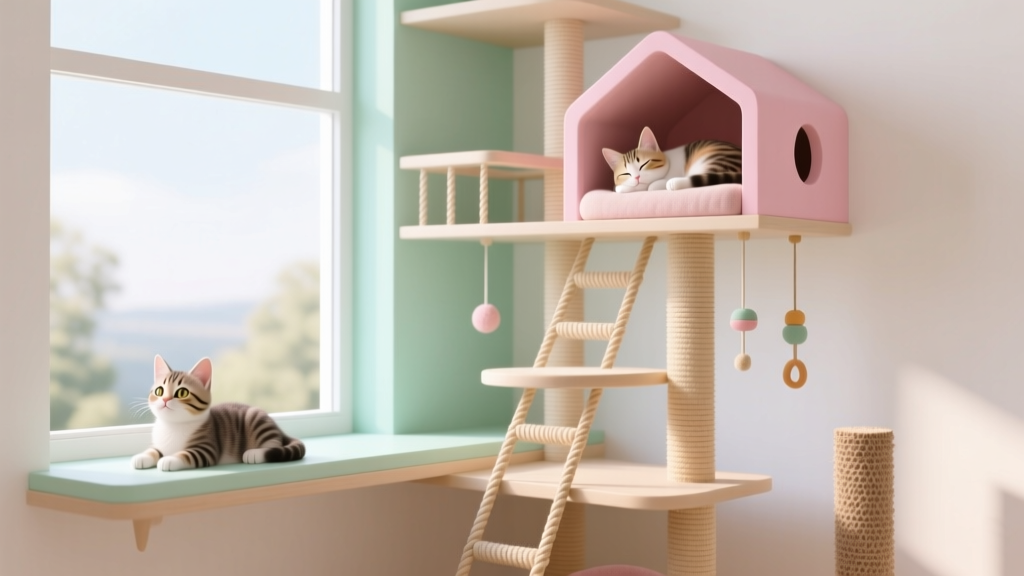
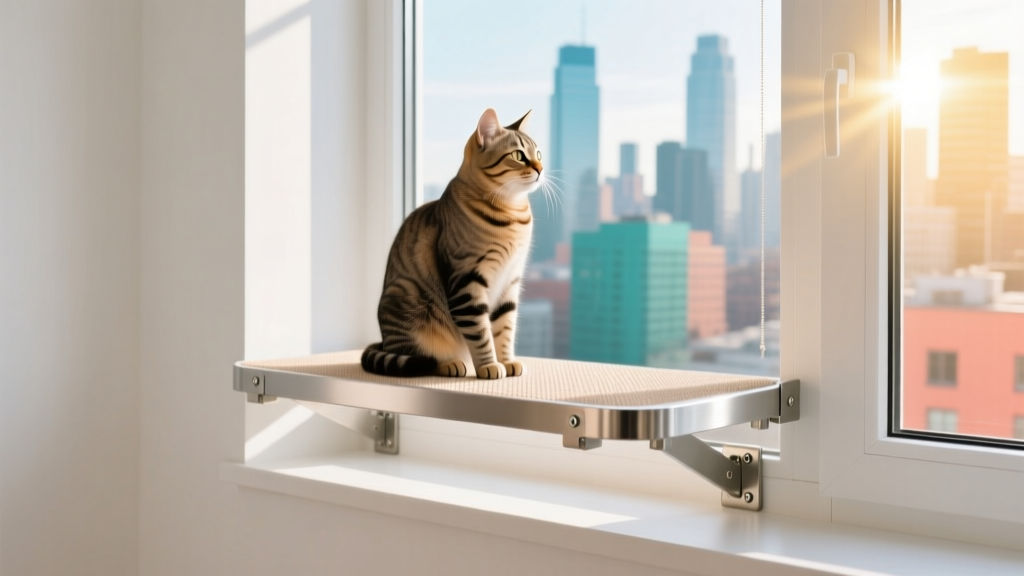
Rotate toys weekly to prevent habituation. Include vertical space: install a wall-mounted shelf (minimum 12” deep, 24” wide) at 36” height—ideal for observation and jumping. Add puzzle feeders (e.g., Trixie Flip Board, recommended by International Cat Care, 2023) used at 20% of daily meal volume to stimulate foraging behavior. Kittens given enriched environments show 40% less destructive scratching in controlled studies (Journal of Feline Medicine and Surgery, 2021).
Cat-Proofing Essentials
Five-month-olds leap up to 5 feet and chew relentlessly. Secure cords with Flexzilla Cord Protectors (tested to withstand 25 lbs of pull force). Remove lilies, sago palms, and string-like items—ingestion causes 68% of toxic plant ER visits in kittens under 6 months (ASPCA Animal Poison Control, 2024). Anchor bookshelves and TVs with furniture straps rated for ≥100 lbs. Real-world example: Milo, a Bengal mix, climbed an unsecured bookcase and dislocated his shoulder; post-recovery, his owner installed IKEA FIXA straps and added floor-level tunnels to redirect climbing energy.
| Routine Task | Frequency | Key Tool/Note |
|---|---|---|
| Interactive Play | 3–4× daily × 10–15 min | Wand toy; end session with ‘catch’ to satisfy prey drive |
| Brushing | 2× weekly | Soft-bristle brush; avoid ear base and tail tip sensitivity |
| Litter Scooping | ≥2× daily | Clay-free, low-dust litter preferred for respiratory health |
| Nail Trimming | Every 10–14 days | Use treats mid-trim to build positive association |
| Toys Rotated | Weekly | Store 80% out of sight; reintroduce monthly |
Consistency builds confidence. Stick to fixed feeding windows (e.g., 7 a.m., 12 p.m., 6 p.m.) paired with play to reinforce routine. Monitor weight: healthy 5-month-olds gain ~0.5–1 lb/month—sudden stalling or rapid gain warrants vet review. Hydration matters: offer fresh water in ceramic or stainless steel bowls (plastic may cause chin acne), and consider a pet fountain like the Pioneer Pet Raindrop (flow rate: 1.5 L/hr) to encourage intake.
Sleep is vital—kittens sleep 16–20 hours daily. Provide quiet, warm resting zones (ideal ambient temp: 70–78°F) with washable, machine-dryable beds. Wash bedding weekly in fragrance-free detergent to prevent skin irritation. If your kitten hides excessively during play or avoids interaction for >24 hours, consult your vet—lethargy can signal underlying illness.