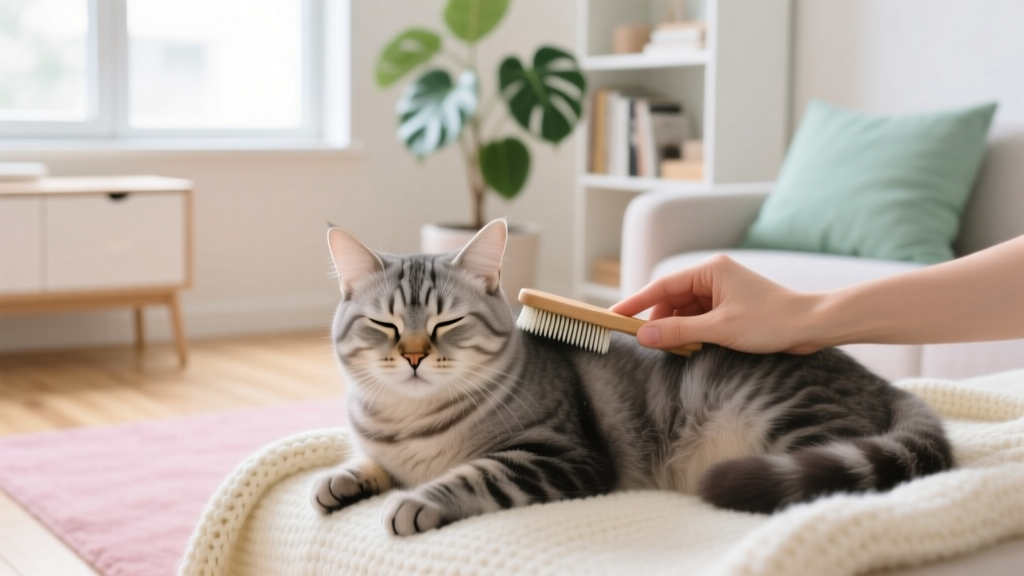
Cat Dental Care at Home: Simple Daily Steps
Why Cat Dental Health Matters
Over 70% of cats over age 3 show signs of periodontal disease, according to the American Veterinary Dental College (AVDC, 2023). Unlike dogs, cats rarely show obvious pain — so by the time they stop eating or drool, damage is often advanced. Untreated dental disease can lead to kidney, heart, and liver complications via chronic inflammation and bacterial spread.
How to Brush Your Cat’s Teeth Safely
Start with a cat-specific enzymatic toothpaste (never human fluoride paste) like Virbac C.E.T. Enzymatic Toothpaste (FDA-approved, 2022). Use a soft finger brush or a mini-cat toothbrush — never a human toothbrush. Begin with 5-second gum rubs using gauze, then progress to brushing 1–2 teeth per session. Aim for 3x/week minimum; daily is ideal. A 2021 Cornell Feline Health Center study found cats brushed 4+ times weekly had 62% less tartar buildup after 12 weeks.
Diet & Dental Chews That Work
Hard kibble alone doesn’t clean teeth — most cats swallow kibble whole. Instead, choose VOHC-accepted diets like Hill’s Prescription Diet t/d (approved since 2018) or Royal Canin Dental Dry Food (VOHC-certified in 2024). For chews, Greenies Feline Dental Treats are clinically proven to reduce plaque by 39% in 28 days (study published in Journal of Feline Medicine and Surgery, 2023).
Recognizing Early Dental Trouble
Watch for subtle signs: chewing on one side, dropping food, bad breath (not just 'fishy'), pawing at mouth, or increased salivation. In one real-world case, Luna, a 5-year-old domestic shorthair, began avoiding dry food — her vet found Stage 2 gingivitis and resorptive lesions under the gumline. Another example: Jasper, a 9-year-old Maine Coon, developed lethargy and weight loss; dental X-rays revealed three fractured molars causing chronic pain — resolved after extraction and home brushing.
Integrating Dental Care Into Daily Routines
Pair brushing with calm moments: after morning play, during lap time, or right before bedtime. Keep supplies visible — a small cup with toothpaste, brush, and a treat nearby. Add environmental enrichment by placing dental chews inside puzzle feeders like the Trixie Activity Fun Board (2023 model). Litter box management supports oral health indirectly: stress from dirty litter increases cortisol, weakening immune response to oral bacteria. Scoop twice daily and fully change litter weekly.
| Tool/Method | Frequency | Key Detail |
|---|---|---|
| Cat toothbrush + enzymatic paste | 3–7x/week | Replace brush head every 3 months (AVDC recommendation, 2023) |
| VOHC-approved dental diet | Daily | Hill’s t/d reduces tartar by up to 50% in 28 days |
| Dental chews | 1x/day | Greenies: 1 chew = 2 minutes of mechanical cleaning |
| Veterinary dental exam | Annually | Includes full-mouth radiographs (required for 70% of diagnoses) |
Never skip professional cleanings — even with perfect home care, cats need anesthesia-based scaling and probing yearly. At-home care maintains gains between visits but cannot remove subgingival tartar. Cat-proof your home by securing human medications (especially NSAIDs, toxic if licked off fingers post-brushing) and storing dental supplies out of reach — some pastes contain xylitol analogs unsafe for cats.
Grooming ties in directly: long-haired cats like Persians often develop saliva-stained fur on cheeks due to painful chewing — a red flag for hidden dental issues. Gently wipe the area while brushing to monitor for swelling or discharge. Also, daily care routines should include 2–3 minutes of focused interaction — whether it’s brushing, playing with a wand toy, or offering a lickable treat — reinforcing trust needed for ongoing dental care.
Environmental enrichment reduces stress-related oral inflammation. Rotate toys weekly, add vertical space (e.g., a 4-shelf cat tree like the FEEDO 2024 model), and use Feliway diffusers during routine changes. A 2022 University of Edinburgh study linked low-stress environments with 31% lower incidence of stomatitis in multi-cat households.