Senior Cat Grooming: Gentle Care for Aging Cats
Why Senior Cats Need Extra Grooming Help
As cats age, arthritis and reduced flexibility make self-grooming difficult. Matted fur, overgrown nails, and skin problems become common. Regular grooming sessions help your senior cat stay comfortable and let you catch health issues early.
Gentle Brushing Techniques
Use a soft-bristle brush or wide-toothed comb for aging cats. Start at the head and work toward the tail, following the direction of fur growth. Pay extra attention to areas your cat can no longer reach — the lower back, hindquarters, and belly.
- Short-haired cats: Brush 2–3 times per week
- Long-haired cats: Daily brushing to prevent mats
- Use a detangling spray for stubborn knots — never pull
Nail Trimming for Older Cats
Senior cats' nails grow faster than they wear down. Overgrown nails can curl into paw pads, causing pain and infection. Trim every 2–3 weeks using cat-specific nail clippers. If your cat resists, try trimming one paw per session.
Checking for Skin Issues
During grooming, check for lumps, scabs, bald patches, or parasites. Senior cats are prone to skin tumors, fungal infections, and flea allergies. Any new growth should be examined by a vet promptly.
Ear and Eye Care
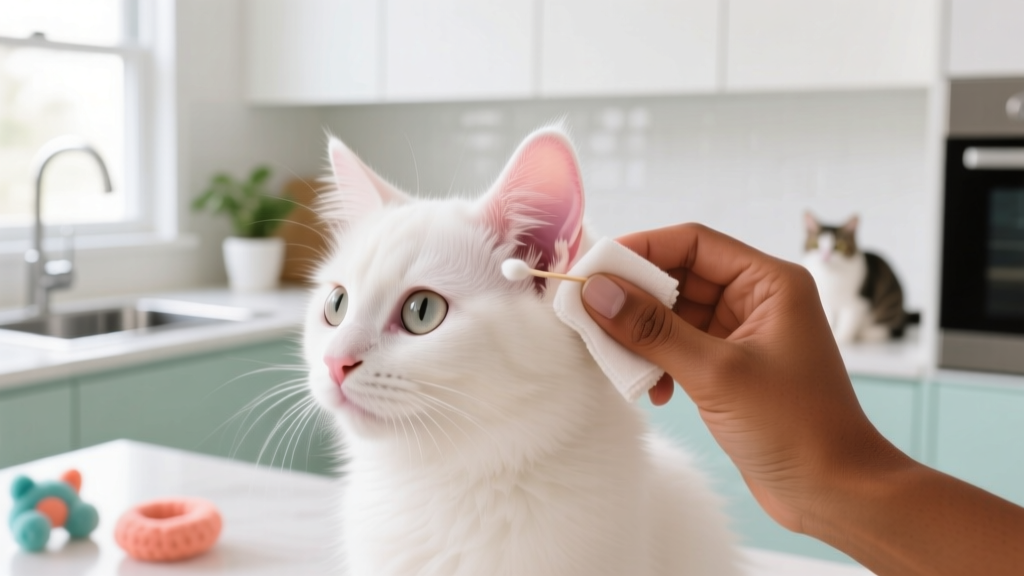
Wipe around the eyes with a damp cotton ball to remove discharge. Check ears weekly for dark wax buildup or redness — common signs of ear mites or infection. Clean outer ears with a vet-approved ear cleaner.
Making Grooming Comfortable
Choose a warm, quiet spot. Place a non-slip mat under your cat. Keep sessions short (5–10 minutes) and reward with treats. If your cat shows signs of pain during grooming, consult your vet — it could indicate arthritis or dental disease.