Cat Grooming at Home: 8 Pro Tips for 2026
Why Regular Grooming Matters
While cats are meticulous self-groomers, they still need help. Regular grooming prevents matting, reduces hairballs, distributes natural oils, and gives you a chance to check for skin issues, parasites, or lumps.
1. Choose the Right Brush for Coat Type
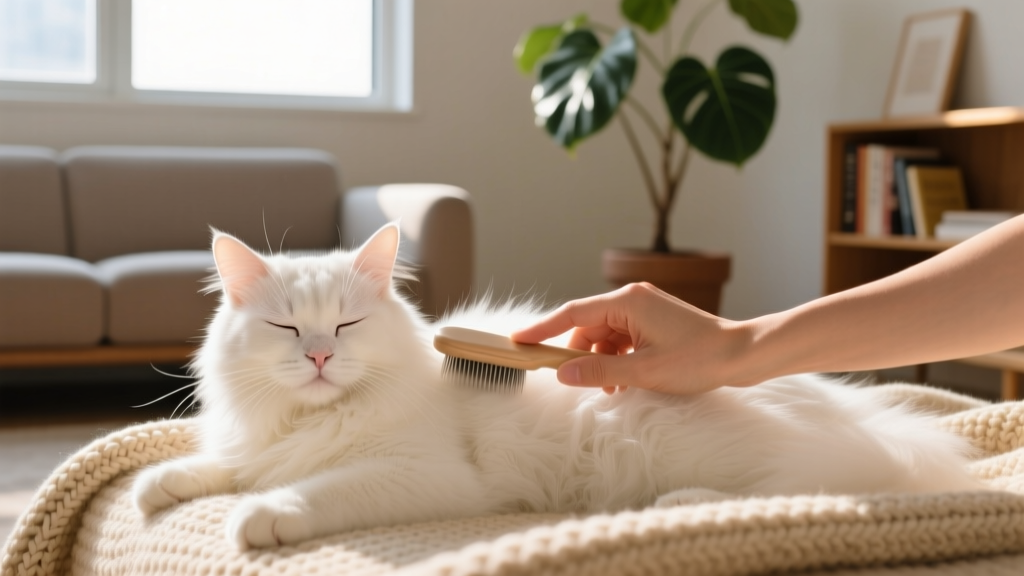
Short-haired cats benefit from rubber curry brushes or fine-toothed combs. Long-haired cats need a wide-toothed comb followed by a slicker brush. Using the wrong tool causes discomfort.
2. Brush in the Direction of Hair Growth
Always brush with the grain, never against it. Start at the head and work toward the tail. Pay extra attention to the belly, armpits, and behind the ears.
3. Tackle Mats Before Bathing
Never bathe a cat with mats—water tightens them. Use a dematting tool or carefully cut mats out with blunt-tipped scissors.
4. Nail Trimming Every 2-3 Weeks
Use cat-specific nail clippers. Press the toe pad to extend the claw, then clip just the clear tip—avoid the pink quick.
5. Ear Cleaning: Only When Needed
Check ears weekly. Use a vet-approved ear cleaner and cotton ball—never cotton swabs inside the ear canal.
6. Dental Care: Daily If Possible
Cat-specific toothpaste and a finger brush work well. Start slowly—let your cat taste the paste first, then progress to gentle brushing.
7. Bathing: Rarely but Properly
Most cats never need a bath. When necessary, use lukewarm water, cat shampoo, and a non-slip mat in the sink.
8. Create a Positive Routine
Associate grooming with positive experiences. Offer treats during and after sessions, keep them short (5-10 minutes), and stop before your cat shows stress.