Why Cats Sit on the Washing Machine While Running
You load the washer, toss in detergent, press start… and before the first slosh finishes, your cat appears like they’ve been summoned. They hop up, circle twice with great seriousness, and settle right on top of the washing machine as it rumbles into action—eyes half-closed, looking like they’ve booked a spa appointment.
If you’ve ever stood there thinking, “Why on earth is this relaxing to you?” you’re in excellent company. This is one of those classic cat-owner moments: baffling, slightly hilarious, and surprisingly revealing about how cats experience the world. The good news is that in most homes, it’s totally normal. The even better news is that it can tell you a lot about what your cat finds comforting, stimulating, and safe.
Scientific and Evolutionary Reasons: Warmth, Vibration, and “Safe Vantage Points”
Cats are built to notice—and use—tiny environmental details. A running washing machine offers three big things cats tend to love:
- Vibrations and rhythmic movement: Cats are highly tuned to subtle motion. In nature, vibration can mean prey moving underground, distant footsteps, or shifting terrain. In the home, a steady, predictable vibration can feel like a soothing “purr-like” hum. Many cats find rhythmic sensation calming, especially if it’s consistent rather than jerky or sudden.
- Heat (sometimes): Depending on your machine and where it’s located, the top can become slightly warm, especially in a cozy laundry room. Cats are heat-seeking missiles in fur coats. Even mild warmth can be a major attraction.
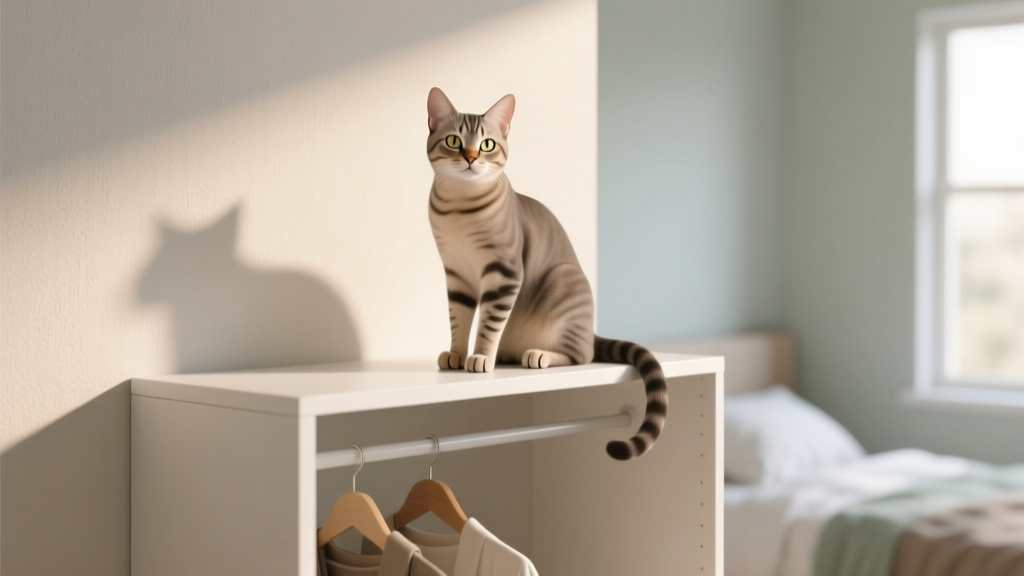
- A raised, secure perch: Evolutionarily, cats like to observe from above. A perch gives them information and control. A washing machine top is wide, stable (most of the time), and offers a good view of whatever human is doing—plus it’s often in a quieter room.
Combine those with a busy household where the laundry room might feel like a calm “side quest,” and you have a pretty compelling feline hangout spot.
Different Contexts: What’s Really Going On in Your Home
Not all washing-machine lounging is the same. The “why” can vary based on the cat, the environment, and even the type of laundry cycle.
1) The “I Love the Hum” Cat
This cat jumps up as soon as the machine starts and stays put through the entire cycle. They may knead a little, tuck their paws, and look deeply unbothered by modern life. Often these cats enjoy other steady sensory experiences too—like sitting near a fan, lying on a laptop, or draping themselves across a speaker during calm music.
2) The “Laundry Room = Quiet Room” Cat
Some cats choose the washing machine because the laundry area is lower traffic. If you have kids, guests, or another pet, your cat might be claiming a quieter zone where they can still be near you but not in the center of the action.
3) The “I Must Supervise” Cat
Cats are surprisingly invested in routines. Laundry is a predictable human ritual, and some cats view it as their job to oversee it. These cats often follow you from room to room and prefer being close during chores—cooking, cleaning, even folding clothes (especially folding clothes, because it creates fresh squares for them to sit on).
4) The “This Is Fascinating” Cat
Some cats are drawn to the visual and auditory novelty: the whir, the water, the shifting scents. They may sit upright, ears swiveling, watching the lid or listening closely. This is especially common in younger cats or naturally curious personalities.
5) The “Seeking Comfort” Cat
If your cat only does this during storms, fireworks, visitors, or schedule changes, the washing machine may be functioning as a self-soothing station. The predictable vibration and sound can mask startling noises and provide a steady sensory anchor.
What It Means About Your Cat’s Mood and Feelings
A cat perched on a running washer can be expressing several emotional states. Here are common “translations,” with body language clues:
- Content and secure: Loose posture, tucked paws, slow blinks, relaxed tail. This cat is comfortable in the environment and sees the machine as safe.
- Curious and alert: Upright posture, forward ears, focused gaze, tail wrapped or gently flicking. They’re engaged and investigating.
- Seeking closeness: They hop up when you enter, chirp, rub your legs, or roll onto their side once you’re nearby. The machine is part perch, part “hangout with my human” station.
- Slightly stressed but coping: Ears not fully forward, wide eyes, tense loaf, tail held close. They may still choose the machine because the steady noise helps them regulate. (Think of it like white noise for cats.)
One of the most useful takeaways: cats repeat behaviors that work. If the washing machine makes them feel calm, entertained, warm, or close to you, they’ll keep doing it.
Related Behaviors You Might Also Notice
Washer-sitting rarely comes alone. If your cat is into this, you may also see:
- Sleeping in the laundry basket: Soft, enclosed, smells like you. A perfect cat recipe.
- “Helping” with warm laundry: Fresh-from-the-dryer clothes are basically a heated cat bed disguised as a towel.
- Sitting on appliances: Fridge top, router shelf, cable box—anything that’s warm or vibrates gently can become prime real estate.
- Kneading behaviors: Especially on soft items near the machine. Kneading is a comfort behavior that can show relaxation or attachment.
- Following you to the laundry room: Cats often build “rituals” around household routines. If laundry is part of your day, it becomes part of their day too.
When It’s Normal vs When It Might Be a Concern
Most of the time, sitting on the washing machine is harmless enrichment. Still, there are a few situations where it deserves a closer look.
Usually Normal If:
- Your cat is relaxed and can easily hop down.
- They eat, drink, play, and use the litter box normally.
- The behavior is occasional or part of a broader pattern of “likes warm/vibrating spots.”
- They don’t seem panicked by the machine’s noise.
Potentially Concerning If:
- It’s a sudden new behavior paired with clinginess or hiding: Could signal stress, environmental change, or discomfort.
- Your cat seems compelled to stay there for long periods and won’t settle elsewhere: Sometimes cats seek vibration/heat when they’re uncomfortable, though it’s not specific to any one issue.
- They startle easily, vocalize anxiously, or appear “stuck” in a tense posture: This suggests the machine might be too intense, or your cat is using it to cope with ongoing stress.
- There’s risk of injury: An unstable machine, strong spin cycles, a slippery top, or access to cords/chemicals can turn a quirky habit into a hazard.
If you’re seeing other changes—reduced appetite, litter box changes, increased aggression, or withdrawal—it’s worth checking in with your veterinarian and considering any household stressors.
How to Respond (and How to Encourage It Safely)
You don’t need to “correct” this behavior unless it’s unsafe. Instead, think of it as information: your cat is telling you what sensations they enjoy and where they feel secure.
Make the Spot Safer
- Stabilize the machine: If it “walks” during spin cycles, adjust the feet or use anti-vibration pads. A wandering washer isn’t just loud—it’s unpredictable for a cat.
- Add a non-slip mat: A rubber shelf liner or thin non-slip mat can prevent sliding. Avoid thick bedding that could shift.
- Keep detergents secured: Store pods and liquids in closed cabinets. Cats are curious, and laundry products can be dangerous if chewed or spilled.
Offer Alternative “Approved” Spots
- A tall perch nearby: A cat tree or wall shelf in view of the laundry action can satisfy the “supervisor” instinct.
- A heated cat bed: If warmth is the draw, a pet-safe heated pad (low, steady warmth) can become their favorite station.
- White noise or calming sounds: If your cat uses the washer for soothing noise, a fan or sound machine can provide a similar effect without the movement.
Reinforce Calm, Not Climbing Risks
If your cat tries to jump onto unstable surfaces nearby (like stacked baskets or shelves), redirect gently. Call them to a safer perch and reward with a treat or a few seconds of cheek rubs—whatever they enjoy. You’re teaching: “I see your need; here’s the safe way to meet it.”
Fun Facts and Research-Flavored Insights
- Cats process their world through “multisensory comfort.” A spot isn’t just warm or just high—it’s the combination of scent, sound, texture, and predictability. The washing machine checks multiple boxes at once.
- Rhythm is regulating. Many species respond to steady, repetitive sensory input with calmer behavior. Think rocking a baby, or a cat purring when anxious as well as when happy—rhythm can be self-soothing.
- Cats love routine almost as much as they love novelty. The laundry cycle is predictable, and predictability is security. A cat who knows what happens next feels safer.
And yes—some cats really do seem to enjoy the “massage chair” effect. If your cat looks blissful during the spin cycle, they may have discovered a very odd version of a vibrating lounger.
FAQ: Common Questions Cat Owners Ask
Is it safe for my cat to sit on top of the washing machine while it’s running?
Often, yes—if the machine is stable, the top isn’t slippery, and your cat can hop down easily. Add a non-slip mat and make sure detergents and cords are secured. If the machine shakes hard or moves, fix that first.
Why does my cat only do this during the spin cycle?
The spin cycle typically creates the strongest, most consistent vibration. For a cat who enjoys rhythmic sensation, that’s the “best part.” If your cat seems tense rather than relaxed, they may be uncertain and using the perch to monitor the noise.
My cat seems obsessed with the washing machine. Should I worry?
If they’re otherwise eating, playing, and behaving normally, it’s usually just a favorite hangout. If the behavior is new and intense, or paired with other changes (hiding, appetite changes, litter box issues), consider stress in the household or a veterinary check.
Why does my cat try to get inside the washer or dryer?
Warmth, enclosure, and interesting smells can make appliances tempting. This is one behavior to take seriously: always check the drum before starting, keep doors closed, and consider child-proof latches if your cat is determined.
Can I train my cat to stop sitting there?
You can, but it’s usually better to manage rather than “ban” unless it’s unsafe. Offer a nearby perch with similar benefits (height, warmth, routine access) and reward your cat for using it. Make the washing machine top less appealing with temporary barriers if needed.
Does this mean my cat is anxious?
Not necessarily. Many confident, relaxed cats do it for comfort and entertainment. Anxiety is more about the full picture—body language, daily habits, and whether your cat can relax in other places too.
Cats sitting on running washing machines is one of those wonderfully odd behaviors that makes living with cats feel like sharing your home with a tiny, furry scientist. Whether they’re enjoying the hum, claiming a perch, or supervising your laundry technique, it’s a reminder that cats are always balancing comfort, curiosity, and control.
Does your cat have a favorite “weird relaxation spot”—the washer, the printer, the router shelf, the warm laundry pile you just folded? Share your story (and your funniest laundry-room moments) with the Cat Lovers Base community at catloversbase.com.