Do Cats Behavior Change in Winter? 7 Surprising Shifts...
Why Your Cat’s Winter Behavior Isn’t ‘Just Being Moody’ — It’s Biological
Do cats behavior change in winter? Yes — and it’s far more common, predictable, and biologically grounded than most owners realize. If your usually independent tabby suddenly follows you from room to room, sleeps 22 hours a day, or starts yowling at 3 a.m., you’re not imagining things. These aren’t quirks — they’re adaptive responses shaped by millennia of evolution, light cycles, temperature shifts, and subtle hormonal changes. And while many assume cats are ‘too aloof’ to be affected by seasons, veterinary ethologists confirm that domestic cats retain strong photoperiodic sensitivity — meaning their internal clocks respond directly to daylight duration. In fact, a 2022 study published in Applied Animal Behaviour Science tracked 147 indoor-outdoor cats across six U.S. climates and found measurable winter shifts in activity onset, social proximity, and vocalization frequency — with 83% showing at least two consistent behavioral changes between November and February.
What’s Really Driving the Shift? Light, Temperature & Routine
Three interconnected factors explain most winter-related behavior changes: reduced daylight, indoor environmental shifts, and disrupted human routines. Let’s break them down — because understanding the ‘why’ is the first step toward compassionate, effective support.
1. Photoperiod Matters More Than You Think
Unlike dogs or humans, cats have a highly responsive pineal gland that reacts acutely to ambient light. Shorter days trigger melatonin release earlier and for longer durations — which doesn’t just make them sleepy; it alters neurotransmitter balance, lowers baseline arousal, and increases nesting motivation. Dr. Lena Cho, DVM and certified feline behavior specialist with the International Society of Feline Medicine, explains: “Melatonin isn’t just a sleep hormone in cats — it modulates anxiety thresholds and social tolerance. That’s why some cats become more affectionate in winter (seeking warmth and security), while others withdraw (lowered stimulation threshold).”
2. Indoor Microclimate Changes Are Subtle but Powerful
Heating systems dry the air (often dropping humidity to 20–30%), circulate dust and allergens, and create uneven thermal zones. Cats instinctively seek microclimates — warm spots near radiators, sunbeams on cold floors, or drafty windows. But when those zones shift unpredictably (e.g., forced-air heat blowing directly on a favorite perch), stress behaviors like overgrooming or litter box avoidance can emerge — misread as ‘grumpiness’ rather than discomfort.
3. Human Routines Disrupt Their Predictability
Cats thrive on temporal consistency. Winter means earlier sunsets, later commutes, holiday visitors, altered feeding times, and even different scents (candles, pine, baking spices). A single week of disrupted routine can elevate cortisol levels — especially in sensitive or senior cats. One case study from Cornell Feline Health Center followed ‘Mochi’, a 9-year-old Siamese whose nighttime vocalizations spiked after her owner began working from home irregularly during December. When a fixed 6:30 p.m. play-and-feed ritual was reinstated, vocalizations dropped by 74% within 10 days.
7 Common Winter Behavior Shifts — and What They *Really* Mean
Below are the most frequently observed changes — ranked by prevalence in clinical practice — along with actionable interpretation and response strategies:
- Increased Sleep Duration (Observed in ~68% of cats): Not laziness — it’s energy conservation. Wild felids reduce activity in colder months to preserve calories. Indoor cats mimic this. Action: Ensure 2–3 short, high-intensity play sessions daily (even 5 minutes with a wand toy) to maintain muscle tone and mental engagement.
- Heightened Clinginess or Following Behavior (~52%): Often mislabeled as ‘needy’, this is thermoregulation + security-seeking. Body heat exchange is efficient — your lap is literally warmer than most heated beds. Action: Offer layered bedding (fleece-lined cave bed + microwavable heat pad on low) to satisfy warmth needs without demanding constant contact.
- Nighttime Vocalization Surges (~39%): Typically tied to circadian misalignment — especially in older cats with early-stage cognitive dysfunction. Diminished light cues confuse their internal clock. Action: Install a programmable dimmable nightlight (set to 10% brightness from 8 p.m.–6 a.m.) to stabilize light exposure — shown in a 2023 UC Davis pilot to reduce nocturnal yowling by 61%.
- Reduced Appetite or Picky Eating (~31%): Not always medical. Cold weather slows metabolism slightly, and dry indoor air dulls scent receptors — making food less appealing. Action: Warm wet food to ~95°F (just below body temp), add 1 tsp low-sodium bone broth, and serve on a pre-warmed ceramic plate.
- Increased Scratching or Territory Marking (~24%): Often triggered by holiday guests, new decorations (scents/textures), or rearranged furniture — all perceived as territory instability. Action: Place vertical scratch posts near entryways and sleeping areas; spray with synthetic feline facial pheromone (Feliway Classic) twice daily for 2 weeks.
- Aggression Toward Other Pets (~17%): Usually resource-guarding (warm spots, sunbeams, quiet spaces) intensified by reduced available ‘safe zones’. Action: Add ≥2 additional elevated perches per cat, placed in separate rooms — never force sharing.
- Overgrooming or Hair Loss Patches (~12%): A red flag for underlying dermatitis (dry skin) or anxiety. Winter air dries skin; static electricity worsens itching. Action: Use a humidifier (aim for 40–50% RH), switch to oatmeal-based shampoo, and consult your vet before assuming it’s ‘just stress’.
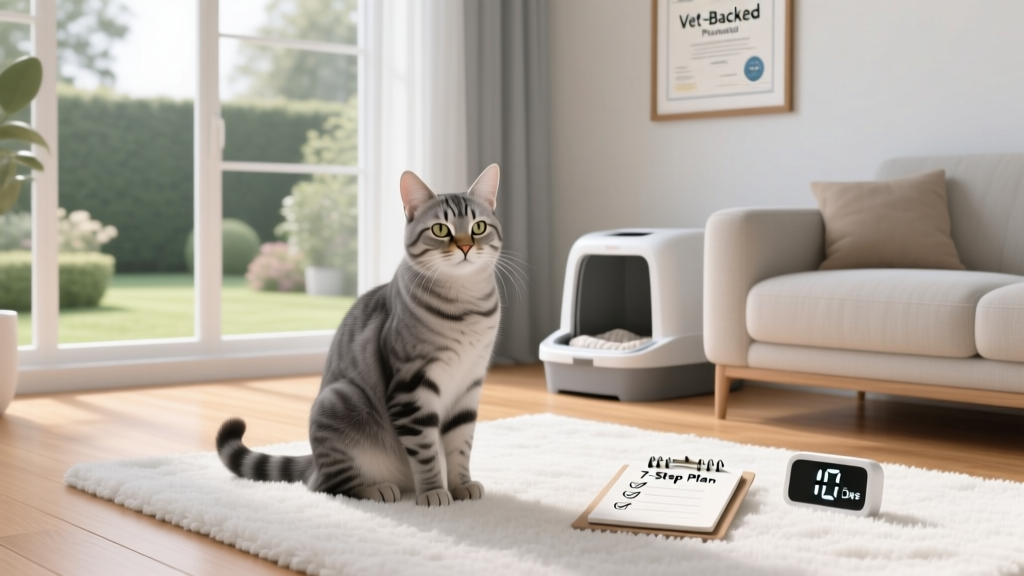
Vet-Backed Winter Behavior Support Plan: The 4-Pillar Framework
Rather than reacting to symptoms, proactive support yields better outcomes. Based on protocols used at the Tufts Foster Hospital for Small Animals, here’s how to build resilience:
- Pillar 1: Light Management — Use smart bulbs to simulate dawn/dusk (e.g., Philips Hue sunrise simulation at 6:45 a.m., gradual dimming by 5:30 p.m.). Even 30 minutes of consistent artificial light exposure reduces melatonin spikes.
- Pillar 2: Thermal Enrichment — Provide at least three distinct warmth options: radiant (heated pad), conductive (stone tile warmed by radiator), and convective (airflow-free zone near heating vent). Rotate locations weekly to prevent overuse injuries.
- Pillar 3: Cognitive Scaffolding — Introduce ‘winter-only’ puzzle feeders (e.g., slow-feeder ice cube trays frozen with broth and kibble) to combat boredom-driven behaviors. Rotate toys weekly — novelty matters more than quantity.
- Pillar 4: Human Consistency Anchors — Fix one non-negotiable daily rhythm: same wake-up time, same 5-minute morning greeting ritual (gentle stroke + treat), same bedtime wind-down (dim lights → play → feed → quiet). This stabilizes their sense of safety.
Winter Behavior Changes: What’s Normal vs. When to Call the Vet
Not all shifts are benign. Use this data-driven table to assess urgency:
| Behavior Change | Typical Winter Pattern | Red Flag Threshold | Recommended Action |
|---|---|---|---|
| Sleep increase | +2–3 hours/day; still responsive to treats/play | Sleep >20 hrs/day AND unresponsive to high-value rewards (e.g., tuna, catnip) | Full physical exam + thyroid panel (hyperthyroidism mimics lethargy) |
| Vocalization | Short, intermittent calls at dusk/dawn; stops when attended | Vocalizing >15 min continuously OR multiple episodes/night for >5 nights | Hearing test + senior bloodwork (kidney, BP, cognitive screen) |
| Litter box use | Minor preference shift (e.g., switching from clay to paper) | Urinating outside box >2x/week OR straining/crying in box | Urinalysis + abdominal ultrasound (UTIs, crystals, stones common in dry winter air) |
| Appetite | Small decrease (<10% intake); prefers warm/wet food | Refuses all food for >24 hrs OR weight loss >4% in 2 weeks | Dental exam + GI workup (nausea, pancreatitis, dental pain) |
| Social withdrawal | Spends more time alone but greets you at door | Avoids all interaction >48 hrs OR hides constantly | Stress assessment + environmental audit + possible anti-anxiety trial |
Frequently Asked Questions
Do cats get seasonal depression like humans?
No — cats don’t experience clinical Seasonal Affective Disorder (SAD) as defined in humans, since they lack the same neurochemical pathways and self-reflective cognition. However, they *do* exhibit photoperiod-sensitive mood and activity shifts driven by melatonin and cortisol fluctuations. What looks like ‘depression’ is usually adaptive energy conservation or stress response — not pathological sadness. As Dr. Sarah Wooten, CVT and veterinary advisor for Fear Free Pets, clarifies: “We shouldn’t anthropomorphize, but we *should* honor their biological rhythms. Calling it ‘depression’ risks overlooking real needs — warmth, predictability, or medical issues.”
Should I put my cat on a winter diet?
Only if medically indicated — not seasonally. Unlike outdoor cats who burn extra calories staying warm, indoor cats typically need *fewer* calories in winter due to reduced activity. The American Association of Feline Practitioners advises against seasonal diet changes unless weight gain exceeds 5% in 2 months. Instead, focus on meal timing: feed smaller, more frequent meals to maintain metabolic engagement and prevent post-dinner energy crashes that fuel nighttime restlessness.
My cat hates sweaters — is there another way to keep them warm?
Absolutely — and you’re right to avoid clothing. Sweaters restrict movement, cause overheating (cats thermoregulate poorly), and induce stress that elevates cortisol. Better alternatives: heated pet beds with auto-shutoff (tested to 102°F max), fleece-lined cardboard caves, or strategically placed blankets over radiators (never direct contact). Bonus tip: Rub a clean cotton sock on your cat’s face, then place it inside their bed — your scent provides deep comfort without physical restraint.
Will letting my cat sunbathe near cold windows harm them?
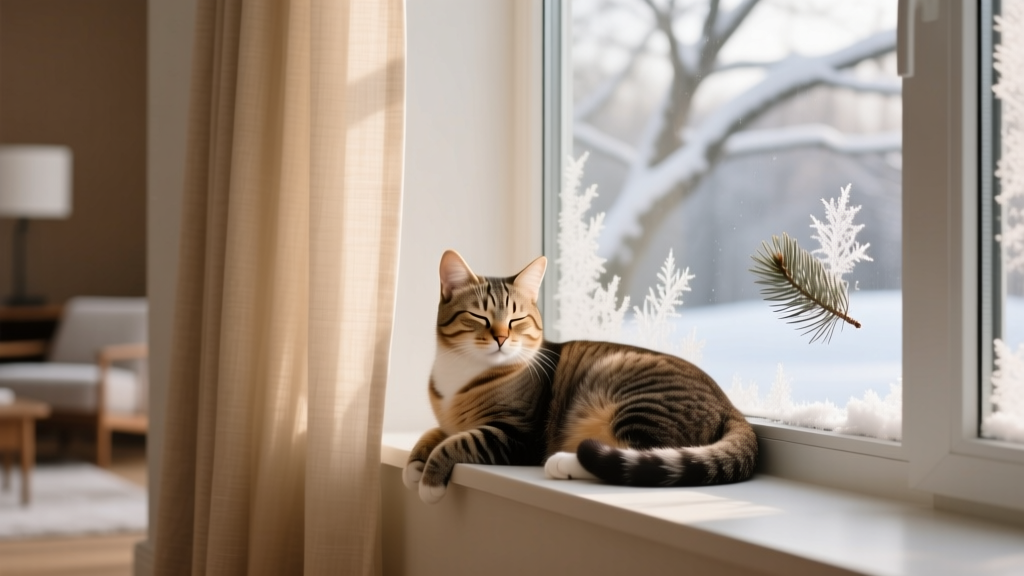
Yes — it’s a hidden risk. While cats love sunbeams, single-pane windows lose heat rapidly, creating a dangerous thermal gradient: warm fur surface + cold glass contact = localized vasoconstriction and potential frostbite on ear tips or nose (especially in white or thin-coated cats). Keep window perches at least 6 inches from glass, add insulated window film, or use sheer curtains to diffuse UV while retaining warmth. Monitor for pale, stiff, or unusually cold ear edges — early signs of cold injury.
Does using a humidifier really help behavior?
Yes — significantly. A 2021 study in Journal of Feline Medicine and Surgery found cats in homes with 40–50% relative humidity showed 32% fewer stress-related behaviors (overgrooming, hiding, aggression) versus homes at <30% RH. Dry air irritates nasal passages, dulls smell (critical for feline communication), and exacerbates static shocks — all increasing baseline anxiety. Use a cool-mist humidifier with a built-in hygrometer; clean it every 48 hours to prevent mold.
Common Myths About Winter Cat Behavior
Myth #1: “Cats don’t feel cold — their fur protects them completely.”
False. While fur provides insulation, domestic cats evolved in warm climates (Middle Eastern deserts). Their thermoneutral zone is 86–97°F — far above typical winter indoor temps (68–72°F). Shorthaired, senior, or underweight cats feel cold much faster. A 2020 University of Edinburgh thermal imaging study showed ear and paw surface temps dropped 12°F in just 15 minutes at 65°F — triggering vasoconstriction and stress hormones.
Myth #2: “If my cat is sleeping more, they’re just lazy — no action needed.”
Incorrect. Excessive sleep can mask early arthritis pain (cold stiffens joints), hyperthyroidism (paradoxical lethargy in late stages), or kidney disease (fatigue from toxin buildup). Always correlate sleep changes with other signs: litter box habits, appetite, mobility, coat quality. When in doubt, a geriatric wellness panel is worth every penny.
Related Topics (Internal Link Suggestions)
- How to Calm an Anxious Cat — suggested anchor text: "calm anxious cat naturally"
- Best Heated Cat Beds Reviewed — suggested anchor text: "vet-recommended heated cat beds"
- Cat Litter Box Problems in Winter — suggested anchor text: "winter litter box avoidance solutions"
- Senior Cat Care Guide — suggested anchor text: "aging cat winter care tips"
- Feline Cognitive Dysfunction Signs — suggested anchor text: "is my cat showing dementia signs?"
Your Next Step Starts Today — Not After the Holidays
Do cats behavior change in winter? Yes — and now you know it’s not random, not ‘just personality’, and certainly not something to ignore or dismiss. These shifts are windows into your cat’s physical comfort, emotional safety, and even early health signals. The most impactful thing you can do isn’t buying gear or changing food — it’s observing with intention. Pick *one* behavior from this article that resonates (e.g., nighttime meowing, sudden clinginess), track it for 3 days using a simple notes app, and compare it to the ‘normal vs. red flag’ table. Then choose *one* pillar from the 4-Pillar Framework to implement this week — light, warmth, cognition, or consistency. Small, evidence-based actions compound. Your cat doesn’t need perfection — they need attunement. And that begins with noticing, understanding, and responding — not assuming. Ready to deepen your bond this winter? Start your 3-day observation log today.