Why Cats Sit on the Garden Statue Head
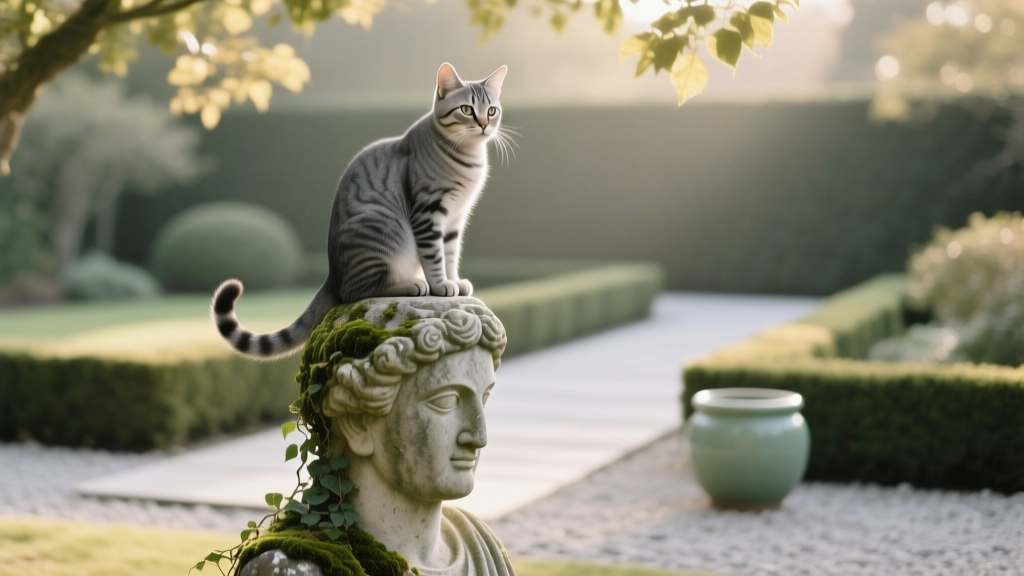
You glance out the window to check the weather, and there’s your cat—perched like royalty on the stone head of a garden statue. Maybe it’s a cherub, a gnome, or an old bust that’s seen better days. Either way, your cat has chosen it as their personal throne, calmly surveying the yard like a tiny, furry neighborhood watch captain.
If you’ve ever wondered, “Why that spot?” you’re in good company. Cats don’t do random very often. Even their quirkiest choices usually make perfect sense in “cat logic”—a blend of instinct, comfort, and a dash of mischief.
The Scientific (and Ancient) Reasons Cats Love Elevated Perches
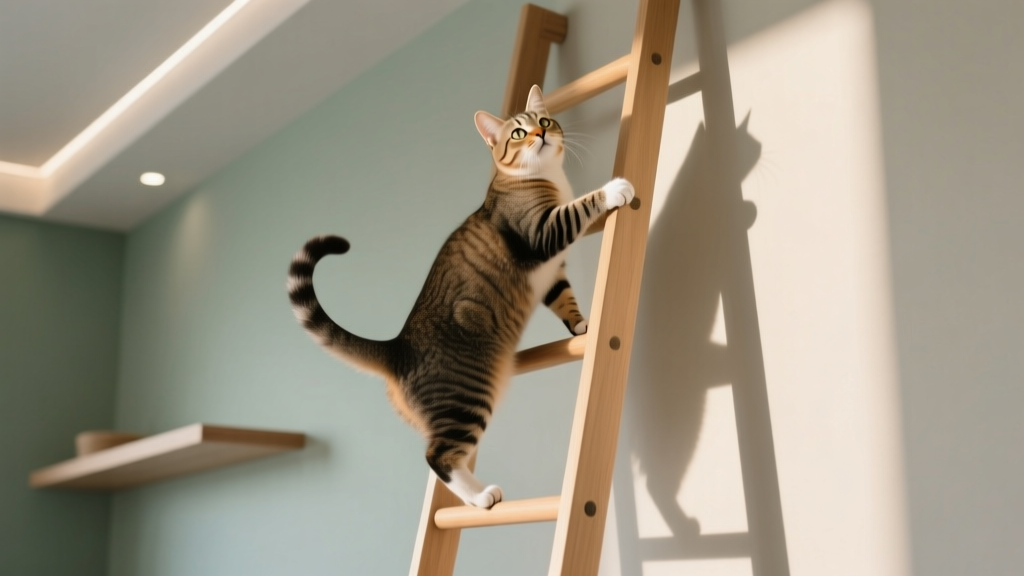
Cats are both predators and—especially outdoors—potential prey. That combination has shaped a brain that’s always quietly asking: “Where am I safest, and where can I see everything?” Height is the answer to both.
From an evolutionary standpoint, perching up high provides:
- Surveillance: Cats can spot birds, squirrels, or neighborhood cats sooner.
- Safety: A higher viewpoint can reduce surprise encounters with dogs or other threats.
- Control of territory: Overlooking a space helps cats feel like they “own” it.
- Strategic positioning: Cats are ambush hunters. Height can improve stalking opportunities.
A garden statue head is often the perfect micro-perch: elevated, stable, and shaped in a way that makes a cat feel tucked in while still “on top.” In cat terms, it’s a winning piece of real estate.
Why the Statue Head Specifically? A Context-by-Context Breakdown
Cats sit on statue heads for many reasons, and the meaning can change depending on what else is going on in their world. Here are the most common “whys,” with examples you’ll probably recognize.
1) It’s the best lookout tower in the yard
If your yard has tall grass, bushes, fences, or frequent wildlife visitors, the statue may be your cat’s chosen observation deck. You’ll often see this when your cat’s body is upright, ears forward, eyes scanning, and tail wrapped neatly around paws like a scarf.
Classic scene: Your cat sits statue-top at dawn and dusk—prime “activity hours” for birds and small critters—barely moving except for a slow head turn as they track motion.
2) The statue holds heat (or stays cool)
Stone, concrete, and metal can absorb and retain temperature. Depending on the season, that statue head might be a heated seat or a cool pillow.
- Cooler months: Sun-warmed stone can be cozy long after the sunshine fades.
- Hot months: Shaded stone can feel cooler than the ground.
Clue: If your cat flops into a loaf position and looks half-asleep, comfort is likely driving the choice.
3) It smells like “theirs” (and they’re updating the sign)
Cats communicate heavily through scent. They rub their cheeks and bodies on objects to deposit friendly “family” pheromones. If your cat frequently sits on the statue head, they may also be scent-marking it—especially if it’s near a walkway, gate, or fence line where other animals pass.
Translation: “This is part of my territory, and I’d like everyone to know it’s under management.”
4) It’s a social spot with a view of you
Cats often choose perches that give them sightlines to the “important stuff”—including you. If the statue is near a patio, kitchen window, or garden where you work, your cat may be using it as a companion perch.
Look for: Slow blinks in your direction, relaxed ears, and a calm posture while you move around.
5) It feels like a “boundary seat”
Statues are frequently placed near borders: entryways, paths, corners of the yard. Boundary locations matter to cats. Sitting there can be a way of monitoring who comes and goes—other cats, delivery people, dogs, and even that one squirrel with the attitude.
Common in multi-cat neighborhoods: Your cat may pick the statue head as a neutral observation point instead of walking the perimeter where confrontation is more likely.
6) It’s simply interesting: texture, shape, and stability
Cats are tactile. A statue head might have a gently rounded surface, a grippy texture, or a “nest-like” dip that feels secure under paws. Some cats adore surfaces that feel slightly rough for scratching or rubbing.
Bonus cat logic: The weirder the object looks to humans, the more intriguing it can be to cats.
What Sitting on the Statue Head Says About Your Cat’s Mood
The perch is one thing; your cat’s body language is the real message. Here’s what the “statue head sit” can mean emotionally.
- Relaxed and content: Loaf posture, soft eyes, slow blinks, ears neutral or gently forward. This is “I feel safe here.”
- Curious and engaged: Upright posture, ears swiveling, focused gaze. This is “I’m monitoring my kingdom.”
- Confident and territorial: High chest, tail draped with purpose, occasional cheek rubs. This is “I belong here.”
- On edge or vigilant: Body tense, crouched low, rapid head movements, tail twitching at the tip. This is “Something’s up.”
- Avoiding interaction: Your cat chooses the statue head when guests arrive or when another cat is nearby. This can be “I need space, but I still want to observe.”
Most of the time, statue perching is a sign of a cat who feels secure enough to rest or observe from a chosen vantage point—an outdoor version of sitting on the back of the couch.
Related Quirky Behaviors You Might Notice
If your cat loves the statue head, you may also see these familiar “elevation and ownership” habits:
- Perching on fence posts like a tightrope walker (and acting offended if you worry about it).
- Sitting on the highest patio chair even when there are softer options.
- Climbing onto grills, bins, or planters for a better view of birds.
- Rubbing cheeks on corners of outdoor furniture or garden features.
- Choosing “awkward” naps in spots that are warm, high, and slightly inconvenient for humans.
These behaviors all share the same theme: cats feel better when they can observe, scent-mark, and control their personal space.
When Sitting on the Statue Head Is Normal (and When to Worry)
In most households, this is harmless and even enriching. That said, it’s worth paying attention to changes.
Usually normal
- Your cat sits up there briefly, then moves on.
- They look relaxed and steady on the surface.
- It’s part of a pattern of normal perching and exploring.
- They’re eating, grooming, sleeping, and using the litter box normally.
Potential concerns
- Sudden obsession with perching high paired with hiding, reduced appetite, or irritability (could signal stress, pain, or feeling threatened).
- Unsteady balance, frequent slips, or hesitation jumping down (possible mobility issues or illness).
- Increased territorial behavior like spraying, yowling, or aggression toward other cats near that area.
- Risky setup: The statue is unstable, sharp, or near hazards (busy road, dogs, toxic plants).
If your cat’s behavior changes abruptly or you see signs of pain (stiffness, limping, reluctance to jump), a vet check is a smart next step. If it seems stress-driven, consider what has changed outdoors—new neighborhood cats, construction noise, a new dog next door.
How to Respond (or Encourage It) in a Cat-Friendly Way
If your cat loves their statue perch, you can support the behavior while keeping it safe and low-stress.
- Stabilize the statue: Make sure it can’t wobble or tip. Cats will keep using it even if it’s a bad idea—confidence isn’t the same as safety.
- Check for sharp edges and hot surfaces: In peak sun, some materials get surprisingly hot. If you can’t keep your hand on it comfortably, it may be too hot for paws and belly fur.
- Create alternative perches: A sturdy outdoor cat shelf, bench, or catio platform can satisfy the “high seat” need without risk.
- Reward calm use: If your cat perches and relaxes, you can quietly reinforce it with a treat or gentle praise—especially if you’re trying to steer them away from less safe spots.
- Reduce outdoor stressors: If neighborhood cats are triggering vigilance, use motion-activated sprinklers or visual barriers near the fence line, and add enrichment indoors to reduce the urge to “patrol” constantly.
- Respect the perch as a safe zone: Avoid grabbing or startling your cat when they’re perched. In cat psychology, a chosen lookout is a security blanket.
One of the best relationship takeaways here: when you honor a cat’s need for vantage points, you often see a calmer, more confident cat overall—less ambush-y indoors, less reactive to sounds, and more comfortable with daily life.
Fun Facts and Research-Adjacent Insights
- Height = confidence: Behaviorists often recommend vertical territory (cat trees, shelves) to help cats feel secure, especially in multi-cat homes. Outdoor perches are the same idea, just with more squirrels.
- Cats map “routes,” not just rooms: Many cats prefer repeatable paths with predictable stopping points. A statue head can become a key “checkpoint” in their yard circuit.
- Territory is information: For cats, a territory isn’t just space—it’s a bulletin board of smells, sights, and routines. Perches help them read and update that board efficiently.
- Loafing is strategic: A tucked-paw loaf isn’t only cute. It’s a relaxed posture that conserves heat and allows quick action if needed—perfect for a watchful perch.
FAQ: Cats and Garden Statue Perches
1) Is my cat trying to “dominate” the yard by sitting on the statue head?
Not in a cartoon villain way, but it can be a confident, territory-monitoring behavior. Cats feel secure when they can oversee their space. Think of it as “management,” not domination.
2) Why does my cat choose the statue head instead of the comfy patio chair?
The statue may offer a better view, a better temperature, or a better sense of control (especially if it’s near a boundary). Comfort for cats isn’t always softness—it’s often security.
3) My cat sits on the statue head and stares at one spot for ages. What are they looking at?
Possibly movement you can’t easily detect: a bird in a shrub, a lizard, insects, or sounds from next door. Cats are also excellent at “listening with their eyes”—tracking tiny shifts in the environment.
4) Should I discourage my cat from sitting on the statue?
Only if it’s unsafe (unstable statue, extreme heat, sharp edges, risk of falls, nearby hazards). Otherwise, it’s a healthy enrichment behavior. If you need to redirect, offer an equally appealing perch nearby.
5) What if my cat becomes possessive of the statue and chases other cats away?
That can happen if outdoor social pressure is high. Add more perches (so resources aren’t limited), consider supervised outdoor time, and reduce triggers at the property line. If aggression escalates, consult a vet or a qualified cat behavior professional.
6) My indoor cat suddenly started doing this when they go outside. Is it a sign they’re stressed?
Not automatically. Many cats simply discover the joy of outdoor vantage points. But if you also see hiding, decreased appetite, or jumpiness, stress is worth considering—especially if there are new animals or noises outdoors.
Whether your cat treats the garden statue like a royal throne or a strategic watchtower, the behavior is usually a compliment: your cat feels comfortable enough to settle in and observe the world. And if you’ve ever caught them perched up there looking profoundly wise… well, cats do love a good photo opportunity.
Has your cat claimed an odd “outdoor throne” like a statue head, birdbath, or mailbox? Share your story (and your best perch photos) with the community on catloversbase.com—cat people live for this kind of delightful evidence.