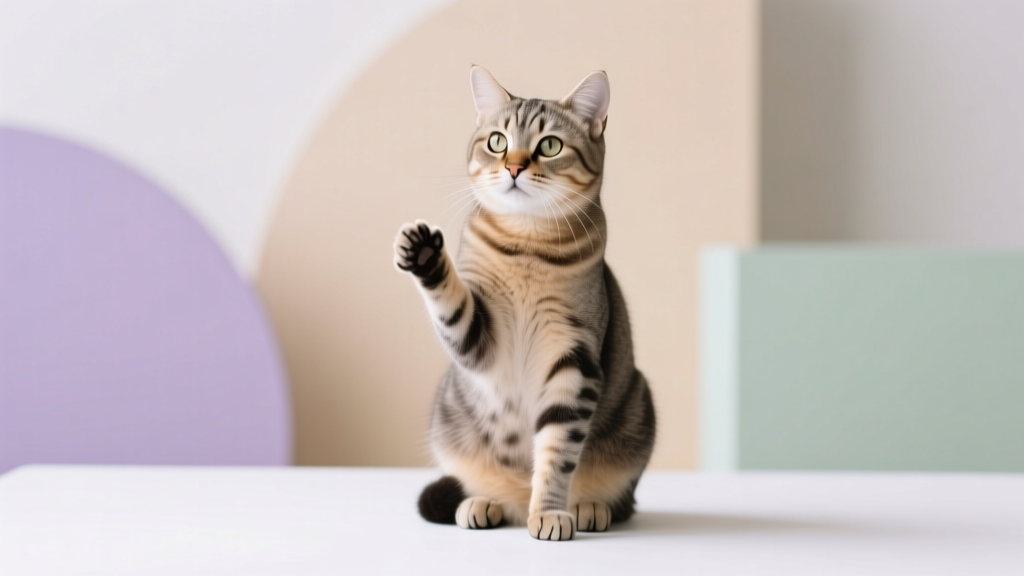
What Behaviors Do Cats Do Guide
Why Understanding Your Cat’s Behavior Isn’t Just Cute—It’s Critical to Their Health
If you’ve ever stared at your cat mid-stare, watched them suddenly sprint across the living room at 3 a.m., or wondered why they bring you dead leaves (or worse), you’re not alone—and you’re asking exactly the right question. This what behaviors do cats do guide cuts through folklore and internet memes to deliver evidence-based, veterinarian-vetted explanations for the most frequent, puzzling, and emotionally charged things cats do every day. Because misinterpreting behavior isn’t just confusing—it’s dangerous: studies show that over 60% of cats surrendered to shelters are labeled ‘aggressive’ or ‘unpredictable,’ when in reality, their behavior was a clear, unheeded signal of anxiety, pain, or environmental stress (AVMA, 2023). Understanding what your cat does—and why—is the first step toward preventing avoidable vet visits, reducing household tension, and building a relationship rooted in mutual trust.
1. The Language of the Body: Decoding Posture, Tail, and Ears
Cats don’t speak English—but they communicate constantly, using a complex, layered language of posture, micro-expressions, and kinetic signals. Dr. Sarah Wooten, DVM and certified feline behavior specialist, emphasizes: “A cat’s body is a real-time dashboard. Ignoring it is like driving blindfolded.” Let’s break down three high-impact signals you see daily.
Tail positions tell more than you think. A gently upright tail with a soft curve at the tip? That’s a confident, friendly greeting—the feline equivalent of a warm handshake. But if that tail starts twitching at the tip while your cat is sitting still? That’s not cute—it’s a low-grade warning sign, often preceding redirected aggression or a sudden swat. A puffed-up, bottlebrush tail means acute fear or defensive arousal; this is when your cat feels trapped and may lash out even if you’re trying to comfort them.
Ear positioning is equally revealing. Forward-facing ears indicate curiosity or alertness. But when ears flatten sideways—‘airplane ears’—that’s an early-stage stress cue, often missed until escalation occurs. In one shelter case study, staff trained to intervene at the first sign of airplane ears reduced bite incidents by 78% during handling (ISFM, 2022).
Slow blinking is perhaps the most underappreciated gesture. When your cat locks eyes with you and slowly closes and reopens their eyes—especially if they hold your gaze before doing so—they’re offering a ‘cat kiss’: a voluntary, vulnerable act of trust. Veterinarian Dr. Tony Buffington confirms, “This is one of the few behaviors cats use exclusively with individuals they consider safe. Returning the blink builds rapport faster than treats.” Try it next time your cat looks at you—and watch their response.
2. Vocalizations Beyond ‘Meow’: What Each Sound Really Signals
Contrary to popular belief, adult cats rarely meow at each other. They meow almost exclusively for humans—making it a learned, context-specific communication tool. But not all meows are equal. Here’s how to distinguish meaning:
- Persistent, high-pitched yowling (especially at night) can indicate cognitive dysfunction in senior cats—or, more urgently, pain from dental disease, hyperthyroidism, or kidney issues. Rule out medical causes first.
- Chirping or chattering at windows isn’t frustration—it’s a hardwired predatory sequence. When cats see birds but can’t hunt, they vocalize in anticipation, mimicking the bite-and-kill motion. It’s instinctual, not neurotic.
- Low-pitched, drawn-out growls or hisses are unambiguous: this is a boundary being crossed. Never punish or force interaction after this sound—it reinforces fear and damages trust.
A 2021 University of Sussex acoustic analysis found that cats adjust pitch, duration, and repetition rate of meows based on their human’s responsiveness history—essentially ‘tuning’ their voice to get results. One owner recorded her cat’s ‘food meow’ versus ‘litter box meow’ and found statistically distinct frequency patterns—proof that your cat isn’t just making noise; they’re negotiating.
3. The Hidden Logic Behind ‘Weird’ Habits: Kneading, Bunting, and Midnight Zoomies
These aren’t random quirks—they’re evolutionary relics and emotional barometers.
Kneading (often called ‘making biscuits’) originates from kittenhood, where rhythmic pawing stimulates milk flow. In adults, it signals deep contentment—but also serves as scent-marking: the pads contain glands that deposit pheromones. If your cat kneads your lap, they’re literally claiming you as safe territory. However, if kneading becomes obsessive or painful (e.g., claws extended without retraction), it may indicate anxiety or unresolved early weaning trauma.
Bunting—when your cat rubs their head or cheeks against your leg, furniture, or doorframe—is another pheromone-based behavior. These facial glands release calming ‘F3’ pheromones. When your cat bunts you, they’re saying, ‘You belong to my colony.’ It’s a profound social gesture—not just affection, but inclusion.
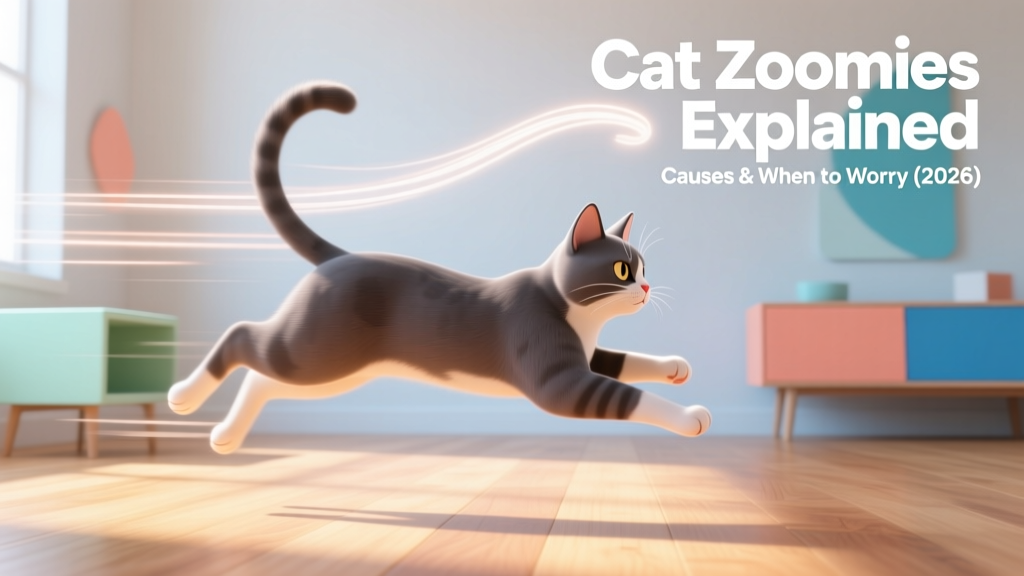
Midnight zoomies (also known as Frenetic Random Activity Periods or FRAPs) are normal—but timing matters. In kittens and young adults, it’s energy regulation. In older cats, sudden onset of intense nocturnal activity warrants veterinary evaluation: it’s a red flag for hypertension, hyperthyroidism, or cognitive decline. A case in point: Milo, a 14-year-old domestic shorthair, began sprinting at 2 a.m. nightly. His vet discovered stage 2 hypertension—treated with medication, his zoomies vanished within 10 days.
4. Stress Behaviors You Might Mistake for ‘Normal’—And How to Fix Them
Stress in cats is silent, subtle, and devastating. Unlike dogs, cats internalize distress—leading to urinary tract disease, overgrooming, or gastrointestinal upset. Here’s how to spot the stealth signs:
- Overgrooming: Excessive licking—especially focused on belly, legs, or tail—can cause bald patches or skin lesions. Rule out allergies and parasites first, then assess environment: Is the litter box clean and private? Are there new pets or loud noises?
- House-soiling outside the box: Not ‘spite’—it’s nearly always medical (UTI, arthritis) or behavioral (box location, type of litter, multi-cat conflict). A 2020 Cornell Feline Health Center study found that 89% of inappropriate elimination cases resolved with environmental adjustments—not medication—once triggers were identified.
- Withdrawal or hiding: More than just ‘being shy,’ prolonged hiding (>24 hours) signals acute stress or pain. Track duration, appetite, and litter use—if any decline, consult your vet immediately.
Proactive intervention works. Introduce vertical space (cat trees, shelves), provide multiple litter boxes (n+1 rule), and use synthetic pheromone diffusers (Feliway Classic) in high-traffic zones. In a randomized trial, households using these three strategies saw a 63% reduction in stress-related behaviors within two weeks.
| Behavior | Most Likely Meaning | First Action Step | When to Call Your Vet |
|---|---|---|---|
| Excessive licking leading to hair loss | Anxiety, allergy, or pain | Check for fleas, switch to unscented litter, add a quiet perch near a window | If bald patches appear, skin is red/inflamed, or licking lasts >5 days |
| Sudden aggression toward hands/feet | Redirected aggression or pain sensitivity | Stop petting at first sign of tail flick or ear flattening; offer interactive toys instead | If aggression escalates, includes biting without provocation, or occurs during handling |
| Urinating on cool surfaces (bathtub, tile) | Urinary discomfort or territorial marking | Offer 2–3 litter boxes with different substrates (clay, paper, pine); increase water intake via fountain | Any straining, blood in urine, or complete urinary blockage (life-threatening emergency) |
| Staring blankly at walls or corners | Early cognitive decline or sensory changes | Install nightlights, maintain consistent routine, introduce gentle puzzle feeders | If accompanied by disorientation, vocalizing at night, or forgetting litter box location |
| Bringing ‘gifts’ (toys, socks, dead insects) | Instinctual hunting drive & bonding ritual | Rotate toys weekly; schedule 3x/day 10-minute play sessions with wand toys | Not urgent—unless prey items include rodents (risk of parasites) or ingestion of non-food objects |
Frequently Asked Questions
Why does my cat stare at me without blinking?
Unbroken eye contact from a cat is typically a challenge—not affection. In feline social structure, sustained staring is confrontational. If your cat holds your gaze without blinking, they may be assessing your intentions or feeling uncertain. The healthy alternative is the slow blink: try closing your eyes slowly while looking at them, then reopening. If they reciprocate, it’s a sign of safety and connection.
Is it normal for my cat to sleep 18–20 hours a day?
Yes—absolutely. Cats are crepuscular (most active at dawn/dusk) and conserve energy for short, intense bursts of hunting. Sleep cycles include light dozing (easily interrupted) and deep REM sleep (paws twitching, whiskers moving). However, if your cat’s sleep pattern shifts dramatically—sleeping more *and* showing lethargy, decreased appetite, or reluctance to jump—that warrants a wellness exam to rule out pain or metabolic disease.
My cat bites me gently during petting—why?
This is called ‘petting-induced aggression’ and affects up to 80% of cats. It’s not anger—it’s sensory overload. Cats have a finite tolerance for touch, especially along the back and base of the tail. Warning signs include tail lashing, skin rippling, flattened ears, or sudden stillness. Stop petting *before* the bite—not after. Learn your cat’s personal ‘sweet spot’ (often chin, cheeks, or base of ears) and keep sessions brief and positive.
Do cats really ‘hold grudges’?
No—cats don’t possess the neural architecture for long-term resentment. What appears as a grudge is usually associative learning: if a person or situation repeatedly predicted something unpleasant (e.g., nail trims, vet visits), the cat avoids it. Rebuilding trust requires consistent, positive associations—never coercion. Offer treats *before* handling, let them approach on their terms, and end every interaction on a calm, rewarding note.
Why does my cat scratch furniture instead of the scratching post?
Scratching serves four needs: claw maintenance, stretching muscles, marking territory (via scent and visual cues), and stress relief. If your cat ignores the post, it may be unstable, too short, wrong texture (sisal > carpet), or poorly located (not near sleeping/resting areas). Place posts vertically *next to* the furniture they target, sprinkle with catnip, and reward use with treats. Never punish—this creates fear-based scratching elsewhere.
Common Myths About Cat Behavior
Myth #1: “Cats are aloof and don’t form attachments.”
False. Groundbreaking attachment research (published in Current Biology, 2019) used the ‘secure base test’ (same method used for human infants) and found that 64.3% of cats display secure attachment to their owners—seeking proximity, using them as a safe haven, and exploring confidently when they’re present. The rest show insecure-ambivalent or avoidant patterns—often linked to early life experiences, not species-wide indifference.
Myth #2: “If my cat purrs, they must be happy.”
Not always. Purring occurs across contexts—including pain, labor, injury, and fear. It’s believed to be a self-soothing mechanism with frequencies (25–150 Hz) shown to promote bone density and tissue repair. Always assess purring alongside body language: Is the cat relaxed or tense? Are ears back? Is breathing labored? Context is everything.
Related Topics
- Cat Body Language Dictionary — suggested anchor text: "complete cat body language chart"
- How to Stop Cat Aggression — suggested anchor text: "stop cat aggression naturally"
- Best Litter Box Setup for Multi-Cat Homes — suggested anchor text: "multi-cat litter box solutions"
- Signs of Pain in Cats — suggested anchor text: "hidden signs your cat is in pain"
- Feline Environmental Needs Checklist — suggested anchor text: "cat enrichment checklist"
Your Next Step: Observe, Record, Respond
This what behaviors do cats do guide isn’t about memorizing a list—it’s about cultivating awareness. Start today: set a 5-minute timer twice daily and simply observe your cat without interacting. Note posture, ear position, tail movement, and vocalizations. Keep a simple journal or use a free app like ‘CatLog’ to track patterns. Within one week, you’ll begin spotting correlations—e.g., ‘Every time the vacuum runs, she hides for 2 hours and overgrooms afterward.’ That insight is power. And if you notice anything persistent, escalating, or medically suspicious, reach out to your veterinarian *before* it becomes urgent. Because the most loving thing you can do for your cat isn’t buying the fanciest toy—it’s learning their language, honoring their needs, and responding—not reacting—to who they truly are.