How to Correct a Cat's Bad Behavior
Why "How to Correct a Cat's Bad Behavior" Is One of the Most Misunderstood Questions in Cat Care
If you've ever Googled how to correct a cat's bad behavior, you've likely hit a wall: conflicting advice, outdated dominance myths, or quick-fix gimmicks that backfire. The truth? Most so-called "bad" behaviors—from midnight zoomies to biting during petting—are not defiance or spite. They’re signals—often rooted in unmet needs, environmental stress, or undiagnosed discomfort. And when handled incorrectly, they escalate. In fact, a 2023 study published in Journal of Feline Medicine and Surgery found that 68% of cats surrendered to shelters due to behavior issues had never received appropriate behavioral intervention—only punishment or rehoming attempts. This article cuts through the noise with an evidence-based, compassionate roadmap grounded in feline ethology and veterinary behaviorist standards.
Step 1: Decode the 'Why' Before You Fix the 'What'
Before reaching for spray bottles or scolding, pause—and ask: What is my cat trying to communicate? Cats don’t misbehave; they respond. Dr. Sarah Hargrove, DACVB (Diplomate of the American College of Veterinary Behaviorists), emphasizes: “Every behavior has function. Scratching isn’t vandalism—it’s scent-marking, muscle stretching, and claw maintenance. Urinating outside the box isn’t revenge—it’s often pain, anxiety, or territorial insecurity.” Start by keeping a 72-hour behavior log: note time, location, trigger (e.g., doorbell rang, new person entered), your response, and your cat’s body language (dilated pupils? flattened ears? tail flicks?). You’ll likely spot patterns invisible at first glance.
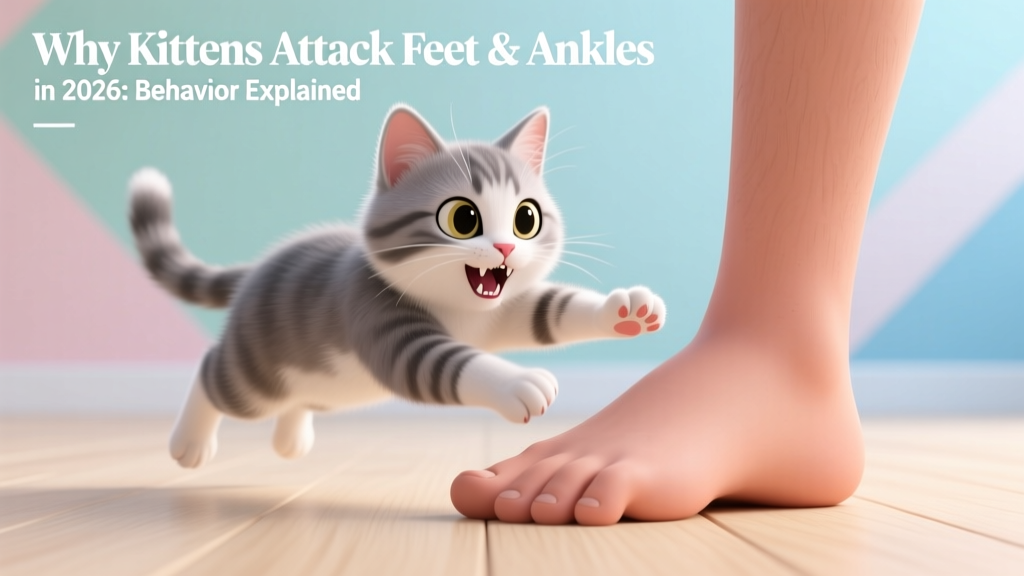
For example, Luna, a 3-year-old rescue tabby, began swatting at her owner’s ankles every evening. Her log revealed it always followed 3+ hours of solo confinement while her owner worked remotely. The ‘aggression’ wasn’t hostility—it was redirected play energy with no outlet. Once her owner added two 10-minute interactive play sessions using wand toys before lunch and dinner, the swatting vanished in 5 days.
Step 2: Rule Out Medical Causes—Non-Negotiable First Step
Never assume behavior = behavioral. Pain, thyroid disease, arthritis, dental disease, urinary tract infections, and cognitive dysfunction all manifest as ‘bad behavior.’ A 2022 survey of 1,247 cats referred to behavior clinics found that 41% had at least one underlying medical condition contributing to their presenting issue. That’s why your very first action must be a full veterinary exam—including bloodwork, urinalysis, and orthopedic assessment. Ask specifically for a feline behavior screening form (like the Feline Behavioral Assessment Tool, validated by the International Society of Feline Medicine). If your vet dismisses concerns with “she’s just being a cat,” seek a second opinion—or better yet, a board-certified veterinary behaviorist (find one via dacvb.org).
Real-world red flags: sudden onset of inappropriate elimination (especially on cool surfaces like tile or bathtubs), increased vocalization at night, avoiding jumping or climbing, or aggression only when touched in certain areas. These aren’t ‘personality quirks’—they’re distress calls.
Step 3: Replace, Don’t Suppress—The Power of Positive Reinforcement & Environmental Enrichment
Punishment doesn’t teach cats what to do—it teaches them to fear you or hide behavior. Instead, use positive reinforcement (rewarding desired actions) and environmental enrichment (meeting innate needs) to make good choices irresistible. Research from the University of Lincoln’s Feline Wellbeing Project shows cats given choice, control, and predictability show 73% fewer stress-related behaviors within 3 weeks.
Here’s how to apply it:
- Scratching furniture? Place sturdy, vertical sisal posts near favorite spots (not hidden in corners)—then reward with treats *immediately* when your cat uses them. Rub catnip on the post for extra appeal. Block access to off-limits areas temporarily with double-sided tape or aluminum foil (texture aversion, not punishment).
- Litter box avoidance? Follow the 1+1 rule: one box per cat + one extra. Use unscented, clumping litter (90% of cats prefer it, per Cornell Feline Health Center). Place boxes in quiet, low-traffic, easily accessible locations—never next to washing machines or in closets with doors that close.
- Overstimulation biting? Learn your cat’s petting tolerance threshold (often 3–5 seconds for sensitive cats). Stop *before* tail flicking or ear flattening begins—and reward calm disengagement with a treat. Gradually increase duration only if your cat initiates contact.
Step 4: Manage Triggers & Build Confidence Through Desensitization
For fear-based behaviors (hissing at guests, hiding during thunderstorms, aggression toward other pets), forced exposure worsens anxiety. Instead, use systematic desensitization and counterconditioning (DS/CC)—a gold-standard technique endorsed by the American Veterinary Society of Animal Behavior (AVSAB). It works like this: pair the scary stimulus (e.g., vacuum cleaner) with something highly rewarding (e.g., tuna paste) at a distance where your cat stays relaxed. Over days or weeks, gradually decrease distance *only if your cat remains calm*. Rushing triggers regression.
Case in point: Milo, a 5-year-old tuxedo, growled and lunged at visitors. His owner started by placing treats 10 feet from the front door while someone stood silently outside (no eye contact, no talking). After 4 days of consistent positive pairing, she moved treats to 8 feet—and eventually invited guests to toss treats *without approaching*. In 11 days, Milo greeted newcomers with slow blinks and head-butts.
| Step | Action | Tools/Supplies Needed | Expected Timeline for Noticeable Change |
|---|---|---|---|
| 1. Observe & Log | Track behavior for 72 hours: time, trigger, body language, outcome | Pen/paper or free app like CatLog | Immediate insight (pattern recognition in 1–2 days) |
| 2. Vet Check | Schedule comprehensive exam + behavior-focused diagnostics | Vet appointment, blood/urine tests, dental exam | Medical resolution may take 1–4 weeks; behavior improvements follow |
| 3. Enrich & Redirect | Add 2x daily 10-min interactive play + 3+ vertical spaces + food puzzles | Wand toy, cat tree, puzzle feeder, treats | Reduced frustration in 3–7 days; sustained change by Day 14 |
| 4. DS/CC Protocol | Pair feared stimulus with high-value reward at safe distance; advance only when relaxed | Tuna paste, clicker (optional), quiet space, patience | First signs of confidence in 5–10 days; reliable response in 2–6 weeks |
Frequently Asked Questions
Can I use a spray bottle to stop my cat from scratching the couch?
No—and here’s why it backfires. Spray bottles cause fear, erode trust, and rarely stop the behavior long-term. Your cat doesn’t associate the spray with scratching; they associate *you* with unpredictability and threat. Worse, they may redirect stress into other issues like overgrooming or litter box avoidance. Instead, provide appealing alternatives (sisal posts, cardboard scratchers) and protect furniture temporarily with double-sided tape or soft vinyl covers. Positive redirection yields lasting results without relational damage.
My cat pees on my bed—does that mean they’re angry or spiteful?
No. Cats lack the cognitive capacity for spite. Urinating on bedding almost always signals medical distress (UTI, crystals, kidney disease) or profound anxiety (e.g., new pet, home renovation, owner absence). Bedding holds your scent—so this is often a cry for security or a way to ‘reclaim’ safety. First, rule out UTI with a vet visit. Then assess environmental stressors: Has anything changed in the past 2–4 weeks? Consider pheromone diffusers (Feliway Optimum), adding a second litter box in the bedroom temporarily, and ensuring your cat has multiple safe retreats. Never punish—this deepens fear.
Will getting another cat fix my current cat’s aggression?
Rarely—and often makes it worse. Introducing a second cat without careful, species-appropriate protocol (which takes 3–6 weeks minimum) frequently escalates territorial stress. Unmanaged introductions are a top cause of chronic inter-cat aggression, according to the 2021 ISFM Consensus Guidelines. If companionship is the goal, consult a certified cat behavior consultant first. For existing aggression, focus on resource security (separate feeding stations, litter boxes, sleeping zones) and individual playtime—not adding variables.
Do clicker training and treats work for cats?
Absolutely—when done correctly. Cats are highly trainable with positive reinforcement. Start with ‘target training’: hold a chopstick or pen near your cat’s nose; when they sniff it, click and treat. Repeat until they touch it reliably. Then shape behaviors like sitting or coming when called. Keep sessions under 90 seconds—cats learn best in micro-bursts. Use high-value rewards (freeze-dried chicken, tuna flakes) and avoid kibble unless your cat finds it motivating. Certified trainer Mieshelle Nagelschneider notes: “Cats aren’t ‘untrainable’—they’re just selective about what’s worth their effort.”
Is declawing ever justified to stop destructive scratching?
No. Declawing (onychectomy) is amputation of the last bone of each toe—and is banned in 32 countries and 15 U.S. cities/states. It causes chronic pain, lameness, and increases biting and litter box avoidance by up to 300%, per AVMA data. Ethical alternatives exist: regular nail trims (every 2–3 weeks), Soft Paws® caps, and environmental redirection. If scratching persists despite enrichment, consult a veterinary behaviorist—not a surgeon.
Common Myths About Correcting Cat Behavior
Myth #1: “You need to establish dominance over your cat.”
This stems from debunked wolf-pack theory. Cats are solitary hunters—not pack animals—and don’t recognize human ‘alpha’ status. Forcing submission (holding down, staring down, scruffing) induces terror, not respect. Modern feline science confirms: trust, predictability, and meeting biological needs build cooperation.
Myth #2: “Cats can’t be trained—they’re too independent.”
Independence ≠ untrainability. Cats choose engagement—but respond powerfully to clear cause-and-effect learning. Shelter studies show 92% of cats learn recall cues within 10 days using food motivation and short sessions. Their independence means they’ll ignore ineffective methods—not that they’re incapable of learning.
Related Topics (Internal Link Suggestions)
- Feline Stress Signals — suggested anchor text: "subtle signs your cat is stressed"
- Best Litter Boxes for Multi-Cat Households — suggested anchor text: "litter box solutions for multiple cats"
- Interactive Cat Toys That Actually Work — suggested anchor text: "best wand toys for indoor cats"
- When to See a Veterinary Behaviorist — suggested anchor text: "signs you need a cat behavior specialist"
- Cat-Friendly Home Design Tips — suggested anchor text: "cat-proofing your home safely"
Your Next Step Starts Today—Not Tomorrow
You now know that how to correct a cat's bad behavior isn’t about control—it’s about communication, compassion, and competence. The most powerful tool you own isn’t a spray bottle or a scolding voice. It’s your observation skills, your willingness to collaborate with your veterinarian, and your commitment to seeing your cat as the complex, sentient being they are. Pick *one* step from this guide—whether it’s starting that 72-hour behavior log tonight, scheduling the vet visit tomorrow, or placing a new scratching post beside the sofa—and do it within 24 hours. Small, consistent actions compound. Within two weeks, you’ll notice shifts—not just in behavior, but in the depth of your bond. Ready to go deeper? Download our free Feline Behavior Tracker & 14-Day Action Plan (includes printable logs, vet question checklist, and enrichment calendar) at [YourSite.com/cat-behavior-toolkit].