Why Cats Sit on the Window Sill All Day
You make coffee, glance over, and there’s your cat—already perched on the window sill like a tiny, furry security guard. An hour later? Still there. After lunch? Same spot. By evening, you’re starting to wonder if your cat is part house pet, part living window decoration.
If you’ve ever caught yourself asking, “Do you have a job, or is staring outside your whole personality?” you’re in good company. Window-sitting is one of the most common (and charming) feline pastimes, and it’s packed with meaning. From instincts to comfort to curiosity, that window sill is basically your cat’s version of a premium lounge seat… with live entertainment.
1) The scientific (and evolutionary) reason cats love the window
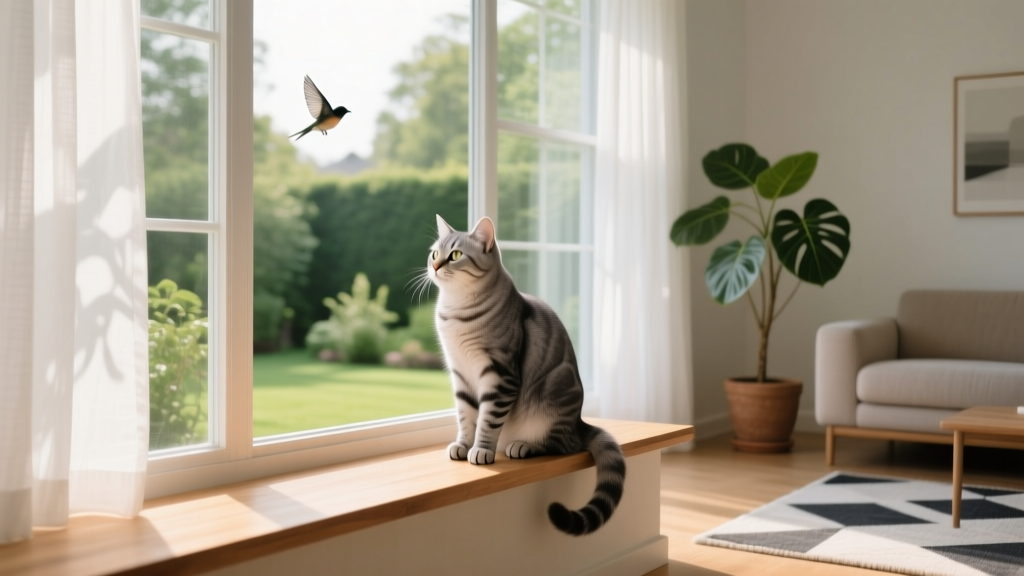
Even the most pampered indoor cat is, biologically speaking, a small predator. Cats evolved to survive by watching, waiting, and pouncing—what behaviorists call “sit-and-wait” hunting. A window sill mimics a perfect hunting lookout: elevated, safe, and full of movement to track.
From an evolutionary perspective, a great “vantage point” does three important things:
- Improves surveillance: Cats feel safer when they can see what’s happening around them.
- Supports hunting instincts: Birds, squirrels, bugs, and swaying leaves all trigger your cat’s prey drive.
- Reduces surprise encounters: Being up high helps a cat avoid feeling cornered, especially in busy homes.
There’s also a sensory angle. Outdoor movement is unpredictable, and unpredictability is fascinating to feline brains. Your cat isn’t “doing nothing”—they’re collecting information. Think of it like scrolling, but for cats: news updates, neighborhood drama, and the occasional scandalous raccoon appearance.
2) A detailed breakdown: what “window time” looks like in different contexts
Not all window-sitting is the same. The details matter: posture, timing, and what’s going on in your home.
They sit and chatter at birds
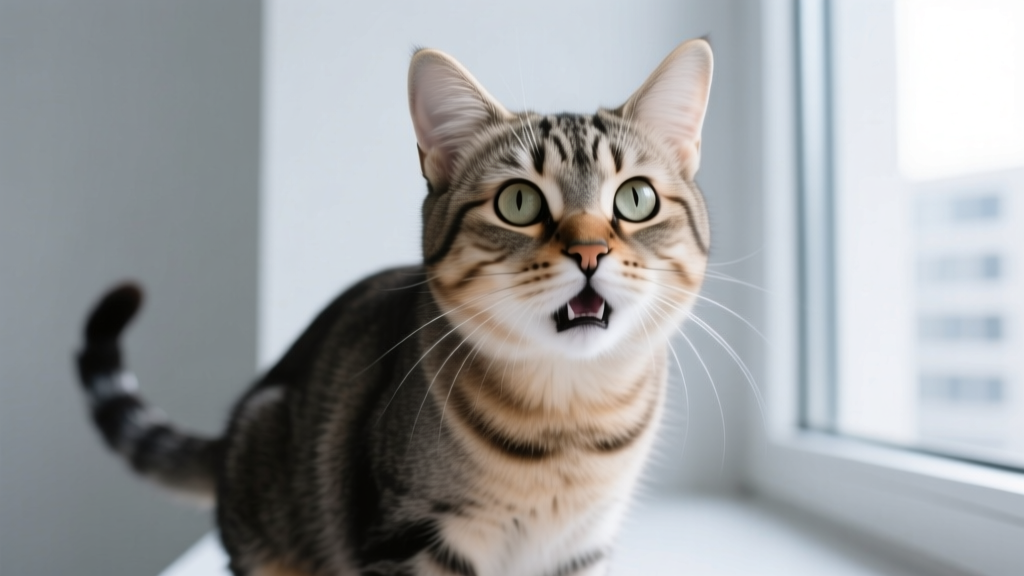
If your cat’s jaw is quivering or they’re making that adorable “ekekek” sound, you’re seeing a mix of excitement and frustration. They can see prey but can’t complete the hunt. Some researchers suggest this chattering may be linked to the predatory sequence (or even the cat’s attempt to mimic a prey-killing bite). In normal terms: your cat is intensely stimulated.
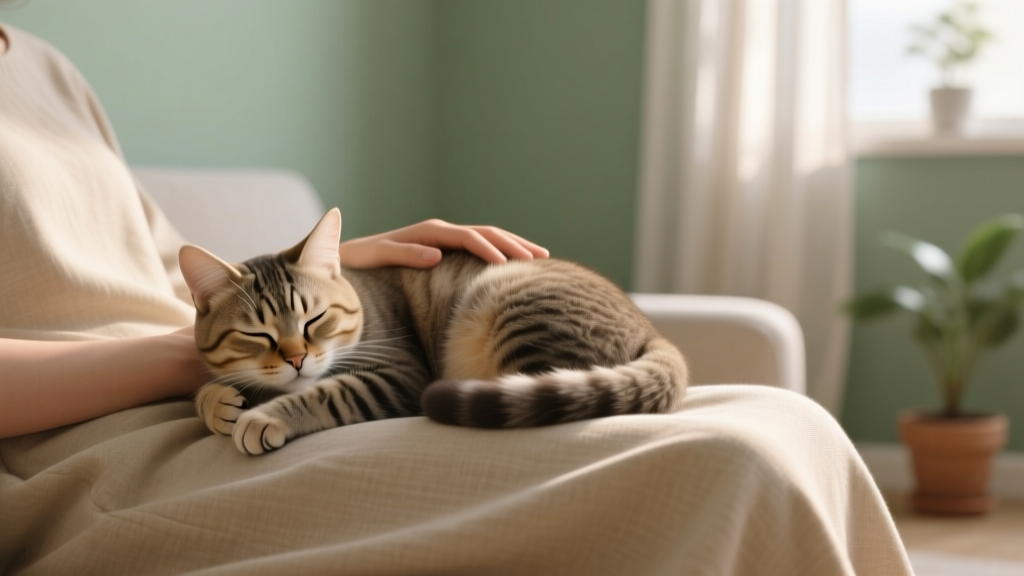
They loaf quietly with half-closed eyes
This is often pure comfort. A sunny window = warmth, a soothing view, and a predictable routine. Many cats develop a daily “solar charging” schedule, rotating between light patches as the sun moves.
They sprawl like they pay rent
A cat stretched across the whole sill isn’t just being dramatic. That body language often signals confidence. “I feel safe enough here to take up space.” It can also be temperature-related—cats love warm surfaces and will flatten out to maximize heat absorption.
They keep checking the same area outside
Sometimes the “view” isn’t about birds. It might be:
- A neighbor cat walking by
- Delivery trucks arriving
- A specific person’s routine (kids walking to school, a dog walker, etc.)
Cats are pattern-detecting machines. If something interesting happened once, they’ll monitor that spot for a repeat episode like it’s their favorite TV show.
They only do it when you’re busy
Window time can be a self-soothing activity. If you’re working, on a call, or not available for play, your cat may choose the window for independent enrichment. It’s a healthy coping strategy—as long as it’s not the only thing they do all day.
3) What window-sitting reveals about your cat’s mood and feelings
That window perch can be a clue board for your cat’s emotional state. Here are common “translations”:
- Relaxed observer: Soft eyes, slow blinking, loose body = contentment and security.
- On patrol: Upright posture, ears rotating, focused stare = alert curiosity. Not bad—just vigilant.
- Overstimulated hunter mode: Tail twitching, chattering, rapid head movements = high arousal. They may need a play outlet later.
- Uneasy or stressed: Crouched low, tense body, ears flattened, sudden hiding afterward = something outside might be scaring them (like a cat rival).
- Lonely or seeking connection: Sitting at the window and then meowing at you, repeatedly coming to you and going back = they may be asking for interaction, not just scenery.
The big takeaway: window-sitting is often a sign your cat feels safe enough to “be present.” A cat who never settles in visible spaces may be anxious or under-confident. The window can be their confidence-building station.
4) Related behaviors you might also notice
Window-sitting rarely shows up alone. You might spot these companion behaviors:
- Chattering or chirping: Common when birds or squirrels appear.
- Tail tip flicking: Mild excitement; faster flicking can mean frustration.
- Cheek rubbing on the window frame: Scent-marking (your cat’s way of saying, “This lookout is mine.”)
- Sudden zoomies after watching outside: Pent-up predatory energy releasing.
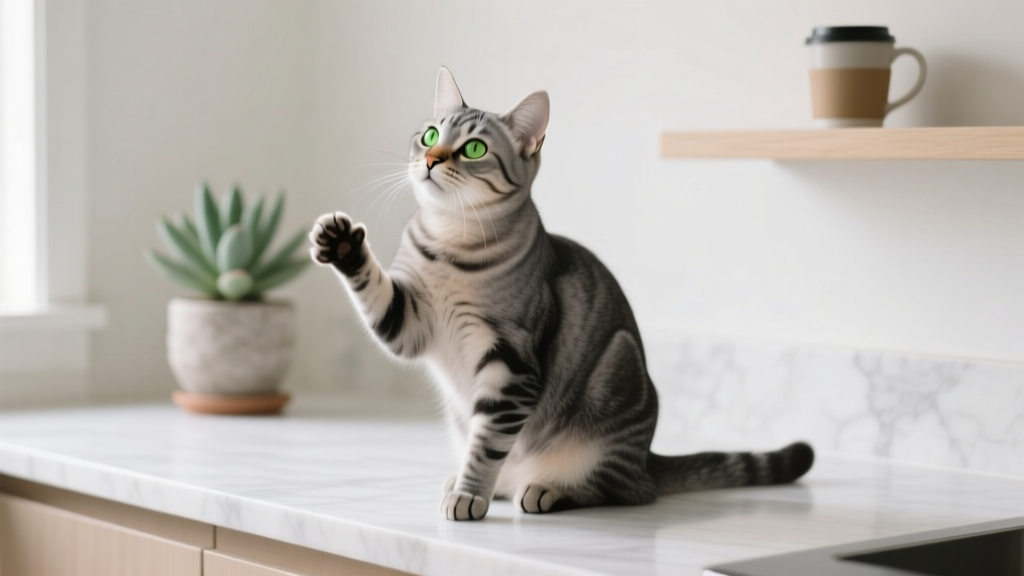
- Window pawing: Trying to “reach” movement; can also happen with reflections or raindrops.
- Sleeping in the window: They’ve turned a lookout into a nap zone—very normal.
5) When window-sitting is normal… and when it might be a concern
Most of the time, a cat on the window sill is a happy, enriched cat. Still, context matters. Consider it a potential concern if:
- It’s a sudden new behavior paired with hiding, decreased appetite, or less social interaction.
- Your cat seems obsessed—staring for hours with tense posture, growling, or spraying near the window (often due to outdoor cat “intruders”).
- They’re less active overall and spending all day at the window because they’re not feeling well (pain, illness, or age-related changes can reduce play).
- They’re vocalizing intensely at night, fixating on the window, and struggling to settle (could be anxiety, territorial stress, or boredom).
Also check the practical stuff: if the sill is high and slippery, older cats or cats with arthritis can struggle to get up and down safely. A behavior that looks “lazy” can sometimes be “I’m avoiding jumping because it hurts.” If you suspect discomfort, a vet visit is a smart next step.
6) Tips for responding to (and encouraging) healthy window time
If your cat loves the window, you can make it safer, more enriching, and less frustrating.
Set up the perfect perch
- Add a stable cat window bed or cushioned mat so they don’t slip.
- Provide steps (a chair, small cat tree, or pet stairs) for easy access.
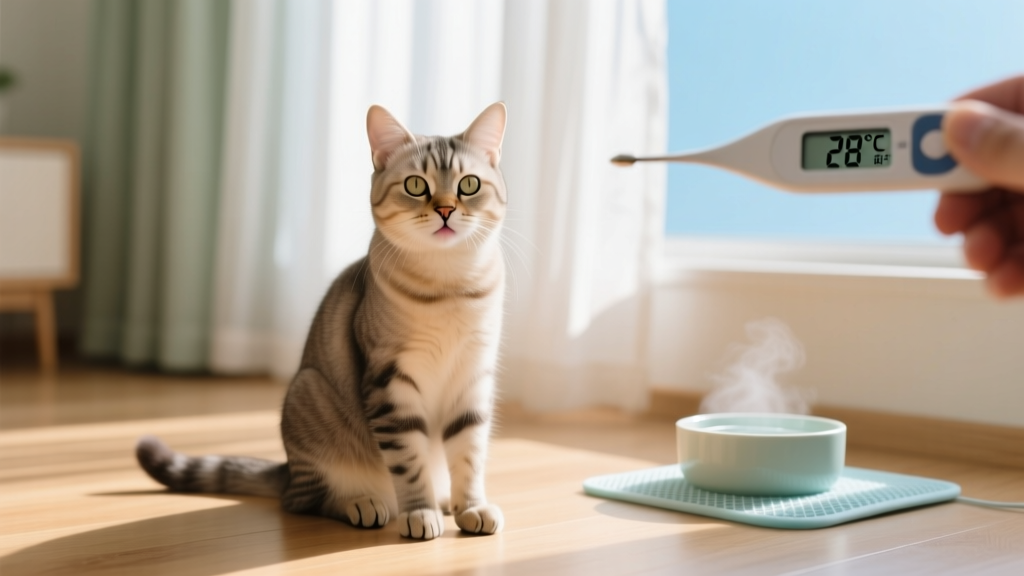
- Consider warmth—a sunny spot, a fleece pad, or a heated bed (on a safe, low setting) for older cats.
Turn “watching” into “doing”
If your cat gets riled up by birds, give them a healthy outlet afterward:
- Play a 5–10 minute wand-toy session to complete the “hunt cycle” (stalk → chase → pounce → reward).
- Offer a small snack after play to mimic the natural sequence of catch-and-eat.
Reduce territorial stress
If outdoor cats are causing drama:
- Block the view temporarily with frosted window film on the lower portion.
- Use visual barriers outside (plants, screens) to reduce direct line-of-sight.
- Clean sprayed areas with an enzymatic cleaner if marking occurs.
Add “cat TV” ethically
A bird feeder outside the window can be wonderful enrichment—just place it far enough away to reduce collision risk for birds and keep your cat safely indoors. Even better: add a second station (like a puzzle feeder) elsewhere in the home so the window isn’t the only entertainment option.
7) Fun facts and research-y nuggets about window-watching
- Cats prefer control of space. Elevated perches are consistently associated with increased feelings of security in many cats—height offers choice and reduces social pressure.
- They’re tracking “micro-movements.” Cats are visually tuned to notice small, quick motions (exactly what birds and insects do), which makes outdoor scenes irresistible.
- Sunbathing isn’t just cozy—it’s strategic. Cats naturally seek warmth to conserve energy. Their ideal comfort zone is often warmer than what humans prefer, which is why that sunny glass-adjacent spot feels perfect.
- Window time can be enrichment, not “laziness.” In indoor environments, visual stimulation is a major part of mental health. A cat who watches outside may be meeting important daily needs for novelty and observation.
8) FAQ: common questions about cats sitting on the window sill
Is it normal for my cat to sit in the window for hours?
Yes—especially for indoor cats. As long as your cat is also eating normally, using the litter box, sleeping comfortably, and showing interest in play or interaction at some point during the day, long window sessions are typically normal enrichment.
Why does my cat meow at the window?
Often it’s excitement (birds!) or mild frustration (can’t get to the action). It can also be territorial if your cat sees another cat outside. If the meowing sounds distressed, or happens mainly at night, look for stress triggers and consider adding evening play to help them settle.
My cat chatters at birds—does that mean they’re stressed?
Chattering is usually high excitement rather than fear. It’s common and normal. If it’s followed by agitation or redirected behavior (like biting ankles), your cat may need a play outlet to burn off that arousal.
Should I let my cat sit by an open window?
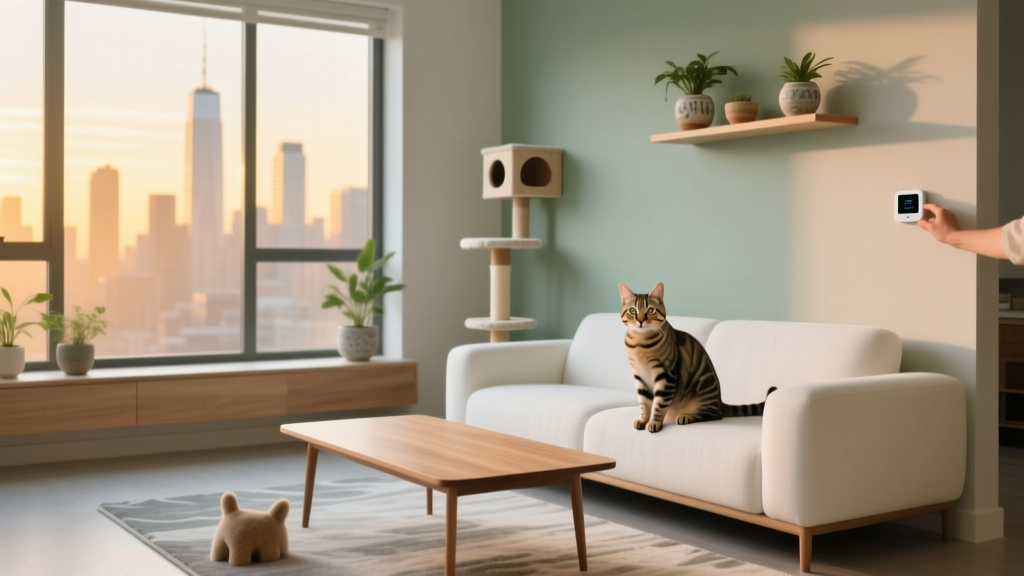
Only if the window has a secure screen that cannot pop out or tear. Cats can push through weak screens when startled or when they see prey. For high-rise windows, extra caution is important—use sturdy, pet-safe screens and avoid leaving windows open unattended.
Why does my cat suddenly stop sitting at the window?
Sometimes the “show” changed—fewer birds, different season, a new outdoor cat, or a noisy construction project. But if the change is abrupt and paired with lower energy, hiding, appetite changes, or less jumping, it’s worth checking in with your vet to rule out pain or illness.
How can I make window time more enriching without overstimulating my cat?
Balance is key: offer a comfortable perch, then provide short interactive play sessions and calming routines (like predictable meals and quiet resting places). If your cat becomes fixated or stressed by outdoor cats, reduce visibility with frosted film and add alternative enrichment inside.
Where this leaves you (and your professional window-sill supervisor)
Your cat’s window habit is a blend of instinct, entertainment, comfort, and emotional regulation. The window sill is their lookout tower, their warm hammock, their reality TV—sometimes all at once. When you understand what they’re getting from it, you can support the behavior in ways that make your cat feel even safer, calmer, and more fulfilled.
Does your cat have a favorite window, a specific “enemy” squirrel, or a daily bird-watching schedule that never changes? Share your cat’s window-sill stories with the Cat Lovers Base community at catloversbase.com—we’d love to hear what your tiny household sentinel has been monitoring.