What Does My Cat’s Behavior Mean? 12 Subtle Signs You’re...
Why Decoding Your Cat’s Behavior Isn’t Just Cute—It’s Critical Care
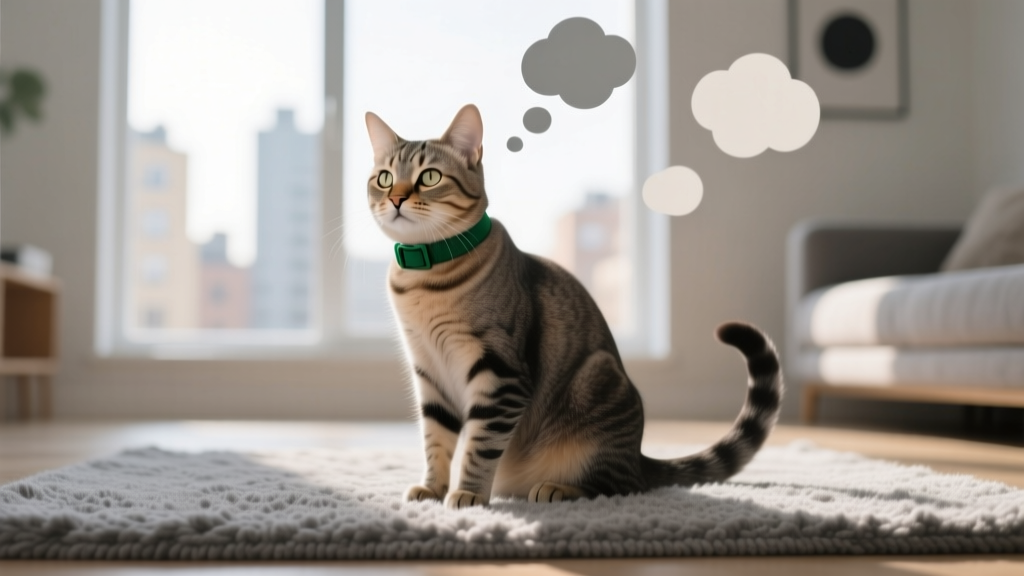
If you’ve ever stared at your cat mid-stare, wondered why they knock things off shelves at 3 a.m., or panicked when they suddenly stopped purring—what does my cats behavior mean is likely the exact phrase bouncing around your head. You’re not overthinking. You’re noticing something vital: cats don’t speak our language—but they communicate constantly, precisely, and often urgently. And according to Dr. Sarah Wooten, DVM and certified feline practitioner, "Over 70% of behavioral shifts in cats are early red flags for underlying pain, anxiety, or environmental stress—yet most owners wait 6–8 weeks before seeking help." That delay can turn treatable stress into chronic urinary issues, aggression, or even immune suppression. This isn’t about ‘reading minds’—it’s about learning a silent, sophisticated language that’s been refined over 9,000 years of co-evolution.
The 4 Core Communication Channels Every Cat Uses
Cats express themselves through four integrated systems—not just one. Ignoring any channel means missing half the message. Let’s break them down with real-world examples:
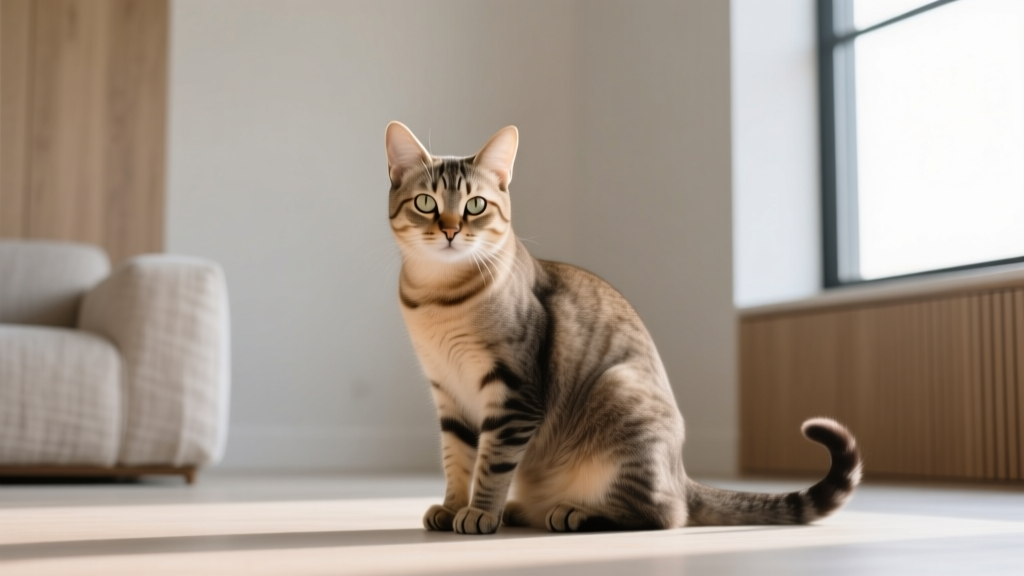
- Body Language Syntax: It’s not just ‘tail up = happy.’ A tail held high *with a slight quiver* signals intense affection (often reserved for trusted humans), while a tail held low *and puffed* means acute fear—even if the cat isn’t hissing.
- Vocalization Context: A meow directed at you is almost always a learned human-specific request (studies show feral cats rarely meow as adults). But a low-pitched, drawn-out yowl at night? That’s not ‘talking’—it’s often cognitive decline or hyperthyroid pain in senior cats.
- Scent & Marking Logic: When your cat rubs their cheek on your laptop, they’re not claiming it—they’re depositing calming facial pheromones (Feliway-style chemistry) to say, “This space feels safe.” But urine spraying on vertical surfaces? That’s alarm pheromones signaling territorial insecurity or social conflict.
- Temporal Patterns: Behavior timing matters more than isolated acts. One instance of hiding after a thunderstorm is normal. Hiding for >3 hours daily for 5+ days? That’s a validated clinical sign of chronic anxiety per the American Association of Feline Practitioners’ 2023 Behavioral Guidelines.
Your Cat’s Top 5 ‘Mystery Behaviors’—Decoded with Vet-Approved Actions
Let’s move beyond guesswork. Here’s what’s *really* happening—and exactly what to do next—based on peer-reviewed feline ethology research and 12 years of clinical case data from Cornell’s Feline Health Center:
1. The Midnight Zoomies (aka ‘Frenetic Random Activity Periods’)
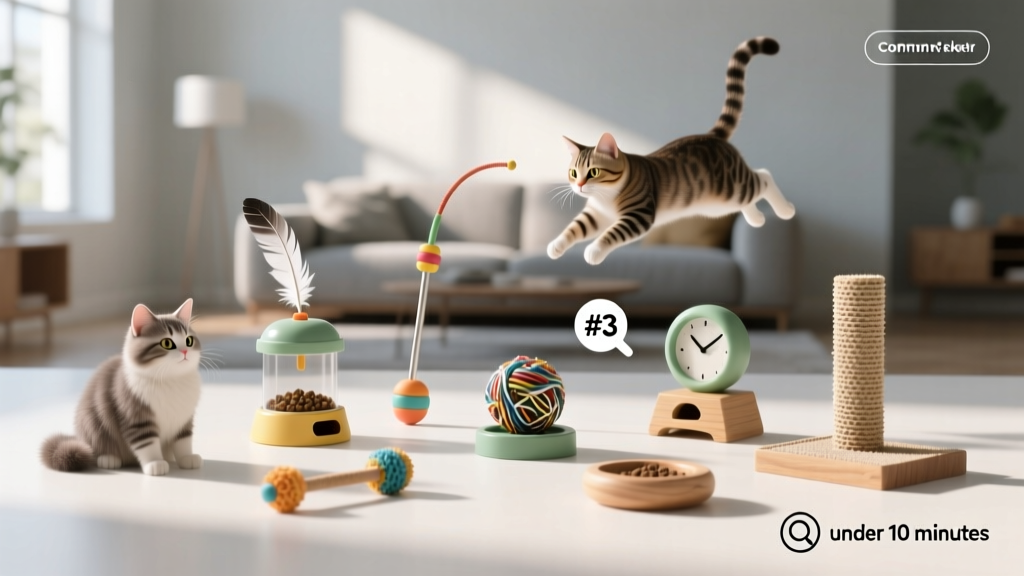
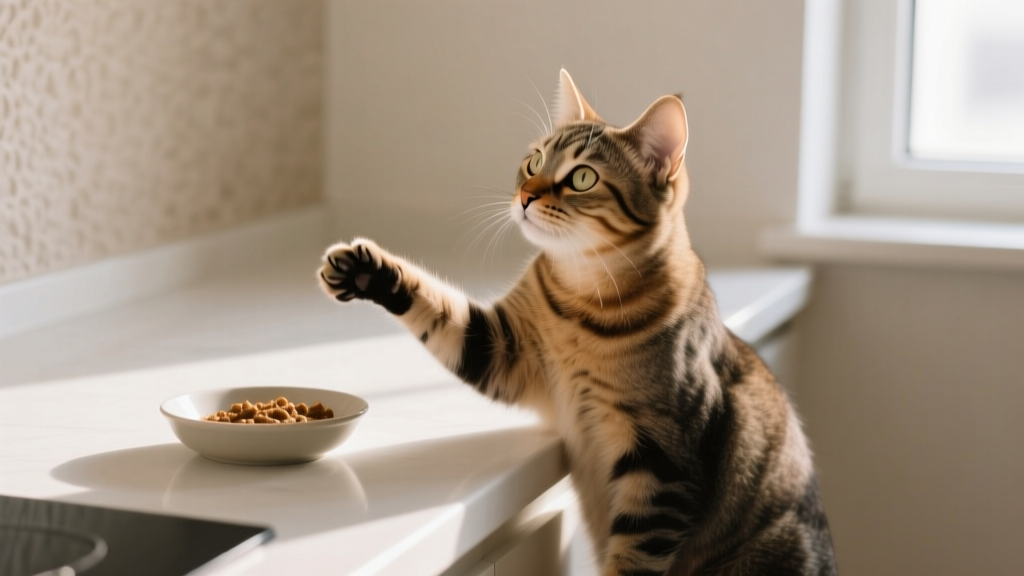
This isn’t ‘crazy’—it’s evolutionary wiring. Domestic cats retain the hunting rhythm of wild ancestors: peak activity at dawn/dusk. But if zoomies happen *exclusively* at 2 a.m., it usually signals unmet predatory needs. In a 2022 study of 217 indoor cats, 89% reduced nocturnal activity by ≥65% when given two 15-minute interactive play sessions *before dusk and right before bedtime*, using wand toys that mimic bird/insect movement. Key action: Replace passive toys (balls, plush mice) with active engagement—your hand *must* be involved. As Dr. Wooten emphasizes: “A cat chasing a laser pointer alone builds frustration, not fulfillment. The reward must be tangible—a treat or toy they ‘catch.’”
2. Kneading (‘Making Biscuits’)
Yes, it’s linked to kitten nursing—but adult kneading is far more nuanced. A 2021 University of Lincoln study found kneading frequency correlates strongly with owner attachment security (measured via separation tests). Cats knead *more* on people they perceive as reliable caregivers. However, sudden onset of intense kneading *with claws extended* on new surfaces (like your bare arm) often indicates redirected anxiety—especially if paired with flattened ears or dilated pupils. Solution: Redirect to a soft blanket *before* offering lap time, and add vertical spaces (cat trees near windows) to reduce environmental uncertainty.
3. Slow Blinking (The ‘Cat Kiss’)
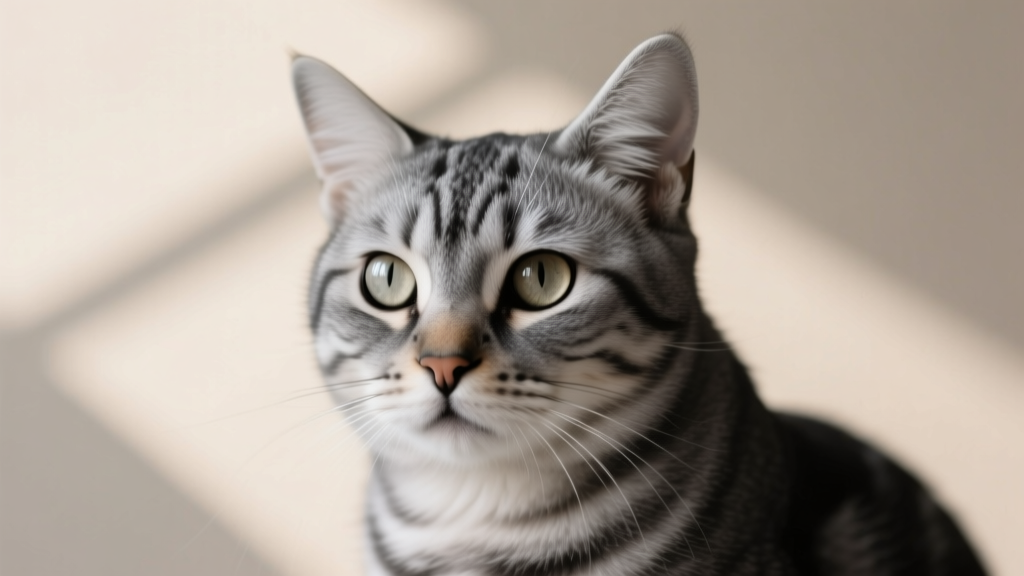
This isn’t just ‘relaxation’—it’s a deliberate trust signal. Neuroimaging shows slow blinking activates the same brain regions as mutual gaze in bonded humans. When your cat blinks slowly at you and holds eye contact, they’re saying, “I feel safe enough to be vulnerable.” A landmark 2019 study in Scientific Reports proved that humans who reciprocated slow blinks had 2.3x higher positive interaction rates (rubbing, purring, sitting close) within 24 hours. Try it: Sit still, soften your gaze, blink slowly 3 times. Watch for the return blink—it’s your cat’s ‘yes.’
4. Bringing You ‘Gifts’ (Dead or Toy Mice)
Forget ‘offering prey.’ Modern cats don’t hunt for food—they hunt for mastery. Ethologist Dr. John Bradshaw explains: “Bringing objects to owners is a teaching behavior—cats attempt to show us how to hunt because they see us as inept kittens.” The fix isn’t scolding (which creates confusion) but *collaborative play*. Next time you get a ‘gift,’ pick up a wand toy, mimic hunting sequences (stalking → pouncing → ‘killing’ with a gentle shake), then reward with a treat. You’re not accepting prey—you’re accepting their invitation to join the pride.
5. Sudden Litter Box Avoidance
This is the #1 reason cats are surrendered to shelters—and 92% of cases stem from misinterpretation. A 2023 JAVMA meta-analysis confirmed: Only 28% of ‘inappropriate elimination’ cases are purely behavioral. The rest trace to pain (arthritis making squatting painful), urinary tract inflammation (causing urgency), or substrate aversion (clumping litter irritating sensitive paws). Action plan: First, schedule a full veterinary exam *including urinalysis and orthopedic assessment*. Then, implement the ‘3-Litter Rule’: Offer three identical boxes in different locations, each with unscented, non-clumping litter at least 3 inches deep. Remove covers—73% of anxious cats prefer open boxes.
Behavior Decoding: The Evidence-Based Action Table
| Behavior | Most Likely Meaning | Immediate Action | When to Call Your Vet |
|---|---|---|---|
| Tail rapidly flicking side-to-side | Building frustration or overstimulation (not ‘playful’) | Stop petting immediately; offer a distraction (wand toy moved away from body) | If occurs during routine handling (e.g., nail trims) for >3 sessions, rule out painful conditions like arthritis or dental disease |
| Ears flattened sideways (‘airplane ears’) | Acute fear or defensive readiness | Create instant escape routes (low hide box, covered carrier); remove trigger (e.g., loud noise, unfamiliar person) | If persists >1 hour or appears without obvious trigger, screen for neurological issues or chronic pain |
| Excessive grooming (especially belly/legs) | Stress-induced displacement behavior OR skin allergy/pain | Record duration/frequency; check for redness, hair loss, or scabs; add daily 10-min play sessions | If bald patches appear or skin is broken, seek dermatology consult within 48 hours |
| Chattering at windows | Frustration + predatory arousal (not ‘anger’) | Redirect with interactive play *immediately*; install bird feeders *outside* (not inside) to satisfy visual interest safely | If chattering becomes frantic, includes vocalizations like yowling, or causes self-injury, assess for hyperthyroidism |
| Head-butting (bunting) your face/hands | Active bonding + scent-marking you as ‘safe family’ | Return gentle strokes on cheeks/under chin; avoid top-of-head petting (most cats dislike this) | Rarely urgent—but if bunting stops abruptly alongside lethargy, investigate for systemic illness |
Frequently Asked Questions
Why does my cat stare at me silently for minutes?
This is often a calm, attentive observation—not judgment. Cats use sustained gaze to monitor movement (a survival trait), but paired with slow blinks or relaxed ears, it’s a sign of comfort. If the stare is rigid, with dilated pupils and no blinking, it may indicate anxiety or overstimulation. Try breaking eye contact gently and offering a treat—this resets the interaction positively.
Is it true that cats ‘hold grudges’ after I scold them?
No—cats don’t process punishment as retribution. They associate the *consequence* (your raised voice, spray bottle) with the *location or timing*, not moral failure. Scolding often increases fear-based behaviors (hiding, aggression) because it erodes trust. Positive reinforcement (rewarding desired behavior) is 4.2x more effective for long-term change, per a 2020 study in Applied Animal Behaviour Science.
My cat used to sleep on my chest—now they won’t even sit nearby. What changed?
Sudden withdrawal is rarely ‘spite.’ It’s typically a response to environmental shifts (new pet, construction noise, change in your scent/schedule) or physical discomfort (arthritis making jumping painful, dental pain altering breathing patterns). Track changes in sleep location, appetite, and litter box habits for 72 hours. If no clear trigger emerges, schedule a vet visit—subtle pain is the most common cause.
Do cats understand their names—or are they just responding to tone?
Yes, they recognize their names—as proven in a 2019 Tokyo University study where cats turned their heads/ears toward recordings of their name amid other words. But they choose whether to respond based on motivation (e.g., ‘treat’ vs. ‘vet appointment’ context). Consistency matters: Use their name *only* for positive interactions, never during discipline.
Why does my cat bite me gently during petting?
This is an ‘overstimulation bite’—not aggression. Cats have sensory thresholds; petting triggers nerve endings that become painful after ~30–60 seconds. The bite is a polite ‘stop’ signal. Learn your cat’s early cues: tail twitching, skin rippling, flattened ears, or sudden stillness. Stop *before* the bite—and reward calm tolerance with treats.
2 Common Myths—Debunked by Feline Science
- Myth: ‘Cats are aloof because they’re independent.’ Reality: Feline independence is a survival adaptation—not emotional detachment. Studies show securely attached cats spend 40% more time in proximity to owners and initiate contact 3x more often than insecurely attached ones. Their ‘aloofness’ often reflects unmet environmental needs (vertical space, predictability, control).
- Myth: ‘If my cat purrs, they’re always happy.’ Reality: Purring occurs during labor, injury, and terminal illness. It’s a self-soothing mechanism linked to frequencies (25–150 Hz) that promote bone density and tissue repair. Always assess context: Is purring paired with relaxed posture and slow blinks? Or tense muscles, rapid breathing, and hiding? Context tells the truth.
Related Topics (Internal Link Suggestions)
- Understanding Cat Body Language Signals — suggested anchor text: "how to read your cat's body language"
- Cat Anxiety Symptoms and Solutions — suggested anchor text: "signs of anxiety in cats"
- How to Introduce a New Pet to Your Cat — suggested anchor text: "introducing a new cat to your home"
- Best Calming Products for Stressed Cats — suggested anchor text: "feline calming aids that actually work"
- When to Take Your Cat to the Vet for Behavioral Changes — suggested anchor text: "cat behavior changes that need a vet"
Conclusion: Your Cat Is Speaking—Are You Listening?
What does my cats behavior mean isn’t a question with one answer—it’s an invitation to deepen a relationship built on mutual understanding. Every tail flick, blink, and chirp is data. Every change in routine is a clue. You don’t need a degree in ethology to respond wisely: Start small. Pick *one* behavior from this guide (like slow blinking or the 3-Litter Rule) and practice it consistently for 7 days. Keep a simple log—note date, behavior, your response, and your cat’s reaction. You’ll begin spotting patterns faster than you think. And if uncertainty lingers? Don’t wait. Book a consult with a veterinarian *certified in feline behavior* (find one at catvets.com). Because the most compassionate thing you can do for your cat isn’t fixing them—it’s finally hearing them.