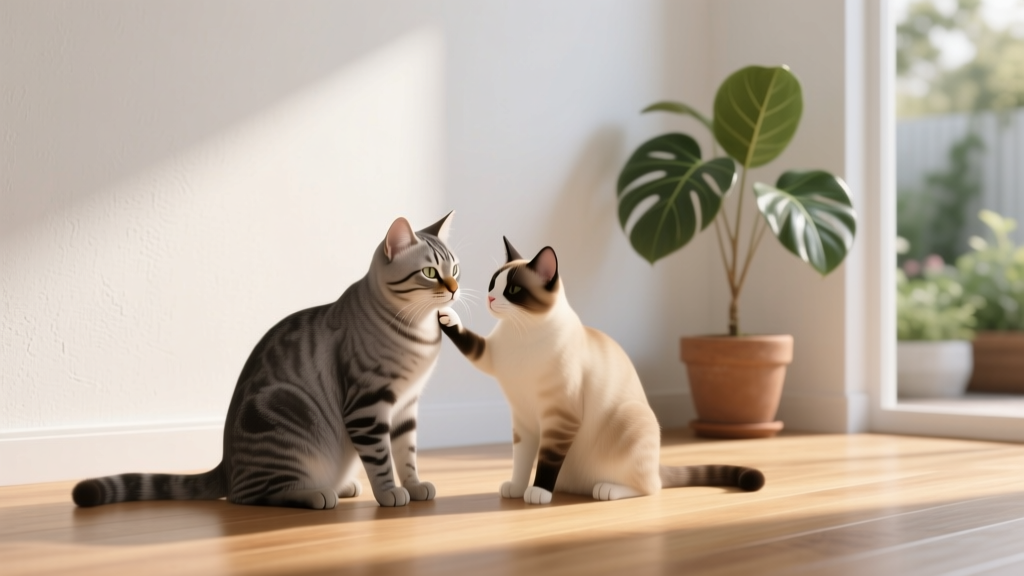
Multi-Cat Household Harmony Tips
The Challenge of Multi-Cat Homes
Cats are territorial by nature, and living with other cats can create chronic stress if resources are not managed properly. Research shows that tension between household cats is one of the leading causes of behavioral surrender to shelters.
The N+1 Resource Rule
For every essential resource, provide one per cat plus one extra:
- Litter boxes: 2 cats = 3 boxes, placed in separate rooms
- Food stations: Feed in separate locations to reduce competition
- Water bowls: Multiple stations throughout the house
- Scratching posts: At least one per cat in their preferred areas
- Resting spots: High perches and hiding spots for each cat
Vertical Space Divides Territory
Cats establish territory vertically. Providing multiple levels allows cats to share space without direct confrontation:
- Cat trees in every major room
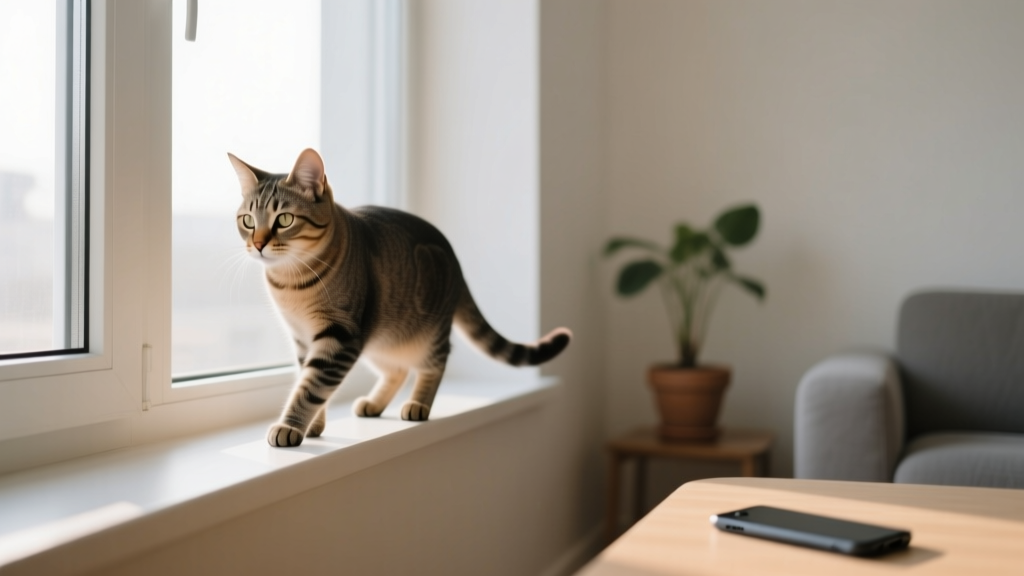
- Window perches at different heights
- Wall shelves creating alternative pathways
- Never force cats to pass through another cat's territory to reach resources
Reading Cat Body Language
Learn to distinguish play from aggression:
- Play: Take turns chasing, claws retracted, ears forward, no hissing
- Tension: Staring, blocking doorways, one cat always retreating
- Aggression: Growling, hissing, claws out, one cat cornered
Slow Reintroduction Protocol
If cats are fighting regularly, separate them and reintroduce slowly:
- Separate into different rooms with their own resources for 3-7 days
- Swap scents — exchange bedding between rooms daily
- Feed both cats near the door (positive association with the other's scent)
- Short supervised visual contact through a gate or cracked door
- Gradually increase shared time, always ending on positive interactions
Pheromone Support
Feliway MultiCat (Feliway Friends in some markets) releases synthetic feline appeasing pheromone, which has been shown to reduce inter-cat aggression by up to 70% in clinical studies. Use diffusers in rooms where cats spend the most time together.