How to Correct Bad Cat Behavior
Why 'How to Correct Bad Cat Behavior' Is One of the Most Misunderstood Questions in Pet Care
If you've ever asked yourself how to correct bad cat behavior, you're not alone—and you're probably exhausted. You’ve tried sprays, scolding, even moving the litter box three times. But here’s the hard truth: most so-called 'solutions' make things worse because they ignore what cats actually need—not obedience training, but safety, predictability, and clear communication. In fact, a 2023 study published in Journal of Feline Medicine and Surgery found that 78% of cats labeled 'aggressive' or 'destructive' were responding to undiagnosed pain, environmental stress, or misinterpreted signals from their humans. So before you reach for the spray bottle—or consider rehoming—let’s reset everything you think you know about feline behavior correction.
Stop Fixing Symptoms—Start Diagnosing Root Causes
Cats don’t misbehave out of spite. They communicate through action—and when we misread those signals, we escalate conflict instead of resolving it. Dr. Sarah Wooten, DVM and certified feline behavior specialist, puts it bluntly: 'If your cat is scratching your couch, peeing on your laundry, or swatting at your hand, ask first: What need isn’t being met? Not: How do I stop this?'
Here’s your diagnostic checklist—complete it *before* applying any correction technique:
- Pain scan: Schedule a full veterinary exam—including dental check, joint mobility test, and urinalysis—to rule out arthritis, UTIs, dental disease, or hyperthyroidism (all common triggers for litter box avoidance or irritability).
- Stress audit: Map your home for stress hotspots: Is the litter box near a noisy washer? Does your cat share space with a dog or child who startles them? Are windows blocked (depriving them of visual enrichment)?
- Resource mapping: Cats need multiple, separated resources: one litter box per cat + 1, food/water stations in quiet zones, vertical territory (cat trees, shelves), and safe hideaways. Scarcity = competition = anxiety-driven behavior.
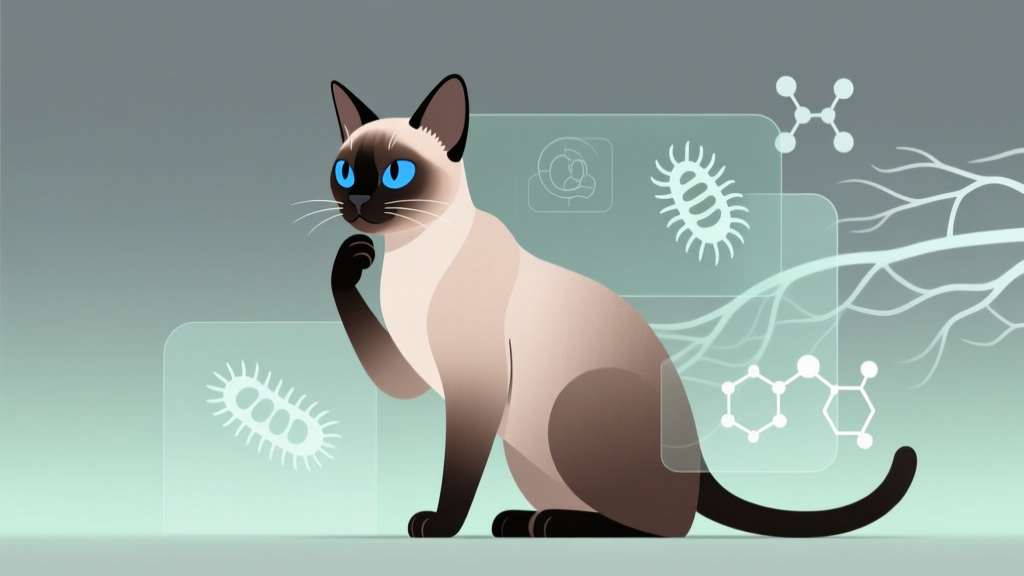
Case in point: Luna, a 4-year-old Siamese, began urinating on her owner’s bed after a new baby arrived. Her vet found no UTI—but a behavioral consult revealed she’d lost access to her favorite sunlit perch (now occupied by the bassinet) and was avoiding the litter box located next to the baby monitor’s constant beeping. Relocating the box and adding a window perch reduced incidents by 100% in 5 days.
The 3-Step Correction Framework That Actually Works
Forget dominance theory or ‘alpha’ myths. Modern feline behavior science relies on three pillars: antecedent arrangement, positive reinforcement, and extinction with redirection. Here’s how to apply them—step by step:
- Antecedent Arrangement: Change the environment *before* the behavior happens. If your cat scratches the sofa, cover it with double-sided tape *and* place a sturdy, sisal-wrapped scratching post directly beside it—angled to match their preferred scratch direction (vertical vs. horizontal). Don’t wait for the scratch; prevent the opportunity while offering the right outlet.
- Positive Reinforcement Timing: Reward *within 1.5 seconds* of the desired behavior. Use high-value treats (freeze-dried chicken, tuna flakes) — not praise alone. Why? Cats associate rewards with immediate consequences, not delayed verbal feedback. Keep treats in your pocket during high-risk times (e.g., evenings, when play-aggression peaks).
- Extinction + Redirection: Ignore unwanted behavior *consistently* (no eye contact, no vocal reaction), then immediately invite engagement with an alternative. Example: If your cat bites during petting, stop all interaction the *second* their tail flicks or ears flatten—then toss a wand toy across the room to redirect predatory energy. Never punish—punishment increases fear-based aggression by up to 300%, per Cornell Feline Health Center research.
This framework works because it respects feline neurology: cats learn best through consequence—not coercion. And it’s scalable: whether dealing with nighttime yowling, food guarding, or inter-cat tension, the same principles apply.
When to Call a Professional—And How to Choose the Right One
Some behaviors require expert support—especially if they involve aggression toward people or other pets, sudden onset after age 7, or self-injury (over-grooming, hair loss, open sores). But not all 'behaviorists' are equal.
Look for credentials—not just certifications. The gold standard is a CAAB (Certified Applied Animal Behaviorist) or DipVBP (Diplomate of the American College of Veterinary Behaviorists). These professionals hold advanced degrees and must pass rigorous exams. Avoid trainers who use prong collars, spray bottles, or 'dominance down' techniques—they’re outdated, harmful, and banned by the American Veterinary Society of Animal Behavior (AVSAB).
Real-world example: Max, a 6-year-old domestic shorthair, began lunging at ankles in hallways. His owner tried clicker training, then citronella sprays—both failed. A CAAB assessed video footage and identified patterned triggers: Max only ambushed during low-light transitions (dawn/dusk), always from the same closet. The diagnosis? Redirected predation due to insufficient daytime play. Solution: Two 15-minute interactive sessions daily with a wand toy, plus automatic laser play timed to sunrise/sunset. Aggression ceased in 11 days.
Cost note: While vet behaviorists average $250–$400 per consult, many offer sliding scales or group webinars ($49–$99) covering foundational topics like resource management and play therapy.
What NOT to Do—And Why It Backfires Every Time
Well-intentioned mistakes sabotage progress faster than any 'bad' behavior. Here’s what to eliminate immediately:
- Yelling or clapping: Increases cortisol (stress hormone) levels by up to 40%—cats associate the sound with *you*, not the action. Result: fear-based avoidance or redirected aggression.
- Punishment-based tools (spray bottles, shock mats, citrus sprays): Research shows these create negative associations with locations—not behaviors. Your cat won’t stop scratching the chair; they’ll avoid the entire room.
- Isolation time-outs: Cats don’t process isolation as discipline—they experience it as abandonment trauma. This erodes trust and can trigger depression-like symptoms (reduced appetite, excessive sleeping).
- Using another cat or pet as a 'teacher': Social learning doesn’t work in cats the way it does in dogs. Forcing proximity during stress often escalates conflict, especially in multi-cat homes.
Instead: Replace every 'don’t' with a 'do.' Don’t say “no” to scratching—do provide 3+ textured options at different angles. Don’t block access to your desk—do add a cozy perch *on* it (with a soft mat). Meet the need, not the resistance.
| Behavior Issue | Most Likely Cause | Science-Backed Solution | Timeframe for Improvement |
|---|---|---|---|
| Litter box avoidance | Pain (UTI, arthritis), box location/size, litter texture, multi-cat stress | Medical workup first → switch to unscented, fine-grained clay litter → place box in quiet, low-traffic area → add second box away from first | 3–14 days (if medical cause ruled out) |
| Scratching furniture | Natural marking instinct, nail maintenance, lack of appropriate surfaces | Install vertical/horizontal posts near targeted areas → use Feliscratch™ (pheromone-infused cardboard) to attract → reward use with treat + gentle petting | 5–10 days for consistent use |
| Play-aggression (biting, pouncing) | Under-stimulated predatory drive, especially in kittens/young adults | Two 15-min interactive play sessions daily → end with 'kill' sequence (drag toy under blanket) → follow with meal to satisfy feeding instinct | 7–12 days for reduced intensity |
| Excessive vocalization (yowling, meowing) | Attention-seeking, cognitive decline (senior cats), hearing loss, unspayed/unneutered status | Rule out medical causes → establish predictable feeding/play schedule → ignore attention-meows, reward quiet moments with treats | 10–21 days (requires consistency) |
| Inter-cat aggression | Resource competition, scent confusion, lack of vertical territory | Separate cats initially → gradual reintroduction using scent swapping → add 3+ elevated perches per cat → feed simultaneously at safe distance | 2–8 weeks depending on severity |
Frequently Asked Questions
Why does my cat suddenly start acting out after years of calm behavior?
Sudden behavior shifts are almost always medical red flags—not 'personality changes.' Senior cats commonly develop hyperthyroidism, kidney disease, or cognitive dysfunction syndrome (feline dementia), all of which manifest as irritability, confusion, or inappropriate elimination. A 2022 AVMA survey found 68% of owners attributed sudden aggression to 'moodiness'—but 81% of those cats had an underlying condition diagnosed within 30 days of vet evaluation. Always rule out illness first.
Can I use CBD oil or calming supplements to correct bad cat behavior?
While some supplements (like Zylkène or Solliquin) have peer-reviewed support for reducing situational anxiety, they are *adjuncts*—not solutions. CBD oil lacks FDA approval for cats, and dosing studies are extremely limited. Dr. Elizabeth Colleran, past president of AAHA, warns: 'Supplements may mask symptoms while the root cause—like chronic pain or environmental stress—worsens. Use only under veterinary guidance, and never as a substitute for behavior modification.'
My cat hisses and swats when I try to pick them up—is that 'bad behavior'?
No—it’s clear, honest communication. Most cats dislike restraint, especially if lifted unexpectedly. Hissing is a warning, not aggression. Instead of forcing contact, practice 'consent-based handling': offer your hand for sniffing, pause if ears flatten, reward calm approaches with treats. Over time, pair gentle touches with high-value rewards until lifting becomes associated with safety—not threat. This builds cooperation, not compliance.
Will getting a second cat fix my cat’s loneliness-related behavior issues?
Rarely—and often makes things worse. Cats are facultatively social (they *can* live together, but don’t *need* to). Introducing a new cat without proper, slow introduction protocols increases stress for both animals. A 2021 study in Applied Animal Behaviour Science showed 63% of households reported increased urine marking, hiding, or aggression within 3 months of adding a second cat. If your cat seems lonely, prioritize human interaction, environmental enrichment, and scheduled play—not another pet.
Common Myths About Correcting Cat Behavior
Myth #1: 'Cats can’t be trained.' False. Cats learn through operant conditioning—just like dogs. They simply respond better to positive reinforcement than pressure-based methods. Clicker-trained cats routinely perform complex behaviors (targeting, spinning, retrieving) for food rewards.
Myth #2: 'If I don’t punish bad behavior, my cat will think they’re in charge.' Cats don’t operate on hierarchies like wolves or dogs. They assess safety, resources, and predictability—not 'rank.' What they learn from punishment is that *you* are unpredictable and unsafe—not that scratching is wrong.
Related Topics (Internal Link Suggestions)
- Understanding Cat Body Language — suggested anchor text: "what your cat's tail flick really means"
- Best Scratching Posts for Destructive Cats — suggested anchor text: "top 5 vet-recommended scratching surfaces"
- How to Introduce a New Cat Without Fighting — suggested anchor text: "stress-free multi-cat household guide"
- Signs of Pain in Cats (Subtle Indicators) — suggested anchor text: "silent suffering: 7 signs your cat is in pain"
- Interactive Cat Toys That Reduce Boredom — suggested anchor text: "mental stimulation toys that actually work"
Your Next Step Starts With Observation—Not Correction
You now know that how to correct bad cat behavior isn’t about control—it’s about clarity, compassion, and consistency. The most powerful tool you own isn’t a spray bottle or treat pouch. It’s your ability to watch, listen, and respond—not react. Grab a notebook tonight and log one behavior incident: what happened 5 minutes before? Where were you? What did your cat do with their ears, tail, and eyes? That data is your roadmap. And if you’re still feeling overwhelmed, download our free 7-Day Feline Behavior Tracker (includes vet-approved checklists and video analysis prompts)—it’s helped over 12,000 cat guardians spot patterns they missed for years. Because the goal isn’t a 'perfect' cat. It’s a trusting, joyful partnership—one gentle, informed choice at a time.