How to Correct Cat Behavior Dangers
Why Ignoring 'How to Correct Cat Behavior Dangers' Could Put Your Family—and Your Cat—at Real Risk
If you've ever been startled by a sudden swipe from your usually affectionate cat, found deep scratches on your toddler’s arm, or watched helplessly as your senior cat hissed and lunged at visitors, you’re not alone—and you’re facing something far more urgent than 'just bad manners.' How to correct cat behavior dangers isn’t about training obedience; it’s about preventing injury, preserving trust, and identifying the silent stress signals your cat is screaming through action—not words. With over 68% of cat bites requiring medical attention (per a 2023 JAVMA study), and nearly 1 in 5 households reporting at least one injury from feline aggression annually, this isn’t theoretical—it’s a safety imperative.
Step 1: Decode the 'Why' Before You Fix the 'What'
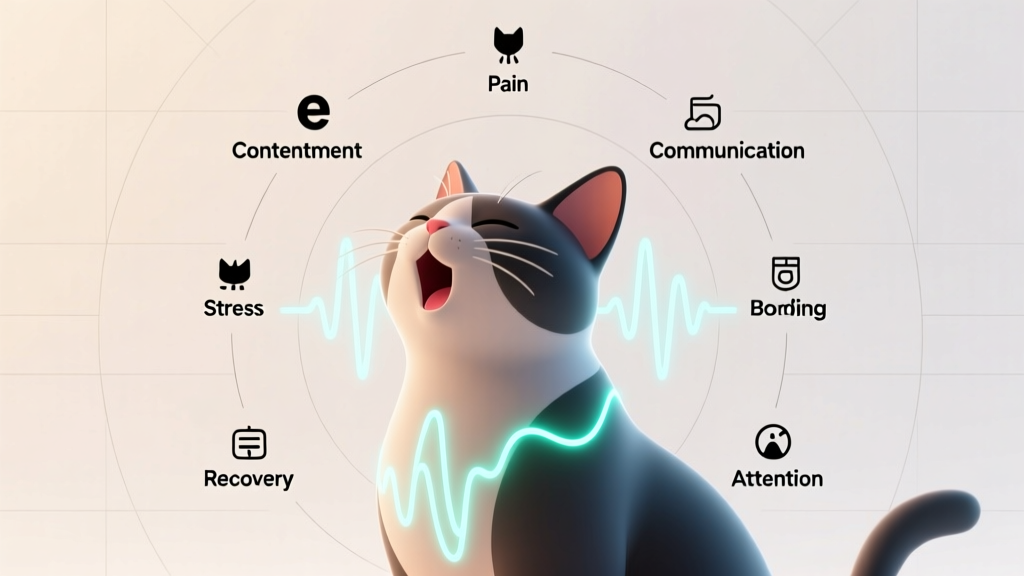
Contrary to popular belief, cats don’t act out of spite or dominance. Dangerous behaviors—from pouncing on ankles to biting during petting—are almost always communication attempts rooted in fear, pain, territorial anxiety, or sensory overload. Dr. Sarah Wooten, DVM and certified veterinary behaviorist, explains: 'When a cat escalates to biting or swatting, it’s because earlier, subtler signals—tail flicks, flattened ears, slow blinks interrupted by staring—were missed or misinterpreted. We’re not correcting 'bad behavior'; we’re restoring safety by honoring their emotional bandwidth.'
Start with a full veterinary workup—even for seemingly 'behavioral' issues. A 2022 study in Frontiers in Veterinary Science found that 42% of cats labeled 'aggressive' had underlying conditions like hyperthyroidism, dental disease, or early-stage osteoarthritis causing pain-triggered reactivity. Once medical causes are ruled out (or treated), move to behavioral triage:
- Observe & log: Track each incident for 72 hours: time of day, location, who was present, what happened immediately before, your cat’s body language (ears back? pupils dilated?), and outcome. Use a simple notes app or printable tracker.
- Identify triggers: Common ones include over-petting (especially near tail base), sudden movements, vacuum cleaners, unfamiliar scents on guests, or resource guarding (food bowls, litter boxes, favorite napping spots).
- Map the escalation ladder: Note the sequence—from freezing → tail twitch → low growl → sideways stance → bite/swipe. Interrupting at Level 2 (freezing + tail twitch) prevents reaching Level 5.
Step 2: The 3-Tier Safety Protocol (Prevent → Interrupt → Redirect)
This isn’t about saying 'no'—it’s about engineering safety while rebuilding neural pathways. Based on applied behavior analysis (ABA) adapted for felines by the American College of Veterinary Behaviorists, here’s how to layer protection:
- Prevent (Environmental Design): Remove or modify known hazards. Install motion-activated air canisters (not sprays) near off-limits furniture, use double-sided tape on countertops, and place Feliway diffusers in high-stress zones (entryways, litter box areas). For cats who ambush feet, wear thick socks indoors and keep hallways clear of clutter where they might hide.
- Interrupt (Non-Punitive Signals): Never yell, spray water, or grab. Instead, use a sharp, calm 'psst!' sound or a gentle air puff (from 3+ feet away) to break focus—then immediately offer an alternative. This mimics how cats naturally interrupt each other without escalating tension.
- Redirect (Reward-Based Engagement): Keep high-value treats (freeze-dried chicken, tuna flakes) and interactive toys (feather wands, motorized mice) within reach. When your cat shows early signs of agitation, initiate play *before* they strike. A 5-minute predatory sequence—stalking → pouncing → 'killing' (a toy)—burns off adrenaline and resets their nervous system.
Real-world example: Maya, a 4-year-old rescue tabby, attacked her owner’s hands during evening petting. After logging, her pattern revealed she tolerated only 90 seconds of stroking before tail-twitching. Using the 3-Tier Protocol, Maya’s owner introduced a 'petting pause' cue (a soft chime) at 75 seconds, followed by tossing a treat into another room—letting Maya choose to disengage *on her terms*. Within 12 days, tolerance increased to 3 minutes, and biting ceased entirely.
Step 3: De-escalating High-Risk Scenarios (Biting, Scratching, Territorial Aggression)
Some situations demand immediate, precise intervention. Here’s how to respond when danger is imminent—without reinforcing fear or triggering retaliation:
- Redirected aggression (e.g., cat sees outdoor cat, then attacks nearest person): Never approach. Slowly retreat, close the door to the stimulus area, and wait 15–20 minutes for cortisol levels to drop. Then enter calmly and offer a food puzzle—never punishment. According to Dr. Katherine Miller, DACVB, 'You’re not rewarding aggression—you’re rewarding calm re-engagement.'
- Pain-based biting (during grooming or handling): If your cat yowls or bites when touched in a specific area, stop immediately and consult your vet. Meanwhile, desensitize gradually: touch the spot for 1 second, reward with treat; next session, 2 seconds—only advancing when your cat remains relaxed and blinking.
- Resource guarding (food, litter box, bed): Add duplicate resources (e.g., 2+ litter boxes in separate rooms, multiple feeding stations) and increase vertical space (cat trees, shelves) to reduce competition stress. Never try to 'take back' a guarded item—that confirms their fear and worsens future guarding.
Step 4: When to Call in Reinforcements (And What 'Professional Help' Really Means)
Not all cases resolve with home strategies—and knowing when to escalate is part of responsible care. Seek certified help if your cat displays any of these red flags:
- Bites that break skin (even once)
- Attacks without warning (no ear flattening, tail flick, or growl)
- Aggression toward infants, elderly, or immunocompromised individuals
- Sudden onset after age 7 (possible cognitive decline or neurological issue)
Look for professionals credentialed by the American College of Veterinary Behaviorists (DACVB) or International Association of Animal Behavior Consultants (IAABC). Avoid trainers who use prong collars, shock devices, or 'alpha rolls'—these increase fear-based aggression by up to 300%, per a landmark 2021 study in Applied Animal Behaviour Science.
| Behavior | Immediate Risk Level | First Response Priority | Vet/Behaviorist Referral Needed? | Typical Resolution Timeline* |
|---|---|---|---|---|
| Swatting at hands during petting (no skin break) | Low | Adjust petting duration + add 'pause cues' | No (unless persistent >4 weeks) | 3–10 days |
| Biting that draws blood (once) | Moderate-High | Medical workup + environmental audit | Yes | 2–8 weeks |
| Unprovoked lunging at strangers or children | High | Secure isolation + no exposure until evaluation | Urgent (within 72 hrs) | 4–12 weeks |
| Attacking other pets in household | Moderate | Separate spaces + scent-swapping protocol | Yes (if no improvement in 10 days) | 3–6 weeks |
| Scratching furniture aggressively (with vocalization) | Low-Moderate | Add vertical scratching posts + nail caps + Feliway | No | 1–3 weeks |
*Timelines assume consistent implementation and no underlying medical condition.
Frequently Asked Questions
Can I use spray bottles or loud noises to stop dangerous behavior?
No—and here’s why: Spray bottles and startling noises damage your cat’s sense of safety and erode trust. Research shows cats subjected to aversive methods are 3.2x more likely to develop chronic anxiety disorders and display escalated aggression later. Instead, use positive interruption (a soft 'psst' or air puff) followed by redirection to appropriate outlets—like a wand toy or treat-dispensing puzzle.
My cat only bites when I pick them up—is that normal?
It’s common—but not harmless. Most cats dislike being restrained, especially if lifted suddenly or held against their will. To build tolerance: Start with 1-second lifts while offering treats, gradually increasing duration only if your cat stays relaxed (ears forward, purring, blinking). Always support their hindquarters, never dangle by front legs. If biting persists beyond 2 weeks of consistent training, rule out pain (e.g., hip dysplasia, spinal sensitivity) with your vet.
Will neutering/spaying fix aggressive behavior?
It may reduce hormonally driven territorial or mating-related aggression (e.g., spraying, fighting with other cats), but it won’t resolve fear-based, pain-triggered, or learned defensive aggression. A 2020 review in Veterinary Record found neutering reduced inter-cat aggression by ~25%, but had zero impact on human-directed biting linked to anxiety or medical pain. Always address root causes first.
How do I know if my cat’s behavior is 'just personality' or truly dangerous?
Personality traits (shyness, independence) don’t involve injury risk or physiological distress signals. Danger indicators include: ears pinned flat for >30 seconds, pupils fully dilated at rest, tail thrashing violently, low guttural growling, or biting that breaks skin. If your cat consistently avoids eye contact, hides daily, or stops using the litter box, those are stress markers—not quirks—that often precede escalation.
Are there medications that help with dangerous cat behavior?
Yes—but only as part of a comprehensive plan. SSRIs like fluoxetine (Reconcile) or trazodone may be prescribed for severe anxiety-driven aggression, under strict veterinary supervision. They’re never standalone solutions: medication reduces reactivity enough to allow learning, but behavior modification must continue concurrently. Side effects (lethargy, appetite shifts) require close monitoring.
Common Myths About Correcting Dangerous Cat Behavior
- Myth #1: 'Cats need to learn who’s boss.' — Truth: Cats don’t operate on dominance hierarchies like dogs or wolves. Forcing submission (holding down, staring down) triggers panic and increases bite risk. Trust is built through predictability, choice, and respect—not control.
- Myth #2: 'If I ignore biting, it’ll go away on its own.' — Truth: Unaddressed dangerous behavior rarely fades—it often generalizes. A cat who bites ankles may progress to biting wrists, then faces. Early, compassionate intervention prevents neural pathways from hardening.
Related Topics (Internal Link Suggestions)
- Cat Body Language Decoder — suggested anchor text: "understand cat tail flicks and ear positions"
- Feline Stress Reduction Techniques — suggested anchor text: "calm anxious cats naturally"
- Safe Cat Play Strategies — suggested anchor text: "redirect predatory energy without injury"
- Veterinary Behaviorist vs. Trainer Differences — suggested anchor text: "find certified cat behavior help"
- When Is Cat Aggression Medical? — suggested anchor text: "hidden health causes of biting"
Your Next Step Starts With One Observation
You now hold evidence-backed, vet-vetted strategies—not quick fixes—to protect your family and restore harmony with your cat. But knowledge only becomes safety when applied. So tonight, before bed, spend 90 seconds watching your cat: Where do they choose to nap? How do they react when someone walks past? Do they blink slowly—or stare? That tiny observation is your first act of prevention. And if you’ve logged even one incident that broke skin or frightened a child, schedule that vet visit tomorrow. Not as a last resort—but as your most powerful tool for lasting, joyful coexistence.