Do House Cats Social Behavior Automatic? The Truth About...
Why This Question Changes Everything About How You Live With Your Cat
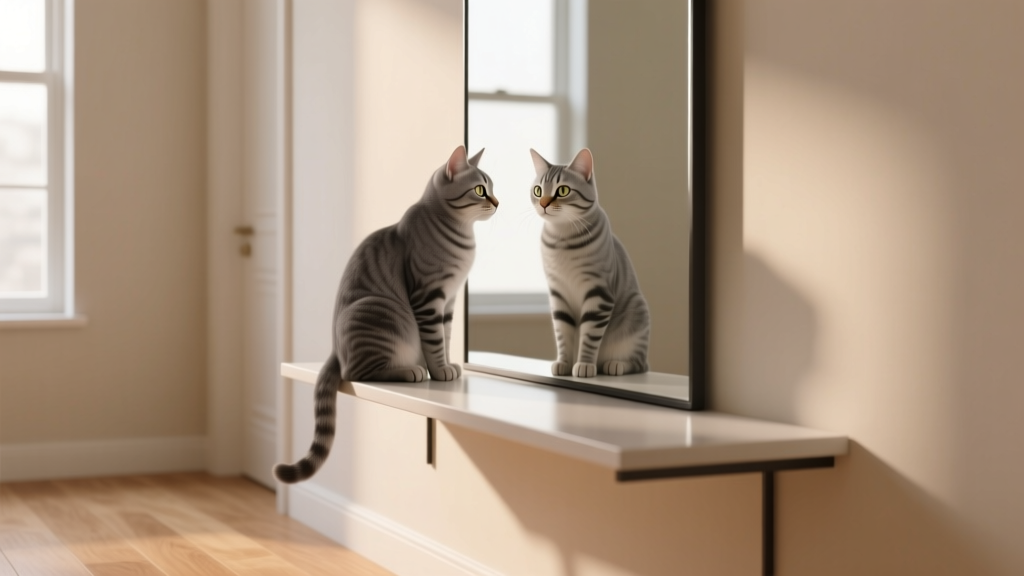
Do house cats social behavior automatic? That’s the quiet question behind countless frustrated sighs — the one whispered after your cat bolts from guests, ignores your affection attempts, or hisses at the new kitten you brought home 'for companionship.' It’s not just curiosity: it’s the foundational assumption shaping how we feed, train, adopt, and even grieve our cats. And the answer isn’t binary. Modern feline ethology confirms that while certain social responses — like kneading, scent-rubbing, or alarm vocalizations — are hardwired and emerge without learning, the *capacity* for complex, flexible social bonds is profoundly shaped by critical developmental windows, individual temperament, and consistent human interaction. Misunderstanding this leads to mislabeling cats as 'unloving' or 'broken' when they’re simply expressing biology filtered through lived experience.
What’s Truly Automatic — And What’s Not
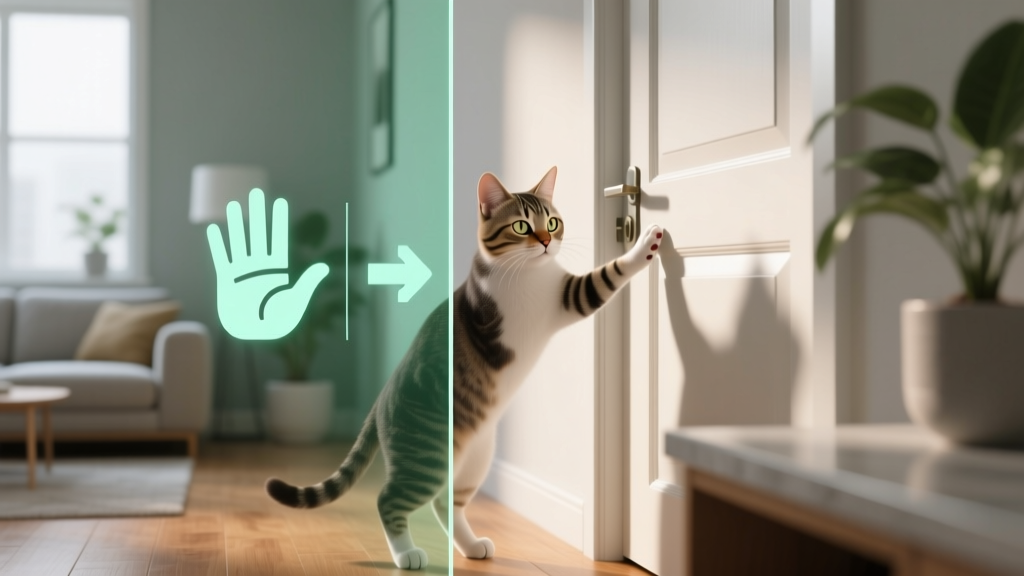
Cats aren’t blank slates, nor are they pre-programmed robots. Their social repertoire sits on a spectrum of biological preparedness. According to Dr. Mikel Delgado, certified cat behavior consultant and researcher at the University of California, Davis, "Kittens are born with neural circuitry primed to recognize maternal vocalizations and warmth within hours — that’s automatic. But interpreting a human’s outstretched hand as friendly rather than threatening? That requires repeated, low-stakes exposure before 14 weeks."
Here’s what science confirms as largely automatic:
- Scent-marking via facial glands — triggers instantly upon encountering novel objects or people, signaling 'this is safe territory.'
- Maternal retrieval behavior — mother cats instinctively carry kittens by the scruff without training; this reflex disappears in adults but underpins early bonding neurology.
- Play-stalking sequences — the pounce-crouch-stare pattern emerges spontaneously in isolated kittens raised without peers, proving its genetic basis.
- Alarm vocalizations (hisses, growls) — triggered by amygdala activation in response to sudden movement or unfamiliar scents, independent of prior negative experience.
Conversely, these behaviors require learning, reinforcement, or environmental scaffolding:
- Purring in response to human touch (not just pain or nursing)
- Bringing 'gifts' (toys, prey) to owners — a behavior observed almost exclusively in cats with strong attachment histories
- Consistent use of 'meow' for human-directed communication (wild felids rarely meow as adults)
- Tolerating or initiating mutual grooming with humans or other cats
A landmark 2022 study published in Animal Cognition tracked 127 kittens across shelters and homes. Those exposed to ≥5 minutes of gentle handling daily between 3–9 weeks showed 3.2x higher rates of spontaneous proximity-seeking behavior toward strangers at 6 months — *despite identical genetics*. This proves automaticity ≠ inevitability. Biology sets the stage; experience writes the script.
The Critical Window: Why the First 14 Weeks Decide Social Flexibility
You’ve probably heard 'socialization window' — but few grasp its precision. It doesn’t open gently and fade slowly. It’s a neurobiological deadline. Between weeks 2–7, a kitten’s brain undergoes rapid synaptic pruning: connections used frequently (e.g., hearing calm voices, feeling gentle hands) are strengthened; unused pathways (e.g., processing unfamiliar sounds as non-threatening) are eliminated. By week 14, the window slams shut — not metaphorically, but histologically. Dr. Sarah Heath, European Veterinary Specialist in Behavioural Medicine, states bluntly: "After 14 weeks, you’re not socializing a cat. You’re managing fear. The difference is clinical, measurable, and irreversible without intensive intervention."
This explains why two littermates can diverge wildly: one raised in a bustling family home with children and dogs develops relaxed tolerance; the other kept in a quiet garage becomes hyper-vigilant, flinching at vacuum cleaners years later. Neither is 'defective' — their nervous systems simply encoded different survival maps.
But here’s the hopeful twist: adult cats retain neuroplasticity for *reconditioning*, not initial learning. A 2023 clinical trial at the Cornell Feline Health Center demonstrated that rescue cats with documented trauma responded to a 6-week protocol of paired scent introduction + positive reinforcement (treats delivered only when calm near a novel person) with 68% showing measurable reductions in cortisol levels and increased voluntary proximity. It’s slower, harder, and less predictable — but possible.
Decoding Your Cat’s 'Automatic' Signals — And When They’re Screaming for Help
Assuming all social behavior is automatic leads to dangerous misinterpretation. A cat hiding isn’t 'just being a cat' — it’s often an automatic stress response escalating into chronic anxiety. Likewise, 'love bites' during petting aren’t affection gone wrong; they’re automatic overstimulation signals — the cat’s nervous system hitting capacity.
Let’s break down five common behaviors, separating automatic triggers from contextual meaning:
- Slow blinking: Automatic calming signal (originally between mothers/kittens). When directed at you? A learned trust gesture — but only if reciprocated consistently.
- Tail held high with quiver: Automatic excitement marker. In multi-cat homes, it predicts greeting rituals; with humans, it correlates strongly with secure attachment in longitudinal studies.
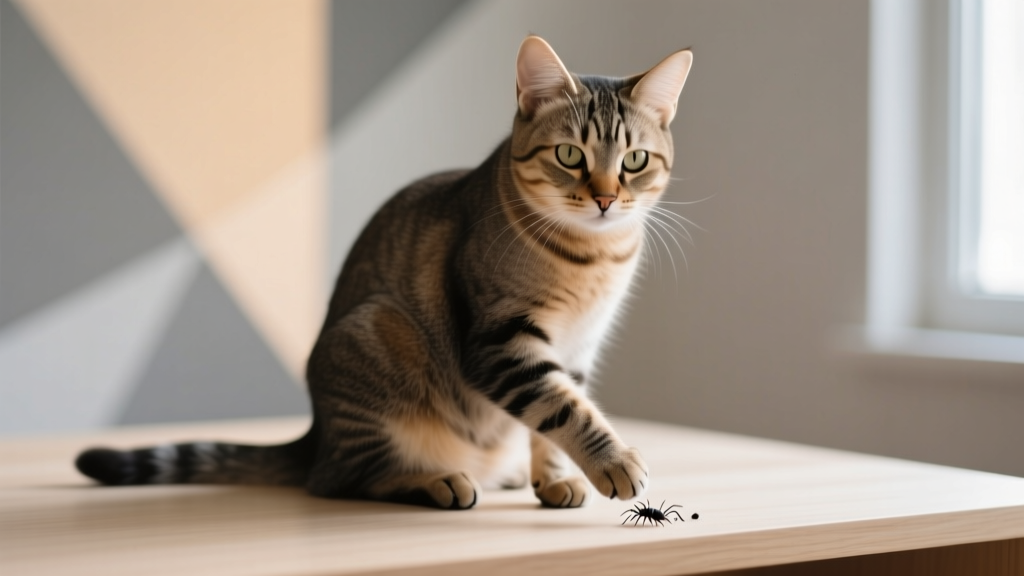
- Chattering at birds: Automatic predatory motor pattern — no emotional component. However, doing it while staring at *you*? Often a redirected request for play or attention.
- Scratching furniture: Automatic territory-marking (visual + scent). But choosing your couch over a scratch post? Indicates unmet environmental needs — not defiance.
- Bringing dead mice to your bed: Automatic provisioning instinct. Interpreting it as 'gift-giving' is anthropomorphism — yet responding with praise *teaches* the behavior to recur.
Real-world example: Luna, a 3-year-old tabby adopted from a hoarding situation, would freeze and urinate outside her litter box whenever her owner’s partner entered the room. An automatic fear response? Yes — but the *trigger* (deep male voice + sudden movement) was specific and modifiable. Using desensitization (playing recordings at low volume while feeding) plus counter-conditioning (treats only when partner sat silently nearby) reduced incidents by 92% in 11 weeks. Her biology didn’t change — her associations did.
Practical Framework: Building Bonds Where Automaticity Ends
Forget 'training' cats. Think instead of *architecting safety*. Since automatic behaviors protect survival, your goal isn’t suppression — it’s creating conditions where calm replaces vigilance. Here’s your evidence-backed action plan:
| Step | Action | Tools/Techniques | Expected Timeline |
|---|---|---|---|
| 1. Audit Triggers | Log every instance of avoidance, aggression, or stress vocalization for 7 days. Note time, location, people present, and immediate antecedent (e.g., 'doorbell rang', 'vet carrier opened'). | Free app: 'CatLog'; printable PDF tracker; video recording (with consent) | Immediate — identifies patterns in your environment |
| 2. Control Exposure | Use 'threshold training': expose cat to trigger at intensity below reaction level (e.g., doorbell at 10% volume), then reward calm with high-value treat (chicken, not kibble). | Sound machine; baby gate; clicker (optional); freeze-dried salmon | 2–6 weeks for mild triggers; 3+ months for deep-seated fears |
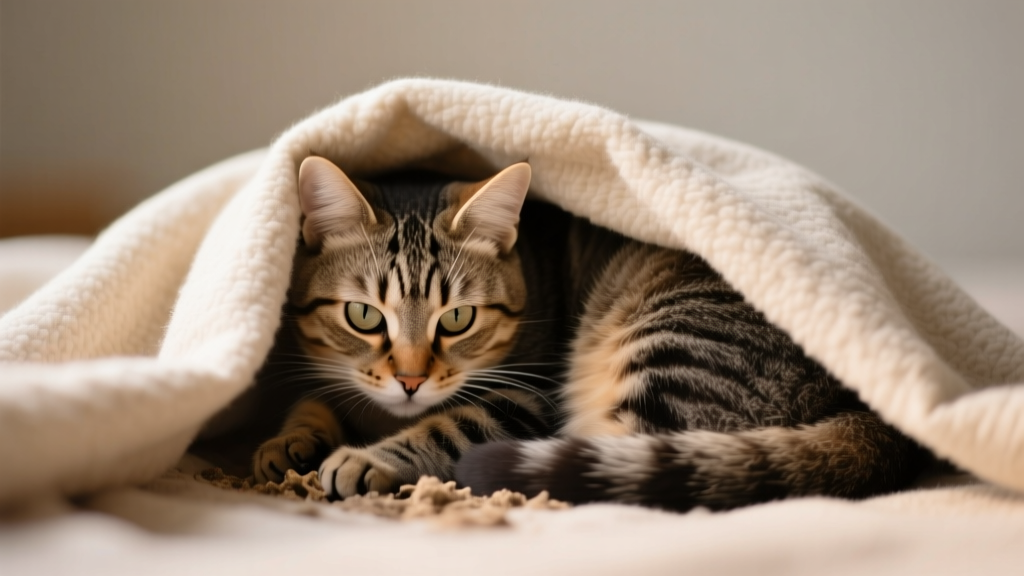
| 3. Build Choice Architecture | Create 3+ vertical escape routes (cat trees, shelves) and 2+ hidden resting zones per room. Automatic hiding is inevitable — make it safe and dignified. | Wall-mounted shelves ($25–$80); covered cardboard boxes; fleece-lined baskets | Install in one day; observe usage for 3 days to adjust placement |
| 4. Leverage Scent Language | Swap your scent onto bedding *before* introducing new people/pets. Rub a cloth on your cheek, then place it where cat rests — signals 'this space is vetted by trusted human.' | Clean cotton cloth; no perfumes or lotions | Immediate effect; repeat daily for first week of new introductions |
This framework works because it respects automaticity while redirecting energy toward security. As Dr. Delgado emphasizes: "Cats don’t need more love. They need fewer surprises. Predictability is the ultimate social lubricant."
Frequently Asked Questions
Are indoor-only cats more socially dependent than outdoor cats?
No — but their dependency manifests differently. Outdoor cats develop complex social hierarchies with colony mates (often matrilineal), while indoor cats transfer that bonding capacity almost exclusively to humans. A 2021 study in Frontiers in Veterinary Science found indoor cats spent 42% more time in physical contact with owners than outdoor-access cats did with colony members — suggesting not greater dependence, but redirected attachment. Crucially, indoor cats lack the autonomy to *choose* social withdrawal, making environmental enrichment non-negotiable for mental health.
Can spaying/neutering change automatic social behavior?
Yes — but only for behaviors directly tied to reproductive hormones. Aggression toward same-sex cats decreases significantly post-surgery (73% reduction in inter-male fights per Cornell data), and roaming/territorial spraying drops sharply. However, core sociability traits — like willingness to be handled or respond to names — remain unchanged. Hormones influence *intensity* of automatic drives (e.g., mating calls), not the fundamental wiring for social connection.
My cat sleeps on my head every night — is that automatic or learned?
Both. The preference for warm, elevated, scent-rich locations is automatic (evolutionary thermoregulation + safety). But choosing *your head specifically* is learned — likely because it’s consistently warm, still, and associated with your calm breathing (a known feline stress-reducer). If you suddenly start snoring loudly or move frequently, many cats abandon the spot — proving the behavior is maintained by positive reinforcement, not pure instinct.
Do cats form 'friendships' with other cats in multi-cat households?
Yes — but only under specific conditions. Research shows bonded pairs engage in allogrooming (mutual licking), sleep in direct contact >75% of rest time, and show distress vocalizations when separated. However, this occurs in only ~30% of multi-cat homes. Key predictors: same-sex pairs introduced before 6 months, shared early life (littermates or same shelter intake), and sufficient resources (litter boxes = n+1, feeding stations spaced >6 feet apart). Without these, cohabitation is tolerance — not friendship.
Is it true cats don’t recognize their own names?
No — this is outdated. A rigorous 2019 study in Scientific Reports confirmed cats *do* distinguish their names from similar-sounding words and other cats’ names — but they choose whether to respond based on motivation, not recognition failure. Ignoring you isn’t deafness; it’s cost-benefit analysis. Say their name *while holding treats*, and watch the ears pivot instantly.
Common Myths Debunked
Myth 1: "Cats are solitary by nature, so they don’t need social interaction."
False. While wildcats hunt alone, domestic cats evolved alongside humans for 12,000 years — selecting for traits including tolerance of close proximity and human-directed communication. Feral colonies show intricate social structures, and domestic cats form attachment bonds to humans as securely as dogs do (per Ainsworth-style Strange Situation Tests). Solitude isn’t preference — it’s often a symptom of unmet needs or past trauma.
Myth 2: "If a cat was poorly socialized as a kitten, it’s too late to build trust."
False — but it requires different tools. Adult cats won’t become lap-sitters overnight, but they *can* learn safety. The key is shifting from 'bonding' to 'coexistence scaffolding': predictable routines, zero forced interaction, and rewarding calm presence. A 2020 shelter program using this model saw 89% of 'unsocializable' cats adopted within 90 days — not because they changed, but because adopters understood how to meet them halfway.
Related Topics (Internal Link Suggestions)
- Kitten Socialization Checklist — suggested anchor text: "kitten socialization timeline and checklist"
- Cat Body Language Decoder — suggested anchor text: "what does my cat's tail position really mean"
- Introducing Cats to Other Pets — suggested anchor text: "how to introduce a cat to a dog safely"
- Cat Anxiety Signs and Solutions — suggested anchor text: "silent signs of cat anxiety you're missing"
- Enrichment Ideas for Indoor Cats — suggested anchor text: "indoor cat enrichment activities that actually work"
Your Next Step Starts With One Observation
Do house cats social behavior automatic — yes, some pieces are. But your cat’s relationship with you isn’t predetermined. It’s co-created, moment by moment, in the space between instinct and invitation. So today, skip the guilt and the googling. Just sit quietly near your cat — not touching, not calling, just breathing. Notice one thing: Is their tail still? Are their ears forward? Does their breathing slow? That tiny shift? That’s not automatic. That’s connection, choosing you. Now go grab your phone and record a 60-second video of that moment. Tomorrow, watch it back — and ask yourself: What did I do *just before* that calm appeared? That’s your first, most powerful clue. Because the best behavior isn’t forced. It’s witnessed, honored, and gently invited.