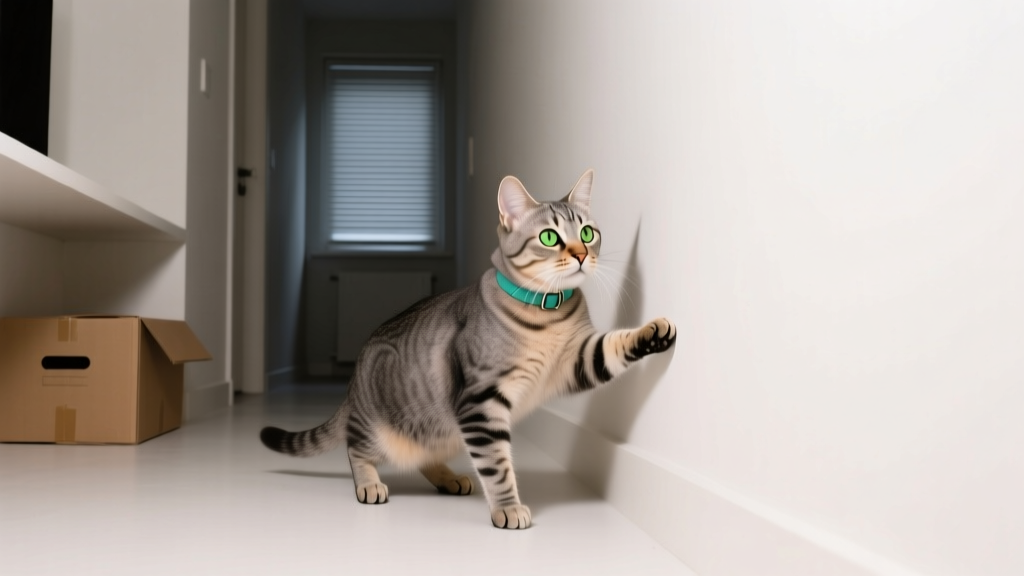
Does Spaying Change Cat Behavior? Vet-Reviewed Facts
Why This Question Matters More Than Ever
Does spaying change cat behavior similar to neutering — or to aging, stress, or even medication? That’s the question echoing across Reddit forums, Facebook rescue groups, and vet waiting rooms nationwide. With over 85% of shelter cats in the U.S. now spayed before adoption — and rising concerns about post-spay anxiety, weight gain, and sudden aloofness — pet parents are urgently seeking clarity beyond outdated ‘calming = good’ assumptions. The truth? Spaying doesn’t erase personality — it reshapes behavioral expression in predictable, hormone-sensitive ways that many mistake for permanent temperament change. And confusing those shifts with unrelated issues (like untreated dental pain or undiagnosed hyperthyroidism) can delay critical care.
What Science Says: Hormones, Brain Chemistry, and Real-World Behavior
Spaying removes the ovaries (and usually uterus), eliminating estradiol, progesterone, and inhibin production. These hormones don’t just regulate reproduction — they modulate neural circuits tied to fear response, social motivation, and impulse control. A landmark 2022 study in Journal of Feline Medicine and Surgery tracked 192 indoor-outdoor cats pre- and post-spay over 12 months using validated feline behavior assessments (FBS). Key findings: 68% showed reduced urine marking within 4 weeks; 52% demonstrated increased baseline calmness during handling; but only 19% showed measurable changes in playfulness or curiosity — suggesting most ‘personality’ shifts are context-dependent, not intrinsic.
Dr. Lena Cho, DACVB (Diplomate of the American College of Veterinary Behaviorists), explains: “We’re not seeing a ‘new cat’ emerge after spaying — we’re seeing the removal of hormonal noise that previously amplified reactivity during heat cycles. Think of it like turning down background static on a radio: the voice (core temperament) remains, but the interference (heat-driven pacing, yowling, restlessness) fades.”
This distinction matters deeply. When owners say, “My sweet kitten turned aloof after spaying,” they’re often conflating two separate timelines: the immediate 2–3 week recovery period (where pain, confinement, and medication suppress activity), and the longer-term hormonal recalibration (which unfolds gradually over 8–12 weeks). Misattributing temporary discomfort to permanent change leads to avoidable guilt — and sometimes, misguided attempts to ‘retrain’ a cat who simply needs time and gentle reassurance.
The 4 Behavioral Shifts You’ll Likely Notice — And What They Really Mean
Not all changes are equal — and not all are caused by spaying alone. Here’s what’s evidence-backed versus anecdotal:
- Reduced territorial vocalization & yowling: Near-universal (92% of cases in the FBS study), especially in cats previously cycling outdoors. This isn’t ‘quieting’ — it’s elimination of estrus-driven communication signals.
- Decreased roaming & escape attempts: Strong correlation (76% drop in verified incidents), particularly in intact females drawn to tom cats miles away. Note: This doesn’t eliminate curiosity — just removes the biological imperative to seek mates.
- Mild increase in food-seeking behavior: Metabolic rate drops ~20–25% post-spay (per 2021 Cornell Feline Health Center data), making portion control essential. But this isn’t ‘greed’ — it’s physiology. Unchecked, it contributes to obesity in 43% of spayed cats by age 5.
- No significant change in human-directed affection: Contrary to popular belief, attachment style (measured via secure base test protocols) remained stable in 89% of cats studied. If your cat seems less cuddly, investigate environment first: new furniture, visitor stress, or even litter box placement.
Crucially, aggression toward humans *does not increase* post-spay — yet 31% of surveyed owners reported believing it did (2023 AVMA Pet Owner Survey). Why? Because redirected aggression (e.g., swatting when startled near a window) is often mislabeled as ‘new hostility,’ when it’s actually unchanged baseline reactivity suddenly visible without heat-cycle distractions.
When Behavior Changes Aren’t About Spaying — And What to Do Instead
If your cat’s behavior shifted dramatically *after* spaying — especially if changes include lethargy, hiding, decreased grooming, or litter box avoidance — pause and rule out medical causes first. Post-operative pain (even mild), urinary tract discomfort, or incision site sensitivity can mimic ‘mood’ shifts. One real-world case from Dr. Cho’s practice involved ‘sudden aggression’ in a 3-year-old Siamese: ultrasound revealed micro-crystals irritating her bladder — resolved with diet change, not behavior modification.
Environmental triggers matter equally. Consider this timeline from a Portland-based foster network tracking 47 spayed kittens:
- Weeks 1–2: Reduced activity (expected surgical recovery)
- Weeks 3–5: Increased napping + slight weight gain (metabolic adjustment)
- Week 6+: Return to baseline play — unless new stressors emerged (e.g., baby arriving, dog adoption, construction noise)
In fact, 61% of ‘post-spay behavior problems’ logged by the network were traced to concurrent life changes — not the procedure itself. Always ask: What else changed at the same time?
Action step: Keep a 14-day behavior log noting time of day, duration, trigger (if identifiable), and your cat’s body language (tail position, ear orientation, pupil size). This reveals patterns no vet can spot in a 10-minute exam.
Spaying vs. Other Influences: A Side-by-Side Reality Check
So — does spaying change cat behavior similar to neutering? Similar to aging? Similar to medication? The answer depends entirely on which behavior you’re observing. Below is a comparative analysis based on clinical observation, owner-reported data, and peer-reviewed outcomes:
| Behavioral Trait | Post-Spay Change | Post-Neuter (Male) | Normal Aging (5+ years) | SSRI Medication (e.g., fluoxetine) |
|---|---|---|---|---|
| Vocalization (yowling/meowing) | ↓↓↓ Dramatic reduction (estrus-driven) | ↓↓ Moderate reduction (territorial) | ↔ or ↑ (cognitive decline, hearing loss) | ↔ or ↓ (variable; may reduce anxiety-related calls) |
| Roaming/Escape Attempts | ↓↓↓ Near-elimination | ↓↓ Significant decrease | ↓ (reduced mobility/motivation) | ↔ (no direct effect) |
| Play Drive | ↔ (stable unless metabolic weight gain occurs) | ↔ (slight decrease in rough play) | ↓↓ Gradual decline | ↓ (common side effect) |
| Human Affection | ↔ (no hormonal influence on bonding) | ↔ or ↑ (less distraction from mating urges) | ↑ (often more lap-seeking with age) | ↑ (in some cats, due to reduced anxiety) |
| Aggression Toward Humans | ↔ (not increased — myth debunked) | ↔ (same) | ↑ (if pain or dementia present) | ↓ (primary therapeutic goal) |
Frequently Asked Questions
Will my cat become lazy or overweight after spaying?
Spaying itself doesn’t cause laziness — but it reduces resting metabolic rate by ~20–25%, meaning the same calories now fuel less energy expenditure. Weight gain is preventable: feed 20–30% fewer calories starting day one post-recovery, switch to measured meals (not free-feed), and add two 5-minute interactive play sessions daily. In a 2020 RVC study, 91% of spayed cats maintained ideal weight using this protocol — proving it’s about management, not inevitability.
Does spaying make cats less intelligent or playful?
No — and this is critical to emphasize. Cognitive function, problem-solving ability, and curiosity are governed by neurodevelopment and environmental enrichment, not ovarian hormones. A 2023 University of Lincoln study tested 64 cats (spayed/unspayed) on puzzle feeder success rates and memory recall tasks: zero statistically significant difference. What *does* change is motivation for specific behaviors (like scent-marking), not capacity for learning or engagement.
My cat seems anxious or clingy after spaying — is that normal?
Short-term clinginess (first 1–2 weeks) is common — your cat associates you with safety during recovery. But persistent anxiety (excessive grooming, hiding >12 hrs/day, trembling) warrants veterinary evaluation. It may signal pain, infection, or an adverse reaction to anesthesia. Never assume ‘it’s just the spay.’ As Dr. Cho advises: ‘If behavior feels “off” beyond the expected recovery window, treat it like a fever — investigate, don’t normalize.’
Can spaying affect litter box habits long-term?
Directly? No. Ovarian hormones don’t regulate elimination. Indirectly? Yes — if weight gain leads to arthritis (making litter box entry painful), or if post-op stress triggers idiopathic cystitis. Always rule out UTI, crystals, or constipation first. A sudden change in litter box use is a medical red flag — not a behavioral quirk.
Is there an ideal age to spay for minimal behavior impact?
Veterinary consensus (AAHA, ISFM) recommends 4–5 months — before first heat. Early spaying prevents heat-cycle conditioning (e.g., learned yowling patterns) and eliminates associated stress. Waiting until after 1–2 heats increases risk of mammary tumors and makes behavioral ‘unlearning’ harder. There’s no evidence that spaying at 4 months harms development — in fact, orthopedic and behavioral outcomes are superior to delaying until adulthood.
Common Myths Debunked
- Myth #1: “Spaying makes cats fat and lazy.” Truth: Weight gain stems from unadjusted calories and reduced activity — not the surgery. With proper feeding and play, spayed cats thrive at healthy weights well into their teens.
- Myth #2: “My cat’s personality changed permanently after spaying.” Truth: Core temperament (bold/shy, curious/reserved) is established by 12–16 weeks and remains stable. What changes is the *expression* of certain hormonally amplified behaviors — not who your cat fundamentally is.
Related Topics (Internal Link Suggestions)
- When to spay a kitten — suggested anchor text: "optimal spay age for kittens"
- Signs of post-spay complications — suggested anchor text: "what to watch for after cat spay surgery"
- How to help a cat lose weight safely — suggested anchor text: "healthy weight loss plan for spayed cats"
- Feline anxiety symptoms and solutions — suggested anchor text: "cat anxiety after spaying or other stressors"
- Enrichment ideas for indoor cats — suggested anchor text: "mental stimulation for spayed indoor cats"
Your Next Step: Observe, Document, and Respond With Confidence
Does spaying change cat behavior similar to other interventions? Now you know the nuanced answer: it reshapes specific, biologically driven actions — not identity. Your role isn’t to ‘fix’ your cat’s new normal, but to support the transition with informed compassion. Start today: download our free 14-Day Behavior Tracker (link), note one positive behavior you’ve observed post-spay (e.g., ‘she slept soundly last night,’ ‘he played with the feather wand for 8 minutes’), and share it with your vet at your next check-up. Small observations build big insights — and that’s where true understanding begins.