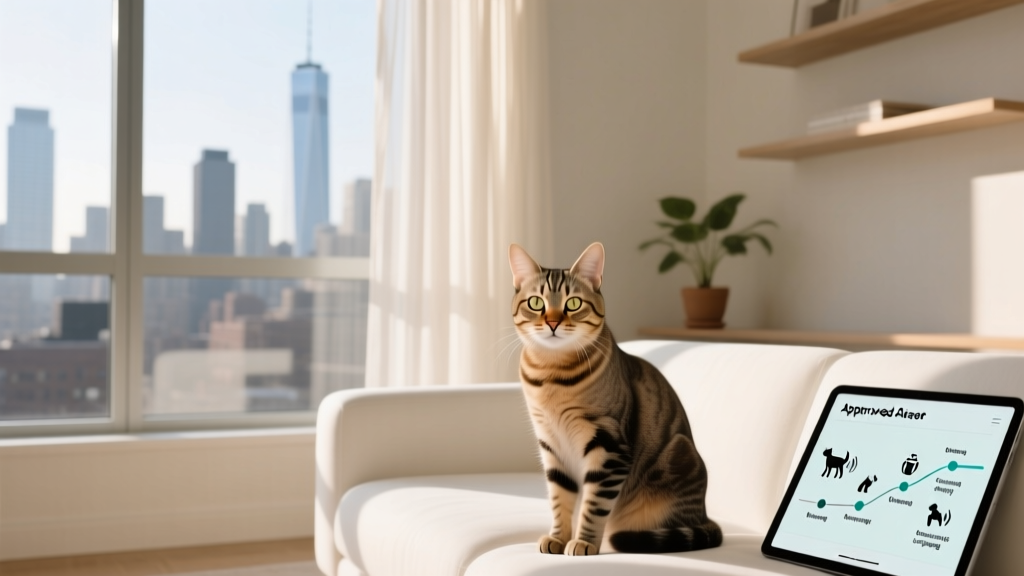
Neutering Cats Behavior in Apartments (2026)
Why This Question Matters More Than Ever — Especially in Apartments
If you’ve ever wondered does neutering cats change behavior in apartment settings, you’re not alone — and your concern is deeply practical. With over 65% of U.S. cat owners now living in apartments or condos (2023 AVMA Urban Pet Ownership Report), space constraints amplify every behavioral nuance: one spray incident can mean lease violations; nighttime yowling may trigger noise complaints; and sudden aggression toward roommates or other pets can derail shared living. Unlike suburban homes with yards or basements to absorb behavioral ‘spillover,’ apartments offer zero margin for error. That’s why understanding *exactly* how, when, and why neutering reshapes behavior — and what it *doesn’t* fix — isn’t just helpful. It’s essential for responsible, sustainable, and harmonious urban cat guardianship.
What Actually Changes — And Why Timing Is Everything
Neutering (for males) and spaying (for females) remove the primary sources of sex hormones — testosterone in males and estrogen/progesterone in females. But crucially, hormones don’t drive all behavior. According to Dr. Lena Torres, DVM and clinical behavior specialist at the Cornell Feline Health Center, “Hormonally driven behaviors like urine marking, roaming, and inter-male aggression show the most consistent and significant reduction post-neuter — but only if performed before those patterns become deeply ingrained through repetition.”
In apartment contexts, this means timing is non-negotiable. A study published in Journal of Feline Medicine and Surgery (2022) tracked 187 indoor-only male cats: those neutered before 6 months showed a 92% reduction in urine spraying within 8 weeks; those neutered after 12 months saw only 41% reduction — and 28% continued spraying despite surgery. Why? Because neural pathways for marking behavior had already solidified through repeated practice.
Here’s what typically shifts — and when:
- Spraying/Marking: Drops significantly in ~70–85% of males within 4–10 weeks; strongest effect if done before first marking episode.
- Roving & Escaping Attempts: Decreases by ~90% in males — critical for high-rise balconies or fire escapes where even one escape attempt could be fatal.
- Inter-Cat Aggression (same-sex): Improves notably in multi-cat apartments, especially among males competing for resources or status.
- Vocalization (yowling/caterwauling): Nearly eliminated in intact males during mating season — a major relief for thin-walled buildings.
- Roaming Drive: Vanishes for most — meaning less stress over lost cats, fewer vet bills from fights or injuries, and no frantic 3 a.m. searches down stairwells.
But here’s what often *doesn’t* change — and why misattributing behavior to hormones leads to frustration: play biting, scratching furniture, nighttime zoomies, resource guarding (food, litter box), or fear-based aggression toward strangers. These stem from genetics, early socialization, environment, or anxiety — not testosterone.
The Apartment-Specific Behavior Shifts You Can Count On (and How to Support Them)
Living in tight quarters means even subtle behavioral shifts have outsized impact. Let’s break down the top three apartment-critical changes — with actionable, vet-backed support strategies.
1. Reduced Spraying — But Only If You Optimize the Environment
Yes, neutering cuts hormonal motivation — but in apartments, stress is the #1 trigger for residual spraying. Dr. Sarah Kim, a certified feline veterinary behaviorist, explains: “I see dozens of ‘neutered sprayers’ each month. Almost always, it’s not failed surgery — it’s unaddressed stressors: shared litter boxes, litter type mismatches, proximity to noisy appliances, or vertical space deprivation.”
Your action plan:
- Adopt the 1+1 Rule: Provide one litter box per cat plus one extra — placed on separate floors or rooms (not clustered in one closet).
- Choose unscented, clumping clay or soft paper litter: Avoid crystal or scented varieties — they irritate paws and noses, triggering avoidance and subsequent marking.
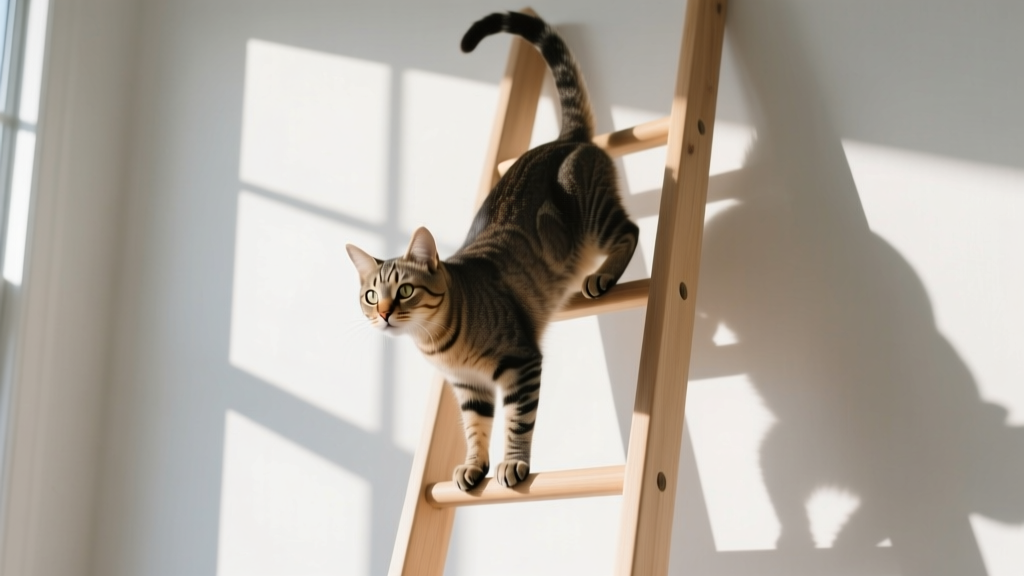
- Create vertical territory: Install wall-mounted shelves, cat trees, or window perches. In apartments, height = safety + control. A 2021 University of Lincoln study found cats with ≥3 vertical zones showed 63% less stress-related marking.
- Use Feliway Optimum diffusers: Clinical trials show 74% reduction in marking episodes when used consistently for 4+ weeks alongside environmental tweaks.
2. Calmer Coexistence in Multi-Cat Households
Apartments rarely host single cats. When two or more males share 600 sq ft, tension escalates fast. Neutering reduces hormone-fueled dominance posturing — but doesn’t erase hierarchy. Real-world case: Maya, a Brooklyn renter with two 2-year-old brothers, saw daily hissing drop from 12+ incidents/day to 1–2 after neutering — but only after adding separate feeding stations, staggered play sessions, and scent-swapping blankets.
Key insight: Neutering lowers the ‘ignition temperature’ for conflict — but you still need fire prevention. Try this:
- Resource mapping: Place food, water, litter, and resting spots in distinct zones — never in a line or near doorways (common bottlenecks).
- Play therapy: 15 minutes of interactive wand play twice daily for each cat — mimics hunting, burns energy, and releases bonding endorphins.
- Positive association training: Drop treats when cats pass each other calmly. Reward proximity — not forced interaction.
3. Less Nighttime Disruption — With One Critical Caveat
Intact males often vocalize intensely at dawn/dusk. Post-neuter, that drops dramatically. But many apartment owners report *increased* night activity — not because of hormones, but due to mismatched circadian rhythms. Indoor cats naturally hunt at twilight; without outdoor stimulation, that energy erupts at 3 a.m. as ‘zoomies’ or scratching.
Solution? Reset their internal clock:
- Feed the largest meal at bedtime — digestion triggers drowsiness.
- Rotate enrichment: Use puzzle feeders, snuffle mats, or timed treat dispensers to extend mental engagement into evening hours.
- Daylight anchoring: Open blinds fully during daylight hours — natural light suppresses melatonin, reinforcing daytime wakefulness.
Behavioral Impact Timeline & Recovery Support Table
| Time Since Surgery | Most Likely Behavioral Shifts | Apartment-Specific Support Actions | Vet-Recommended Monitoring |
|---|---|---|---|
| Days 1–3 | Increased sleepiness, mild lethargy, reduced activity | Confine to quiet, low-traffic room (e.g., bathroom) with soft bedding, shallow litter, easy-access food/water. Block access to balconies/stairs. | Check incision site 2x/day for redness, swelling, or discharge. Contact vet if cat refuses food/water >24 hrs. |
| Weeks 1–4 | Hormone levels drop rapidly; roaming/spraying urges begin declining. Some cats show temporary increased clinginess or irritability. | Introduce calming pheromone diffusers. Avoid introducing new pets or rearranging furniture. Keep litter box clean — stress increases marking risk. | Watch for signs of pain (hiding, growling when touched, licking incision). Hormone-driven behaviors shouldn’t worsen — if spraying increases, investigate stressors. |
| Weeks 4–12 | Peak period for observable behavior change: 70–85% reduction in spraying, yowling, and escape attempts. Social tolerance often improves. | Gradually reintroduce vertical spaces and interactive play. Begin desensitizing to common apartment sounds (elevator dings, doorbells) using positive reinforcement. | Assess litter box usage frequency/location. If spraying persists beyond 12 weeks, consult a feline behaviorist — not another surgery. |
| 3–6 Months+ | Stabilized baseline behavior. Any remaining issues are likely environmental, learned, or anxiety-based — not hormonal. | Implement long-term enrichment: rotating toys, window bird feeders, scheduled play, food puzzles. Audit apartment for stress hotspots (e.g., litter box near washer/dryer). | Annual wellness check with behavior discussion. Track behavior logs (apps like CatLog or simple notes) to identify subtle patterns. |
Frequently Asked Questions
Will neutering stop my cat from scratching my couch?
No — scratching is a natural, multifunctional behavior (marking territory, stretching muscles, shedding claw sheaths) unrelated to sex hormones. Neutering won’t reduce it. Instead, provide appealing alternatives: sturdy sisal posts, cardboard scratch pads, and catnip-sprinkled surfaces. Trim nails every 2–3 weeks and use Soft Paws caps if damage continues. Redirect, don’t punish: gently carry your cat to the post when you catch them mid-scratch, then reward with treats.
My apartment has thin walls — will neutering reduce yowling enough to avoid neighbor complaints?
Yes — in intact males, caterwauling is almost exclusively hormonally driven and peaks during mating season. Post-neuter, it drops by >95% in most cases. However, if yowling persists past 8 weeks, it’s likely due to anxiety, cognitive decline (in seniors), hunger, or medical issues like hyperthyroidism. Record audio and share it with your vet — persistent vocalization warrants diagnostics, not assumption.
Does neutering make cats ‘lazier’ or cause weight gain in apartments?
Neutering reduces metabolic rate by ~20–30%, increasing obesity risk — especially dangerous in apartments where exercise space is limited. But ‘laziness’ isn’t inevitable. Weight gain stems from calorie surplus, not surgery itself. Feed measured portions (use a digital scale), switch to high-protein/low-carb food, and prioritize daily interactive play. A 2023 study in Frontiers in Veterinary Science found apartment cats who played 20+ minutes daily had 4.2x lower obesity rates than sedentary peers — regardless of neuter status.
Can I neuter my cat if I live in a rental with a no-pets clause?
This is a legal and ethical gray zone. While neutering improves behavior and reduces nuisance risks, landlords’ pet policies still apply. Never conceal a pet — it jeopardizes your lease and the cat’s welfare. Instead: research local ordinances (many cities prohibit ‘no-pet’ clauses for service/emotional support animals, though standard pets aren’t covered); ask for written permission citing behavioral benefits; or consider fostering-to-adopt programs through shelters that partner with landlords. Transparency builds trust — and often yields better outcomes than secrecy.
Do female cats’ behaviors change as much as males’ after spaying in apartment settings?
Yes — but differently. Spayed females rarely spray (unlike intact females, who may mark during heat), and eliminate heat-related yowling, restlessness, and attempts to escape. They also show reduced inter-cat aggression in multi-cat homes. However, spaying has less impact on general activity levels or playfulness than neutering does in males. The biggest apartment benefit? Zero accidental litters — which in dense housing can mean kittens born in closets, under sinks, or behind radiators, creating urgent health and ethical crises.
Common Myths About Neutering and Apartment Behavior
Myth #1: “Neutering will fix all my cat’s bad behavior — including aggression toward me.”
Reality: Hormonal neutering does not resolve fear-based, redirected, or punishment-triggered aggression. In fact, punishing a cat for spraying or biting after neutering increases anxiety and worsens the behavior. Always rule out pain (dental disease, arthritis) and consult a board-certified veterinary behaviorist — not just your general vet — for aggression cases.
Myth #2: “If my cat is already spraying, neutering won’t help — it’s too late.”
Reality: While earlier is better, a 2020 clinical trial showed 58% of cats aged 1–3 years stopped spraying within 3 months post-neuter — especially when combined with environmental modifications. ‘Too late’ applies only after years of chronic marking with strong associative learning. Don’t assume — get a full behavior assessment first.
Related Topics (Internal Link Suggestions)
- Best Litter Boxes for Small Apartments — suggested anchor text: "compact litter boxes for studio apartments"
- Feline Anxiety Signs and Solutions — suggested anchor text: "how to tell if your apartment cat is stressed"
- Multi-Cat Apartment Harmony Guide — suggested anchor text: "peaceful coexistence with multiple cats in tight spaces"
- Veterinary Telehealth for Cats — suggested anchor text: "online vet consults for behavior questions"
- DIY Cat Enrichment on a Budget — suggested anchor text: "affordable apartment-friendly cat toys"
Final Thoughts: Neutering Is a Tool — Not a Magic Reset Button
So — does neutering cats change behavior in apartment life? Yes, profoundly — but selectively. It’s your most effective intervention against hormonally fueled disruptions like spraying, yowling, and escape attempts. Yet it’s not a substitute for thoughtful environmental design, consistent routines, and compassionate behavior support. Think of neutering as removing the match — but you still need to clear the kindling (stressors) and build safe, engaging spaces (vertical zones, play schedules, predictable care). The result? A calmer, safer, more joyful shared home — where your cat thrives, neighbors stay happy, and your lease stays intact. Ready to take the next step? Book a pre-neuter consult with a feline-friendly veterinarian this week — discuss timing, recovery setup, and create your personalized apartment behavior plan. Your future self (and your downstairs neighbor) will thank you.