No, You Cannot Chip a Cat to Get Behavior
Why This Myth Is Spreading—and Why It Matters Right Now
Can you chip a cat to get behavior? No—you absolutely cannot. This increasingly common misconception reflects growing anxiety among cat owners desperate to decode confusing, frustrating, or suddenly changed behaviors (like nighttime yowling, litter box avoidance, or aggression toward visitors), coupled with a well-intentioned but misguided belief that modern tech like microchips offers real-time insight into a cat’s emotional state or daily habits. In reality, microchips are passive RFID devices—no battery, no GPS, no sensors—and they transmit zero behavioral data. Yet this confusion has real consequences: owners delay seeking qualified behavioral help, misallocate resources on unproven 'smart' collars marketed as 'behavioral chips,' or even postpone veterinary evaluation for underlying medical causes of behavior change. With over 67% of indoor cats exhibiting at least one clinically significant behavior issue (per the 2023 ISFM Feline Behavior Survey), getting this right isn’t just about accuracy—it’s about your cat’s welfare, your peace of mind, and preventing irreversible stress-related illness.
What Microchips *Really* Do (and Don’t Do)
A microchip is a rice-grain-sized radio-frequency identification (RFID) transponder implanted subcutaneously—typically between the shoulder blades—using a sterile needle. When scanned by a compatible reader (used universally in shelters, vets, and rescue groups), it emits a unique 15-digit alphanumeric code linked to your contact information in a national pet recovery database. That’s it. No location tracking. No movement logging. No mood detection. No activity monitoring. No audio or video. No Wi-Fi or Bluetooth connectivity. As Dr. Sarah Hargrove, DACVB (Diplomate of the American College of Veterinary Behaviorists), emphasizes: "Microchips are life-saving ID tools—not diagnostic instruments. Confusing them with behavioral tech puts cats at risk of untreated pain, anxiety disorders, or cognitive decline masquerading as 'bad behavior.'"
So where does the myth come from? Three converging trends: (1) the rise of GPS-enabled pet trackers (often worn on collars, not implanted), (2) marketing language from some wearable device companies blurring lines between 'tracking' and 'microchipping,' and (3) well-meaning but inaccurate social media posts showing a scanner beeping near a cat and captioning it 'checking her mood today.' None of these involve the microchip itself.
5 Evidence-Based Strategies to Actually Understand & Improve Your Cat’s Behavior
Instead of chasing non-existent tech solutions, focus on proven, compassionate, and veterinarian-guided approaches. These methods address root causes—not symptoms—and are backed by peer-reviewed studies in journals like Journal of Feline Medicine and Surgery and field data from the International Society of Feline Medicine (ISFM).
1. Rule Out Medical Causes First—Every Time
Up to 40% of behavior changes in cats have an underlying medical origin—especially in senior cats or those with chronic conditions. Urinary tract discomfort can trigger litter box avoidance; dental pain may cause food aggression or withdrawal; hyperthyroidism often manifests as restlessness and vocalization; and early-stage osteoarthritis leads to irritability and reduced interaction. Action step: Schedule a full veterinary exam—including bloodwork (CBC, chemistry panel, T4), urinalysis, and orthopedic assessment—before labeling any behavior as 'just behavioral.' Document timing, triggers, and duration using a simple 7-day log (we’ll show you how below).
2. Decode the Behavior Using the 'ABC' Functional Assessment Model
Veterinary behaviorists use the Antecedent-Behavior-Consequence (ABC) model to identify patterns—not judge your cat. For example: Antecedent = you open the pantry door; Behavior = cat meows loudly and weaves between your legs; Consequence = you feed her immediately. The consequence (feeding) reinforces the behavior (meowing). This isn’t 'demanding'—it’s learned communication. Keep an ABC journal for 3–5 days. Note: time of day, environmental context (e.g., guests present, construction noise), your own actions before/after, and your cat’s body language (dilated pupils? flattened ears? tail flick?). Patterns emerge fast—and reveal whether the behavior serves attention, food, escape, or sensory relief.
3. Optimize the Environment Using the 'FELIX' Framework
Developed by ISFM and widely adopted in feline-friendly clinics, FELIX stands for Food, Environment, Litter, Interaction, and eXercise. Each pillar directly impacts behavior:
- Food: Use puzzle feeders (even low-cost DIY ones made from egg cartons) to mimic hunting and reduce boredom-related aggression.
- Environment: Provide vertical space (cat trees, wall shelves), hiding spots (cardboard boxes, covered beds), and safe vantage points away from windows with bird feeders (a major stressor).
- Litter: Follow the 'N+1' rule: number of boxes = number of cats + 1. Place boxes in quiet, low-traffic areas—not next to washing machines or litter boxes side-by-side.
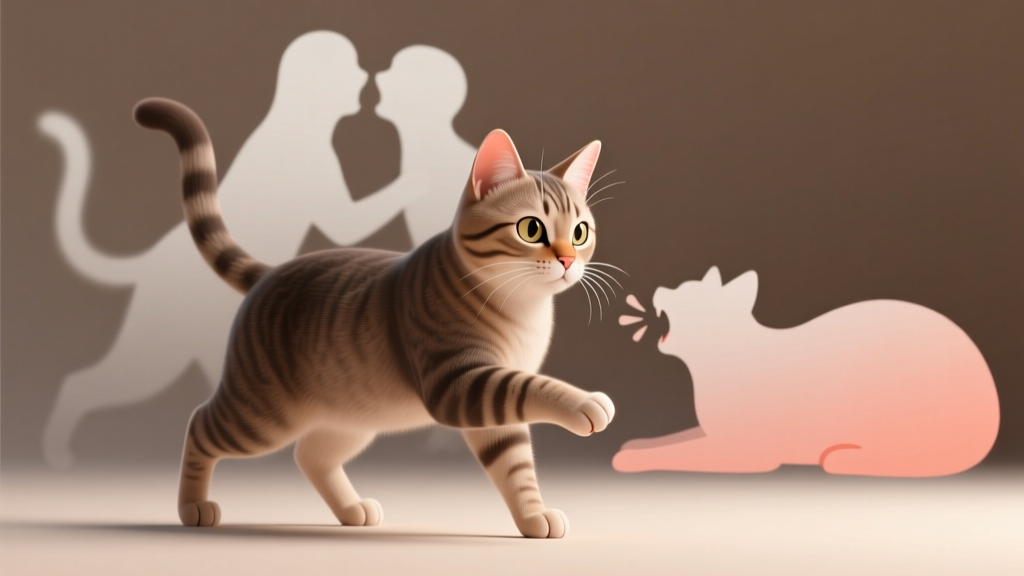
- Interaction: Respect your cat’s consent. Offer slow blinks, let them initiate touch, and end play sessions before overstimulation (watch for tail lashing or skin twitching).
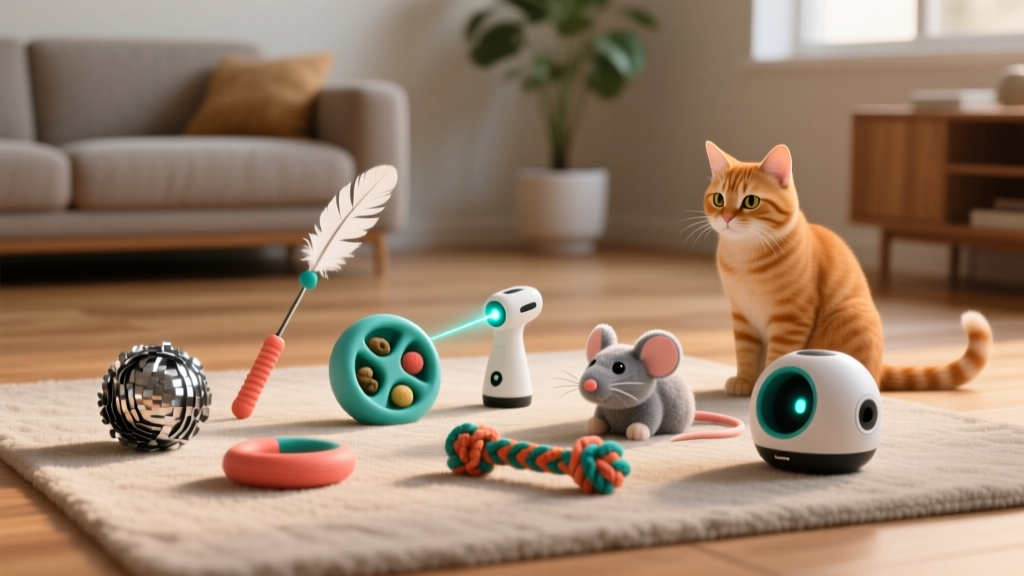
- eXercise: Two 10–15 minute interactive play sessions daily with wand toys mimicking prey movement reduces redirected aggression and nighttime zoomies.
4. Introduce Positive Reinforcement—Not Punishment
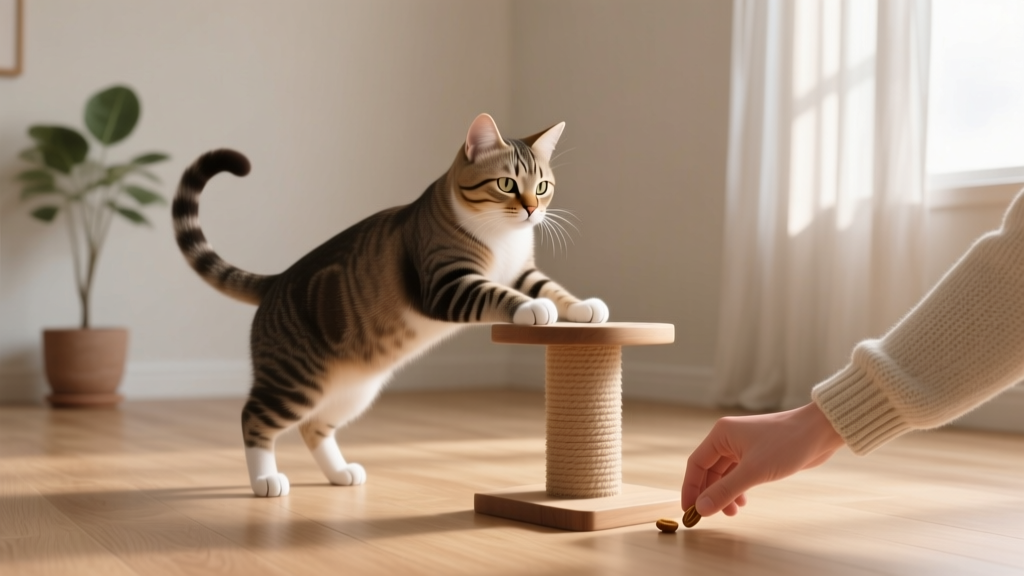
Punishment (spraying water, yelling, clapping) increases fear, erodes trust, and worsens behavior long-term. A landmark 2022 study in Applied Animal Behaviour Science found cats subjected to punishment were 3.2× more likely to develop chronic avoidance behaviors and urinary stress syndromes. Instead, reinforce desired actions: clicker training for calm greetings, treats for using scratching posts, or gentle praise when approaching new people voluntarily. Start small—even rewarding your cat for looking at a visitor without hissing builds confidence. Certified cat behavior consultants (CCBCs) report >85% success rates with reward-based plans versus <22% with aversive methods.
Behavioral Intervention Comparison: What Works, What Doesn’t, and Why
| Intervention | How It Works | Evidence Strength (Peer-Reviewed) | Time to See Results | Risk of Harm |
|---|---|---|---|---|
| Veterinary Behavior Consultation | Comprehensive assessment + tailored plan including environmental mods, medication (if indicated), and owner coaching | ★★★★★ (Gold standard; ISFM guidelines) | 2–8 weeks for measurable improvement | Negligible (when supervised) |
| Positive Reinforcement Training | Uses rewards (food, play, access) to strengthen desired behaviors | ★★★★☆ (Strong RCT support; e.g., Dantas-Divers et al., 2021) | Days to weeks, depending on consistency | None—builds trust |
| Over-the-Counter Calming Supplements | Often contain L-theanine, tryptophan, or herbal extracts; limited bioavailability & inconsistent dosing | ★★☆☆☆ (Weak human/cat extrapolation; minimal feline-specific trials) | 4–6 weeks (if effective at all) | Low, but may interact with medications |
| GPS Collar Trackers | Monitors location only—no behavior insight; battery life & fit concerns for indoor cats | ★☆☆☆☆ (No behavioral validity; marketed as safety tools) | Immediate location data—but zero behavior correlation | Moderate (collar choking, skin irritation, false security) |
| 'Behavioral Microchips' (Myth) | No such product exists—microchips lack sensors, power, or data transmission capability | ☆☆☆☆☆ (Scientifically impossible with current tech) | N/A | High (delays real treatment, wastes money) |
Frequently Asked Questions
Can microchips detect if my cat is stressed or in pain?
No—microchips have no sensors, batteries, or ability to measure physiological signals like heart rate, temperature, or cortisol levels. Stress and pain require observation (pupil dilation, ear position, posture, vocalization) and veterinary diagnostics—not scanning a chip. If you suspect pain, consult your vet immediately; cats hide illness masterfully.
Are there *any* implants that monitor health or behavior?
Not commercially available for cats—and none approved by the FDA or EMA. Some experimental research implants in lab animals measure core temperature or glucose, but these require surgery, external receivers, and pose infection risks. Wearables (like certain collars) offer limited biometric data, but accuracy for cats remains unvalidated. Always prioritize species-appropriate, non-invasive assessment first.
My cat’s behavior changed overnight—should I scan their microchip?
Scanning confirms ID only—and won’t explain the change. Sudden behavior shifts (hiding, aggression, appetite loss, inappropriate elimination) are red flags for acute illness (e.g., pancreatitis, kidney failure, neurological events). Call your vet *today*. Microchip verification matters only if your cat goes missing.
Do 'smart collars' that claim to 'analyze behavior' actually work?
Most lack peer-reviewed validation for feline use. Accelerometers may estimate activity level but misinterpret grooming or stretching as 'stress.' None interpret context—e.g., a tail flick during play vs. during vet handling. The ISFM advises: "Rely on direct observation and professional guidance—not algorithmic guesses." Save your budget for enrichment toys or a certified behavior consultation.
Is microchipping still worth it if it doesn’t help with behavior?
Absolutely—it’s the single most reliable way to reunite with your cat if lost. Studies show microchipped cats are 20× more likely to be returned home than non-microchipped cats (ASPCA, 2022). Just remember: it’s an ID tool, not a behavior tool. Keep your registry info updated—and pair it with a breakaway collar ID tag for immediate recognition.
Common Myths About Microchips and Behavior
- Myth #1: "Newer microchips can track my cat’s location and mood." Debunked: All ISO-standard microchips (the global standard) are passive RFID. No battery means no power for GPS, sensors, or data transmission. Any 'smart chip' claims are either misleading marketing or refer to separate wearable devices.
- Myth #2: "If my cat is acting out, scanning their chip will tell me why." Debunked: Scanning yields only an ID number. Interpreting behavior requires observing your cat’s body language, environment, history, and health status—skills best developed with a vet or certified behaviorist, not a scanner.
Related Topics (Internal Link Suggestions)
- Feline Stress Signals — suggested anchor text: "how to read your cat's body language"
- Veterinary Behaviorist vs. Trainer — suggested anchor text: "when to see a cat behavior specialist"
- Enrichment Ideas for Indoor Cats — suggested anchor text: "indoor cat enrichment activities"
- Litter Box Problems Guide — suggested anchor text: "why is my cat peeing outside the litter box"
- Senior Cat Behavior Changes — suggested anchor text: "cognitive dysfunction in older cats"
Your Next Step Starts With Observation—Not Technology
Can you chip a cat to get behavior? The answer remains a firm, evidence-backed no—and that clarity is your first win. What you *can* do today is powerful: grab a notebook and start your 7-day ABC log, schedule that vet visit to rule out pain, and add one new enrichment element (a cardboard tunnel, a window perch, or a timed feeder). Real behavioral understanding grows from patience, pattern recognition, and partnership—with your cat, your vet, and science—not from chasing sci-fi solutions. If your cat’s behavior feels overwhelming or unsafe, reach out to a certified cat behavior consultant or your veterinarian. You’re not failing—you’re noticing. And that’s where compassionate, effective change always begins.