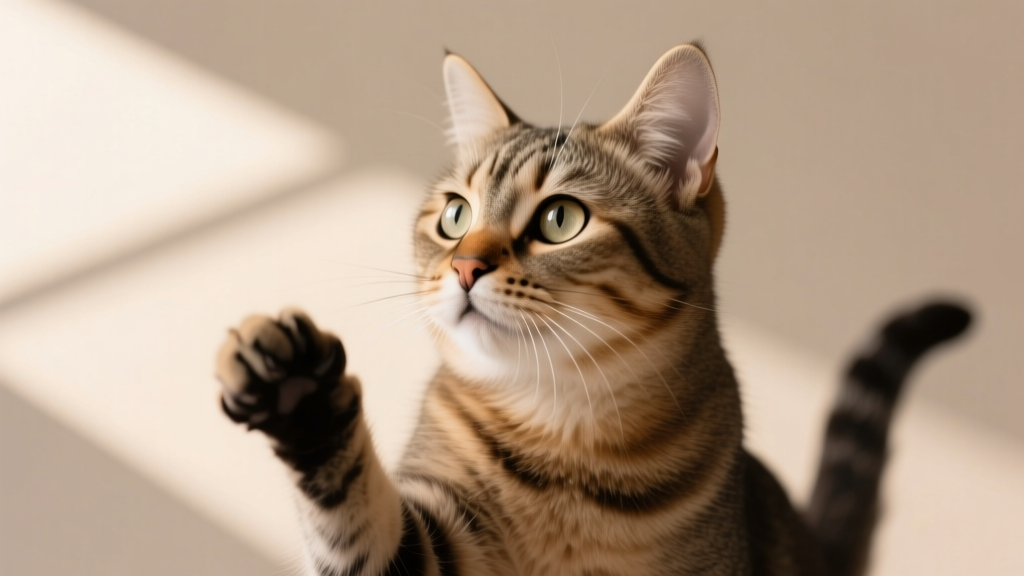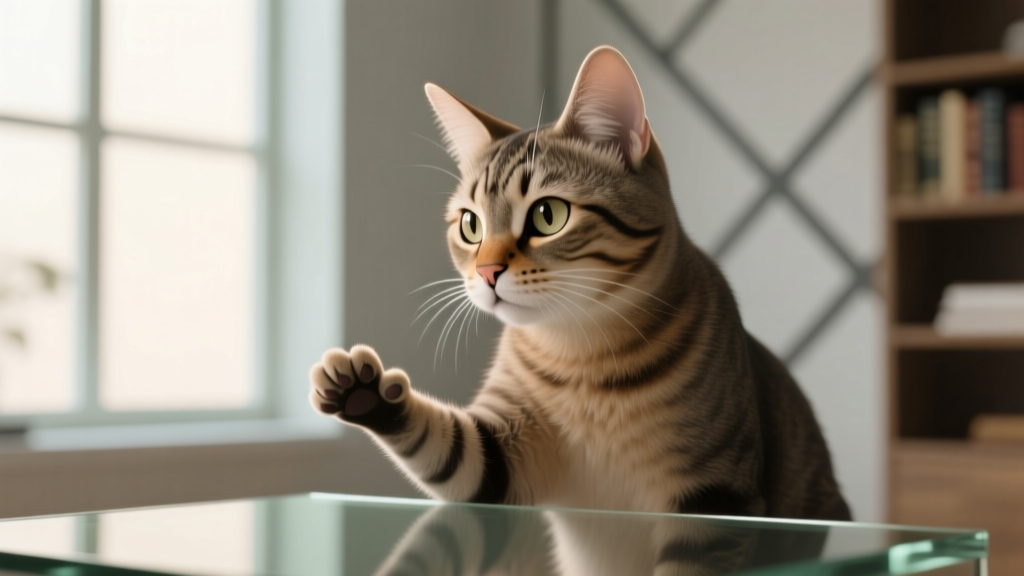
Why cats behavior baffles so many owners
Why Cats Behavior Feels Like a Riddle — And Why Solving It Changes Everything
If you’ve ever stared at your cat mid-stare, watched them bolt from nothing, or wondered why cats behavior shifts so dramatically between affectionate purring and sudden hissing — you’re not confused. You’re witnessing a species whose communication evolved in silence, subtlety, and survival — not in barks, wagging tails, or verbal cues. Unlike dogs, who co-evolved with humans for millennia to read our faces and follow commands, cats domesticated themselves on their own terms — and they still speak in body language so nuanced that even experienced owners miss 60% of key signals (per a 2023 University of Lincoln feline ethology study). Understanding why cats behavior makes sense — once you know the rules — transforms frustration into connection, anxiety into calm, and mystery into mutual trust.
The Evolutionary Blueprint: Why ‘Weird’ Is Actually Wildly Logical
Cats aren’t ‘broken’ versions of dogs — they’re apex predators wired for independence, vigilance, and precision. Their behavior isn’t random; it’s calibrated by 9,000 years of semi-domestication, where only the most self-sufficient, observant, and low-risk individuals thrived alongside humans. When your cat rubs against your leg, they’re not just saying hello — they’re depositing facial pheromones to mark you as safe territory. When they hide under the bed after a visitor arrives, it’s not shyness — it’s a hardwired threat-assessment protocol inherited from solitary desert ancestors.
Dr. Sarah Heath, a European Veterinary Specialist in Behavioural Medicine, explains: “Cats don’t experience separation anxiety like dogs do — but they *do* experience ‘environmental insecurity.’ A single loud noise, an unfamiliar scent, or rearranged furniture can trigger cortisol spikes that last hours. Their behavior is always a response — never a mood.”
Here’s how evolutionary logic maps to modern quirks:
- Kneading (“making biscuits”): A neonatal reflex tied to nursing — but in adults, it signals deep contentment and safety. If your cat kneads *while* making eye contact and slow-blinks, it’s a full-body ‘I trust you’ declaration.
- Bringing you ‘gifts’ (dead mice, socks, bottle caps): Not guilt offerings — it’s teaching behavior. In colonies, mother cats bring prey to kittens to practice hunting. Your cat sees you as an inept hunter in need of mentoring.
- Sudden zoomies (midnight dashes): Built-up predatory energy release. Indoor cats rarely get full ‘stalk-chase-pounce-kill-eat-groom-rest’ cycles — so bursts compensate. It’s healthy… unless paired with vocalization or flattened ears (then it’s fear-driven).
The Stress Decoder: When ‘Normal’ Behavior Hides Distress
Behavior is often the first — and sometimes only — sign of physical or emotional discomfort. Because cats mask pain instinctively (a survival trait), subtle shifts in routine or posture may precede visible illness by weeks. A 2022 Cornell Feline Health Center analysis found that 78% of cats diagnosed with early-stage kidney disease showed *only* behavioral changes first: increased water intake, urination outside the box, or reduced grooming — not vomiting or lethargy.
Use this diagnostic framework before assuming ‘it’s just personality’:
- Baseline check: What did your cat do daily for the past 3 months? (e.g., slept 16 hrs/day on the windowsill, used litter box 3x/day, greeted you at the door)
- Duration & consistency: Has the change lasted >5 days? Is it worsening or fluctuating?
- Context clues: Does it happen only near windows (overstimulation)? After vacuuming (noise sensitivity)? With specific people (fear association)?
- Physical correlation: Check ears (redness/infection), eyes (third eyelid showing), coat (greasiness or matting), mouth (drooling, bad breath).
Real-world case: Luna, a 4-year-old rescue tabby, began avoiding her litter box and scratching the doorframe instead. Owner assumed ‘territorial marking.’ But veterinary behaviorist Dr. Tony Buffington noted her claws were overgrown and she’d stopped stretching — revealing chronic paw pain from untreated nail bed inflammation. Once treated, the scratching ceased in 48 hours. Behavior is data — not drama.
The Bonding Language: How to ‘Speak Cat’ Without Saying a Word
Cats communicate primarily through micro-expressions, spatial positioning, and timing — not volume or repetition. Mastering their dialect builds trust faster than treats or toys. Here’s how to respond *correctly* to common signals:
- Slow blink + half-closed eyes: The feline ‘I love you.’ Return it — hold eye contact, soften your gaze, blink slowly for 2 seconds. Do this 3x/day near your cat. A 2020 study in Scientific Reports confirmed cats are 2x more likely to approach humans who slow-blink vs. those who stare.
- Tail held high with quivering tip: Ecstatic greeting — equivalent to a dog’s full-body wiggle. Reward with quiet petting (avoid belly rubs — most cats hate this).
- Ears flattened sideways (‘airplane ears’): Immediate de-escalation needed. Stop all interaction. Offer a covered carrier or cardboard box as a safe retreat. Never force comfort.
- Chattering at windows: Frustration, not excitement. Redirect with interactive play *before* the window session — use wand toys to mimic bird flight patterns for 5 minutes. This satisfies the ‘hunt’ impulse.
Pro tip: Record 60 seconds of your cat’s ‘normal’ behavior weekly (eating, resting, playing). Compare monthly. You’ll spot deviations invisible in real time — like a 3-second delay in jumping onto the couch (early arthritis) or decreased time spent in sunbeams (low-grade fever).
Feline Behavior Decoded: Key Signals, Causes & Solutions
| Behavior | Most Likely Cause | Immediate Action | When to See a Vet/Behaviorist |
|---|---|---|---|
| Excessive grooming (bald patches, skin redness) | Stress-induced dermatitis OR allergies (food/environmental) | Rule out fleas → switch to hypoallergenic diet for 8 weeks → add Feliway diffuser | If bald patches persist >3 weeks or skin oozes/blisters |
| Urinating outside the box (on soft surfaces) | Litter aversion (dirty box, wrong texture) OR urinary tract infection OR territorial marking | Clean box daily → try unscented, clumping litter → add second box in quiet location | If urine is pink/orange, cat strains to urinate, or cries in box |
| Aggression toward one person only | Past negative association OR misread body language (e.g., sudden reach, direct stare) | Teach person to sit still, avoid eye contact, offer treats from palm — no petting until cat initiates | If aggression escalates to biting that breaks skin or occurs without warning |
| Obsessive chewing on plastic/cords | Oral fixation (teething in kittens) OR pica (nutritional deficiency/stress) | Provide safe chew toys (freeze rubber toys) → test bloodwork for iron/B12 deficiency | If chewing includes non-food items like wool, paper, or metal regularly |
| Ignoring calls but coming when food is rustled | Not deafness — selective attention. Cats hear 4x better than humans but choose focus based on reward history | Pair your voice with high-value treats *only* — never call for punishment or nail trims | Rarely urgent — but if combined with head-tilting or unresponsiveness to loud noises, request hearing test |
Frequently Asked Questions
Why does my cat stare at me silently for minutes?
This isn’t judgment — it’s deep observation. Cats fixate to monitor your emotional state (your breathing rate, micro-expressions, posture). If they hold eye contact without blinking, it’s mild curiosity. If they blink slowly afterward, it’s affection. If they dart away when you move, they’re assessing threat level. No action needed — just return a slow blink to affirm safety.
Is it true cats ‘don’t care’ about their owners?
No — this myth stems from comparing cats to dogs’ overt displays. A landmark 2019 Oregon State University study using the ‘secure base test’ proved cats form secure attachments to owners comparable to human infants: 64% of cats used their owner as a ‘safe base’ to explore new rooms, returning for contact when stressed. They show love through proximity, rubbing, and following — not obedience.
Why does my cat bite gently during petting?
This is ‘petting-induced aggression’ — a sensory overload signal, not anger. Cats have ultra-sensitive nerve endings along their back and tail base. After ~10–15 seconds of stroking, the sensation becomes irritating or painful. Watch for tail twitching, skin rippling, or flattened ears — stop *before* the bite. Shorter, gentler sessions on the head/cheeks work better for most cats.
Do indoor cats get bored? What’s ‘normal’ activity level?
Absolutely — and boredom manifests as overgrooming, destructive scratching, or nighttime yowling. Indoor cats need 30+ minutes of active play daily (mimicking hunting sequences). ‘Normal’ varies: kittens may sleep 20 hrs/day but engage in 5–8 intense play bursts; seniors sleep 18+ hrs but still require 2x daily 5-minute interactive sessions. Monitor weight — inactivity + weight gain = metabolic risk.
Can cats understand their names?
Yes — but selectively. A 2019 Tokyo University study confirmed cats recognize their names among other words *and* distinguish them from similar-sounding names (e.g., ‘Mittens’ vs. ‘Fittens’). However, they choose whether to respond based on motivation — not obedience. Pair name with positive outcomes (treats, play) consistently for 2 weeks to boost responsiveness.
Common Myths About Why Cats Behavior
- Myth #1: “Cats are aloof because they’re independent by nature.” Truth: Independence is situational — not emotional. Cats form strong social bonds but prioritize autonomy *within* relationships. In multi-cat homes, bonded pairs sleep entwined, groom each other, and greet with synchronized tail twines. Their ‘aloofness’ is often a response to human inconsistency (e.g., unpredictable schedules, forced handling).
- Myth #2: “If a cat purrs, it’s always happy.” Truth: Purring occurs during labor, injury, and fear — it’s a self-soothing mechanism linked to frequencies (25–150 Hz) shown to promote bone density and tissue repair. Always assess context: Is the cat hiding? Panting? Avoiding touch? Then purring signals distress, not joy.
Related Topics (Internal Link Suggestions)
- Cat body language dictionary — suggested anchor text: "cat body language signs"
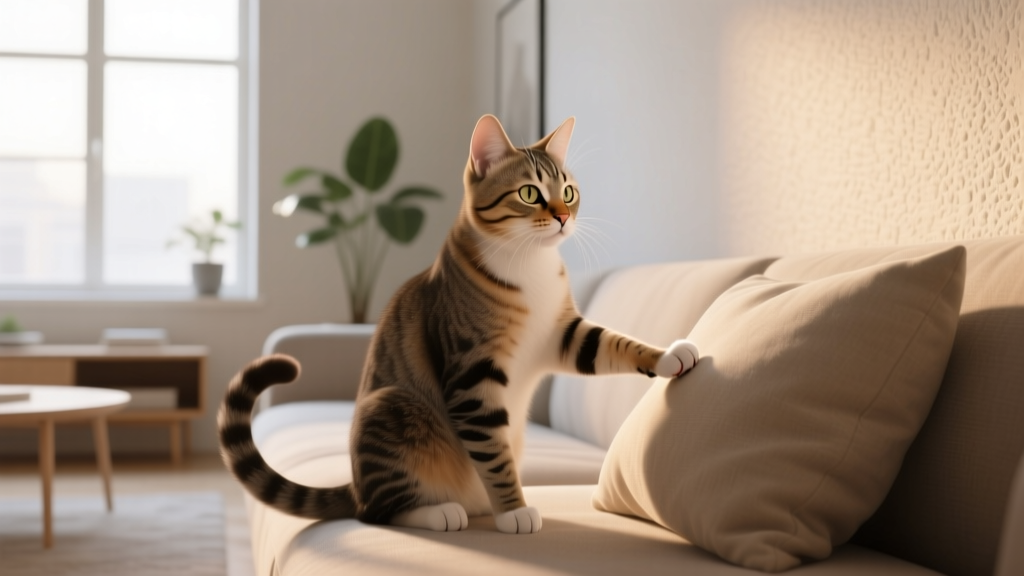
- How to stop cats from scratching furniture — suggested anchor text: "stop cat scratching couch"
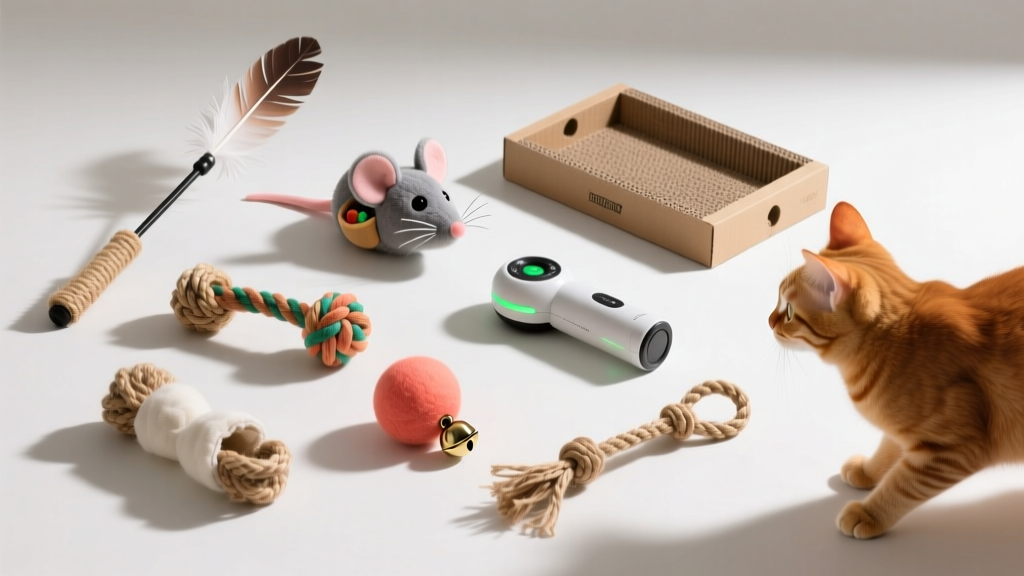
- Best interactive toys for indoor cats — suggested anchor text: "best cat wand toys"
- Signs of cat anxiety and natural remedies — suggested anchor text: "cat anxiety symptoms"
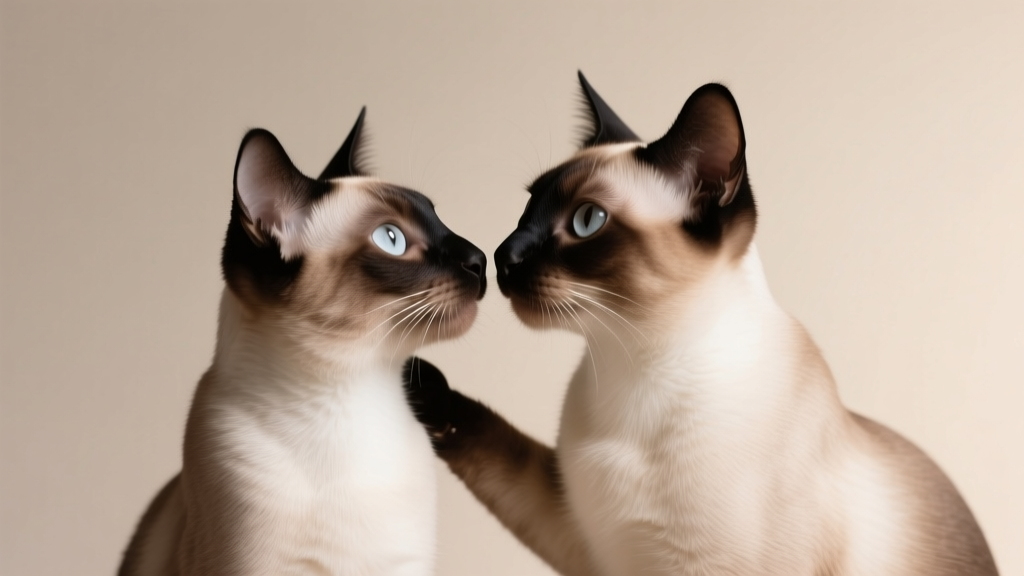
- Why cats knead blankets and people — suggested anchor text: "why do cats knead"
Conclusion & Your Next Step
Understanding why cats behavior isn’t about controlling them — it’s about honoring their evolutionary truth while meeting their needs in our human world. Every ‘odd’ quirk has purpose: the midnight zoomies burn off unused energy, the slow blink builds relational safety, the gift-giving affirms kinship. When you replace confusion with curiosity — and assumptions with observation — your cat stops being a puzzle and starts being a partner.
Your next step? Pick *one* behavior that’s been puzzling you — and for the next 72 hours, track it with these 3 notes: time, location, and what happened 5 minutes before/after. You’ll likely spot a pattern no app or article could predict — because your cat is telling you exactly what they need. Then, revisit this guide’s table or FAQ to match your observation to cause and solution. Trust your insight — and your cat’s wisdom.