The Role of Zinc in Cat Skin and Coat Nutrition
1. Why Zinc Matters for Cat Skin and Coat Health
A shiny coat and comfortable, resilient skin are more than cosmetic. In cats, skin is a metabolically active organ that functions as a barrier against allergens, parasites, bacteria, and moisture loss. When nutrition falls short, the skin and coat often show it first: dull fur, excessive shedding, dandruff, slow wound healing, scaly patches, or recurrent skin infections.
Zinc is one of the “small but mighty” nutrients behind healthy feline skin and coat. It supports normal skin cell turnover, immune defenses at the skin surface, and the integrity of hair follicles. Because cats are obligate carnivores with unique nutrient requirements, zinc isn’t just a nice addition—it’s a carefully balanced part of a complete diet. Too little can contribute to dermatologic problems; too much can be harmful and can interfere with other essential minerals.
2. Scientific Background: Feline Nutrition and Obligate Carnivore Biology
Cats evolved to thrive on animal-based prey. This obligate carnivore biology shapes how they digest, absorb, and use nutrients:
- Higher protein and specific amino acid needs: Cats require taurine, arginine, and a consistently high intake of high-quality protein. Skin and hair are protein-rich tissues.
- Fatty acids matter: Essential fatty acids (like linoleic acid and arachidonic acid) are crucial for skin barrier function and coat quality.
- Micronutrients must be present in the right form: Minerals such as zinc, copper, selenium, and iodine act as enzyme cofactors for skin maintenance, pigment, and immune function.
- Limited ability to “make up for gaps”: Cats do not adapt well to diets that are unbalanced, especially if homemade or heavy in plant-based ingredients without proper formulation.
Skin and coat health reflects the total diet. Zinc works alongside protein, fatty acids, vitamins A and E, B vitamins (especially biotin and riboflavin), and other trace minerals. Addressing zinc without considering the full nutritional picture often leads to disappointment.
3. Evidence-Based Role of Zinc in Cat Skin and Coat Nutrition
What zinc does in the body
Zinc is required for hundreds of enzymes and proteins. For skin and coat, it is especially relevant for:
- Keratinization: Normal formation of keratin, a structural protein in hair and the outer skin layers.
- Skin cell turnover and repair: Supports healthy epithelial tissue and wound healing.
- Immune function: Helps maintain immune defenses, including at the skin barrier.
- Antioxidant roles: Works in antioxidant enzyme systems (directly or indirectly), supporting resilience against oxidative stress.
Zinc and common skin/coat signs in cats
Zinc deficiency in cats is considered uncommon when a cat eats a complete and balanced commercial diet, but it can occur in certain scenarios (unbalanced homemade feeding, malabsorption disorders, unusual ingredient profiles, or severe dietary restriction). When zinc intake or absorption is insufficient, potential signs may include:
- Dry, flaky skin (dandruff)
- Dull coat, poor coat quality, excessive shedding
- Crusting, scaling, or thickening of the skin in some cases
- Delayed wound healing
- Increased susceptibility to secondary skin infections
These signs overlap with allergies, parasites, fungal disease, grooming/behavioral issues, and other nutrient imbalances. That’s why diagnosis and diet changes should be guided by a veterinarian.
Absorption, bioavailability, and why the ingredient list can be misleading
Zinc content on paper is not the same as zinc absorbed and used by the body. Bioavailability depends on several factors:
- Zinc source: Many pet foods use zinc sulfate, zinc oxide, or organic chelated forms (such as zinc proteinate). Organic forms may be more bioavailable in some contexts, but formulation quality matters more than a single ingredient.
- Diet composition: High levels of certain plant compounds (phytates) can bind minerals and reduce absorption. Cats generally do best with animal-forward formulations, though well-formulated diets can account for this.
- Mineral interactions: Excess calcium, iron, or copper can interfere with zinc absorption. Oversupplementing one mineral can create a functional deficiency of another.
Zinc balance: deficiency vs. excess
Zinc is essential, but more is not better. Too much zinc can cause gastrointestinal upset and can disrupt other minerals (notably copper and iron). Significant zinc toxicity can occur if a cat ingests zinc-containing objects (certain coins, hardware, some topical products, or supplements), and this is a medical emergency. For diet, the key is a complete and balanced formula that meets established nutrient profiles (such as AAFCO or equivalent standards) and is fed appropriately.
How zinc fits into the bigger “skin and coat” nutrition picture
If you’re focused on coat shine, it’s tempting to chase a single nutrient. Skin and coat health is usually best supported by a combination of:
- High-quality animal protein (supports hair structure and growth)
- Essential fatty acids (supports skin barrier and reduces dryness)
- Appropriate zinc, copper, and selenium (support skin integrity, pigment, and antioxidant systems)
- Vitamins A and E (epithelial health and antioxidant support)
- Hydration (supports skin moisture and coat quality)
4. Practical Recommendations for Cat Owners
Choose diets designed to meet feline requirements
- Feed a complete and balanced diet labeled for your cat’s life stage (kitten, adult maintenance, or all life stages).
- Prioritize reputable manufacturers that employ veterinary nutritionists and perform quality control testing.
- Use “skin and coat” claims wisely: Look for diets that emphasize balanced fatty acids, high-quality protein, and documented nutritional adequacy—not just marketing language.
Support zinc intake through appropriate food, not DIY supplements
For most cats, the safest way to support zinc is through a balanced diet rather than adding zinc supplements. If you suspect a deficiency or your cat has chronic skin issues, a veterinarian can determine whether zinc support is appropriate and in what form and dose.
Nutrition basics that often improve coat quality
- Ensure adequate calories: Chronic underfeeding can lead to coat thinning and poor quality.
- Add moisture thoughtfully: Wet food can support hydration, which may benefit skin comfort in some cats.
- Control parasites and allergies: Flea allergy dermatitis and food/environmental allergies commonly mimic “nutrition problems.”
5. Comparing Options: Diet Approaches and When They Make Sense
| Option/Approach | Pros for Skin/Coat | Cons/Risks | Best Fit For |
|---|---|---|---|
| Complete & balanced commercial wet food | Higher moisture; typically high animal protein; consistent mineral formulation | Cost; dental tartar control not a given | Cats prone to dryness, urinary issues, or low water intake |
| Complete & balanced commercial dry food | Convenience; consistent nutrition; often cost-effective | Lower moisture; some formulas higher in carbohydrates | Owners needing convenience; cats that maintain hydration well |
| Veterinary “dermatology/skin” diets | Often optimized fatty acid profiles; may include novel proteins or hydrolyzed proteins for allergies; controlled mineral balance | Higher cost; requires vet guidance | Cats with chronic itch, suspected food allergy, recurrent ear/skin infections |
| Homemade diets (without a veterinary nutritionist) | Ingredient control in theory | High risk of mineral imbalance (including zinc/copper); risk of deficiency or excess; time and cost | Generally not recommended without professional formulation |
| Targeted supplements (zinc, oils) | May help specific diagnosed needs under supervision | Overdose risk; mineral interactions; can mask underlying disease | Only when prescribed or guided by a veterinarian |
6. Common Mistakes and Misconceptions (Myths Debunked)
- Myth: “A dull coat means my cat needs more zinc.”
Reality: Dull coat can come from parasites, allergies, stress grooming changes, arthritis (reduced grooming), obesity, dental pain, chronic disease, or inadequate overall nutrition. Zinc is only one piece. - Myth: “More minerals = better coat.”
Reality: Mineral balance matters. Excess zinc can interfere with copper and iron and can cause illness. Use balanced diets, not guesswork supplementation. - Myth: “Grain-free automatically improves skin.”
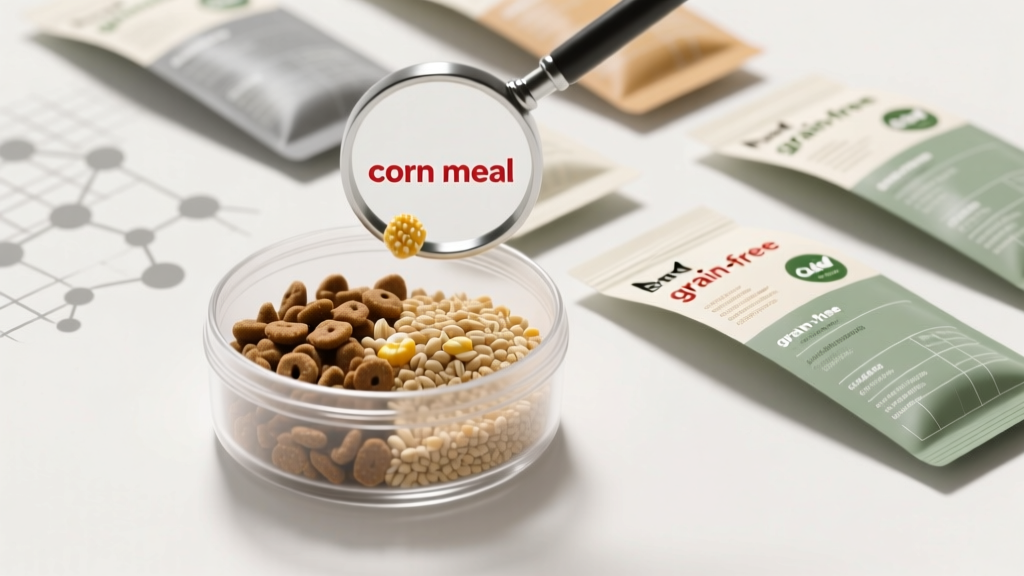
Reality: Grain-free is not a treatment for skin disease. True grain allergy is uncommon. Skin issues are more often driven by fleas or environmental allergies, and sometimes by specific proteins. - Myth: “If the label lists zinc, my cat is covered.”
Reality: Adequacy depends on total formulation, digestibility, and quality control. Choose foods with recognized nutritional adequacy statements and reputable manufacturing.
7. Implement Changes Safely (Transition Tips)
Sudden diet changes can cause vomiting, diarrhea, or food refusal—especially in cats. Use a gradual transition while monitoring skin, coat, and stool quality.
- 7–10 day transition plan:
- Days 1–2: 75% old food / 25% new food
- Days 3–4: 50% old / 50% new
- Days 5–7: 25% old / 75% new
- Days 8–10: 100% new food
- Go slower if needed: For sensitive cats, stretch each step to 3–4 days.
- Track results: Keep a simple log of itch level, dandruff, shedding, stool quality, and any vomiting.
- Don’t change everything at once: Switching food, adding supplements, and changing treats simultaneously makes it hard to identify what helped—or what caused a reaction.
If your cat stops eating for more than 24 hours (or eats significantly less), contact your veterinarian promptly. Cats are vulnerable to hepatic lipidosis (fatty liver) when they don’t eat enough.
8. Special Considerations (Age, Health Conditions, Activity Level)
Kittens
- Choose a kitten-formulated diet to support growth, skin development, and coat changes.
- Avoid unbalanced homemade feeding. Growth magnifies the harm of mineral imbalances.
Adult cats
- Maintain steady body condition. Both obesity and underfeeding can worsen coat quality.
- If your cat has chronic dandruff or itch, rule out fleas and allergies before assuming a nutrient gap.
Senior cats
- Arthritis or dental disease can reduce grooming, leading to a greasy or unkempt coat even with excellent nutrition.
- Chronic kidney disease, hyperthyroidism, and diabetes can affect coat quality; diet must match the medical condition.
GI disease or malabsorption
- Cats with inflammatory bowel disease, chronic diarrhea, or pancreatic issues may have nutrient absorption challenges.
- Work with a veterinarian. These cats may need therapeutic diets and targeted supplementation only under medical guidance.
Skin disease, allergies, and recurrent infections
- Food allergy trials require strict adherence (no flavored medications or treats unless approved).
- Veterinary dermatology diets may offer better outcomes than over-the-counter “skin support” foods for true allergic disease.
Highly active cats vs. indoor loungers
- Activity level changes calorie needs more than zinc needs.
- Overfeeding for a “shinier coat” can lead to weight gain without improving skin health.
9. FAQ: Zinc and Cat Skin/Coat Nutrition
1) Can I give my cat a human zinc supplement for shedding or dandruff?
Don’t give human zinc supplements unless your veterinarian specifically prescribes them. Dosing for cats is very different, and excess zinc can cause toxicity and interfere with other minerals like copper.
2) What foods naturally contain zinc for cats?
Animal-based ingredients such as meat and organ meats are natural sources of zinc. In practice, the best way to ensure appropriate zinc intake is to feed a complete and balanced cat food formulated to meet established nutrient standards.
3) How long does it take to see coat improvements after a diet change?
Skin turnover and hair growth take time. Some owners notice reduced dandruff or better softness in a few weeks, but fuller coat improvements often take 6–12 weeks. If itch, redness, hair loss, or scabs persist, your cat needs a veterinary exam to look for parasites, infection, or allergies.
4) Is zinc deficiency common in cats?
It’s uncommon in cats eating a properly formulated commercial diet. It becomes more plausible with unbalanced homemade diets, highly restricted ingredient feeding without formulation, or medical problems affecting absorption.
5) Should I choose a food with “chelated zinc” for a better coat?
Chelated minerals can be beneficial in some formulations, but they are not a guarantee of better results. Overall diet quality, nutrient balance, digestibility, and appropriate calories usually matter more than a single mineral form.
6) My cat’s coat is dull but they eat a good diet—what else should I check?
Check parasite control (especially fleas), grooming ability (arthritis/obesity), stress/overgrooming, dental pain, and underlying disease. A veterinary exam and possibly skin tests or bloodwork can uncover causes that nutrition alone won’t fix.
Practical Takeaway
Zinc supports normal skin structure, hair follicle function, and immune defenses, making it a key nutrient for coat quality and skin comfort. Most cats get adequate zinc from a complete and balanced diet, while supplementation without guidance can create new problems. If your cat’s skin or coat looks persistently unhealthy, partner with your veterinarian to identify the true cause and choose a diet strategy that fits your cat’s life stage and health needs.
For more cat-feeding help, explore the nutrition guides and ingredient deep-dives on catloversbase.com.