Feeding Cats With Homocystinuria: Methionine-Restricted Diet
1) Can I manage homocystinuria in my cat with diet alone?
Sometimes diet is a major part of control, but it rarely works as a stand-alone solution without veterinary monitoring. Many cats need a combined plan: diet + targeted vitamin support and regular lab checks. Your veterinarian will determine what’s necessary based on test results and clinical signs.
2) What foods are highest in methionine for cats?
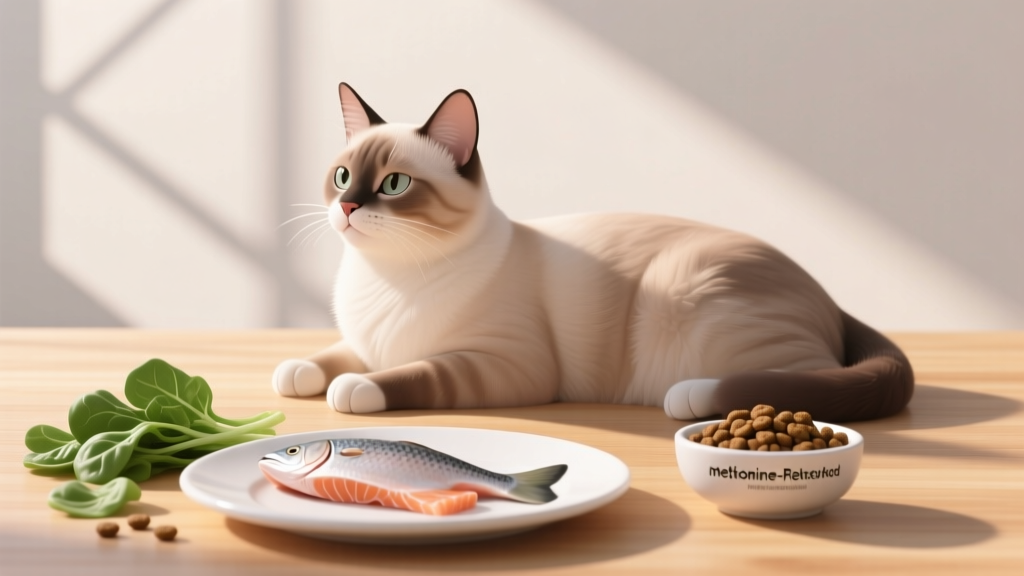
In general, methionine is abundant in animal proteins such as meat, fish, eggs, and many organ meats. That doesn’t mean “animal protein is bad”—it means methionine control requires precision. Don’t remove these foods without a formulated replacement that still meets feline essential nutrient requirements.
3) Is a “low-protein” urinary diet the same as a methionine-restricted diet?
No. Urinary diets are designed around urine dilution, pH, and mineral targets. Some may incidentally be lower in certain amino acids, but they are not necessarily methionine-restricted or appropriate for homocystinuria without your vet confirming it fits your cat’s lab goals.
4) Are B vitamins helpful for cats with homocystinuria?
They can be, because vitamin B6, folate, and B12 are involved in homocysteine metabolism. Whether your cat needs supplementation (and at what dose) depends on the underlying defect and lab results. Supplement only under veterinary guidance to avoid imbalances or masking other issues.
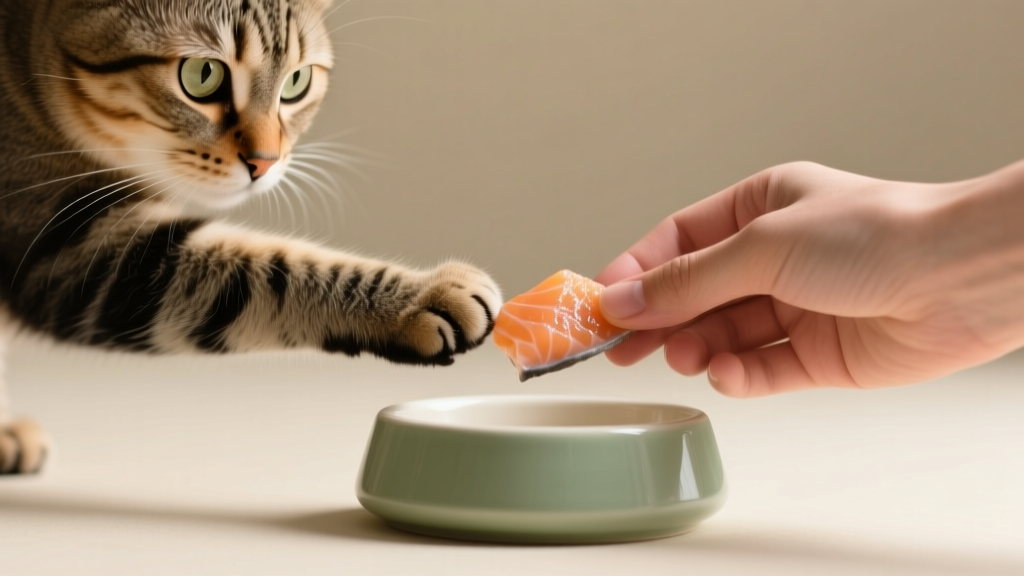
5) Can I still give treats?
Often yes, but only if your veterinarian approves and you use treats that fit the methionine-controlled plan. Many common treats are concentrated animal protein and can significantly increase methionine intake. Ask your vet for a daily “treat budget” by calories and acceptable treat types, and measure portions.
6) How will I know the diet is working?
Success is tracked with both clinical signs (energy, appetite, urinary comfort, body weight, coat quality) and objective monitoring (urinalysis, amino acid profiles or homocysteine testing when available, and periodic bloodwork). Your veterinarian will set the recheck schedule.
Homocystinuria requires a careful balance: reduce methionine exposure enough to help metabolic control, but keep the overall diet complete, calorie-appropriate, and cat-safe. Partner with your veterinarian (and a board-certified veterinary nutritionist when possible) before making any major diet changes.
If you’re working through a complex feeding plan and want more practical, science-based guidance for everyday cat nutrition, explore our additional nutrition guides on catloversbase.com.