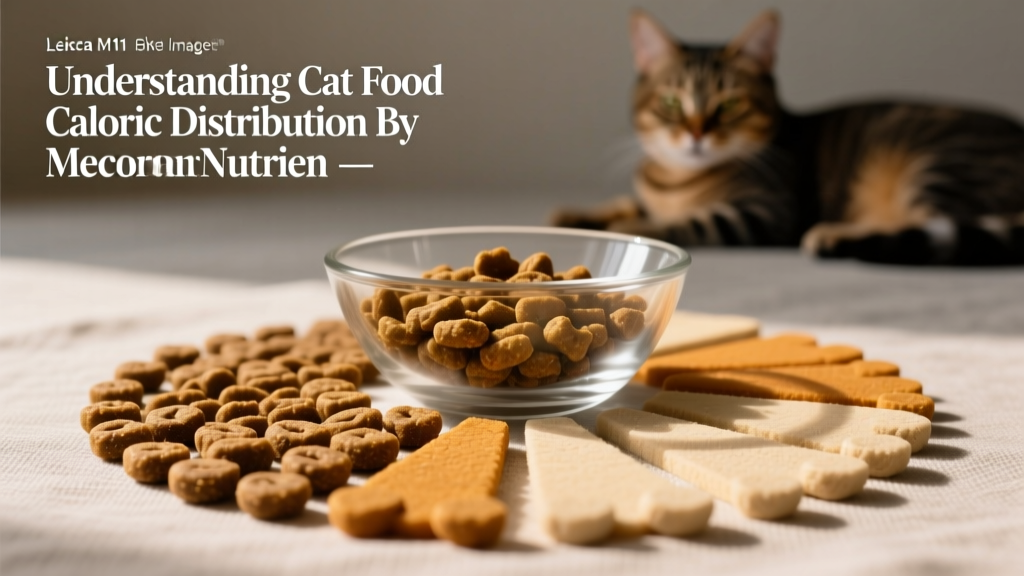
Understanding Cat Food Caloric Distribution by Macronutrient
1) How can I find the calorie breakdown (protein vs fat vs carbs) of my cat’s food?
Start with the manufacturer’s website or customer support—many can provide macronutrient calories or carbohydrate percentage. You can also estimate carbs by difference using the guaranteed analysis, then estimate calorie contributions with modified Atwater factors. For medically complex cats, ask your veterinarian to help interpret the numbers.
2) Is higher protein always better for cats?
Healthy cats generally do well with diets providing substantial protein, but “more” is not automatically “best.” The overall diet must be complete and balanced, calorie-appropriate, and suitable for your cat’s life stage and medical status. Cats with certain conditions (such as advanced kidney disease) may need a therapeutic plan designed by your veterinarian.
3) Does low-carb feeding prevent diabetes?
No diet can guarantee prevention. Maintaining a lean body condition is one of the most effective ways to lower diabetes risk. For cats with diabetes, many veterinary protocols use lower-carbohydrate wet diets, but management must be individualized and coordinated with insulin and monitoring.
4) If dry food is higher in carbs, should I avoid it completely?
Not necessarily. Some cats thrive on dry food, and some households need the convenience. If you feed kibble, measure portions carefully, consider mixing with wet food for moisture, choose reputable brands with complete-and-balanced formulations, and monitor weight and body condition. Your veterinarian can help you pick an option that fits your cat’s needs.
5) Are “grain-free” foods better for macronutrient distribution?
Grain-free does not automatically mean low-carb or higher protein calories. Many grain-free diets use other starches that still contribute carbohydrate calories. Look at calories, overall nutrient adequacy, and how your cat does on the diet rather than relying on a single marketing term.
6) What’s the safest way to change my cat’s diet to improve macronutrient distribution?
Transition gradually over 7–10 days, track total daily calories, and monitor appetite, stool quality, and body weight. If your cat has a medical condition (especially diabetes, CKD, or urinary disease), consult your veterinarian before changing foods.
Best next step: If you want to optimize your cat’s macronutrient calorie profile, bring your current food label (or a photo) to your veterinarian and discuss goals like weight, muscle condition, hydration, and any health diagnoses. Then explore more practical feline nutrition guides and feeding tips on catloversbase.com.