Cat Food Probiotic Viability: Live Culture Survival in Kibble
How can I tell if probiotics in kibble are still alive?
You usually can’t tell by appearance or smell. Look for a label statement guaranteeing CFU through the best-by date, strain identification, and storage instructions. If a brand only says “contains probiotics” without viability details, the survival level is uncertain.
Is kibble with probiotics enough for cats with diarrhea?
Sometimes mild, short-term stool changes improve with a consistent, highly digestible diet, but persistent or recurrent diarrhea needs veterinary evaluation. If a probiotic is appropriate, a targeted supplement with known strains and doses is often more reliable than probiotics baked into kibble.
Are prebiotics better than probiotics in dry cat food?
They’re different tools. Prebiotics (fermentable fibers) are generally more stable in kibble because they don’t need to be alive. For many cats, an appropriate fiber/prebiotic blend can support stool quality more consistently than uncertain probiotic viability.
Should I refrigerate probiotic kibble?
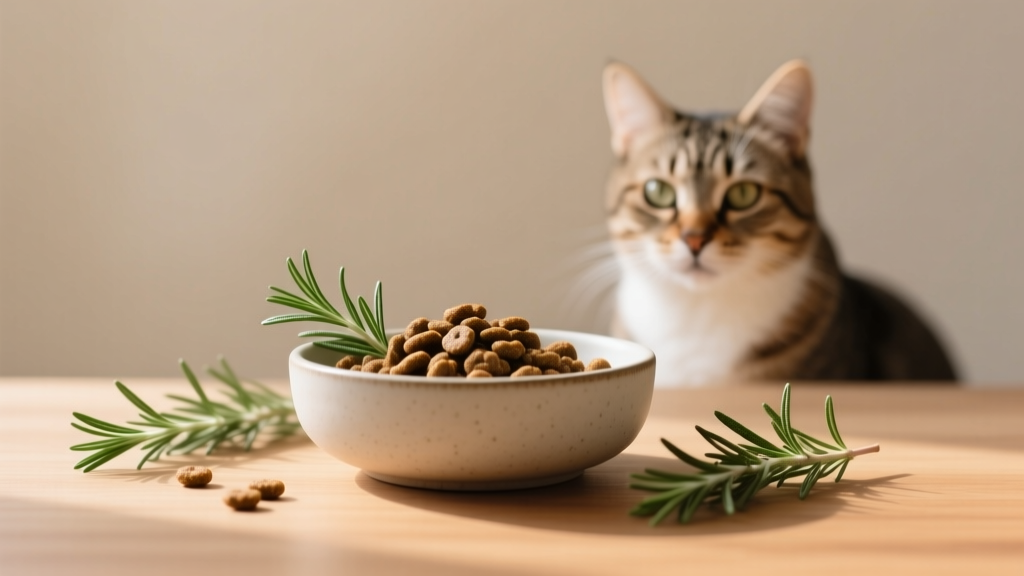
Usually no—refrigeration can introduce moisture when the bag is opened and closed, which can degrade kibble quality. Follow the manufacturer’s storage directions. Store dry food in a cool, dry place, keep the bag sealed, and use it within a reasonable time after opening.
Can I sprinkle human probiotic capsules on my cat’s food?
Only with veterinary guidance. Some human products include ingredients that are not ideal for cats, and dosing is not straightforward. Cats also may have different responses to strains studied primarily in humans. Your veterinarian can recommend a cat-appropriate product and dose.
Do probiotics help with hairballs?
Hairball control is more consistently influenced by grooming, hydration, dietary fiber type/amount, and addressing underlying skin issues that increase shedding. Probiotics may help some cats if hairballs are linked to GI sensitivity, but they are not a primary hairball solution.
Veterinary guidance matters: If you’re considering a probiotic for a medical issue (diarrhea, vomiting, constipation, suspected food intolerance, post-antibiotic support), consult your veterinarian so you choose a product and plan that fit your cat’s health status and medications.
Want more practical, science-based feeding help? Explore additional cat nutrition guides and diet strategy articles on catloversbase.com.