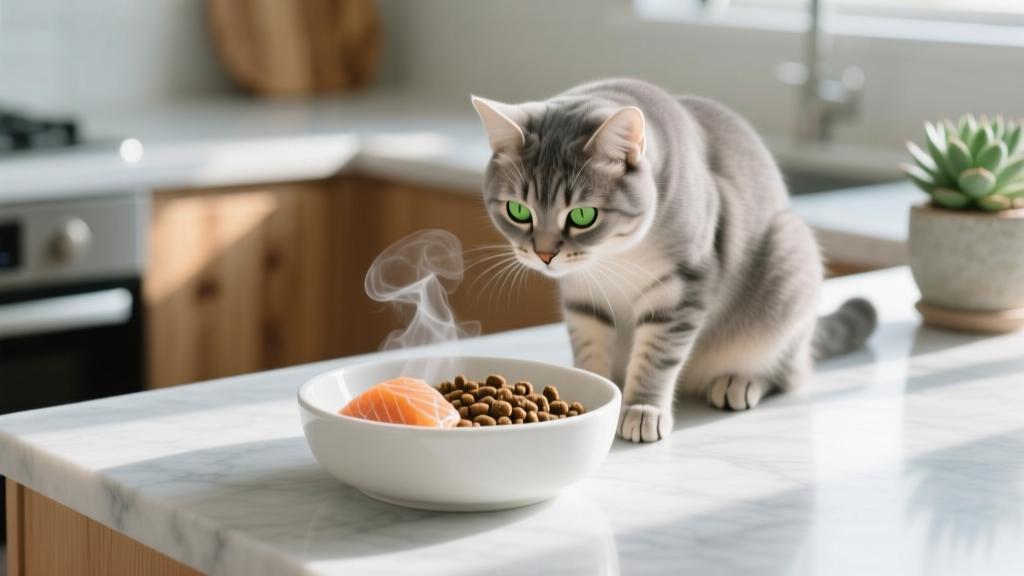
Why Cats Prefer Food From Wide Shallow Bowls
1. Why this topic matters for cat health
Feeding “the best diet” isn’t only about what’s in the food—how a cat accesses that food can change how much they eat, how comfortable they feel while eating, and whether they develop negative associations with meals. Many cats show a clear preference for wide, shallow bowls, and the reason goes beyond picky behavior. Bowl shape can affect:
- Appetite and meal completion (especially in cats that graze or eat small meals)
- Stress during feeding, which can influence digestion and household harmony
- Hydration if bowl design reduces water intake
- Comfort for cats with arthritis, dental pain, or nausea
When cats regularly avoid a bowl, owners often assume the food is the problem and start switching diets frequently. That can lead to unnecessary dietary changes, stomach upset, and frustration. A simple bowl swap can sometimes solve the issue without changing the diet at all.
2. Scientific background: feline nutritional needs and feeding behavior
Cats are obligate carnivores. Their metabolism and nutrient requirements are adapted for animal-based prey, meaning they need:
- High-quality animal protein to supply essential amino acids (including taurine, arginine, methionine)
- Dietary fat for energy and essential fatty acids (including arachidonic acid)
- Preformed vitamins like vitamin A (cats convert beta-carotene poorly)
- Consistent water intake, especially important because many cats have a low thirst drive and evolved to obtain moisture from prey
Just as important as nutrients is the cat’s natural feeding style. In free-living settings, cats are frequent, small-meal hunters. Many prefer multiple small meals per day, in a calm environment, with good visibility and minimal vulnerability. Feeding setup can either support this natural pattern or work against it.
3. Detailed analysis: why wide shallow bowls often work better
Whisker sensitivity (“whisker stress”) and bowl discomfort
One of the most common reasons cats prefer wide, shallow dishes is related to their whiskers. A cat’s whiskers (vibrissae) are highly innervated sensory tools. Repeatedly brushing whiskers against the sides of a narrow or deep bowl can be uncomfortable for some cats.
While “whisker fatigue” is not a formal veterinary diagnosis, many veterinarians and feline behavior professionals recognize that whisker contact can be a deterrent for sensitive cats. Practical evidence shows that some cats eat better when whisker contact is minimized.
Better access to food and less frustration
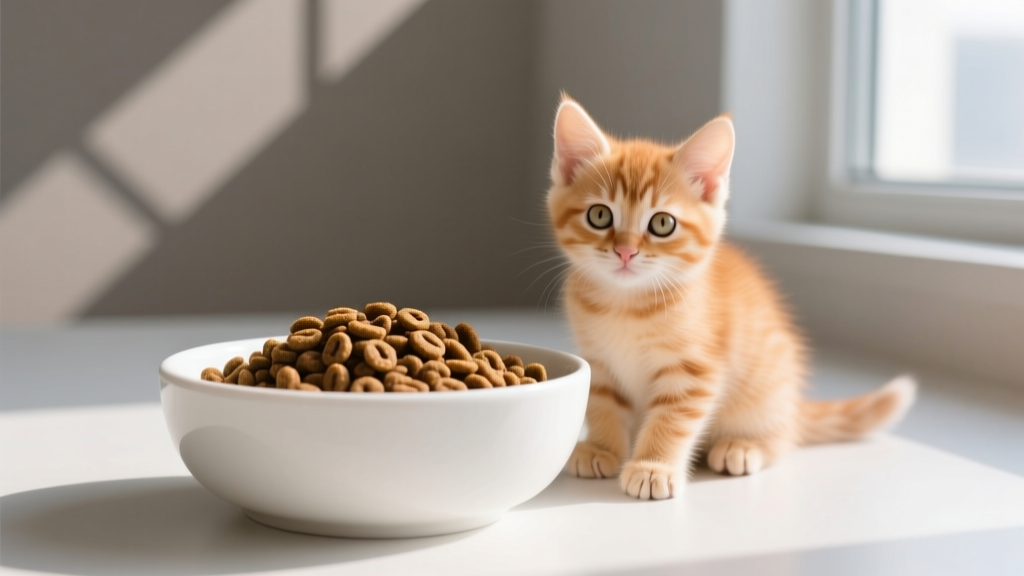
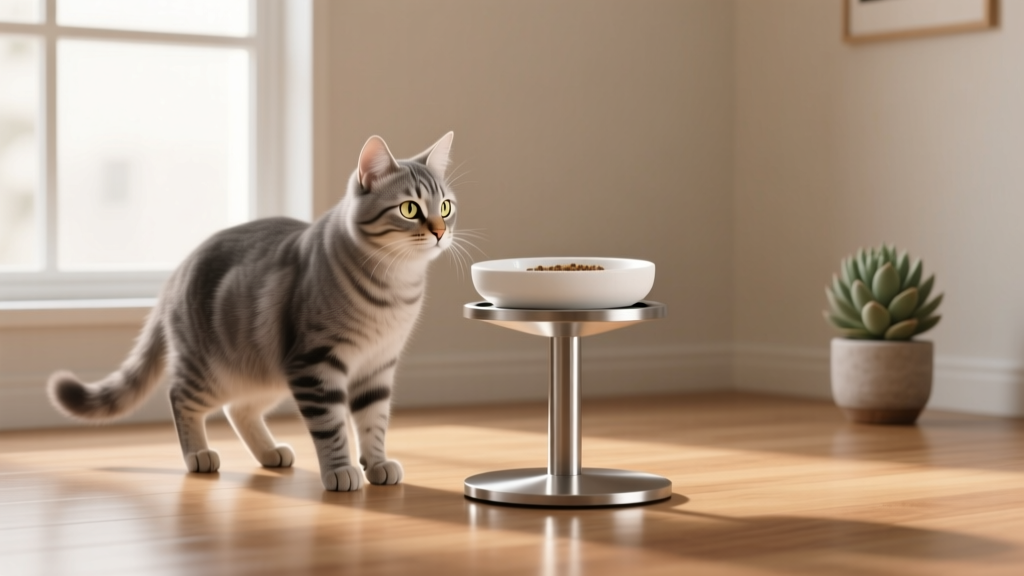
Wide shallow bowls spread food in a thin layer, making it easier for cats to pick up bites without pushing their face into a confined space. This can be particularly helpful for:
- Brachycephalic breeds (Persians, Exotic Shorthairs) that may struggle with deep bowls
- Cats with dental disease, oral pain, or missing teeth who need gentler angles
- Senior cats with reduced flexibility or arthritis
Reduced food odor trapping and improved palatability
Cats rely heavily on smell to evaluate food. Deep, narrow bowls can trap food aromas and create a “stale” impression—especially with wet food that sits out. Wide bowls allow more airflow and make odors easier for the cat to detect as they approach.
Cleanliness, food residue, and taste aversion
Bowl design influences how easy it is to clean thoroughly. Deep bowls with corners can hold residue and biofilm. Cats may refuse food from bowls that carry old smells. This is especially true for wet food and raw diets, which can leave stronger residues.
Vision, safety, and environmental awareness
Many cats prefer to eat while maintaining awareness of their surroundings. A wide, open dish allows a cat to eat without feeling visually blocked by tall bowl sides. In multi-pet homes, this can reduce stress and improve meal success.
Water bowls: similar principles with hydration consequences
Many cats also prefer drinking from wide bowls. If a cat drinks more readily from a wide dish or fountain, that can support hydration, which is closely tied to urinary tract health. While bowl shape alone won’t prevent urinary issues, optimizing water access is a practical, evidence-aligned strategy often recommended by veterinarians—particularly for cats prone to urinary crystals, stones, or idiopathic cystitis.
Evidence-based takeaway
Research on feline bowl geometry specifically is limited, but the underlying principles—sensory sensitivity, stress reduction, hygiene, and accessibility—fit well with established veterinary and behavior knowledge. If a cat’s diet is appropriate yet appetite is inconsistent, evaluating the feeding vessel is a sensible, low-risk step.
4. Practical recommendations for cat owners
Use these guidelines to select and set up a bowl that supports comfortable eating and stable nutrition intake.
| Feature | Best choice for most cats | Why it helps |
|---|---|---|
| Width | Wide (food can spread out) | Less whisker contact; easier access |
| Depth | Shallow (low sides) | Reduces face/whisker pressure; improves comfort |
| Material | Ceramic or stainless steel | Non-porous; easier to sanitize; less odor retention |
| Stability | Heavy base or non-slip bottom | Prevents sliding; reduces stress and noise |
| Elevation | Slight elevation for some cats | May improve posture for seniors or cats with nausea/arthritis |
- Choose a plate-style dish for wet food if your cat is reluctant to eat from bowls.
- Wash food bowls daily with hot water and dish soap; sanitize regularly if feeding wet/raw.
- Use multiple feeding stations in multi-cat households to reduce competition and stress.
- Replace scratched plastic bowls—they harbor odors and bacteria more easily.
5. Comparison of options and approaches
| Option | Pros | Cons | Best for |
|---|---|---|---|
| Wide shallow ceramic bowl/plate | Stable; non-porous; whisker-friendly; dishwasher safe (many) | Can break if dropped | Most cats; wet-food feeding |
| Wide shallow stainless steel | Durable; hygienic; lightweight; cost-effective | Can slide/noise without a mat | Most cats; households prioritizing sanitation |
| Plastic bowls | Cheap; lightweight | Scratches trap bacteria/odor; some cats develop chin acne; retains smells | Short-term use only, if at all |
| Deep narrow bowls | Contain mess; hold more volume | More whisker contact; harder access; may reduce intake | Generally not ideal for many cats |
| Elevated wide bowl | May improve comfort and posture | Too high can be awkward; not needed for every cat | Seniors; arthritis; some GI issues |
| Food puzzles / slow feeders (cat-appropriate) | Enrichment; slows fast eating; supports weight management | Not ideal for painful mouths; can frustrate anxious cats | Food-motivated cats; indoor cats needing enrichment |
6. Common mistakes and misconceptions to avoid
- Myth: “If my cat won’t eat, the food must be bad.”
Reality: Bowl discomfort, stress, dental pain, nausea, or household competition can reduce intake even when the diet is excellent. - Mistake: Switching foods repeatedly without a plan.
Frequent abrupt changes can cause digestive upset and can teach cats to “hold out” for novelty. Assess bowl type, feeding location, and medical causes first. - Mistake: Using plastic bowls long-term.
Plastic scratches easily and can retain odors. Some cats develop feline acne/comedones around the chin with plastic contact. - Myth: “Whisker stress is fake.”
Reality: Whether you call it whisker stress or sensory sensitivity, many cats demonstrably eat more comfortably when whisker contact is reduced. The solution is low-risk and often effective. - Mistake: Leaving wet food out too long.
Wet food spoils and develops strong odors; some cats refuse it. Follow safe time limits (ask your vet for household-specific guidance, especially in warm environments).
7. How to implement changes safely (transition tips)
Changing the bowl is usually easy, but sensitive cats may still react to novelty. A calm, stepwise approach helps.
- Introduce the new bowl next to the old one for 1–3 days. Let your cat investigate it without pressure.
- Start with favorite foods in the new wide shallow bowl to build a positive association.
- Keep everything else consistent (food brand, feeding schedule, location) during the bowl trial so you can identify what’s helping.
- Use a non-slip mat if the bowl moves. Movement and noise can deter cautious cats.
- Monitor intake closely. If your cat eats significantly less for more than 24 hours (or refuses entirely), contact your veterinarian promptly—cats can develop hepatic lipidosis when they don’t eat adequately, especially if overweight.
8. Special considerations (age, health conditions, activity level)
| Cat type/condition | What to prioritize | Bowl setup suggestions |
|---|---|---|
| Kittens | Easy access; frequent meals; hygiene | Wide shallow dish; multiple small portions; daily washing |
| Senior cats | Comfort, joint support, consistent intake | Wide shallow + slight elevation; stable base; easy-to-clean material |
| Dental disease/oral pain | Reduce discomfort; encourage eating | Wide shallow dish; consider softer textures per vet advice; avoid hard slow feeders |
| Arthritis | Posture and reach | Elevated wide bowl; place on non-slip surface |
| Urinary tract concerns | Hydration support; stress reduction | Wide water bowl or fountain; multiple water stations; consider wet food if vet-approved |
| Overweight/fast eaters | Portion control; slowing intake safely | Wide shallow slow feeder designed for cats, or spread wet food thinly on a plate; confirm calorie plan with vet |
If your cat has chronic vomiting, reduced appetite, suspected food allergies, kidney disease, diabetes, or urinary issues, consult your veterinarian before making major dietary changes. Bowl changes are typically safe, but appetite changes can be an early medical sign that shouldn’t be ignored.
9. FAQ
How do I know if my cat dislikes their bowl?
Common signs include pawing food out onto the floor, eating only from the center, leaving food around the edges, walking away and returning repeatedly, vocalizing at the bowl, or preferring food placed on a flat surface. If these behaviors improve with a wide shallow dish, the bowl was likely a factor.
Are wide shallow bowls better for wet food or dry food?
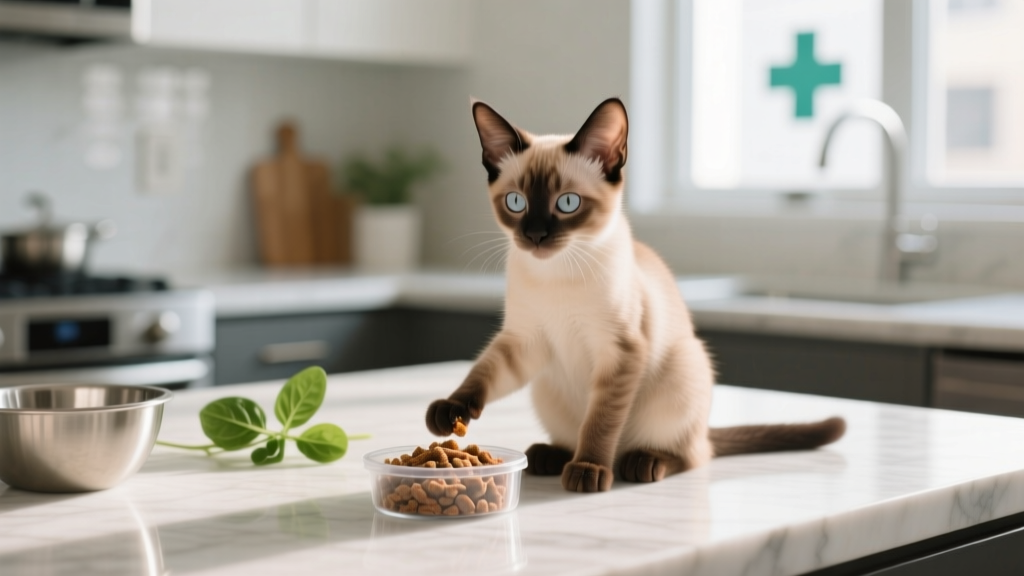
They can help with both. For wet food, a wide shallow dish spreads the food out, reduces residue buildup in corners, and can improve aroma access. For dry food, it can reduce whisker contact and make kibble easier to pick up. Portion control still matters—measure calories regardless of bowl type.
Should I elevate my cat’s bowl?
Some cats do well with slight elevation, especially seniors or cats with arthritis. The goal is a neutral, comfortable posture—not a steep angle. If your cat seems awkward or eats less, lower it. If your cat has frequent regurgitation or suspected GI issues, ask your veterinarian for guidance.
Is stainless steel or ceramic better?
Both are excellent choices. Stainless steel is very durable and hygienic; ceramic is stable and often heavier. The “best” option is the one you can clean thoroughly every day and that your cat readily uses. Avoid chipped ceramic (can harbor bacteria) and scratched plastic.
Can bowl choice really affect hydration?
Yes. Some cats drink more from wider bowls, possibly due to comfort and visibility. Better drinking habits can support urinary tract health, but it’s not a stand-alone prevention plan. Many cats benefit from multiple water locations and, when appropriate, higher-moisture diets under veterinary guidance.
My cat suddenly prefers eating off the floor—should I worry?
A bowl change may help, but sudden behavior changes can also signal dental pain, nausea, or other illness. If appetite is decreased, weight is dropping, or your cat is acting differently, schedule a veterinary exam. Do not wait multiple days for a cat to “come around,” especially if they are overweight or prone to not eating.
Optimizing bowl shape is a simple, cat-friendly upgrade that can support consistent nutrition intake, reduce mealtime stress, and make healthy feeding routines easier to maintain. For personalized diet decisions—calories, wet vs. dry balance, therapeutic diets—work with your veterinarian or a board-certified veterinary nutritionist.
For more practical feeding strategies, hydration tips, and evidence-based diet guides, explore the cat nutrition resources on catloversbase.com.