Why Cats Prefer Food From Elevated Feeding Stations
1) Why this nutrition topic matters for cat health
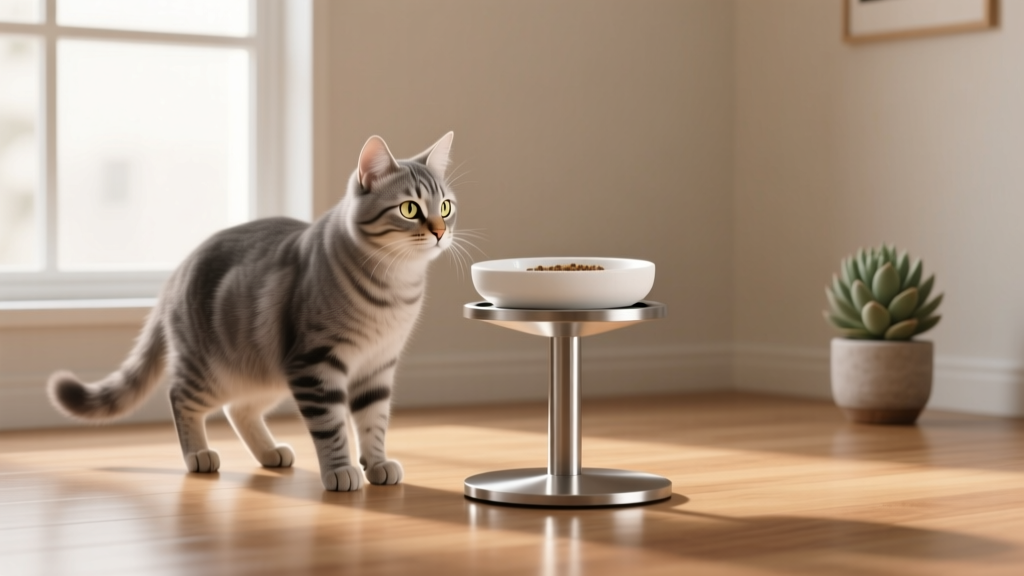
Where your cat eats can affect how well they eat. Feeding posture influences comfort, stress levels, swallowing, and even how much food a cat chooses to consume. Elevated feeding stations—bowls raised above floor level—are popular because many cats appear to eat more calmly and consistently from them. From a nutrition standpoint, anything that supports steady intake, hydration, and comfortable digestion can help protect lean body mass, support urinary health, and reduce avoidable vomiting or food refusal.
That said, an elevated bowl is not a “diet” by itself. The best results come from pairing correct bowl height and shape with a species-appropriate diet, measured portions, and veterinary guidance for any medical issue. Cats can have very individual preferences, so the goal is a setup that supports your cat’s nutritional needs with minimal stress.
2) Scientific background: feline nutritional needs and obligate carnivore biology
Cats are obligate carnivores, meaning their biology is built around animal-based nutrients. This affects not only what they need to eat, but also how they eat.
- High protein requirement: Cats rely heavily on protein for energy and for maintaining muscle. They have limited ability to down-regulate protein metabolism, so they need consistent dietary protein.
- Essential nutrients from animal tissues: Taurine, arachidonic acid, vitamin A (preformed), and vitamin D are required because cats cannot make enough from plant precursors.
- Meal pattern and appetite sensitivity: In nature, cats eat small prey meals multiple times per day. Many cats do best with smaller, frequent meals rather than one or two large feedings.
- Low thirst drive: Cats evolved from desert-adapted ancestors and often drink less than expected. Diet moisture (canned/wet food) and stress-free access to water are critical for urinary and kidney health.
- Gastrointestinal and swallowing mechanics: Eating posture influences how comfortably a cat can chew, swallow, and keep food down—especially in cats prone to regurgitation, nausea, dental pain, or arthritis.
Elevated feeding stations don’t change nutrient requirements, but they can improve the feeding experience, which can indirectly support better intake of a nutritionally complete diet.
3) Detailed analysis: why many cats prefer elevated feeding stations
A) More comfortable posture (neck, spine, and joints)
Floor-level bowls require a cat to lower the head and flex the neck. Some cats tolerate that easily. Others—especially seniors, cats with arthritis, or cats with spinal/neck discomfort—may find it uncomfortable. Raising the bowl reduces the need to crouch deeply and may allow a more neutral head/neck position.
When eating is more comfortable, cats may:
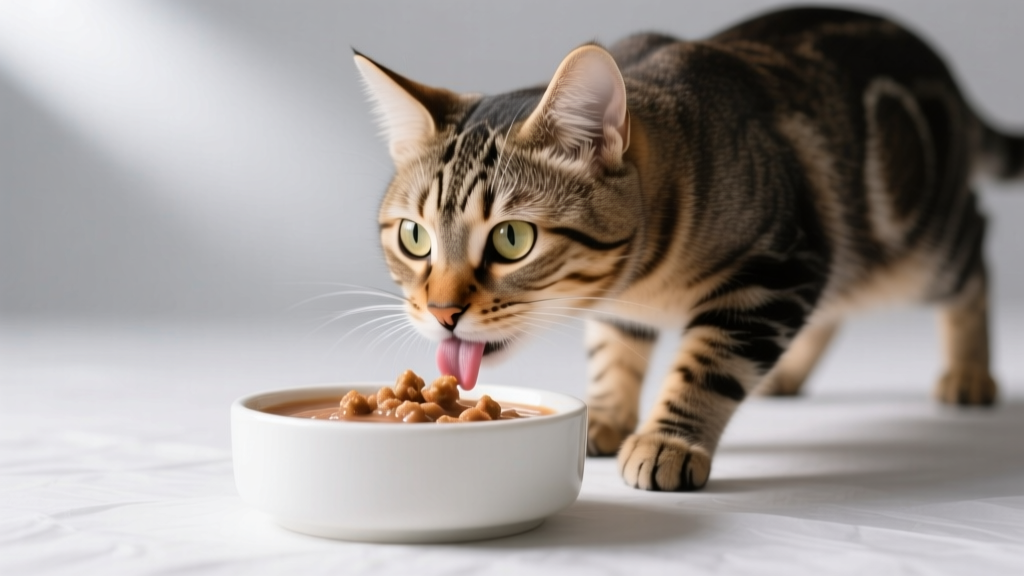
- linger at meals instead of taking a few bites and walking away
- show fewer signs of guarding or tension
- be less picky due to reduced discomfort
B) Less whisker stress (whisker fatigue) and better bowl ergonomics
Many cats dislike deep, narrow bowls that press against their whiskers. While “whisker fatigue” is sometimes overstated online, whiskers are sensitive sensory tools. Repeated contact with bowl edges can be irritating for certain cats and may lead to behaviors like pawing food out, eating only from the center, or walking away mid-meal.
Elevated stations often come with wider, shallower bowls. The combination—not just the height—can improve comfort and reduce messy “scooping” behavior.
C) Reduced food aversion from nausea, reflux, or regurgitation (for some cats)
Cats may vomit for many reasons (hairballs, rapid eating, dietary sensitivity, inflammatory bowel disease, parasites, systemic disease). Bowl height is not a cure. Still, posture can influence swallowing and the movement of food through the esophagus. Some cats that regurgitate (bringing food back up shortly after eating, often tubular and undigested) seem to do better with a modestly raised bowl because they don’t have to gulp with the head so low.
If vomiting or regurgitation is frequent, consult your veterinarian. Ongoing vomiting can lead to dehydration, nutrient imbalances, and weight loss, and may indicate a medical condition that needs treatment.
D) Stress reduction and perceived safety
Cats prefer to eat where they feel secure. Eating is a vulnerable activity; a cat that worries about another pet, noisy appliances, or foot traffic may eat quickly or skip meals. Elevated stations can help in two ways:
- Improved sight lines: A slightly higher bowl may allow a cat to scan the environment while eating.
- Clear “feeding zone”: A designated station can reduce competition and chaos, especially in multi-cat homes when paired with separate feeding areas.
E) Better hygiene and food quality perception
Food at floor level is more likely to collect dust, litter tracking, or hair—especially if bowls are near litter boxes (not recommended). Elevating the bowl can help keep the feeding area cleaner. Since smell strongly influences feline appetite, a cleaner, less contaminated feeding setup can make food more appealing.
F) The “preference” may actually be about bowl type, not height
When owners switch to an elevated station, they often change multiple variables at once: bowl material, width, depth, stability, and location. Any of these can be the real reason a cat eats better. A fair test is to keep the same bowl but place it on a stable riser, or keep the same height but switch to a wide, shallow dish.
4) Practical recommendations for cat owners
Choose an appropriate height
- Goal: reduce the need for deep crouching while keeping a natural, relaxed posture.
- General guide: many adult cats do well with a bowl height around 4–6 inches (10–15 cm), but body size varies.
- Easy check: your cat should be able to eat with the neck mostly neutral, not reaching up or hunching down.
Prioritize bowl shape and stability
- Wide, shallow dishes often reduce whisker contact.
- Use a heavy base or non-slip mat to prevent sliding (which can stress cats and encourage bolting food).
- Keep food and water in separate stations if your cat avoids drinking near food.
Place the station strategically
- Quiet, low-traffic location
- Away from the litter box
- Separate stations for each cat in multi-cat homes (to reduce resource guarding)
5) Comparison of options: what to choose and when
| Approach | Best for | Pros | Cons / Cautions |
|---|---|---|---|
| Floor-level wide, shallow dish | Cats without mobility issues; whisker-sensitive cats | Simple, inexpensive; often improves comfort | May still be uncomfortable for arthritis/neck pain |
| Elevated station (4–6 in / 10–15 cm) | Seniors; cats that crouch stiffly; some regurgitation-prone cats | Improves posture; can reduce mess and stress | Too high can cause awkward reaching; not a fix for chronic vomiting |
| Angled elevated bowl | Cats that eat quickly; cats that seem uncomfortable bending | May support a more natural head position; can keep food centered | Angle may not suit all cats; ensure stability and easy cleaning |
| Slow feeder (raised or floor-level) | Cats that bolt kibble and vomit soon after | Slows intake; reduces gulping | Some cats dislike puzzle textures; must be cleaned thoroughly |
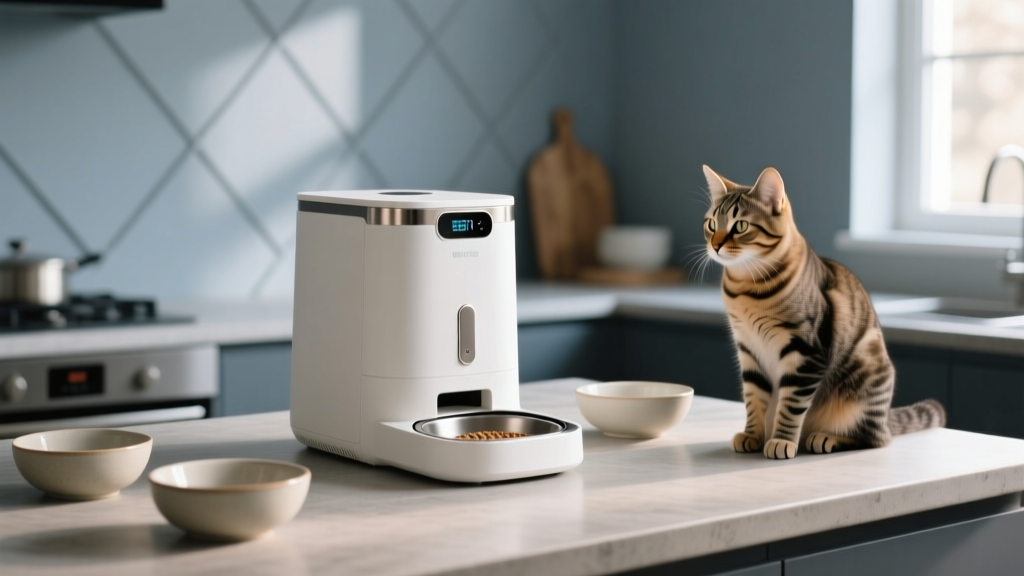
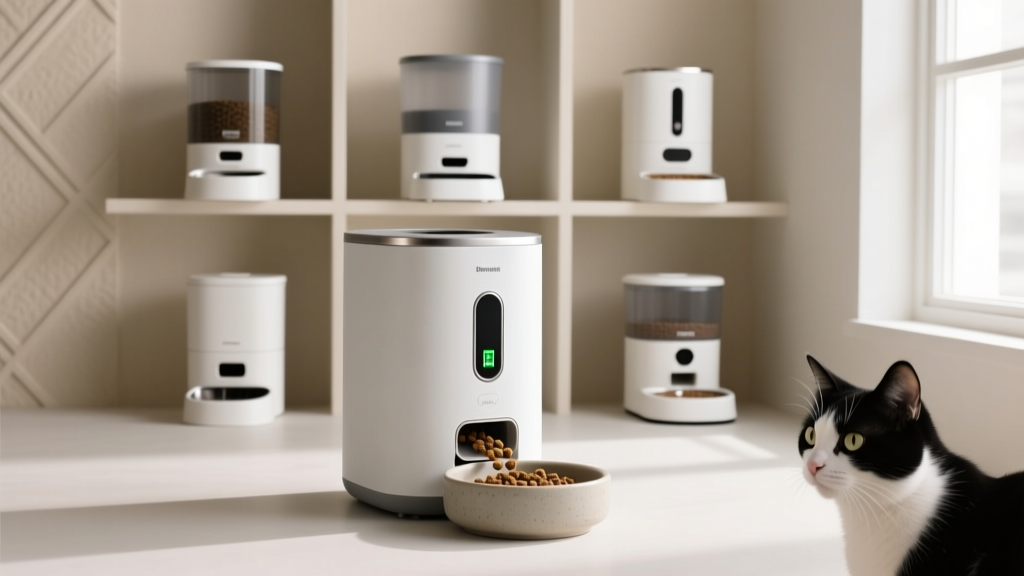
| Microchip/timed feeder (can be elevated) | Multi-cat homes; prescription diets; portion control | Prevents diet stealing; supports measured feeding | Cost; requires training and maintenance |
Material note: stainless steel and glazed ceramic are often preferred for hygiene and odor control. Porous plastics can retain odors and develop scratches that harbor bacteria, which may reduce palatability for some cats.
6) Common mistakes and misconceptions to avoid
- Myth: “Elevated bowls cure vomiting.”
Reality: Vomiting has many causes. Bowl height may help certain cats swallow more comfortably, but persistent vomiting needs veterinary evaluation. - Mistake: Raising the bowl too high.
Too much elevation can force a cat to reach upward, creating tension and potentially worsening swallowing comfort. - Myth: “If my cat eats better elevated, the food must be perfect.”
Reality: Comfort can improve intake even when a diet isn’t ideal. Ensure the diet is complete and balanced for your cat’s life stage, and measure portions. - Mistake: Changing food, bowl, location, and schedule all at once.
When multiple variables change, it’s hard to know what helped—or what caused a setback. - Myth: “Wet food isn’t needed if the bowl is elevated.”
Reality: Elevation doesn’t address low thirst drive. Many cats benefit from higher-moisture diets, especially those prone to urinary issues (ask your vet).
7) How to implement changes safely (transition tips)
Most cats accept an elevated station quickly, but sensitive cats do better with a gradual, low-pressure approach.
- Keep the diet the same at first. Change only the feeding setup for 3–7 days.
- Start with a small lift. Try 1–2 inches (2–5 cm) using a stable riser (a sturdy box or step), then adjust upward if your cat seems more comfortable.
- Watch body language. Signs the setup works: relaxed tail, steady eating pace, fewer pauses, less pawing food out. Signs it doesn’t: hesitating, backing away, stretching the neck upward, or eating only a few bites.
- Prevent sliding. Use a non-slip mat; wobble can create anxiety and reduce intake.
- Maintain cleanliness. Wash bowls daily; rinse after each wet meal. Old odors can reduce appetite.
- If you’re changing the food too: transition over 7–10 days (or longer for sensitive cats) by mixing increasing amounts of the new food into the old. Consult your veterinarian for cats with GI disease or a history of food refusal.
8) Special considerations (age, health conditions, activity level)
| Cat type | Feeding station considerations | Nutrition-related notes |
|---|---|---|
| Kittens | Low-to-moderate elevation; stability is key | Higher energy needs; feed growth-formulated diets. Avoid extreme elevation that forces reaching. |
| Senior cats | Often benefit from moderate elevation and wide bowls | Monitor weight and muscle; consider more frequent, smaller meals. Ask your vet about kidney/thyroid screening. |
| Arthritis or mobility limitations | Elevated station can reduce joint strain; ensure easy access | Pain can reduce appetite; talk to your vet about pain control and ideal body condition. |
| Dental disease | Elevation may improve comfort, but dental care is primary | Consider softer textures or veterinary dental diets if recommended. Schedule an oral exam for bad breath or dropping food. |
| Chronic vomiting/regurgitation | Try modest elevation and/or slow feeding; vet workup recommended | Rule out parasites, food intolerance, GI disease, hyperthyroidism, kidney disease. Nutrition plans may include hydrolyzed or GI diets. |
| Overweight/low activity | Elevation won’t drive weight loss; focus on measured portions and enrichment | Use a vet-approved calorie target, more play, food puzzles (if tolerated), and regular weigh-ins. |
If your cat has a diagnosed condition (kidney disease, diabetes, FLUTD/urinary crystals, pancreatitis, IBD), do not change diets or feeding routines aggressively without veterinary direction. Prescription diets and meal timing can be part of treatment.
9) FAQ
How high should an elevated feeding station be for my cat?
Many adult cats do well around 4–6 inches (10–15 cm), but the best height is the one that lets your cat eat with a relaxed, mostly neutral neck. If your cat is reaching upward or looks tense, lower it. If your cat is deeply crouched and stiff, raise it slightly.
Will elevated bowls help my cat drink more water?
Sometimes, but not reliably. Hydration is more strongly influenced by diet moisture (wet food), water freshness, bowl type, and placement. Many cats drink better from wide bowls placed away from food, or from fountains. Ask your vet what’s best if urinary health is a concern.
Are elevated bowls better for wet food, dry food, or both?
They can be used for either. For wet food, a stable, easy-to-clean setup matters most. For dry food, elevation may help comfort, while slow feeders can reduce gulping in cats that eat too fast.
Is “whisker fatigue” real?
Whiskers are sensitive, and some cats dislike repeated whisker contact with bowl sides. Whether it’s labeled “whisker fatigue” or simply preference, switching to a wide, shallow dish often helps cats that paw food out or avoid eating from deep bowls.
My cat eats better elevated—should I change their diet too?
Not automatically. First confirm your cat is eating a complete and balanced food for their life stage and health status. If you’re considering diet changes for weight, urinary issues, allergies, or GI signs, consult your veterinarian so changes support medical needs and calorie control.
When should I call the vet about eating issues?
Contact your veterinarian promptly if your cat stops eating, eats significantly less for more than 24 hours, loses weight, vomits repeatedly, has diarrhea, drools, seems painful when chewing, or shows signs of dehydration. Nutrition changes should be tailored to the cause.
Elevated feeding stations can be a simple, evidence-informed way to improve comfort at meals, which can support consistent nutrition and hydration habits. For personalized diet decisions—especially if your cat has vomiting, urinary issues, dental disease, or weight concerns—partner with your veterinarian. Explore more cat nutrition guides and feeding setup tips at catloversbase.com.