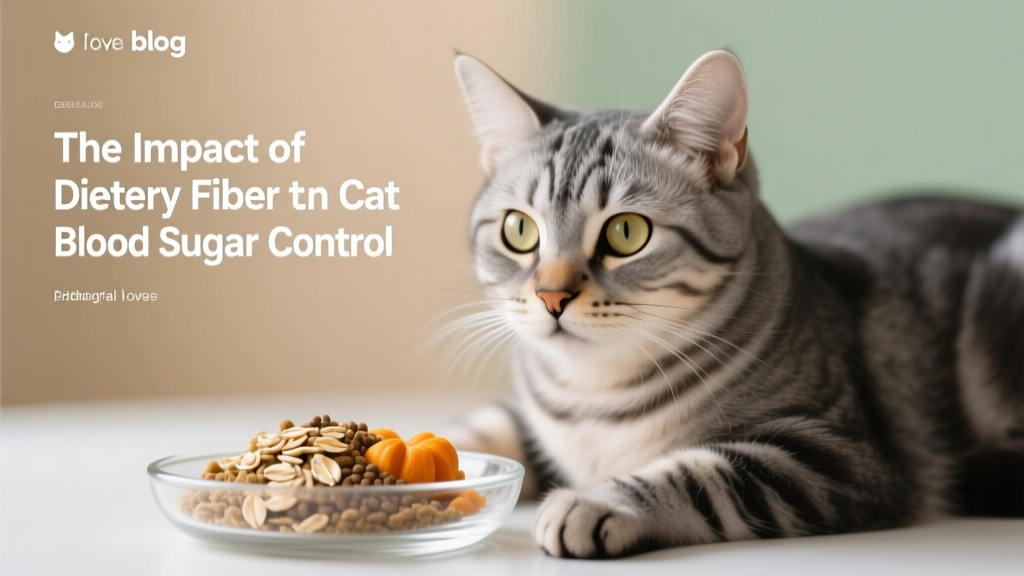
The Impact of Dietary Fiber on Cat Blood Sugar Control
How much fiber should a cat eat for better blood sugar control?
There is no universal “best” fiber number for cats. Outcomes depend on the type of fiber, the overall carbohydrate level of the food, calorie intake, and your cat’s body condition. Your veterinarian can help choose a diet where fiber supports the goal (often weight management or stool consistency) without compromising protein intake.
Is pumpkin good for diabetic cats?
Plain pumpkin can add fiber, but it also adds carbohydrates and calories. Small amounts may be acceptable for some cats, but it’s not a primary strategy for diabetic control. If your cat is on insulin, discuss any add-ins with your veterinarian because even “small” changes can affect glucose and insulin needs.
What’s better for feline diabetes: high-fiber food or low-carb food?
Many diabetic cats do best with a low-carbohydrate, high-protein canned diet, often under veterinary guidance, and some achieve remission. High-fiber diets may help certain cats (especially with obesity or appetite control), but they aren’t automatically superior for glycemic control. Your vet can tailor the approach based on weight, appetite, stool quality, and glucose monitoring.
Can fiber help prevent diabetes in cats?
Fiber may help indirectly by supporting weight management and satiety in some cats. Since obesity is a major risk factor for insulin resistance and diabetes, preventing weight gain is one of the best prevention strategies. That said, prevention is broader than fiber: appropriate calories, high-protein diets, portion control, and daily play matter.
Will adding fiber make my cat constipated?
It can, depending on the fiber type, dose, and your cat’s hydration and underlying health. Insoluble fiber may worsen constipation in some cats, while certain soluble fibers (like psyllium) may help. Constipation that is recurrent, painful, or associated with decreased appetite warrants a veterinary exam.
Does “grain-free” mean better blood sugar control?
No. Grain-free diets can still be high in carbohydrates (often from potatoes, peas, or tapioca). Blood sugar impact depends more on the overall carbohydrate content, calorie balance, and ingredient processing than whether a diet contains grains.
If you’re considering changing your cat’s diet to support blood sugar control—especially if diabetes, obesity, or GI disease is involved—partner with your veterinarian for a plan that includes safe transitions and monitoring.
For more practical, science-based feeding guides, explore the nutrition articles and cat wellness resources on catloversbase.com.